Bleeding Gums Treatment in Tribeca, NYC
Bleeding gums — gums that bleed when you brush or floss — are the classic first sign of gum inflammation. I'm Dr. Nina Izhaky. Bleeding when you brush is not 'normal' — but it is your gums asking for help, and in most cases the answer is simpler than you think. Bleeding is the classic first sign of gum inflammation: plaque collecting below the gumline where your brush can't reach. Caught at this stage, it's usually fully reversible with professional care. Come in, we'll measure your gum health properly, clean out what's causing the bleeding, and give you an honest plan.
Why your gums are bleeding
Bleeding is a symptom, not a diagnosis. Here's what we look for — and how we fix it.
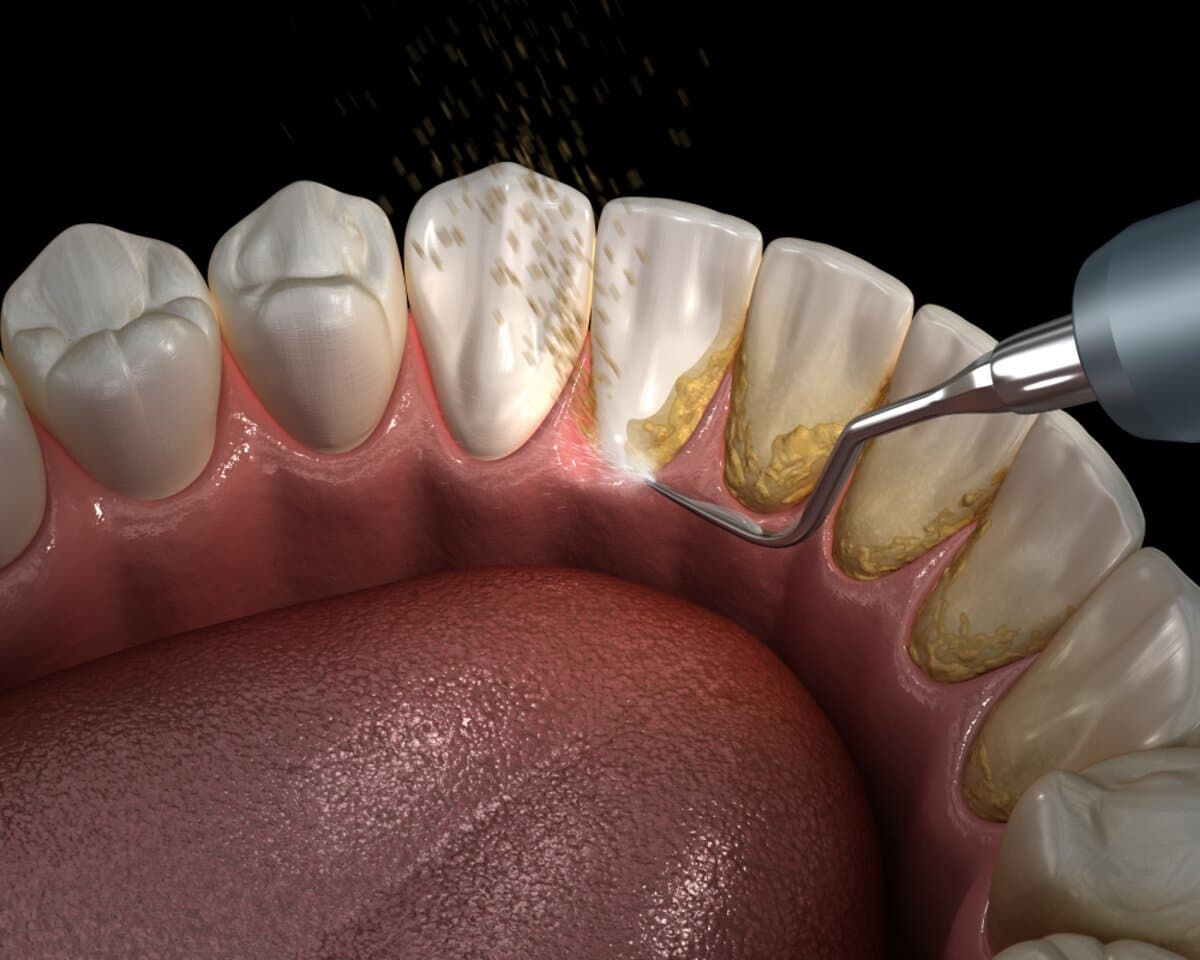
Bleeding is the classic first sign.
Bleeding when you brush — plus gums pulling back, persistent bad breath, or teeth that feel loose or look longer — are the classic signs of gum disease. Early disease often has no symptoms at all, so bleeding is actually useful information.
Screened at every exam.
Your gums are checked at every routine visit: we measure pocket depths and check for inflammation. Early inflammation caught here is still fully reversible with professional care and better home hygiene.
Matched to the real stage of disease.
Gingivitis may need only a standard hygiene visit. Established disease calls for deep cleanings and scaling and root planing. Moderate-to-advanced periodontitis may qualify for LANAP laser therapy. Your exam decides — not a guess.
Laser options when appropriate.
Our Fotona TwinLight laser therapy and LANAP with Dr. Sam Morhaim treat gum disease with minimal discomfort and faster recovery — no traditional scalpel flap, no stitches.
How we treat bleeding gums
Diagnosis first, then exactly the right level of care.
Periodontal evaluation.
We measure pocket depths, check bleeding and inflammation, and assess bone levels and bite forces. A full exam is required before we recommend anything — that's non-negotiable.
Your matched treatment.
Gingivitis: often just a thorough hygiene visit. Established disease: deep scaling and root planing across the areas that need it. Advanced cases: laser therapy when you're a candidate.
Home-care coaching.
The exact brushing and flossing technique for your mouth — because what happens between visits decides whether the bleeding stays gone.
Maintenance that protects the result.
Periodontitis is managed, not cured. Quarterly maintenance cleanings and consistent home hygiene keep your teeth — and your gums quiet — for the long term.
“Dr. Sam did the FOX interview on the LANAP procedure — he was one of the first to start using it. The healing is phenomenal, the recovery minimal — similar to a regular filling rather than a full surgical recovery with stitches. We also add additional protocols that enhance the results and bone regeneration. It's really short of a magical wand!”
— Dr. Nina Izhaky (on Dr. Sam Morhaim)
My honest rule about bleeding gums
If your gums bleed, something is irritating them — and ignoring it is the one move that always makes things worse. The good news: at the bleeding stage, we're usually still in the reversible zone. I'd rather see you now for a cleaning than later for something bigger.
Hablamos español
We warmly welcome Spanish-speaking patients. Nuestro equipo le explica su diagnóstico y su plan de tratamiento en su idioma — llámenos al (212) 561-5303. No facturamos directamente al seguro; le ayudamos con el financiamiento.
Bleeding gums questions, answered
01Why do my gums bleed when I brush?
Almost always: plaque and bacteria collecting below the gumline, triggering inflammation. Bleeding is the classic first sign of gum disease — your gums telling you something needs attention. A periodontal evaluation identifies exactly what's causing it in your case.
02Is it normal for gums to bleed?
Common, but not normal. Healthy gums don't bleed. Occasional bleeding from brushing too hard happens, but regular bleeding means inflammation — and inflammation is treatable, usually reversibly at this stage.
03Can bleeding gums go away on their own?
Better home hygiene can calm mild gingivitis, but plaque hardened into calculus below the gumline can only be removed professionally. If bleeding has lasted more than a couple of weeks, come in — that's the point of the evaluation.
04What if the bleeding means I have gum disease?
Then we stage it and treat it. Early gum disease is fully reversible with professional care. Advanced periodontitis is managed with deep cleanings, laser therapy like LANAP where appropriate, and quarterly maintenance. Either way, the exam gives you an honest answer.
05Does gum treatment hurt?
You're fully comfortable during treatment — effective local anesthesia is standard, and our laser options are designed for minimal post-treatment soreness. Most patients return to normal routines within a day or two.
06Could pregnancy be causing my bleeding gums?
It can contribute — pregnancy hormones make gum tissue more reactive to plaque. If you're expecting, see our pregnancy gingivitis page; the treatment is gentle and timed around your pregnancy.
07Where are you located?
54 Warren Street, New York, NY 10007, in the heart of Tribeca — serving Tribeca, SoHo, Battery Park City, the Financial District, and Downtown Manhattan.
08Do you speak Spanish?
Yes — hablamos español. Our team explains your diagnosis and treatment plan in your language.
Bleeding gums treatment in the heart of Tribeca
Find us at 54 Warren Street, New York, NY 10007 — in the heart of Tribeca, serving Tribeca, SoHo, Battery Park City, the Financial District, and Downtown Manhattan.
Gums bleeding? Don't wait it out.
An honest evaluation, a gentle cleaning, and a clear plan. Call (212) 561-5303 or book online.