Sleep Apnea Dentist in NYC
I'm Dr. Nina Izhaky. A sleep apnea dentist is a dentist who diagnoses and treats sleep-disordered breathing — the snoring, the gasping, the pauses in breathing that ruin sleep. Here's my core framing: many causes of snoring and sleep apnea, but the effects are the same — decreased life expectancy and lower quality of life. The first visit is a diagnosis: why you snore, whether you have apnea, what's causing it, what your symptoms are. Then we build a plan.
What a dentist brings to sleep apnea
Sleep medicine lives on your teeth and jaw. A CPAP prescription doesn't have to be the only answer.
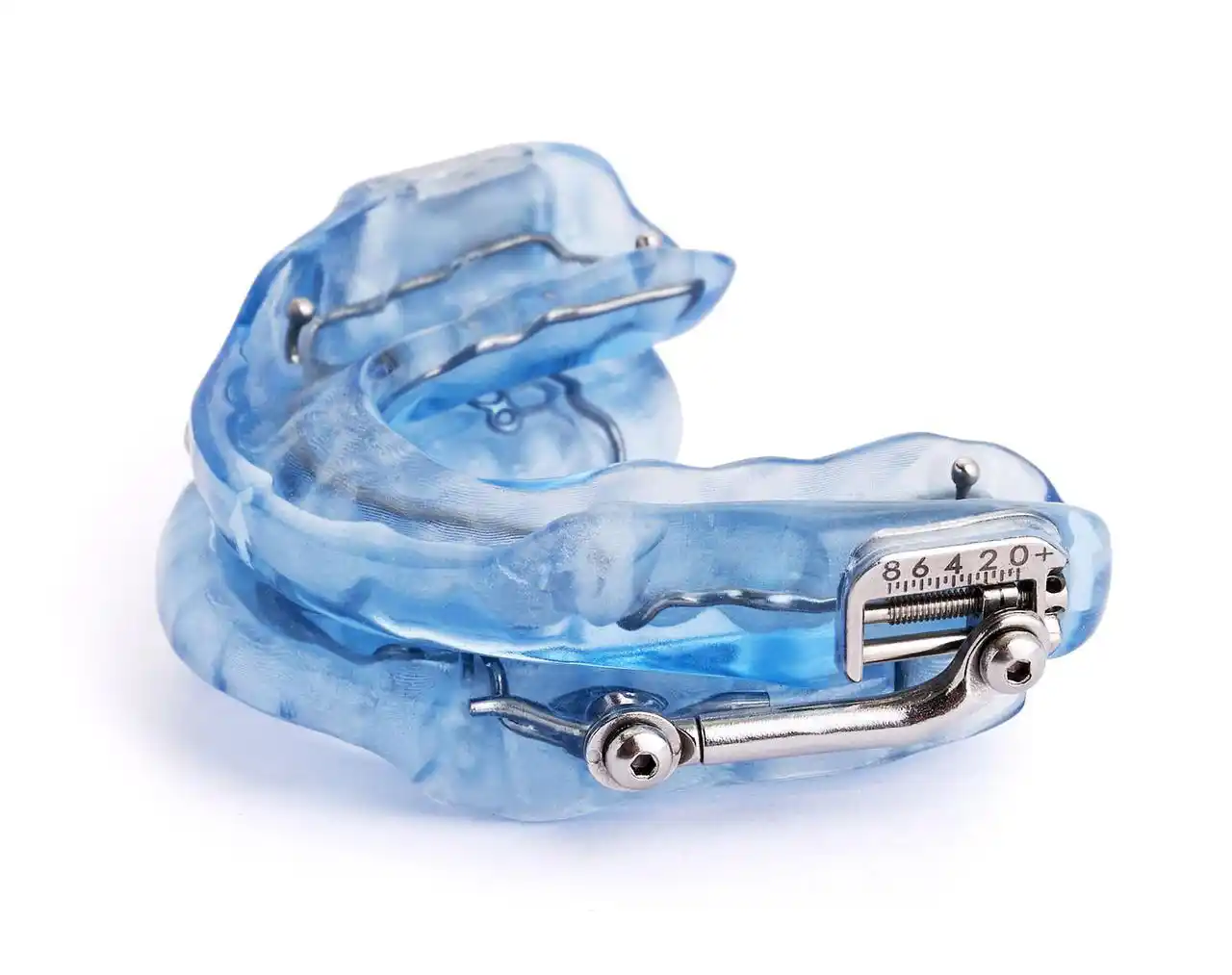
- A custom-molded oral appliance that gently holds your lower jaw forward while you sleep, keeping the airway open — no mask, no motor noise, no distilled water. It fits in a travel case.
- Recognized by the American Academy of Sleep Medicine (AASM) as a first-line treatment for snoring and mild-to-moderate obstructive sleep apnea.
- 3D iTero scanning and CBCT airway volume mapping to fit the device to your exact bite — no messy paste molds.
- Fitting with fine-tuned titration: incremental advancement adjustments to open the airway as far as possible with zero TMJ stress. Most patients adjust within one to two weeks.
Your first visit: answers, not a sales pitch
Every plan starts with a proper diagnosis. We never start with treatment.
We talk through your sleep: snoring, gasping, morning headaches, daytime fatigue, blood pressure — the full picture of what's happening at night.
We arrange a sleep study: an FDA-approved portable at-home sleep test that tracks oxygen, breathing effort, and heart rate in your own bed. We do not do in-lab or in-office sleep studies — the at-home test is interpreted by sleep specialists.
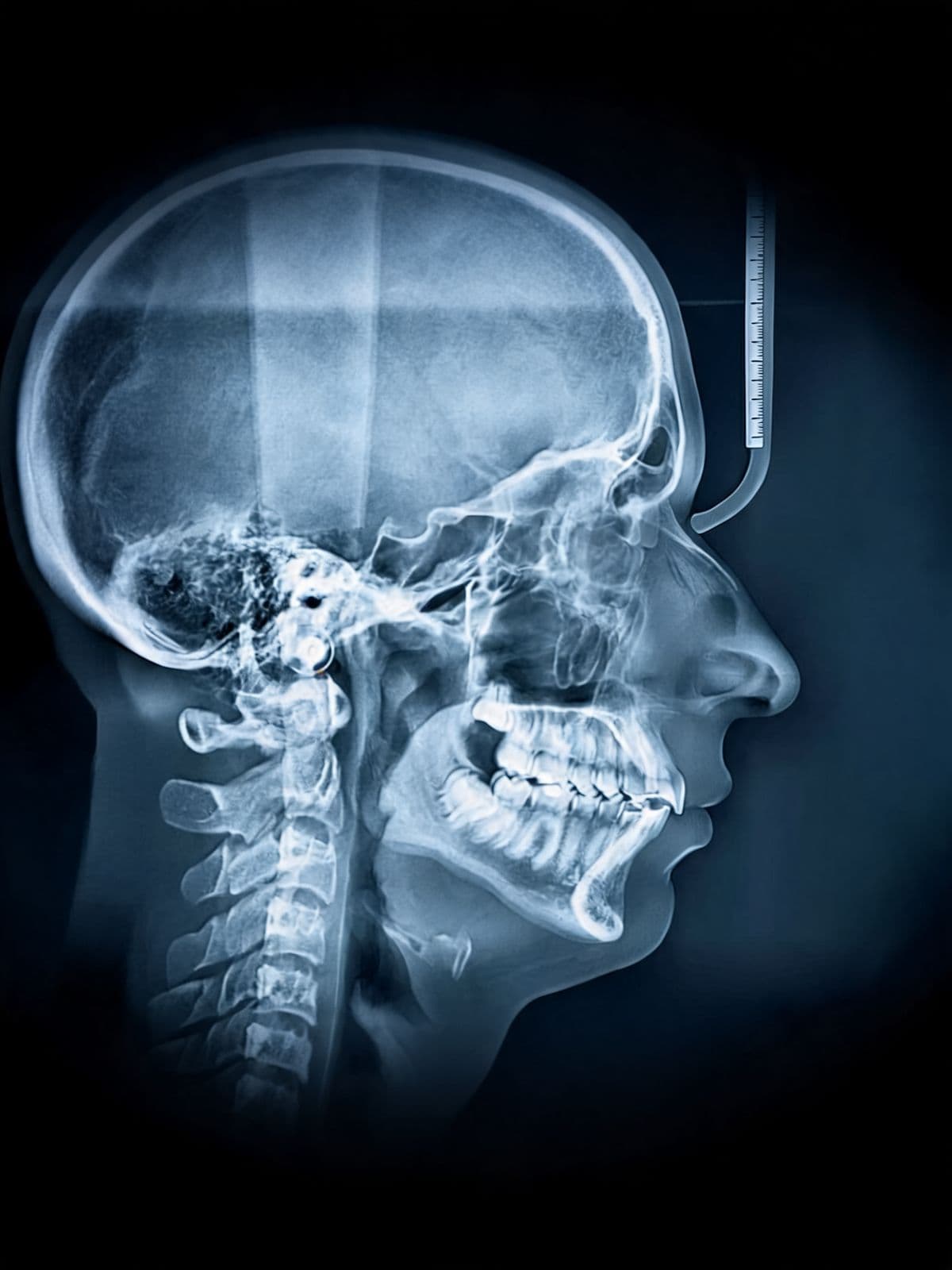
With the diagnosis in hand, we map your airway with iTero 3D scanning and CBCT volume mapping and tell you honestly what your options are — oral appliance, NightLase, MARPE expansion, or CPAP.
A clear plan with honest limits: if you have severe apnea, we say so, and CPAP or a combined approach may be the right call. The point is getting it right, not selling a device.
The honest limits — and why they matter
Oral appliances are best suited for mild to moderate obstructive sleep apnea and primary snoring. Severe cases usually need CPAP or a combined approach.
Severe sleep apnea is a serious medical condition. A dentist who prescribes devices to everyone regardless of severity isn't doing you any favors — the sleep study tells us where you actually stand.
For mild-to-moderate apnea, the AASM recognizes oral appliance therapy as a first-line option — and patients wear it night after night because it's comfortable, which is what actually drives health outcomes.
NightLase laser therapy targets the soft tissue of the throat and works best for primary snoring and mild cases; it can be combined with an oral device when the diagnosis calls for it.
MARPE palatal expansion opens the airways at the structural level — a different path that matters when narrow jaws are part of why someone has apnea.
In Dr. Nina's own words
Two things she's told our patients, verbatim — about MARPE and about NightLase.
MARPE is life-changing because in most cases it's done to open up the airways and reduce the severity of apnea symptoms. It allows oxygen-deprived patients to breathe better, sleep better, and live longer. They leave their fatigue behind, enjoy full restful nights, and increase their attention span, alertness, and productivity.
Dr. Nina Izhaky
MARPE and the airway
We can all benefit from it because as we age, the tissue slackens and becomes droopy. So even if you don't need it when you're young and have no symptoms, as you get older you'll need it to tighten up those back-of-the-throat muscles. And who needs it least? Opera singers — singers in general. They exercise those tissues and keep them tight even with age.
Dr. Nina Izhaky
NightLase, in plain terms
Sleep study first — at home, not in a lab
You don't sleep in a lab bed to get your diagnosis. You sleep in your own bed, with your own pillow, following your normal routine.
- An FDA-approved portable device tracks oxygen saturation, respiratory effort, and heart rate while you sleep naturally.
- Simple setup: a small finger sensor, a chest band, and a soft nasal cannula. No wires taped to your head.
- Sleep specialists review your data and provide a clear diagnosis — then we build your oral appliance or laser plan from it.
- Most patients get results within a few days of the test night.
Sleep apnea dentist in NYC — questions answered
01What does a sleep apnea dentist actually do?
A sleep apnea dentist diagnoses and treats sleep-disordered breathing with dental medicine: at-home sleep testing to find out whether you have apnea and how severe it is, then custom oral appliances, NightLase laser therapy, or MARPE expansion — matched to the diagnosis, not sold off a shelf.
02Do I need a sleep study before treatment?
Yes — a proper diagnosis is essential. We need to confirm whether you have obstructive sleep apnea and how severe it is before recommending anything. We order an FDA-approved at-home sleep test interpreted by sleep specialists; we don't do in-lab or in-office sleep studies.
03Are oral appliances a real alternative to CPAP?
For snoring and mild-to-moderate obstructive sleep apnea, yes: the American Academy of Sleep Medicine (AASM) recognizes oral appliance therapy as a first-line treatment. The custom-molded appliance holds your lower jaw forward to keep the airway open — no mask, no noise, nothing to plug in.
04How long does it take to get used to the device?
Most patients adjust within one to two weeks. Because it's custom-made for your teeth, it feels similar to a retainer or sports mouthguard — far less intrusive than a CPAP mask. Fitting includes fine-tuned titration with zero TMJ stress.
05What if my apnea is severe?
Then we'll tell you that honestly. Severe cases usually need CPAP or a combined approach, and every plan at our office starts with the sleep study precisely so the treatment matches the severity. The first visit is about answers and a plan, not selling a device.
06Do you do sleep studies in the office?
No — we don't do in-lab or in-office sleep studies. When your case calls for a test, we order a medical-grade at-home sleep test through an accredited sleep lab: a finger sensor, chest band, and nasal cannula that track your breathing, oxygen, and heart rate in your own bed, interpreted by sleep specialists.
07Where exactly are you located?
54 Warren Street, New York, NY 10007 — in the heart of Tribeca, between Greenwich Street and West Broadway. Call (212) 561-5303.
Visit us in Manhattan
Tribeca Dental Studio is at 54 Warren Street, New York, NY 10007 — in the heart of Tribeca, between Greenwich Street and West Broadway, steps from the Chambers Street subway hub. We serve Tribeca, SoHo, Battery Park City, the Financial District, and all of Manhattan.
Start with a diagnosis, not a device
Call (212) 561-5303 or book online — find out why you snore, whether you have apnea, and what your real options are.