The Tribeca Dental Studio Journal
Guides and answers from the team at Tribeca Dental Studio, our dental practice at 54 Warren Street in Tribeca, New York. Since 2007 we have cared for adults and children under one roof, and this journal collects what we explain to patients every day: how dental implants and All-on-4 work, how veneers and Invisalign work, why airway health and sleep apnea matter, what to do in a dental emergency, and how children's dentistry supports healthy growth.
Every article is written around the treatments we actually provide — from root canals and wisdom teeth removal to NightLase snoring treatment and MARPE palatal expansion — so you can arrive informed and ask better questions at your visit.

Why You Get Sick on Vacation
You plan the trip for months — then spend the first days of it sick. Dr. Nina Izhaky explains leisure sickness, why it so often points at your sleep, and what to do about it.

Sensitive Teeth: Causes, Care, and When to See a Dentist
Why teeth become sensitive to hot, cold and sweets, what you can do at home, which treatments a dentist can offer, and the warning signs that mean you should book promptly.
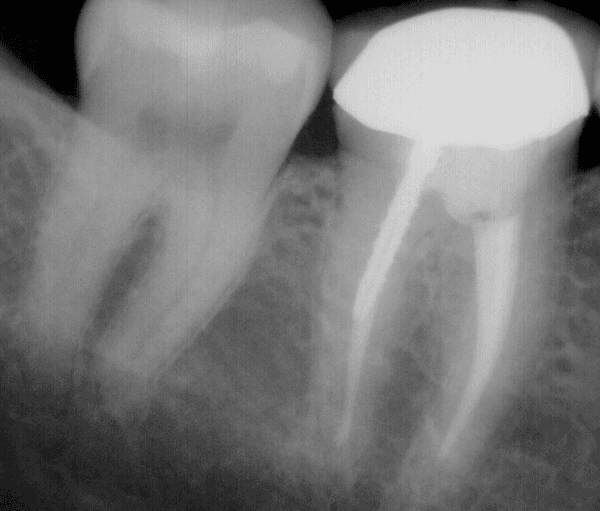
Root Canal Cost in NYC
What a root canal costs in NYC by tooth type, why molars cost more, how insurance and out-of-network benefits really work, and how to get an exact written estimate.
Plaque vs Tartar vs Calculus
Plaque, tartar and calculus explained clearly: what each one is, why tartar and calculus are the same thing, what removes what, and when a professional cleaning is the only answer.

Sinus Pain or Toothache: How to Tell the Difference
Upper teeth aching with a congested nose? Learn the signs that separate sinus pain from a toothache — the bend-over test, one tooth vs many, and when to see a dentist first.
How to Choose a Dental Clinic in Manhattan
Choosing a Manhattan dental clinic? Check specialists in-house, emergency speed, technology, written pricing, review patterns, and credentials — a complete checklist, plus the questions to ask at a first visit.
Tired After the Clock Change? It Might Not Be the Clock
Still exhausted weeks after the clocks change? Dr. Nina Izhaky explains why breathing — not the lost hour — is usually the problem, and what helps.
Advanced Invisalign Provider in Lower Manhattan
Discover expert Invisalign treatment in Lower Manhattan. Call (212) 561-5303 today.
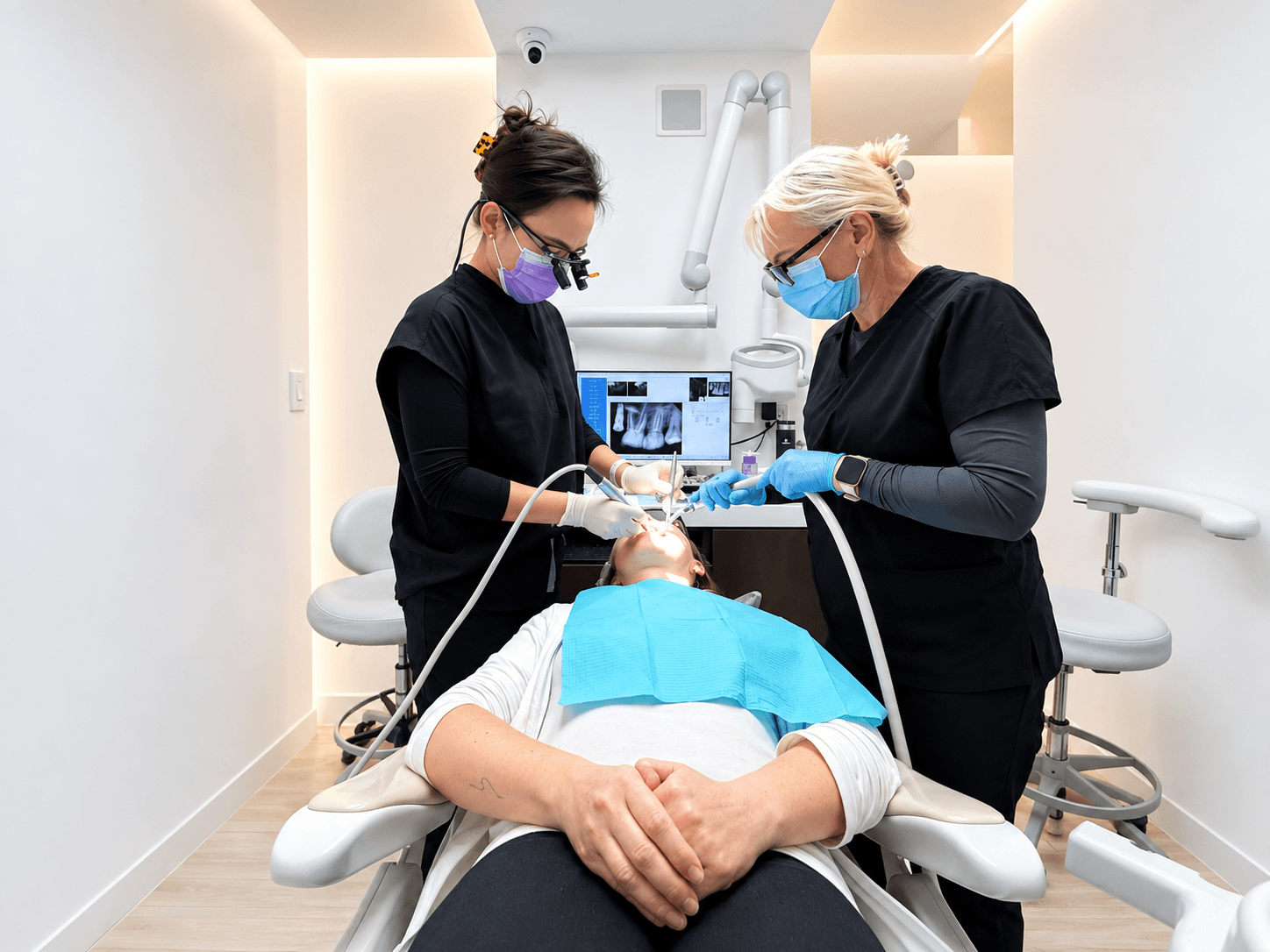
Porcelain Veneers in Tribeca: Complete Guide
Discover the art of porcelain veneers at Tribeca Dental Studio. Call (212) 561-5303 today!
All Articles
- Why You Get Sick on Vacation
- Sensitive Teeth: Causes, Care, and When to See a Dentist
- Root Canal Cost in NYC
- Plaque vs Tartar vs Calculus
- Sinus Pain or Toothache: How to Tell the Difference
- How to Choose a Dental Clinic in Manhattan
- Tired After the Clock Change? It Might Not Be the Clock
- Advanced Invisalign Provider in Lower Manhattan
- Porcelain Veneers in Tribeca: Complete Guide
- Advanced Dental Procedures for Optimal Oral Health
- Early Dental Care: When and Why Your Child Should See a Dentist
- Finding the Best Emergency Dentist in Tribeca, NYC
- 5 Signs Your Child Might Need Braces: A Parent's Guide
- Palatal Expansion for Children: What Parents Should Know
- Missing Teeth Guide: All-on-4 Implants NYC
- Why Regular Dental Cleanings Are Essential for NYC Residents in 2026
- How to Fix an Overbite Even When Your Teeth Look Completely Straight
- Are One Day Implants the Right Choice for Your Smile?
- The Ultimate Guide to Deep Cleaning Tartar and Saving Your Teeth
- Speedy Sparkle: How to Whiten Your Teeth in Record Time
- The Great Debate: Cavity Filling vs. Crown – What's Your Tooth's Best Bet?
- All About the Best Teeth Whitening in Tribeca
- Don't Be So Narrow Minded About Your Palate Treatment
- The Step-by-Step Guide to Zygomatic Surgery
- Temporary Relief: Understanding Your Short-Term Tooth Filling Options
- Find Top-Rated Implant Surgeons: The Best Implants in NYC
- Dental Filling Aftercare: What You Need to Know for Optimal Healing
- The Ultimate Guide to Repairing Chipped Enamel
- Front Tooth Filling: Procedure, Materials & What to Expect
- New York Dental Implants: Expert Care for a Lasting Smile
- Teeth Cleaning in NYC: What to Expect From a Professional Hygiene Visit
- Fitting Your New Tooth Like a Snug Hat
- What to Do When You Chip Your Tooth Enamel
- A Practical Guide to Chipped Tooth Repair Options
- Beyond the Brush: How to Get That Perfect White Smile You've Always Dreamed Of
- Back in Business: Repairing Your Chipped or Broken Molar
- Porcelain Veneers vs Crowns in NYC: The Ultimate Guide
- Tooth Be Told Your Guide to Severe Toothache Relief
- Zygomatic Implants Success Rate and Safety Facts
- Demystifying Dental Fillings: What Happens When You Get a Tooth Filled
- The Material World: Finding Your Perfect Tooth Filling
- Cheat Sheet to Early Gum Disease Signs & Deep Cleaning
- Your Guide to a Brighter Smile: Top-Rated Teeth Whitening in Your City
- Best Dental Implants NYC: Top Providers Guide
- From Cracked to Crowned: How to Fix a Broken Dental Crown
- Shielding Smiles with Dental Sealants and Fluoride
- Zooming Towards a Brighter Smile: Top Professional Whitening Techniques
- The Lifespan of Dental Implants: A Guide to Durability
- The Price of a Perfect Smile: What to Expect for Chipped and Cracked Tooth Repair
- Your Timeline for Zygomatic Implant Healing
- Your Personalized Path to Pain-Free Dentistry: Innovations and Services
- NightLase and Snoring in NYC: What to Know Before Considering Treatment
- Early Signs of Gum Disease You Should Not Ignore
- Dentist-Approved Dazzle: 5 Best Whitening Toothpastes for a Brighter Smile
- Can You Get Dental Implants Without a Bone Graft?
- The Price of a Perfect Smile: Cracked Molar Repair Costs Explained
- No More Ouchies: Treating Early Childhood Caries
- Your Guide to a Restored Smile: From Inlays to Implants
- Beyond the Hype: Discovering the Best LED Whitening Accelerators
- Senior Smiles: The Ultimate Guide to Dental Implants
- Don't Ignore That Chip: A Guide to Your Back Molar Tooth Repair
- The Real Price of Zygomatic Dental Implants
- The Lifespan of Your Smile: When to Consider Dental Filling Replacement
- Budget-Friendly Brightness: Top Over-the-Counter Whitening Solutions for 2026
- Sinus Lift & Bone Grafts: Essential Steps for Successful Dental Implants
- From Chips to Cracks: Understanding All Tooth Repair Options
- The Great Fill-Up: Choosing the Best Material for Your Smile
- Your Dazzling Dozen: Top-Rated Teeth Whitening Solutions for 2026
- Breaking Down the Bill: Chipped Tooth Repair Costs
- Why Zygomatic Implants Beat Bone Grafting Every Time
- The Ultimate Guide to Keeping Your Teeth Squeaky Clean at Home
- Filling the Gap: A Smooth Journey Through Your Dental Filling
- Don't Crack Under Pressure: A Guide to Cracked Tooth Solutions
- Navigating NYC: Where to Get Dental Implants Downtown
- Dental Crown Cost NYC: From Porcelain to Same-Day Savings
- Put the Bite on Bruxism with These Simple Tips
- How to Find the Best Sleep Apnea Treatment in NYC Boroughs
- Brace Yourself for the Best Pediatric Dentist New York NY
- Cheeky Solutions for Missing Teeth
- Speedy Smiles Your Guide to Quick At-Home Teeth Whitening
- Temporary Fillings: Your Short-Term Solution for Cavity Care
- Emergency Broken Tooth Repair: Get Help Fast!
- NYC's Premium Pick: Why Zirconia Implants Are the Clear Choice
- When to Choose an Onlay Over a Full Crown
- Clenching Teeth: Symptoms, Causes, and What It Means for You
- A Guide to Sleep Apnea Devices That Actually Work
- Keep Tribeca Kids Smiling with the Best Local Pediatric Dentists
- Pterygoid Implants: An Investment in Your Smile
- Whiten Your Way The Ultimate Roundup of At-Home Teeth Whitening Solutions
- When Cavities Go Deep: Your Treatment Options
- Don't Chip Out: Everything You Need to Know About Chipped Tooth Repair
- NYC's Tiny Titans: Everything About Mini Dental Implants
- Dental Crown Cost: Average Prices and Insurance Tips
- Don't Grin and Bear It: How to Choose the Best TMJ Doctor in New York City
- Fixing a Narrow Palate Without the Stress
- No More Tears in Brooklyn with These Top Pediatric Dentists
- The Dark Side of Pterygoid Implants: Disadvantages and Risks
- The Ultimate Guide to At-Home Teeth Bleaching Products, Methods, and More
- Filling Gone Rogue: Your Emergency Guide
- From Half-Broken to Whole: Your Guide to Tooth Repair
- Root Canal Recovery: Do You Need a Crown After All?
- Jaw-Dropping Relaxation: Manage Nighttime Tension for Better Sleep
- Why You Stop Breathing at Night: Sleep Apnea Dentist in NYC Explains
- Little Teeth Big Smiles: Finding the Perfect Pediatric Dentist Nearby
- Beyond the Smile Understanding Potential Zygomatic Implant Complications
- Get That Pro Glow: Safe Professional Whitening for Sensitive Teeth
- What's In Your Mouth? A Look at Common Cavity Filling Materials
- Beyond the Crack: Understanding Your Dental Filling Repair Choices
- Chipped Crown? What to Do When Your Dental Work Needs a Fix
- Unlock a Peaceful Night: Natural Cures for Teeth Grinding
- Breathe Easy: Techniques to Correct Mouth Breathing
- Zygomatic vs. Pterygoid: Unpacking Advanced Dental Implant Options
- Don't Wince, Just Whiten: Finding Your Perfect Sensitive Teeth Solution
- Cavity Filling 101: From Numbing to a New Smile
- Uh Oh, My Filling Cracked! Your Go-To Guide for a Quick Fix
- Investing in a Full Smile: What a Full Set of Implants Will Cost You
- Urgent Dental Care in Manhattan Find Your Emergency Dentist Today
- Crown Jewels of NYC: How to Access the Statue of Liberty's Crown
- Jaw-Dropping Solutions: 10 Ways to Stop Clenching Your Jaw at Night
- NYC's Best Kept Secret: Unlocking Health with Myofunctional Therapy
- The Golden Hue: What Natural Yellow Teeth Really Mean for Your Smile
- The Cheeky Truth: What to Expect from Cheek Implants
- Beyond the Basics: Exploring Composite Filling Materials
- Front and Center: Repairing Your Chipped Front Tooth
- Budgeting for a Brilliant Bite: Single Tooth Implant Costs Explained
- Cavity-Free Living: Everything You Need to Know About Fluoride Treatment
- Is Your Broken Tooth a Dental Emergency? What to Do Next
- Beyond Repair: How Cosmetic Crowns Transform Your Teeth
- How to Stop Grinding Teeth in 5 Easy Steps
- Airway Orthodontics in NYC: The Complete A-Z Guide
- Buyer's Guide: Best Pediatric Dentists in NYC for 2026
- The Ins and Outs of Zygomatic Dental Implants
- From Kitchen to Gleam: 10 Natural Ways to Whiten Your Teeth at Home
- The Price of Perfection: Understanding Composite Filling Costs
- Split Decision: Fixing a Tooth That's Broken in Half
- The Ultimate Guide to Dental Sealants for a Stronger Smile
- Immediate Relief: Top Walk-In Dentists in Tribeca
- NYC Dental Crowns: Restore Your Smile, Find Your Dentist
- Sweet Dreams, Silent Jaws: How to Stop Grinding Your Teeth at Night
- Where to Find a Functional Pediatric Airway Dentist Near You
- Find Your Child's Smile: Pediatric Dentists on Williamsbridge Road, Bronx
- Mastering Pterygoid Implant Placement: An Anatomical Guide
- Teeth Whitening Wisdom: What's the Best Way to Get That Gleam?
- NYC Sinus Lift Surgery: What You Need to Know for Dental Implants
- The Real Deal: Cavity Filling Costs With and Without Insurance
- From Chip to Charm: How Dentists Restore Your Smile
- The Truth About Dental Implant Safety: What You Need to Know
- Keep Your Socket Happy: Essential Tips to Avoid Dry Socket
- NYC's Secret to a Cavity-Free Smile
- Coordinated Pediatric Care in Tribeca: Partnership with Dr. Nilay Donmez of First Steps Pediatrics
- Urgent Dental Care NYC: Your Fast Track to Pain Relief
- From Filling to Crown: What You Need to Know for a Stronger Smile
- The Anxious Grinder: How Stress Leads to Teeth Clenching
- Functional & Holistic Airway Dentistry: What Adults Need to Know
- Pediatric Dental & Orthodontic Solutions in the Bronx: A Parent's Handbook
- Unlocking Your Smile: Everything About Pterygoid Implants
- Beyond the Hype: Uncovering the Best Teeth Whitening Solutions
- Why Does a Crowned Tooth Hurt Years Later? Causes, Symptoms, and Treatments
- No More Ouch! Discovering the World of Painless Dental Filling Procedures
- The Price of a Perfect Smile: Your Guide to Chipped Tooth Repair Costs
- No Waiting Game: Immediate Dental Implants in the Big Apple
- The Future is Here: Why Guided Implants Are a Game Changer
- Everything You Need to Know About Sinus Augmentation
- Beyond the Ache: Top Treatments for Dry Socket Pain
- Soothe Your Smile: Conquering Dry Mouth After Tooth Extraction
- Clean Teeth, Clear Coverage: Understanding Insurance and Your Dental Bill
- Dental Implant Aftercare in NYC: Essential Post-Care Tips
- Dry Socket: When to Expect the Pain and How Soon You'll Know
- Mending Your Molar: A Comprehensive Guide to Fractured Tooth Repair
- Routine Dental Cleaning Costs: What to Expect When You're Not Expecting a Bill
- Cracked Tooth, Clear Costs: Understanding Fractured Tooth Repair Expenses
- All About Porcelain Veneer Costs
- Invisalign in NYC:Treatment Process
- Dental Treatment on Anticoagulants: Safe Care for Blood Thinner Patients in Tribeca NYC
- How Long Does Dry Socket Last? Symptoms, Treatment & Prevention
- Best Dental Implants NYC 2025: Zygomatic vs All-on-6 Guide
- Dental Implants for Severe Bone Loss in Tribeca: Zygomatic & Bone Grafting Solutions
- What Is Airway Orthodontics? NYC Airway Dentist Guide for Parents & Adults
- Emergency Dentist Tribeca NYC | Same-Day Relief – Open 7 Days a Week
- Dental Implants for Seniors in 2026: Yes, You’re NEVER Too Old for a Permanent Smile
- The Ultimate Guide to Best Pediatric Dentist in Tribeca
- Baby’s First Dentist Visit NYC
- What Is an Implant Temporary Bridge?
- Why Do Some People Get Gum Recession Even With Good Cleaning?
- Invisalign Cost in NYC: What to Expect at Tribeca Dental Studio
- Veneers in NYC: Cost, Types, Process & Best Dentist in Manhattan
- What Is Myobrace? Benefits, Cost & Results for Kids in NYC
- Biological Dentistry in NYC: What It Is, Benefits & When You Should Choose It
- Dental Fillings in NYC – Natural, Durable & Aesthetic Restorations at Tribeca Dental Studio
- Can MARPE Alone — or Combined With NightLase — Fix Sleep Apnea? (NYC Guide)
- How Long Do Root Canals Last? Longevity, Success Rates & Expert Tips
- Understanding Marpe: Benefits and Techniques
- Cosmetic Dentistry Options to Repair a Chipped Tooth: Effective Smile Restoration Solutions
- Composite Bonding vs Composite Veneers: Which Option is Right for You?
- TMJ Disorder After Wisdom Teeth Removal: Causes, Symptoms, and Treatment Options
- Sore Throat After Wisdom Teeth Removal? Real Causes and Remedies
- Why Do Gums Hurt After Flossing? Simple Fixes That Work Fast
- Foods You Can Eat With Braces: Safe Options for Every Meal
- Permanent Crown Sensitive to Cold and Hot: Causes & Treatment Options
- Can You Get Dry Socket With Stitches? Don’t Miss These Signs!
- How Long Does It Take For a Tooth Nerve to Die? Shocking Truth!
- Why Does It Hurt When I Chew? Common Reasons and Solutions
- Do Braces Fix Overbite or Make It Worse? Find Out Now
- Does Invisalign Change Face Shape? Effects on Jawline, Lips, and Bite
- How To Get Rid of Braces Pain? Effective Tips to Relieve Braces Pain
- How to Reverse Gum Disease? Improve Gum Health Now
- How Often Should You Floss? Know the Best Practices for Dental Care
- Choosing Dental Insurance: What to Review Before You Enroll
- How To Stop Grinding Teeth in Sleep Naturally: Effective Remedies
- How Long Cavities Take to Form And When They Get Worse?
- Does Whitening Mouthwash Work: Is It Worth the Hype?
- Gum Disease and Alzheimer's: Understanding the Research Without Overstating It
- Emergency Dentist in NYC: What to Do When You Need Urgent Dental Care
- When To Stop Using Gauze After Tooth Extraction? Aftercare Guide
- Dental Implant Care in Tribeca: Planning, Placement, and Restoration
- Is Gum Recession Normal? Exploring Causes and Treatment Options
- Laser Gum Treatment in NYC: What Patients Should Know
- Dental Polishing and Prophy-Jet: What to Expect During a Hygiene Visit
- Professional Teeth Whitening in NYC: Options, Expectations, and Aftercare
- Crowns vs. Bridges vs. Implants: Understanding the Differences
- Dental Implants in New York: A Practical Treatment Guide
- Choosing a Dentist in Tribeca: What Personalized Dental Care Should Include
- Restore Your Smile: All-on-4 Implants in NYC
- Regular Teeth Cleaning in NYC: Why Preventive Visits Matter
- Choosing the Right Pediatric Dentist: A Parent's Practical Guide
- Teeth Whitening Myths Debunked: What Really Works for a Brighter Smile
- Tribeca Dental Studio: Modern Technology Meets Personalized Service
- Pediatric Dental Services in New York: A Guide for Families
- Professional Teeth Whitening at Tribeca Dental Studio: What to Know
Dental Care in Tribeca, New York
Tribeca Dental Studio has served Lower Manhattan from 54 Warren Street since 2007. Our practice brings together general dentistry, pediatric dentistry, orthodontics, oral surgery, and periodontics under one roof — so families don't need to travel between offices for different kinds of care.
Dr. Nina Izhaky leads our clinical team with a focus on airway health, dental implants, veneers, and pediatric dentistry. Our approach starts with diagnosis: we find out why a problem exists before recommending treatment. For snoring and sleep apnea, that means identifying the cause — whether it's nasal obstruction, jaw position, or soft tissue — rather than defaulting to a single device or procedure.
We use 3D CBCT imaging, digital planning, and laser dentistry including NightLase for snoring and LANAP for gum disease. Our Biolase laser means most cavities can be treated with no needles, no drill sounds, and no numbness — patients return to work or school right after their visit.
For patients without insurance, our dental plan is $70 per month (normally $100), covering preventive care, exams, and routine visits with no insurance company in the middle. We are located at 54 Warren St, New York, NY 10007, serving Tribeca, SoHo, Battery Park City, the Financial District, and surrounding downtown neighborhoods.
Most people searching for a Tribeca dental practice are really looking for one thing: a dentist in Tribeca they can stay with for years, for everything from cleanings to surgery. That is the idea behind Tribeca dentistry at Tribeca Dental Studio — the right dental expert for every problem under one roof, an expert dentist for implants, another for gums: your Warren Street dentist at 54 Warren Street, so your care never gets handed off to a stranger across town.
Notes From the Studio: What This Blog Is For
This blog exists for the same reason our consultations take the time they take: dental decisions are better when the person making them understands the problem. The articles here are written by the team at Tribeca Dental Studio — the dentists, specialists, and hygienists who do this work every day at 54 Warren St — and they cover the questions patients actually bring through the door. What does an implant really involve, start to finish?
How do you tell ordinary snoring from sleep apnea? When does a child's narrow palate matter, and when is it just a phase? We would rather answer those questions thoroughly here than briefly anywhere.
You will find the writing deliberately plain. We explain the examination and the imaging behind a recommendation, the alternatives we consider, and the trade-offs between them, because that is how the decision is actually made in the treatment room. Where dentistry genuinely has two defensible answers, we say so. Where a popular claim does not survive contact with the evidence, we say that too.
The goal is not to sell a treatment; it is to make you harder to mislead — by anyone, including us.
Implants, Grafting, and Replacing Teeth
Implants generate more questions — and more misleading marketing — than any other topic in dentistry, so they get thorough treatment here. Our implant articles walk through planning on 3D CBCT imaging, why the restoration is designed before the implant is placed, when bone grafting or a sinus lift is genuinely needed, what full-arch options like All-on-4 involve, and how zygomatic implants help when upper bone is severely reduced.
We cover healing timelines, what staged treatment looks like visit by visit, and how implants compare honestly with bridges and dentures for different situations.
You will also find the unglamorous parts: how implant costs are actually composed, why a written plan matters more than a quoted number, what can go wrong and how it is managed, and the maintenance implants require over the years. If you are comparing clinics, these articles double as a checklist — the questions a careful implant practice should be able to answer before it asks for your commitment.
Bring them to your consultation; a good plan survives scrutiny, and we welcome it.
Sleep, Snoring, and the Airway
A third of adults snore, a significant share have sleep apnea, and most have never been tested — so our sleep and airway writing starts with diagnosis.
Articles here explain at-home sleep testing and what its numbers mean, how to recognize the signs of apnea beyond snoring — morning headaches, unrefreshing sleep, a partner's report of paused breathing — and how the airway is evaluated in a dental setting: palate width, tongue position, jaw relationship, and nasal breathing all play a part.
Treatment articles follow the same order the clinic does: diagnosis first, options after. We explain custom oral appliances and how they are fitted and followed, the NightLase laser protocol and what it can and cannot do, expansion orthodontics for airways that are structurally narrow, and the honest boundaries of dental sleep care — when the right answer is medical management instead.
If you snore, or someone who loves you says you do, start here before you buy anything with a shopping-cart checkout.
Children, Growth, and Airway Development
Children's articles on this blog follow growing patients rather than procedures. We write about first visits and how to make them easy, cavity prevention that works in real kitchens, what thumb sucking and pacifiers do to developing teeth, how to read teething without dreading it, and the signs — mouth breathing, restless sleep, crowding that arrives early — that a child's airway and jaw development deserve a closer look.
Expansion, guidance of erupting teeth, and timely orthodontics are covered as development decisions, not cosmetic ones.
Parents will find practical detail: what happens at each kind of appointment, how we plan care for anxious children, what a dental injury needs in the first hour, and how pediatric, orthodontic, and airway care connect when one studio provides all three. The thread running through it is timing. Many childhood dental problems are inexpensive and simple early and complicated late; these articles are written to help you catch the early version.
Our pediatric team at the studio's kids practice sees children from their first tooth through their teens.
Orthodontics and Cosmetic Dentistry
Our orthodontic writing covers the full range: traditional braces and why they remain the reference standard for controlled movement, clear aligners and the cases they suit — and the ones they do not — lingual and accelerated options, and adult expansion with MARPE and skeletal approaches for palates that never fully developed.
Because our orthodontics is airway-aware, these articles connect alignment with breathing and sleep rather than treating straight teeth as the whole objective. Retainers, relapse, and the honest lifespan of a result get their due as well.
Cosmetic articles take the same unsentimental approach. Veneers are planned as dentistry first — bite, gum line, tooth health — and decoration second, and we explain the difference between porcelain, composite, bonding, and whitening for real cases: worn edges, gaps, discoloration that whitening cannot reach, teeth that have already been restored. Digital previews and mock-ups feature because they should: nobody should commit to a new smile they have not seen.
The standard we write to is the one we work to — a result people read as health, not as dentistry.
Gums, Root Canals, Prevention, and Emergencies
The quiet core of dentistry — examinations, hygiene, gum health, fillings, crowns — fills more of this blog than its glamour suggests, because it fills more of a dental life.
Articles here explain periodontal disease in its stages and what LANAP laser therapy changes, root canal treatment with the myths removed, how crowns and bridges are chosen and made to last, and the small symptoms — bleeding gums, a twinge that comes and goes, a filling that feels high — that are worth an early visit rather than a wait-and-see. Prevention is cheaper than reconstruction in every currency: money, time, and teeth.
Emergency guidance is written for the moment you need it: a knocked-out tooth (hold it by the crown, keep it moist, get to us fast), a lost crown, a cracked tooth, pain that arrives at midnight on a weekend. Each article gives the first hour's steps plainly and says honestly what can wait until morning and what cannot.
The studio holds same-day emergency slots every day we are open; call (212) 561-5303 and describe what happened, and we will fit the problem into the day whenever it warrants it.
Reading Here, Then Being Seen
Everything on this blog is general information, and we are careful about what that means. It can prepare you to recognize a problem, ask the right questions, and recognize a thorough answer when you hear one. It cannot diagnose your mouth. If something here matches what you are experiencing, the next step is an examination — bring the article, bring your questions, and expect the answers to be specific to your imaging and your history, in writing, before any treatment begins.
Tribeca Dental Studio is at 54 Warren St in Tribeca, open Monday to Friday from 8:00 AM to 6:00 PM, Saturday from 9:00 AM to 4:00 PM, and open on select Sundays. Book online at any time or call (212) 561-5303. New articles are added as patients ask new questions — if yours is not here yet, ask us at your visit, and it may be soon.
On Prices, Promises, and Second Opinions
Patients find this blog from search results that promise a number — the cost of an implant, the price of veneers, the fee for a root canal — so a word about how we handle numbers here. Where a figure depends on diagnosis, anatomy, materials, and the other work a mouth needs, we explain what drives it instead of printing a price that would be wrong for most readers. Where the studio has a fixed, published answer, we give it.
A quoted number without an examination is marketing; a written plan after one is information, and our articles are written to move you from the first to the second.
The same standard applies to timelines and promises. Healing has a biology, orthodontics has a pace, and lab work has a schedule; articles here describe typical ranges and the reasons they vary rather than the fastest case we have ever seen. If a treatment sounds too simple anywhere — including anywhere on our own site — the questions to ask are what was examined, what was imaged, and what happens if it does not heal as hoped.
Our answers are in these pages; the specific ones for your mouth are in your written plan.
The Mouth Is Not Separate From the Body
Dentistry touches more than teeth, and this blog follows those threads: how sleep-disordered breathing shows up in worn teeth and morning headaches; how gum inflammation tracks with the rest of the body's health; how jaw development in childhood becomes the airway of the adult; why a bite that has quietly collapsed can present as neck pain, broken restorations, or teeth that keep chipping in the same place.
Our airway and occlusion work sits at the center of these questions, and the articles here connect them the way the team discusses them at case reviews.
You will also find our doctors' thinking on judgment calls: when a tooth is worth saving and when it is not, when monitoring beats intervention, when a specialist should lead a case. These are the conversations that decide outcomes long before a drill is picked up. We publish them because patients who understand the reasoning become partners in the plan — and partnered patients, in our experience since 2007, get measurably better dentistry than passive ones.
Who Writes This, and How It Stays Current
A note on who writes here. Articles are drafted from the studio's own case experience and reviewed against current clinical guidance by the doctors who perform the work; technology and treatments are described as we actually use them, including their limits. When the evidence changes — and in implantology, laser care, and sleep dentistry it changes steadily — articles are revised rather than left to age quietly.
Dates matter in medicine, and we treat our older pieces as commitments to revisit, not content to coast on.
If you spot something that seems out of date, or a topic we have not covered that your own dentist could not explain to your satisfaction, tell us. Patient questions are the editorial calendar. Ask at your visit, call (212) 561-5303, or raise it when you book online — the studio is at 54 Warren St in Tribeca, and the same people who answer the phone are the ones who will want your question answered properly.
Comparing Treatments — and Dentists
Some readers land here researching a single decision — aligners or braces, implant or bridge, appliance or laser — and comparisons are where careful writing matters most. Our comparison articles are built the way our consultations are: on criteria, not slogans. What does each option ask of the teeth and bone around it? How long does it last, what maintenance does it carry, what does it cost across its whole life rather than on day one, and for whom is each the wrong answer?
A comparison that cannot name the cases where its subject loses is advertising, and we hold ours to the clinical standard instead.
If you are mid-comparison between practices as well as treatments, use these articles as your interview script. The questions in them — what did you image, what stage comes next and why, what does the written plan total, what happens if healing disappoints — are the questions that separate a plan from a pitch. Any office that answers them completely, including ours, has earned your confidence; any that waves them off has given you information too.
Reading Paths Through This Journal
Start with the problem you actually have, not the treatment you have heard of — that is how this journal is organized, and how the studio itself works. The airway and sleep collection follows the path a snoring patient actually travels: the partner's report, the screening questions, the at-home sleep test, the diagnosis conversation, and then the honest comparison of appliances, laser treatment, and medical routes.
The orthodontics and expansion writing follows growth: what is watched in a seven-year-old, what changes at eleven, what remains possible at thirty-five, and how skeletal width, breathing, and alignment turn out to be one subject rather than three.
And the restorative collections — implants, crowns, veneers — are written backwards from failures we have seen elsewhere: the plan that skipped the bone assessment, the crown on an untreated bite, the cosmetic case done before the gum disease. Reading in that order teaches the judgment the studio applies, which is worth more than any single fact in any single article.
The pediatric writing deserves its own word, because it is where this journal began in spirit. Tribeca families asked the same questions at every recall — about thumb habits and pacifiers, about the first loose tooth that would not loosen, about whether the crowded baby teeth in front of them predicted the crowded adult teeth behind them — and the answers were too long for the appointment and too important to shorten carelessly.
Those articles are written to be read the night before a visit and argued with at it. Where the evidence is genuinely unsettled, the article says so; where the studio's position differs from the internet's average answer, it says that too, and why.
Kept Current, On Purpose
Newer writing appears alongside pieces several years old, and the older pieces are not left as they were published. When a technique's evidence base moves — as it has for laser periodontics, for skeletal expansion in adults, for at-home sleep testing — the relevant articles are re-read against current practice and revised, because a journal that cannot be corrected becomes a museum.
Dates on articles mark their last review, and where an older recommendation has been replaced, the revision says what changed rather than quietly editing the past away. It is slower than publishing and forgetting. It is also the only way a practice journal stays worthy of the trust that brought you to it.
A practical note before you read on: nothing here diagnoses you, and the articles are deliberately written to make you better at the consultation rather than to substitute for it. The examination, the imaging, and your own priorities decide what your plan says. What the reading can do — and what a decade and a half of Tribeca patients tell us it does — is ensure that when the plan is explained, you already understand the vocabulary, the alternatives, and the questions.
That is a better appointment for everyone, and usually a shorter one.
Written at the Level of Your Question
Finally, this journal is indexed the way patients actually search: by the worry, not the procedure code. You will find the same subject treated at different depths — a short answer for the parent standing in a school hallway, a long one for the patient pricing a full-arch plan — because both readers are real, and each deserves writing at the level of their question.
If you arrived from a search engine at midnight, the short answer is near the top of the relevant piece, and it is complete enough to sleep on. The long answer is underneath it, where it belongs.
However you arrived, the door at the end of every article is the same: a consultation at 54 Warren St, bookable online at any hour or by phone at (212) 561-5303 during them — Monday to Friday, 8:00 AM to 6:00 PM; Saturday, 9:00 AM to 4:00 PM; open on select Sundays. Bring the article, bring the question it did not answer, and expect the examination to have the last word.
It always does here, and the journal is written in that knowledge.