Sleep Apnea Symptoms: A Checklist Before Your Visit
I'm Dr. Nina Izhaky. Patients ask me all the time: how do I know if my snoring is actually sleep apnea? A checklist can't diagnose you - but it can tell you whether it's time to come in. These are the symptoms that matter, what they mean, and what a real evaluation looks like when you're done guessing.
The sleep apnea symptoms checklist
Go down this list. The more boxes you check, the more reason to come in for a proper diagnosis.
Check your nights.
Loud, ongoing snoring - especially with choking or gasping episodes. Restless sleep. Waking up to use the bathroom frequently at night. A partner who moved to the other room to get some sleep.
Check your mornings.
Waking with headaches or a dry mouth. Feeling like you never really slept, even after a full night. That heavy, foggy start to the day that coffee barely touches.
Check your days.
Persistent daytime exhaustion, difficulty concentrating, low energy. Brain fog at work, drowsiness at your desk or behind the wheel - signs the night never gave your body what it needed.
Check your health.
High blood pressure that won't come down, heart strain, or type 2 diabetes alongside snoring. Untreated apnea puts real stress on the cardiovascular system - snoring means something is obstructing your airflow, and the only way to know how much is an evaluation.
From checklist to answers: how we triage
Your symptoms decide the next step - not a one-size treatment. Here's the path.
Score your symptoms.
Bring the checklist to your first visit - what you notice at night, what you feel by day, and what your partner has told you. Your daytime symptoms tell us as much as any scan.
The diagnosis visit.
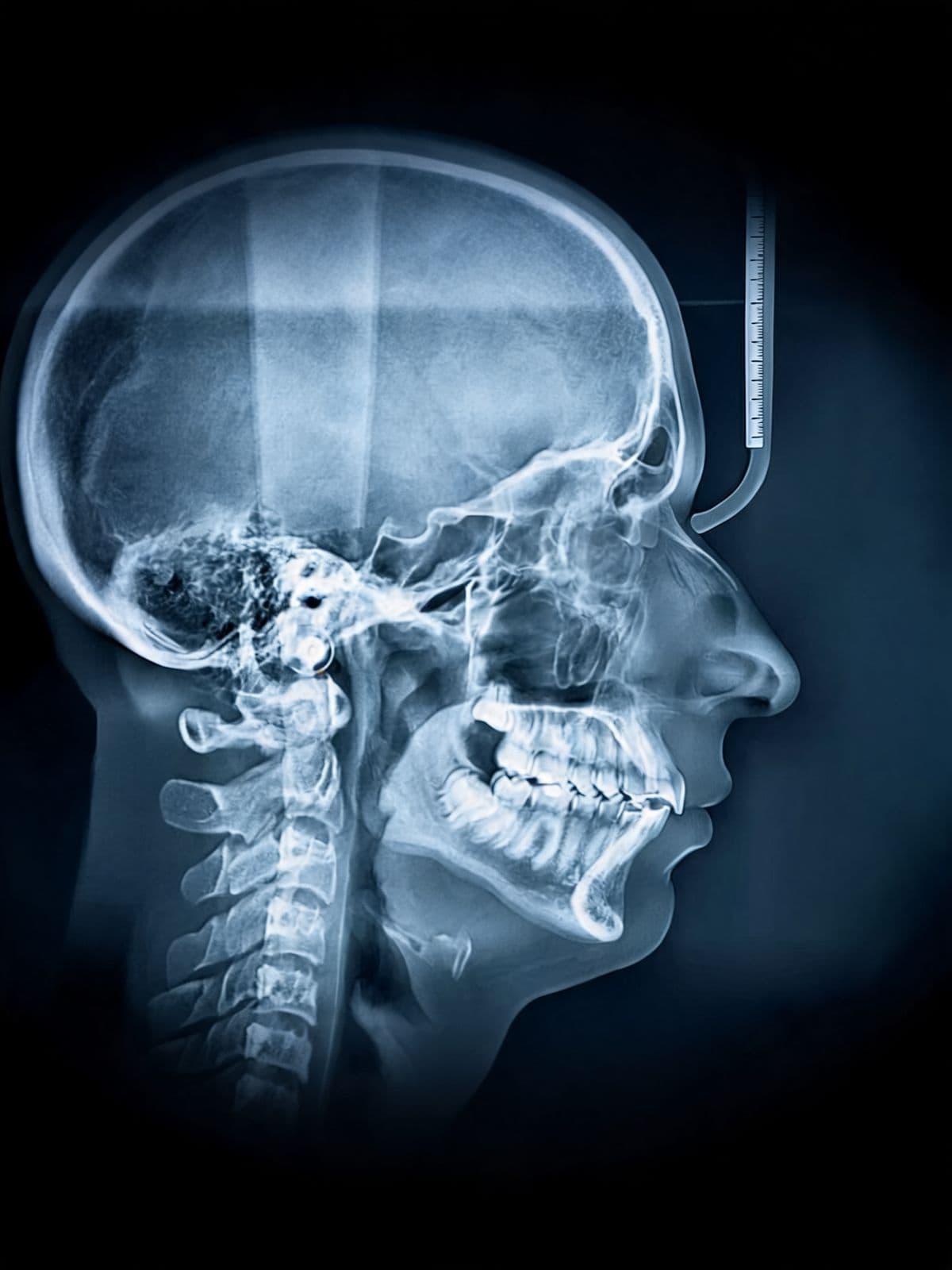
We evaluate your airway - is it narrow, and where exactly does it collapse? Your bite and jaw position, your TMJ, hard and soft tissue. One visit: answers and a plan, not a sales pitch.
Confirm with a sleep study.
When we suspect apnea, we confirm it - usually with an FDA-approved home test in your own bed, or an in-lab study for complex cases. You can't fix what you haven't measured.
Treatment matched to severity.
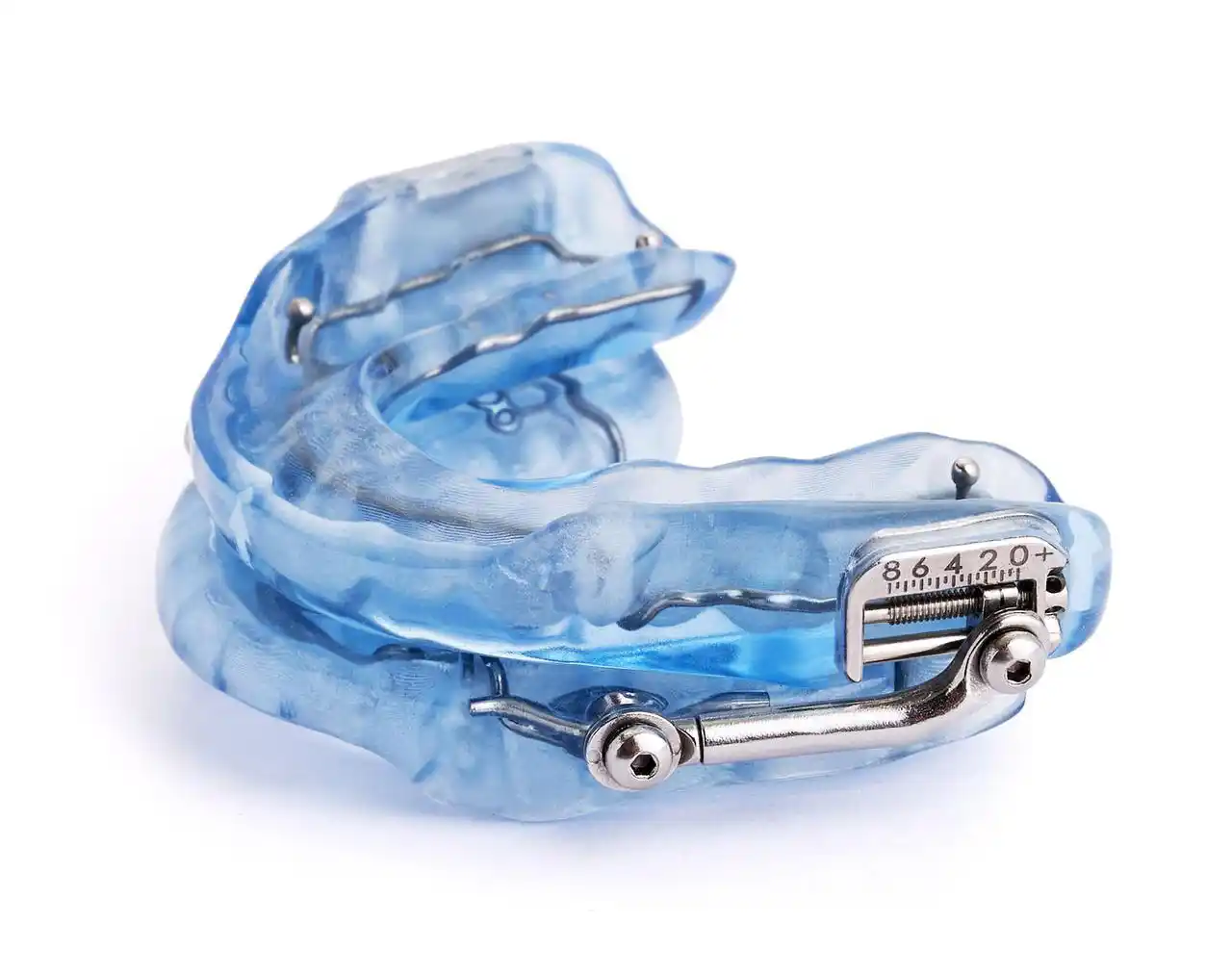
Snoring and mild-to-moderate sleep apnea often respond to a custom oral appliance - a first-line treatment recognized by the American Academy of Sleep Medicine. Severe cases usually need CPAP or a combined approach - and we'll tell you that honestly.
Snoring without apnea still deserves attention
Not everyone who snores has sleep apnea - and if your evaluation shows primary snoring without apnea, that still matters. Snoring means something is obstructing your airflow, and it affects your rest and your partner's. Based on results, we may recommend an oral appliance, NightLase therapy to firm the soft palate tissue whose vibration causes snoring, or an airway evaluation to find the cause. And if your teenager snores: it's common, but it's not something to ignore - teen snoring can signal a narrow airway, and every teenager deserves an airway evaluation before it becomes adult sleep apnea.
Hablamos español
We warmly welcome Spanish-speaking patients. Nuestro equipo le ayuda a entender sus síntomas y su diagnóstico en su idioma - llámenos al (212) 561-5303. No facturamos directamente al seguro; le ayudamos con el financiamiento para que el plan se ajuste a su vida.
Many Causes. The Same Effects.
Here's what I tell every patient who comes in about snoring: there are many different reasons people snore, and many different things that cause sleep apnea - but the effects are the same: decreased life expectancy and lower quality of life. Broken sleep, daytime exhaustion, morning headaches, a partner sleeping in the other room - it all traces back to how you breathe at night.
A checklist can't replace a diagnosis, and I won't pretend it can. But it can do something a search engine can't: give you an honest read on whether your symptoms add up to a problem worth a visit. If several of these boxes sound like your life, don't wait for it to get worse - the evaluation is one visit, and you'll leave with answers and a plan.
Most practices treat snoring as a punchline. We treat it as a health problem with a cause - and our job is to find yours.
Symptom questions, answered
01Can I diagnose sleep apnea from symptoms alone?
No - symptoms point, but only a sleep study confirms. Snoring, gasping, daytime fatigue, and morning headaches are strong signals, but the study tells us whether you have apnea, how severe it is, and what's causing the airway to collapse.
02How many symptoms on the checklist mean I should come in?
There is no magic number. If snoring is disrupting your sleep or your partner's, or daytime fatigue is affecting your work and your life, come in. Even one symptom paired with real-life impact is enough reason for a diagnosis visit.
03My partner says I stop breathing at night. Is that sleep apnea?
Pauses in breathing are the hallmark sign of sleep apnea - your partner may notice them before you do. If you've been told you stop breathing, gasp, or choke at night, treat it as a strong signal and get evaluated.
04What's the difference between snoring and sleep apnea?
Snoring is the sound of soft tissue vibrating as air passes through a narrowed airway. Sleep apnea goes further - breathing pauses repeatedly and oxygen drops. The same obstruction can produce either, and only a study tells you which you're dealing with.
05I snore but I don't have sleep apnea. Should I still come in?
Yes. Snoring means something is obstructing your airflow, and the only way to know how much is an evaluation. Primary snoring without apnea still affects your rest and your partner's - many of our patients are surprised by what we find.
06My child or teenager snores. Should I be worried?
It's common, but it's not something to ignore. Teen snoring can signal a narrow airway that orthodontics can address now - before it becomes adult sleep apnea. Every teenager deserves an airway evaluation; the evaluation is one visit.
07If I have sleep apnea, will I need CPAP?
Not necessarily. For snoring and mild-to-moderate sleep apnea, a custom oral appliance is a first-line treatment. Severe cases usually need CPAP or a combined approach - and we'll tell you honestly which group you're in. Your diagnosis decides the path.
08What happens at the first visit?
Diagnosis. We evaluate your airway - is it narrow, and where does it collapse? - your bite and jaw position, your TMJ, hard and soft tissue, and your symptoms. Then we tell you what's causing it and lay out your options: answers and a plan.
Sleep apnea diagnosis in the heart of Tribeca
Find us at 54 Warren Street, New York, NY 10007 - in the heart of Tribeca, serving patients across Tribeca, SoHo, Battery Park City, the Financial District, and Downtown Manhattan.
Check the boxes. Then get answers.
One visit: a real diagnosis and a plan for how you breathe at night. Call (212) 561-5303 or book online - 54 Warren St, Tribeca.