Snoring & Sleep Apnea Treatment in Tribeca, NYC
I'm Dr. Nina Izhaky. Here's what I tell every patient who comes in about snoring: there are many different reasons people snore, and many different things that cause sleep apnea — but the effects are the same: decreased life expectancy and lower quality of life. Broken sleep, daytime exhaustion, morning headaches, a partner sleeping in the other room — it all traces back to how you breathe at night. Most practices treat snoring as a punchline. We treat it as a health problem with a cause — and our job is to find yours.
Your first visit: answers, not a sales pitch
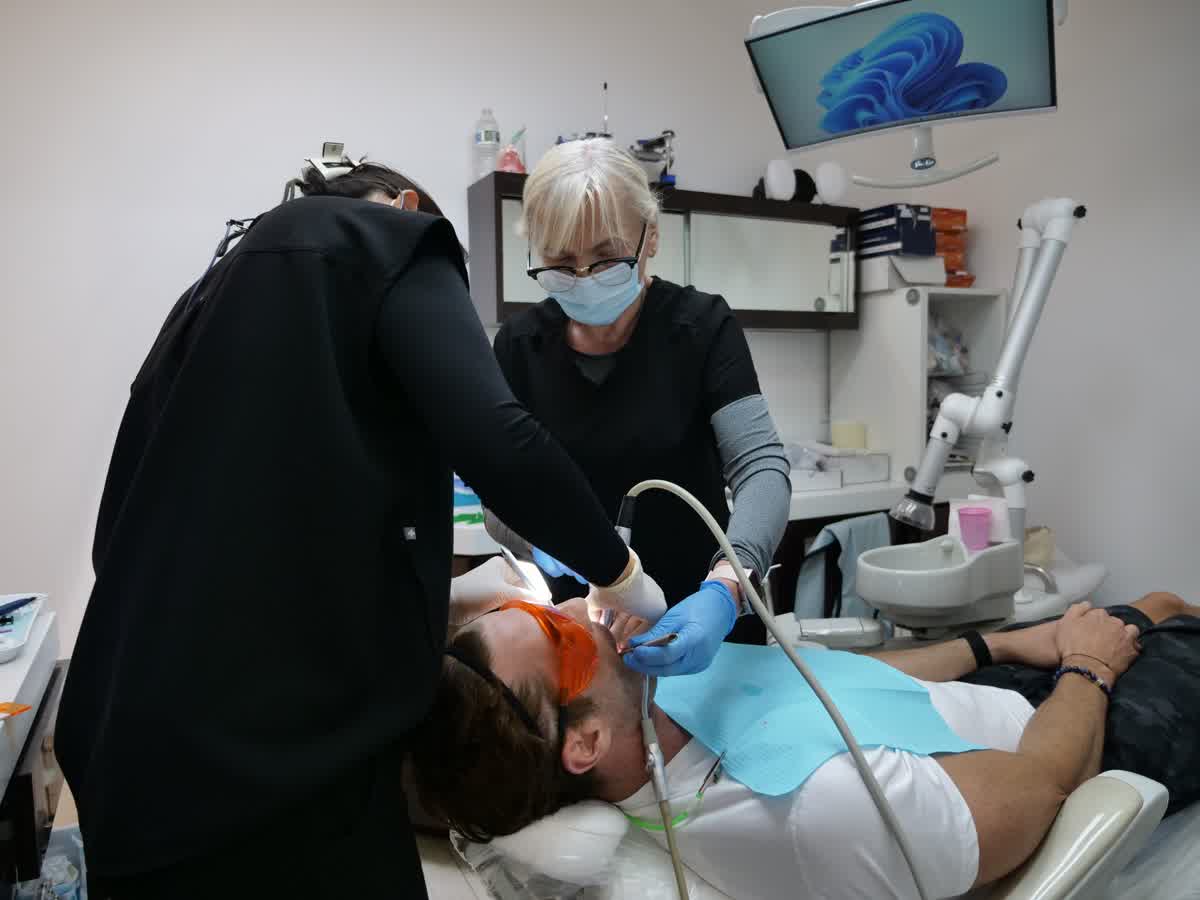
The goal of your first visit is diagnosis. We evaluate your airway, your bite, your TMJ and tissue, and your symptoms — then we tell you what's causing it and lay out your options. The appointment is about getting answers and a plan.
Your airway.
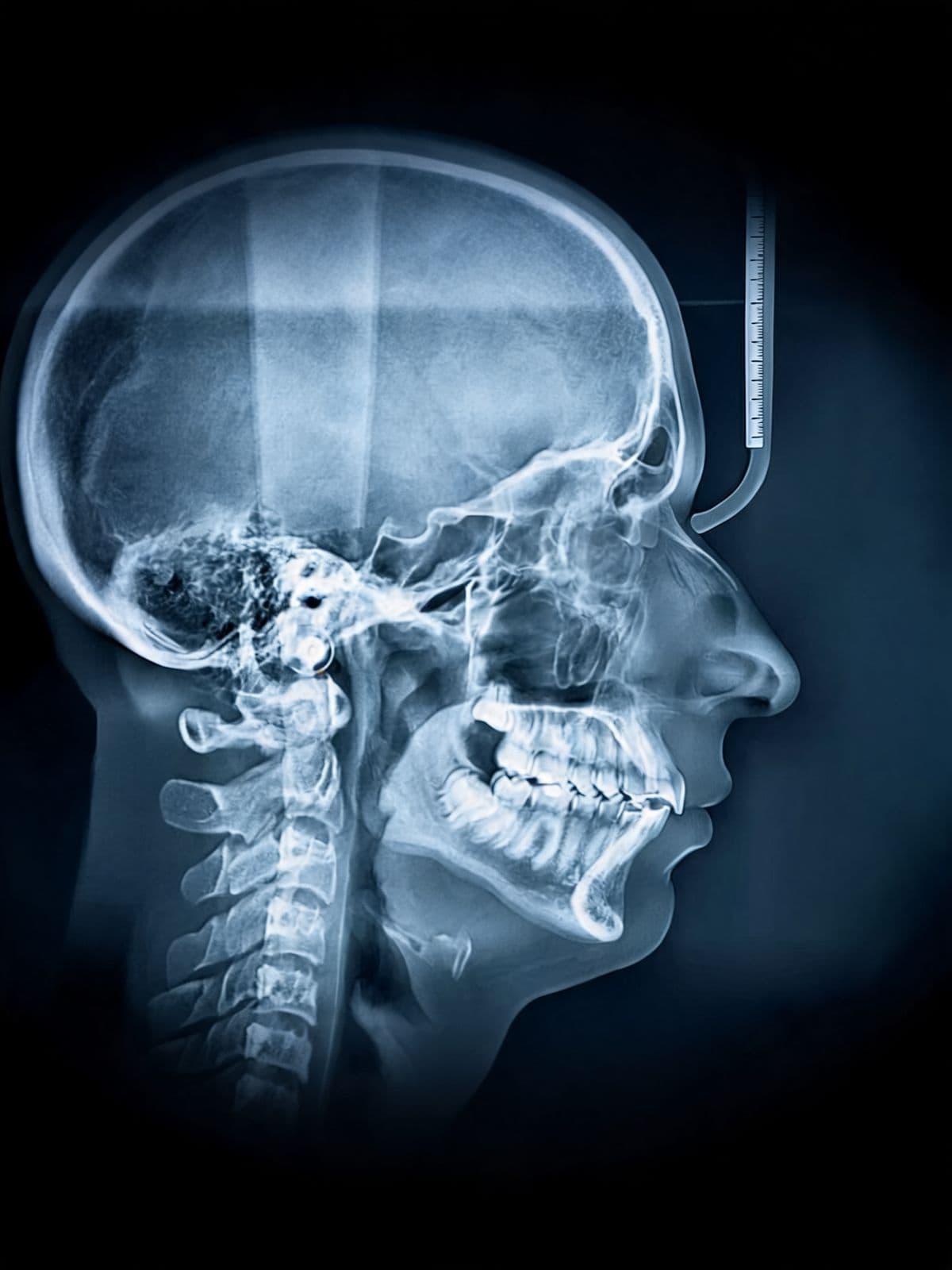
Is it narrow? Where exactly does it collapse or vibrate during sleep?
Your bite and jaw position.
How your jaw sits affects how open your airway stays at night.
Your TMJ, hard tissue, and soft tissue.
The full picture — not just your teeth.
Your symptoms.
What you feel during the day tells us as much as any scan.
How your evaluation works
One visit, a real diagnosis, and a plan — that's the whole first appointment.
The conversation.
We talk through your sleep and symptoms: snoring, daytime exhaustion, morning headaches, a partner sleeping in the other room.
The airway evaluation.
We examine your airway, bite, jaw position, TMJ, hard and soft tissue to find where and why your breathing is restricted.
A diagnosis and a plan.
We tell you what's causing it and lay out your options — NightLase, airway orthodontics, or a combination.
Treatment with a goal.
Quieter nights and deeper sleep. We'll give you exact numbers before anything begins.
NightLase: laser treatment for snoring
NightLase is a gentle laser treatment that tightens and firms the soft tissue at the back of your throat — the tissue whose vibration causes snoring. No surgery, no downtime, no device to wear at night. Most patients do a short series of sessions and notice quieter nights and deeper sleep. It's one tool in our airway approach — and for the right patient, it's the right one. Your evaluation determines that.
Airway orthodontics: fixing the structure
Sometimes snoring traces back to how the jaws and palate developed — a narrow upper jaw, a retruded lower jaw. Our airway-focused orthodontist evaluates teens and adults to widen and reposition what's crowding the airway. Every teenager should have this evaluation — whether they're about to start orthodontics or already in it — because it lays out their options for preventing sleep apnea as an adult.
Snoring Doesn’t Stay the Same — It Gets Louder
Here is a conversation I have almost every week. A patient tells me they never snored in their thirties, and now their partner has moved to the other room. They are a little embarrassed, and I tell them there is nothing to be embarrassed about — it is physics and time. As we age, the tissue slackens and becomes droopy. The same throat that stayed quiet at thirty vibrates at fifty. So even if you never needed help with snoring when you were young, you may need it now.
The clues are in your days, not just your nights. Broken sleep. Daytime exhaustion that coffee does not fix. Morning headaches. A partner sleeping in the other room. Snoring means something is obstructing your airflow, and what you feel during the day tells us as much as any scan. That is why your first visit starts with a conversation about your symptoms — before we look at a single X-ray.
Then we do the real work: we evaluate your airway, your bite, your TMJ and tissue to find where and why your breathing is restricted. Most practices treat snoring as a punchline. We treat it as a health problem with a cause — decreased life expectancy and lower quality of life are the effects, and our job is to find your cause. Then we lay out your options: NightLase, airway orthodontics, or a combination. One visit, a real diagnosis, and a plan. Your evaluation determines that — never a guess, never a one-size-fits-all answer.
We can all benefit from it because as we age, the tissue slackens and becomes droopy. So even if you don't need it when you're young and have no symptoms, as you get older you'll need it to tighten up those back-of-the-throat muscles. And who needs it least? Opera singers — singers in general. They exercise those tissues and keep them tight even with age.
Dr. Nina Izhaky says:
Tribeca Dental Studio
Snoring and sleep apnea questions, answered
01I snore but I don't think I have sleep apnea. Should I still come in?
Yes. Snoring means something is obstructing your airflow, and the only way to know how much is an evaluation. Many of our patients are surprised by what we find.
02What is NightLase and does it hurt?
NightLase uses gentle laser energy to firm the soft palate tissue. It's non-invasive — no cutting, no anesthesia, no recovery time. Most patients describe it as comfortable.
03Do I need a CPAP instead?
Not necessarily. CPAP treats the symptom (keeping the airway open with air pressure). We look for the cause — and for many patients, treating the cause works. If your case truly needs a sleep physician and CPAP, we'll tell you that honestly.
04My teenager snores. Is that normal?
It's common, but it's not something to ignore. Teen snoring often signals a narrow airway that orthodontics can address now — before it becomes adult sleep apnea. Bring them in; the evaluation is one visit.
05How much does treatment cost?
It depends on your diagnosis — NightLase, airway orthodontics, or a combination. We'll give you exact numbers before anything begins and walk you through financing. We don't bill insurance directly.
06Where are you located?
54 Warren Street, New York, NY 10007, in the heart of Tribeca.
07My snoring has gotten worse over the years. Is that normal?
Yes. As we age, the tissue slackens and becomes droopy — the throat that stayed quiet in your thirties can vibrate in your fifties. That is why snoring often starts or worsens later in life, and why it is worth an evaluation rather than just accepting it.
08I tried a CPAP and could not tolerate it. Can you still help?
Many of our patients come to us for exactly that reason. CPAP treats the symptom — keeping the airway open with air pressure. We look for the cause: NightLase to firm the throat tissue, airway orthodontics to fix the structure, or a combination. Your evaluation determines which one fits.
09Does the evaluation look at my bite, too?
Yes. How your jaw sits affects how open your airway stays at night, so we examine your airway, your bite and jaw position, your TMJ, and your hard and soft tissue. It is the full picture — not just your teeth.
Find us in Tribeca
Tribeca Dental Studio is at 54 Warren Street, New York, NY 10007 — in the heart of Tribeca.
Stop guessing. Get answers.
Call (212) 561-5303 for an airway and snoring evaluation — one visit, a real diagnosis, and a plan.