Palatal Expansion for Kids in Tribeca, NYC
I’m Dr. Nina Izhaky. Parents often ask me when the right time is to address a narrow upper jaw — and my honest answer is that there is a real window. In a growing child, the midpalatal suture — the seam where the two halves of the upper jaw meet — is still flexible, so a conventional expander can widen a young palate. Once that suture fuses, around ages 12 to 15, the window for a childhood expander closes. Phase-one expansion, starting around ages 6 to 9, steers early jaw development while growth is on our side — all under one roof at 54 Warren Street.
What is a palatal expander, exactly?
A palatal expander is a custom appliance fitted to a child's upper teeth that gently widens the upper jaw. It works because the roof of the mouth is the floor of the nose, and down its center runs the midpalatal suture — the seam where the two halves of the palate meet. In children that suture is still flexible, so an expander can widen the young palate itself. A childhood expander pushes on the teeth, and it only works while the suture is still growing — which is exactly why the age window matters.
Crowded teeth, narrow smile.
A narrow upper jaw leaves no room for permanent teeth, so they erupt crowded or rotated. Expanding the palate early creates the space teeth were meant to have.
Mouth breathing.
Children who habitually breathe through the mouth — especially when congested — often have a narrow palate underneath. A narrow palate and mouth breathing tend to travel together.
Noisy breathing, restless sleep.
Snoring and waking up tired have many causes, but a narrow palate with a narrow nasal floor is one of them. The floor of the nose sits directly above the palate — widening the maxilla can increase nasal volume and reduce airflow resistance.
The growth window is open.
Conventional expanders work while the midpalatal suture is still flexible, before it fuses around ages 12 to 15. Once fused, a tooth-borne expander can only push the teeth sideways — it cannot widen the jaw itself.
The process, step by step
The evaluation first, as always. We'll tell you straight whether your child is a candidate — or whether the honest answer is to wait.
The conversation first.
We ask about your child's sleep and breathing: does your child wake up tired, breathe through the mouth, wake with a dry mouth, snore? We want to understand the symptoms before we talk about any appliance.
Records and a straight answer.
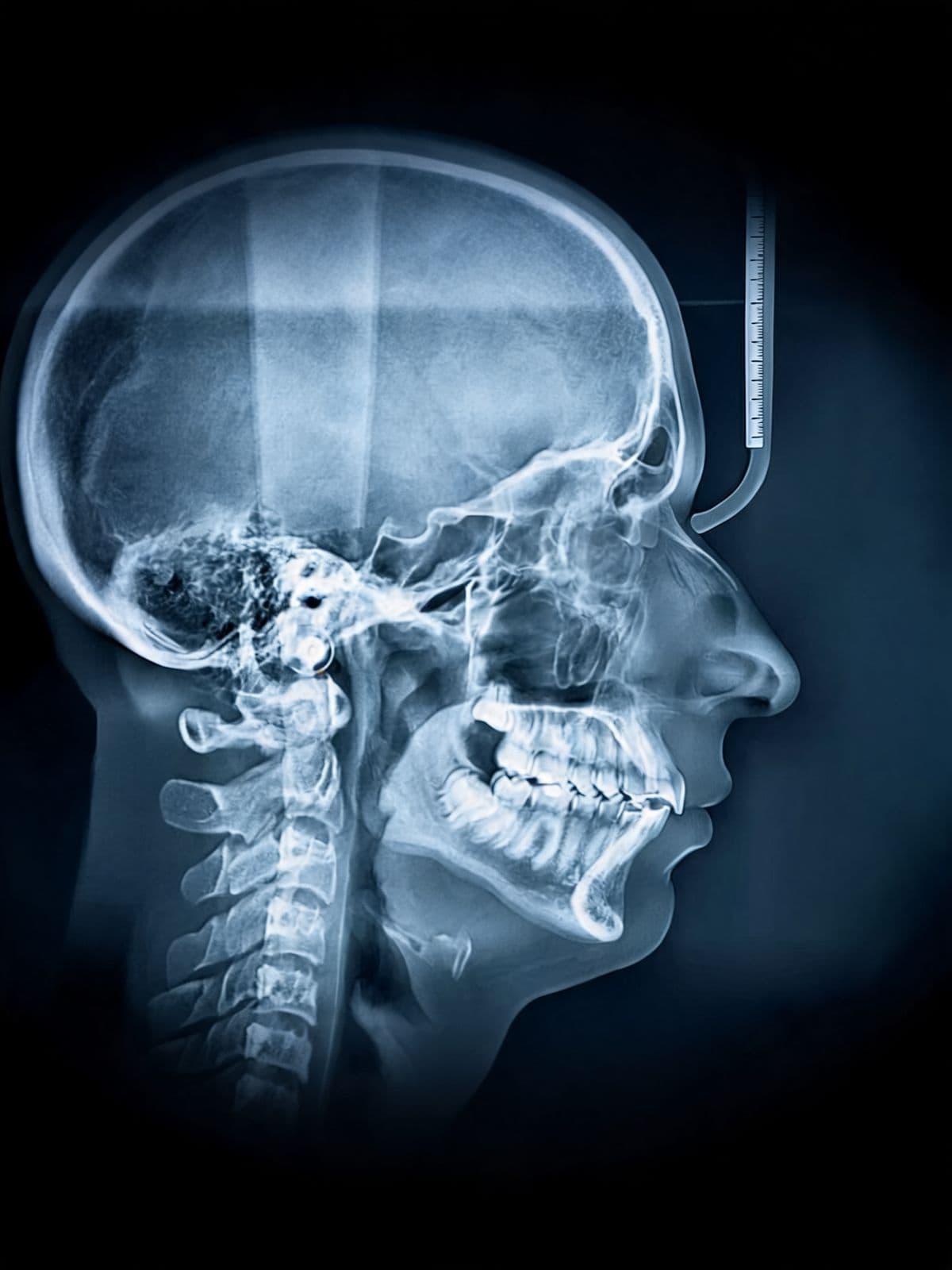
We examine your child's teeth, bite, and palate and take the records we need. If expansion is right, we'll say so — and if waiting or a different approach fits better, we'll say that too.
Expansion while growth is on our side.
A custom expander is fitted to the upper teeth. Because the midpalatal suture is still flexible in a growing child, the appliance widens the young palate — guiding the two halves of the upper jaw apart while nature is cooperating.
Retention, then what comes next.
After active expansion, the palate is held while the bone settles. Phase-one guidance can simplify later orthodontics — it doesn't replace a full plan, but it can make everything that follows shorter and simpler.
Kids vs. adults: why the window matters
A childhood expander pushes on the teeth and only works while the midpalatal suture is still growing. In teens and adults, that suture has fused into solid bone — so we use a different tool: MARPE, miniscrew-assisted rapid palatal expansion, anchors four small titanium miniscrews directly into the palatal bone to separate the fused suture without surgery. Same goal, different mechanics — and your child's evaluation determines which side of the window you're on.
What Expansion Feels Like for Your Child
Parents usually come in worried about one thing and leave thinking about another. They come in about crowded teeth or a narrow smile — and then I ask about sleep. Does your child wake up tired? Breathe through the mouth? Wake with a dry mouth? Snore? Children who habitually breathe through the mouth often have a narrow palate underneath; the two tend to travel together. And a narrow palate with a narrow nasal floor is one of the causes of noisy breathing and restless sleep. So we start with a conversation about symptoms before we talk about any appliance.
If expansion is right, the process is simpler than most parents expect. A custom expander is fitted to your child’s upper teeth, and because the midpalatal suture is still flexible in a growing child, the appliance gently widens the young palate — guiding the two halves of the upper jaw apart while nature is cooperating. After active expansion, the palate is held while the bone settles. Phase-one guidance typically starts around ages 6 to 9, and it can simplify later orthodontics — not replace a full plan, but make everything that follows shorter and simpler.
And if it is not the right time, I will tell you that too. The evaluation comes first, as always: we examine your child’s teeth, bite, and palate, take the records we need, and give you a straight answer — expansion, watch and wait, or neither. The growth window is real, but rushing into the wrong treatment helps nobody. One visit, and you will know exactly where your child stands.
MARPE is life-changing because in most cases it's done to open up the airways and reduce the severity of apnea symptoms. It allows oxygen-deprived patients to breathe better, sleep better, and live longer. They leave their fatigue behind, enjoy full restful nights, and increase their attention span, alertness, and productivity.
Dr. Nina Izhaky says:
Tribeca Dental Studio
Palatal expansion questions, answered
01At what age should my child be evaluated for a palatal expander?
Phase-one guidance typically starts around ages 6 to 9, when it can steer early jaw development. The key is that conventional expanders work while the midpalatal suture is still flexible, before it fuses around ages 12 to 15. An evaluation during the early mixed-dentition years tells us where your child stands.
02How is a kids' expander different from MARPE?
A childhood expander pushes on the teeth and only works while the suture is still growing. MARPE (miniscrew-assisted rapid palatal expansion) is for teens and adults whose suture has fused — four small titanium miniscrews anchor directly into the palatal bone to separate the fused suture without surgery.
03What happens if we wait until my child is older?
Once the midpalatal suture fuses — typically between ages 12 and 15 — a conventional tooth-borne expander can only push the teeth sideways; it cannot widen the jaw itself. Waiting isn't a disaster: bone-anchored options like MARPE and MSE widen the jaw in teens and adults without surgery. But the simple childhood expander only works during the growth window.
04Can expansion help my child's breathing?
The floor of the nose sits directly above the palate, so widening the maxilla can increase nasal volume and reduce airflow resistance — some children breathe more comfortably through the nose after expansion. That said, snoring and restless sleep have many different causes. If your child's symptoms trace to a narrow palate, expansion can help; if not, we'll tell you that during the evaluation.
05Do you accept insurance for kids' expansion?
We work with PPO insurance providers to maximize your orthodontic benefits, and financing is available. We'll review your coverage and exact costs before anything is scheduled.
06Where can I get a palatal expander for my child in Tribeca, NYC?
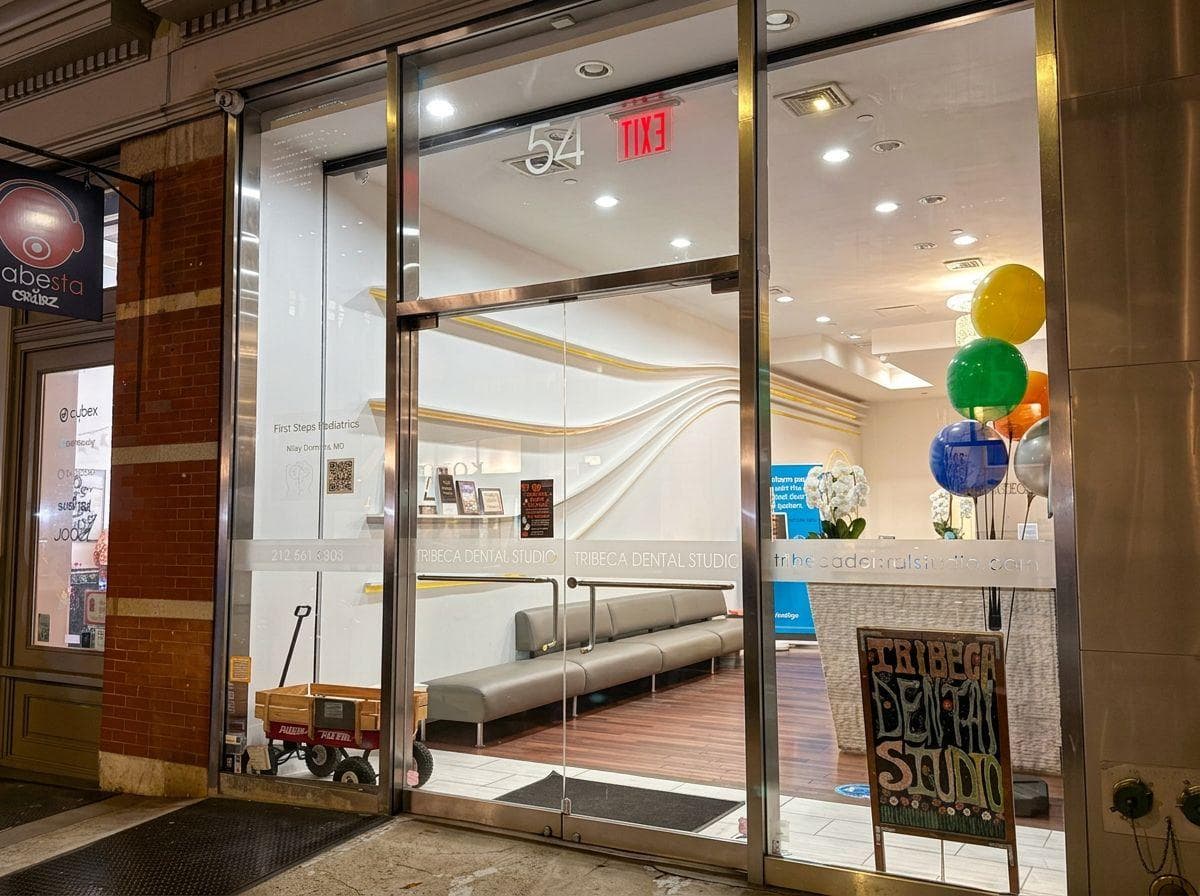
Right here — Tribeca Dental Studio, 54 Warren Street, New York, NY 10007. No external referrals needed; your child's orthodontic care happens under one roof.
07Will my child still need braces after phase-one expansion?
Phase one does not replace a full orthodontic plan — but by creating space while growth is on our side, it can make everything that follows shorter and simpler. At the evaluation we will lay out what the full path looks like, so there are no surprises later.
08My child’s teeth look straight, but they mouth-breathe. Should I still come in?
Yes. Children who habitually breathe through the mouth often have a narrow palate underneath — the two tend to travel together, even when the teeth look fine. Bring them in; we start with a conversation about sleep and breathing before we talk about any appliance.
09What happens at the fitting appointment?
The custom expander is fitted to your child’s upper teeth, and we show you both exactly how it works. Then the gentle widening begins while growth is on our side — and we see you back to make sure everything is progressing as planned.
Find us in Tribeca
Tribeca Dental Studio is at 54 Warren Street, New York, NY 10007 — in the heart of Tribeca.
Find out if your child is in the window
Call (212) 561-5303 for a children's orthodontic evaluation. We'll give you a straight answer — expansion, watch and wait, or neither.