Crowded Teeth
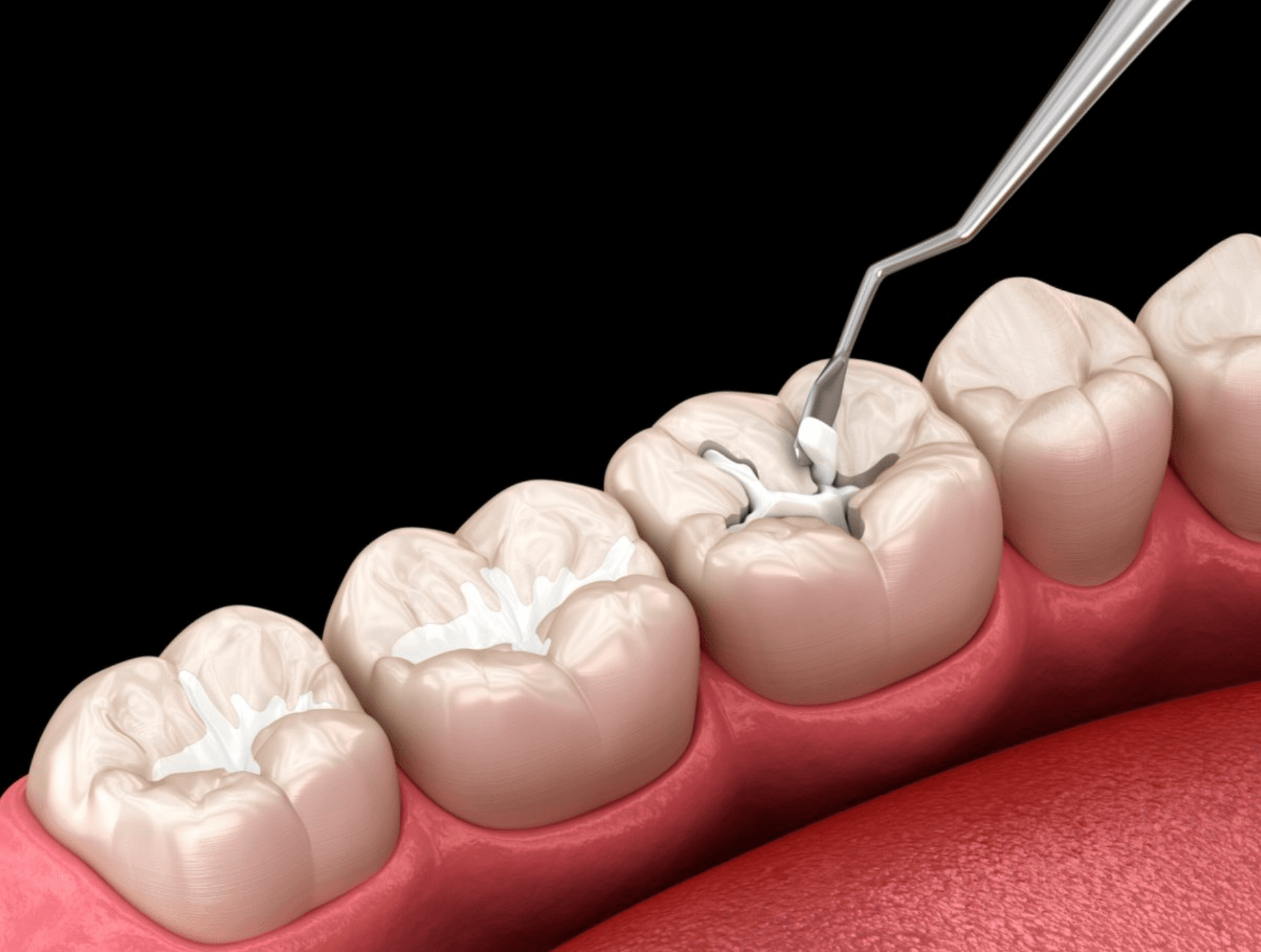
Crowding occurs when there is not enough room in the dental arch for teeth to align normally.
Personalized orthodontic care for children, teens, and adults at Tribeca Dental Studio. Explore traditional braces, lingual braces, Invisalign® clear aligners, airway-focused orthodontics, and individualized treatment planning in Lower Manhattan.
Treatment is planned around your teeth, bite, facial development, oral health, lifestyle, and long-term stability rather than a one-size-fits-all approach.
Board-Certified Orthodontic Care
Orthodontic diagnosis and treatment planning in the heart of Tribeca.
Dr. Reem Abdulrahman is an American Board-certified orthodontist with advanced training in Orthodontics and Craniofacial Orthopedics.
She completed a three-year Orthodontics and Craniofacial Orthopedics residency at Albert Einstein Medical Center in Philadelphia after previous training and clinical experience in general dentistry.
Meet Dr. ReemTraining & Credentials
Different orthodontic systems solve different problems. Your treatment plan should be based on the movements your teeth require, your bite, oral health, growth and development, lifestyle, and personal preferences.
Fixed metal or ceramic brackets provide precise control over tooth movement and can be used for a wide range of alignment and bite concerns.
Explore TreatmentLingual braces are attached behind the teeth, providing fixed orthodontic treatment while making the appliance much less visible from the front.
Explore TreatmentA series of removable clear aligners gradually moves teeth according to a digitally planned sequence. Aligners may be appropriate for selected alignment and bite concerns.
Explore TreatmentAirway-focused orthodontic evaluation considers jaw development, dental arch width, breathing patterns, and other structural factors alongside tooth alignment.
Explore TreatmentOrthodontic evaluation looks at both tooth alignment and how the upper and lower teeth function together.
Crowding occurs when there is not enough room in the dental arch for teeth to align normally.
Orthodontic treatment can help manage unwanted spaces between teeth when tooth movement is clinically appropriate.
An excessive vertical overlap between the upper and lower front teeth may benefit from orthodontic evaluation.
An underbite occurs when the lower teeth or jaw sit ahead of the upper teeth when the mouth closes.
A crossbite occurs when some upper teeth bite inside the lower teeth rather than outside them.
With an open bite, some upper and lower teeth do not meet when the jaws close.
Orthodontic needs change throughout life. Treatment timing and appliance selection should reflect dental development, growth, oral health, and individual goals.
An early orthodontic evaluation can identify concerns involving tooth eruption, crowding, bite development, arch width, and jaw growth. Early evaluation does not necessarily mean immediate treatment.
Teen orthodontic treatment may use fixed braces or removable aligners depending on the bite, tooth movement required, maturity, and ability to follow treatment instructions.
Adults can benefit from orthodontic treatment as long as the teeth and supporting tissues are healthy enough for movement. Discreet options such as lingual braces and clear aligners may be considered when appropriate.
We review your concerns, dental history, tooth alignment, bite relationships, and overall oral health.
Digital scans, photographs, and appropriate imaging may be used to understand tooth position and supporting structures.
Your orthodontist reviews the available options and recommends an approach based on the movements required, treatment goals, and individual anatomy.
Progress is monitored during regular visits, and appliances or aligners are adjusted according to your treatment plan.
After active tooth movement is complete, retainers help maintain the new tooth positions over time.
There is no single orthodontic appliance that is automatically best for every patient. The right choice depends on the movements required and how the treatment fits your needs.
| Feature | Fixed Braces | Invisalign® |
|---|---|---|
| Removable | No | Yes |
| Visibility | Varies by system; lingual braces sit behind the teeth | Clear and discreet |
| Patient Compliance | Fixed in place | Must be worn as prescribed |
| Best Choice | Depends on treatment needs | Depends on treatment needs |
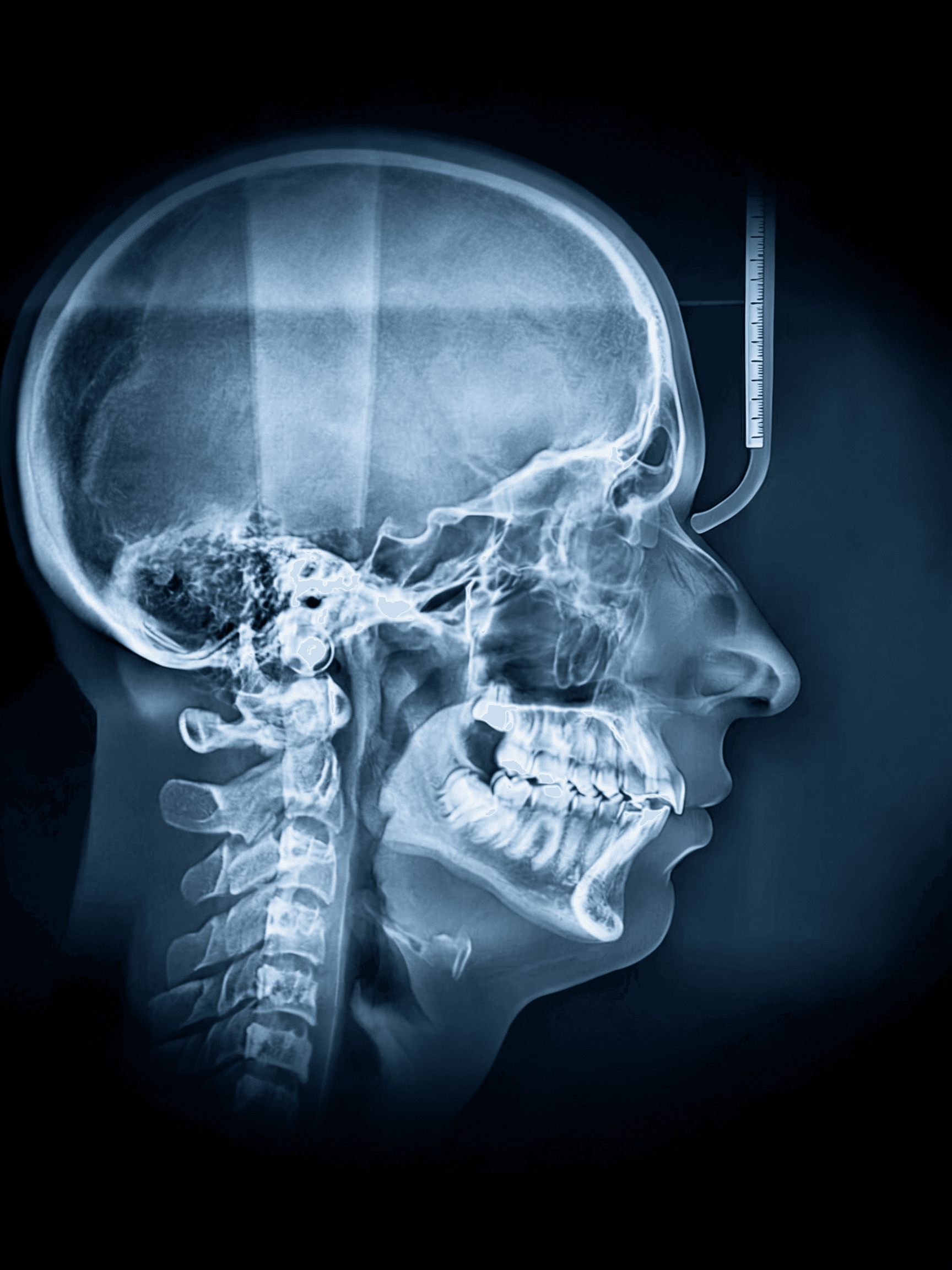
Modern orthodontic planning may combine digital scans, photographs, radiographic imaging, and other diagnostic records to evaluate tooth position, bite relationships, available space, and supporting anatomy.
The diagnostic tools used depend on the individual case. The goal is to plan treatment based on measurable clinical information rather than appearance alone.
Finishing active orthodontic treatment does not mean the process is over. Teeth can shift over time, which is why retention is an important part of maintaining your new alignment.
Your orthodontist will recommend the type of retainer and wear schedule appropriate for your individual treatment.
Learn why tooth alignment and bite relationships are evaluated separately during orthodontic planning.
Explore how orthodontic tooth movement and bite changes can affect the appearance of alignment.
Learn more about our orthodontist and the orthodontic care available at Tribeca Dental Studio.
Tribeca Dental Studio offers several orthodontic approaches, including traditional braces, lingual braces, Invisalign® clear aligners, and airway-focused orthodontic evaluation. The appropriate option depends on your teeth, bite, oral health, age, and treatment goals.
Dr. Reem Abdulrahman is an American Board-certified orthodontist. She completed a three-year Orthodontics and Craniofacial Orthopedics residency at Albert Einstein Medical Center in Philadelphia.
Yes. Adults can undergo orthodontic treatment when their teeth, gums, and supporting structures are healthy enough for tooth movement. The appropriate appliance depends on the movements required and your individual treatment needs.
Neither option is automatically better for every patient. Fixed braces provide continuous tooth movement, while Invisalign uses removable clear aligners. Your orthodontist can recommend an option based on the complexity of the movements required, bite relationships, lifestyle, and treatment goals.
Treatment time varies considerably. It depends on the amount and type of tooth movement required, bite correction, appliance type, growth, biological response, and treatment goals. An individualized estimate can be provided after diagnostic evaluation.
An orthodontic evaluation may be recommended when there are concerns about crowding, bite development, jaw growth, tooth eruption, spacing, or other developmental issues. The timing of treatment is individualized and an early evaluation does not always mean treatment must begin immediately.
Retention is an important part of orthodontic care. Retainers help maintain tooth positions after active treatment. Your orthodontist will recommend the type and wear schedule appropriate for your case.
Tribeca Dental Studio is located at 54 Warren Street, New York, NY 10007, serving patients from Tribeca and throughout Lower Manhattan.
Tribeca Dental Studio provides orthodontic care at 54 Warren Street, New York, NY 10007, serving patients in Tribeca and throughout Lower Manhattan.
Schedule an orthodontic consultation to discuss braces, Invisalign®, lingual braces, airway-focused orthodontics, bite concerns, or questions about your child's dental development.