Veneers vs Dental Bonding: Which One Do You Actually Need?
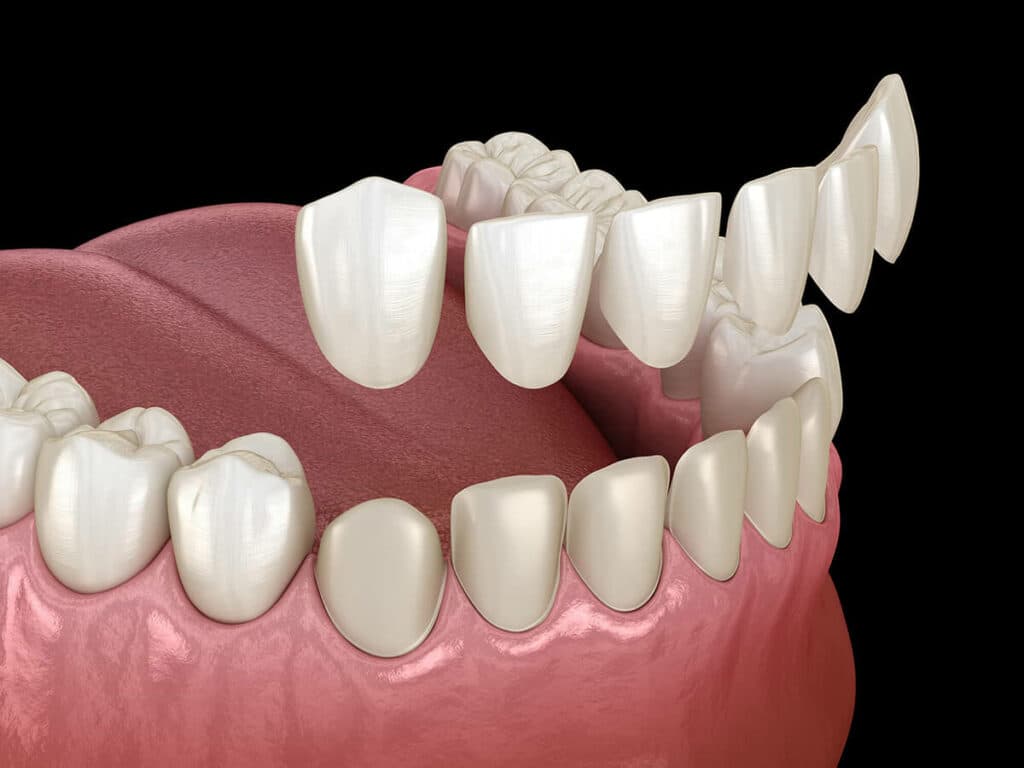
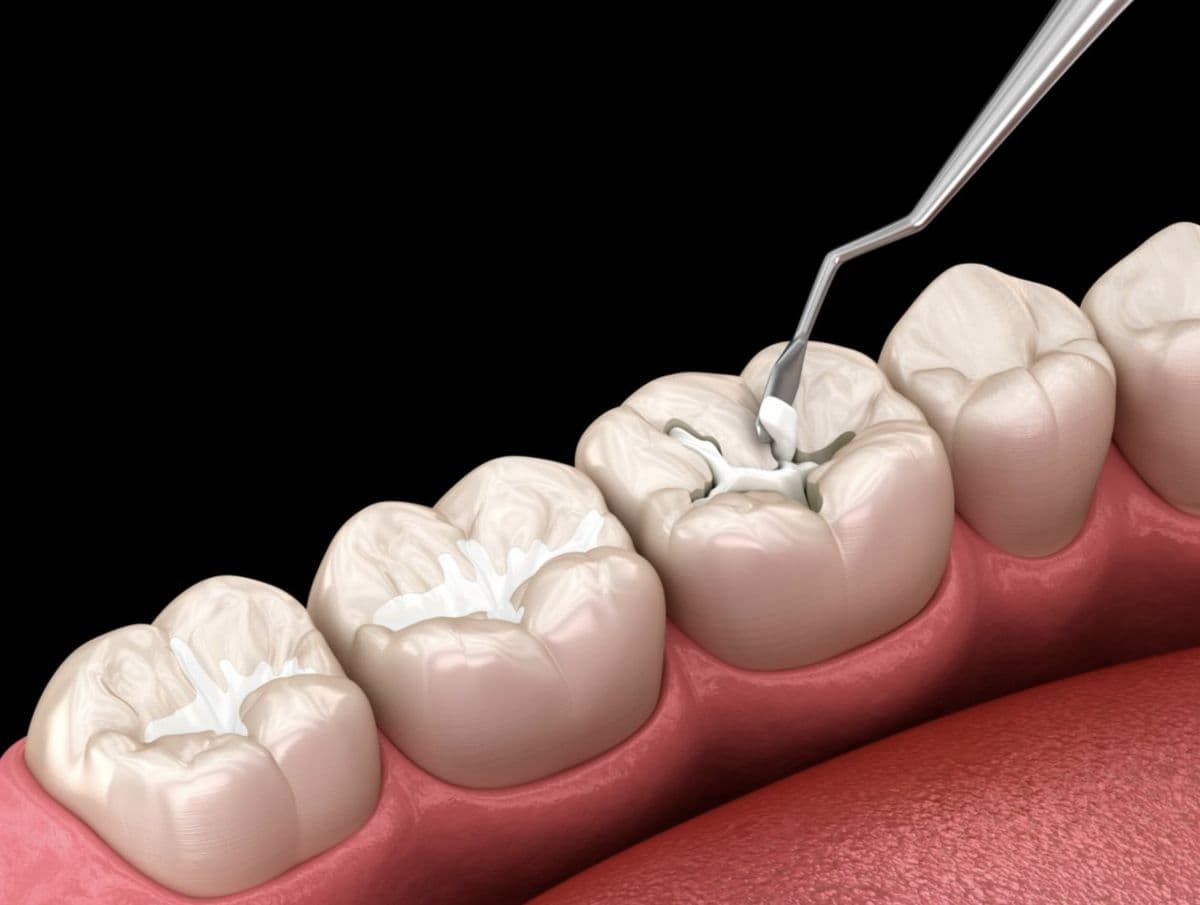
I'm Dr. Nina Izhaky. Patients come in asking for veneers when what they really need is bonding - and sometimes the reverse. So here's the honest map. Dental bonding is tooth-colored composite resin sculpted directly onto your tooth in the dentist's chair: it fixes small chips, worn edges, minor gaps, and shape refinements. No lab, no temporaries. Veneers are handcrafted ceramic shells - 0.2 to 0.5mm - made by a master ceramist for full transformations of color, shape, and size, lasting 10-20+ years. Same family, different jobs.
The honest comparison, side by side
Bonding and veneers aren't competitors - they're different tools. Here's when each one is the right tool.
Dental bonding
Fixes small, targeted problems.
Small chips or worn incisal edges, minor gaps between otherwise healthy teeth, uneven tooth shape, length, or symmetry, and localized discoloration that doesn't need full coverage.
Done directly, no lab.
The resin is sculpted and polished on your tooth in the chair - no laboratory-made restoration, no temporaries, no second visit.
Most conservative option.
Bonding works best for targeted refinements where the change is small. We always evaluate the tooth for decay, deeper fractures, and old restorations first.
Lower cost, shorter lifespan.
A smaller investment, but composite needs periodic polishing and eventually replacement - it's a refinement, not a decades-long transformation.
Mindful of grinding.
Heavy grinding, clenching, nail biting, or using front teeth on hard objects can increase stress on composite edges - we factor that into the recommendation.
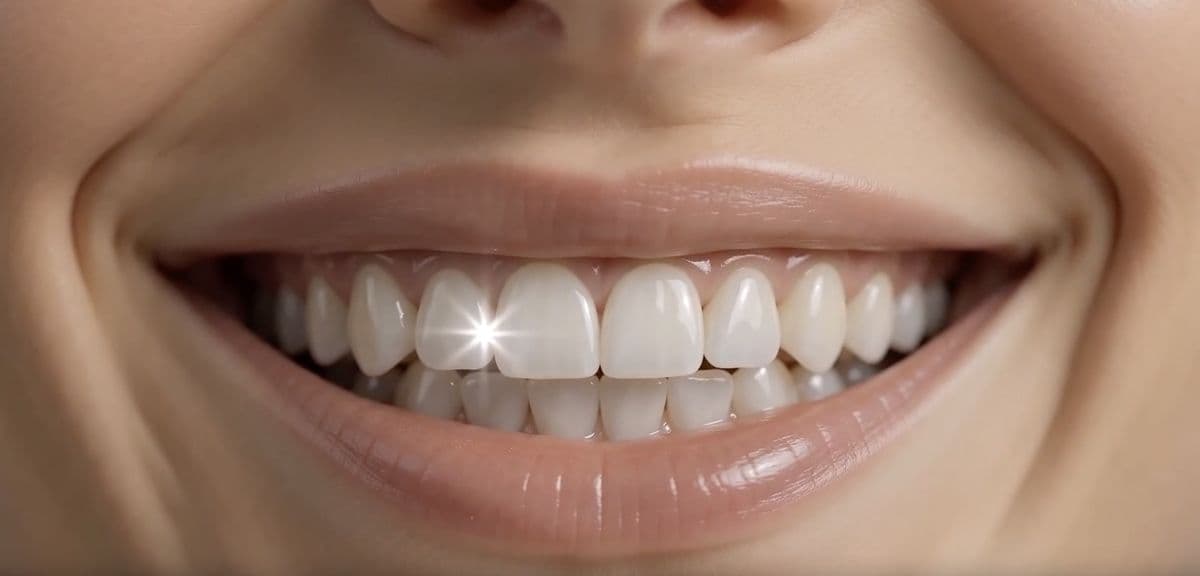
Porcelain veneers
Transforms the whole smile.
Full changes in color, shape, and proportion - closing gaps, evening the smile arc, blending shade across eight to ten teeth designed as a set.
Hand-layered by master ceramists.
Each shell is built layer by layer - feldspathic or IPS e.max® porcelain - to catch light like real enamel, matched to your lips, skin tone, and facial proportions.
Micro-prep, then bonded.
We contour 0.2 to 0.5mm of outer enamel, place custom temporaries shaped like your final veneers, then bond permanently with dual-cure resin.
10-20+ years, stain proof.
Porcelain doesn't discolor or fade. With brushing, flossing, and six-month cleanings, a veneer makeover holds its look for decades.
Designed before it's made.
High-resolution 3D scans, digital smile design, and a try-on smile in your mouth - you approve the result before anything is permanent.
How we decide: bonding or veneers
The size of the change you're after is what decides. Not the price, not the trend.
We look at the size of the change.
One chipped corner, one minor gap, one worn edge - bonding. Color, shape, and size changing across your whole smile - veneers. The scale of the transformation points to the tool.
We evaluate the tooth underneath.
Before any cosmetic work, we check for decay, deeper fractures, old restorations, and structural weakness. A veneer or bonding placed over an unhealthy tooth is a repair waiting to fail.
We check your habits.
Grinding, clenching, nail biting - these put extra stress on composite edges. If you're a heavy grinder, veneers with a nighttime guard may actually protect your investment better.
You see the recommendation, then decide.
We explain which treatment fits your goal and why - and if the honest answer is 'neither, you need alignment first,' we tell you that too. Your exact price comes before anything begins.
The mistake I see most: bonding a job that needed veneers
The most common bonding mistake isn't choosing bonding - it's choosing bonding for the wrong job. When someone needs a full color and shape transformation across their smile and gets composite instead, here's what happens: the color drifts within a couple of years, the edges pick up stains, and they're back in the chair for polishing - and eventually redoing the whole thing. Larger changes in color, alignment, or tooth position call for another approach - that's not my opinion, it's how the material behaves. Bonding is brilliant at what it's for: targeted refinements. Ask it to do a veneer's job and it will show you exactly where the line is.
Hablamos español
We warmly welcome Spanish-speaking patients. Nuestro equipo le explica con honestidad si su caso se resuelve con adhesión dental o con carillas, en su idioma - llámenos al (212) 561-5303. No facturamos directamente al seguro; le ayudamos con el financiamiento para que el plan se ajuste a su vida.
The $300 Question Nobody Asks
There's a question patients never ask me, and it's the most important one: 'Is my problem big enough for veneers?' Because everyone assumes veneers are the premium answer and bonding is the budget answer - and neither is true. They're answers to different questions. A tiny chip on an otherwise perfect tooth doesn't become a veneer case because veneers are 'better.' It stays a bonding case because bonding is the right tool.
I think about it the way a carpenter thinks about tools. You don't use a chisel to frame a house, and you don't use a circular saw to carve a detail. Bonding is the chisel: precise, conservative, perfect for small refinements on healthy teeth. Veneers are the full workshop: design, handcraft, transformation. When a dentist reaches for the wrong tool - veneers for a chip, bonding for a makeover - the patient pays twice. Once for the treatment, once for the redo.
So at your consultation, expect me to ask you to point at exactly what bothers you. One tooth? Four teeth? The color, the shape, the gaps? Then I'll tell you which tool fits - and show you why. If bonding does the job, I'll say so, even though veneers cost more. Because the cheapest treatment that works is always the right one, and the most expensive treatment that fails is always the wrong one.
“The cheapest treatment that works is always the right one, and the most expensive treatment that fails is always the wrong one.”
— Dr. Nina Izhaky, Tribeca Dental Studio
Veneers vs bonding, answered
01What is the difference between veneers and dental bonding?
Dental bonding is tooth-colored composite resin sculpted directly onto your tooth in the chair - for small chips, worn edges, minor gaps, and shape refinements, no lab involved. Veneers are handcrafted ceramic shells (0.2-0.5mm) made by a master ceramist for full transformations of color, shape, and size - lasting 10-20+ years.
02Which lasts longer - bonding or veneers?
Veneers, by a wide margin. Handcrafted porcelain veneers last 10-20+ years and are stain proof. Dental bonding is composite resin - it can stain over time, needs periodic polishing, and eventually needs replacement.
03Is bonding cheaper than veneers?
Yes - bonding is a much smaller investment per tooth: no lab, no ceramist, usually one visit. But it's for small, targeted fixes. If your goal is a full smile transformation, veneers are the treatment built for that job.
04Can bonding close a gap between my teeth?
A minor gap between otherwise healthy teeth - yes, that's one of bonding's best uses. Larger gaps, or gaps combined with color and shape changes, are usually better served by veneers. We'll evaluate and tell you honestly.
05Can bonding fix a chipped tooth?
Small chips and worn incisal edges are exactly what bonding is for. But first we evaluate the tooth for decay, deeper fractures, and structural weakness - cosmetic work goes on healthy teeth only.
06Will bonding look as natural as veneers?
For small fixes, bonding looks excellent - the resin is shade-matched and polished to blend with your enamel. But hand-layered porcelain has a translucency and depth that composite can't match, which is why full smile makeovers use veneers.
07Does bonding damage your teeth?
Bonding is one of the most conservative cosmetic treatments there is - minimal to no tooth removal. Veneers remove only 0.2 to 0.5mm of outer enamel. Both preserve your natural tooth structure.
08I grind my teeth. Which is safer?
Grinding, clenching, and nail biting put extra stress on composite bonding edges. If you're a heavy grinder, porcelain veneers - plus a nighttime guard - usually protect your investment better. We evaluate your habits at the consultation.
09Can I get bonding now and veneers later?
Absolutely. Bonding is a great interim step - fix the chip now, plan the full transformation later. Nothing about bonding prevents veneers down the road.
010How do I know which one I need?
Point at what bothers you at your consultation, and we'll tell you. One small fix: bonding. Full color, shape, and proportion change: veneers. Neither: we'll say that too. Call (212) 561-5303 or book online.
Veneers in the heart of Tribeca
Find us at 54 Warren Street, New York, NY 10007 - in the heart of Tribeca, serving patients across Tribeca, SoHo, Battery Park City, the Financial District, and Downtown Manhattan.
Bonding or veneers - let's match the tool to the job
One evaluation, one honest recommendation, one exact price. Call (212) 561-5303 or book online - we'll tell you which treatment fits your teeth and your goals.