Snoring Treatment in NYC
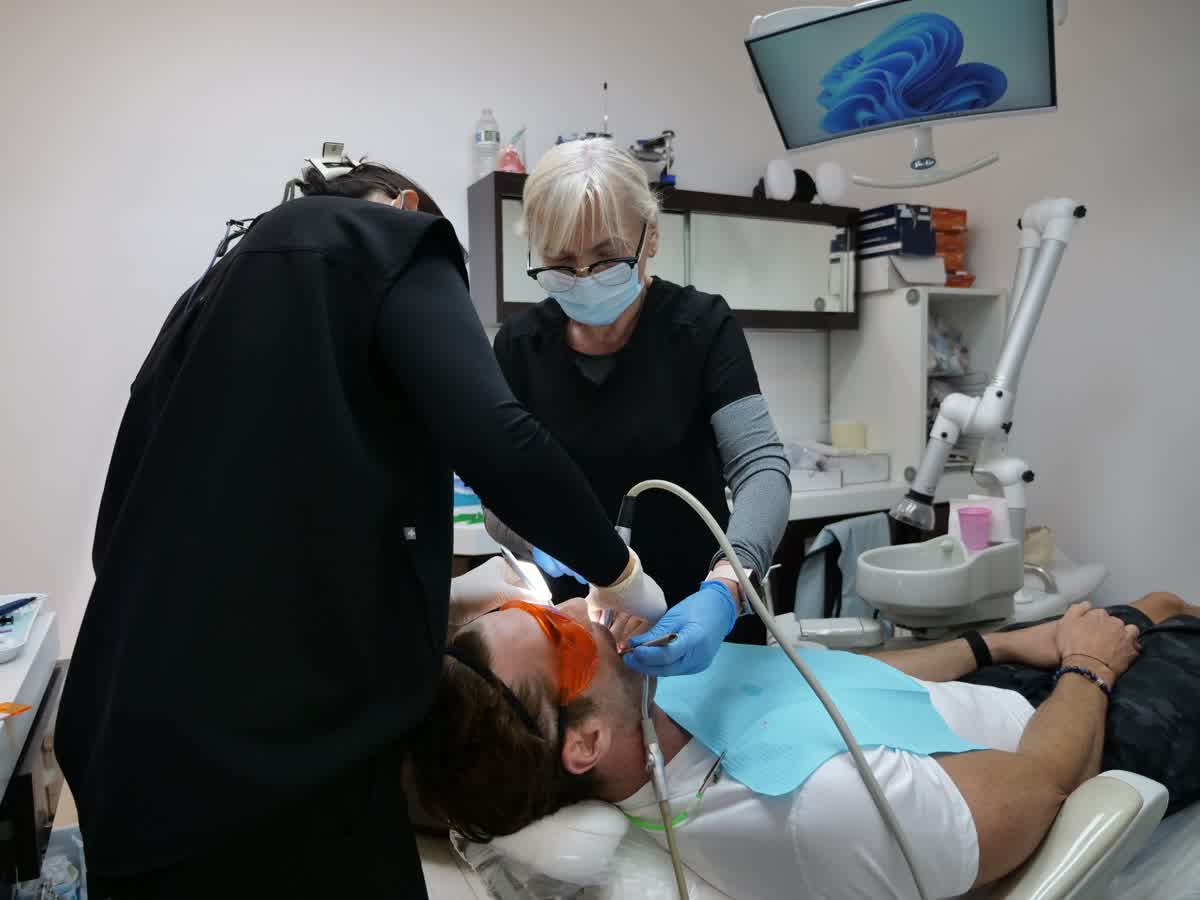
I'm Dr. Nina Izhaky. Snoring is obstructed airflow — tissue vibrating because air can't move freely through your throat. It ranges from a noisy nuisance to the first sign of sleep apnea, and the treatment depends entirely on which one it is. That's why every snoring treatment at our office starts the same way: a proper diagnosis. Here's what I evaluate, and every option I can offer once I know what's actually going on.
What I evaluate before recommending anything
Snoring has many causes. Guessing at the treatment wastes your time and money — the evaluation is the treatment plan.
- Your sleep story: how loud and how often you snore, gasping or pauses in breathing, morning headaches, daytime fatigue, blood pressure — the full picture of what's happening at night.
- Whether it's primary snoring or sleep apnea: primary snoring deserves attention on its own, but if apnea is hiding underneath, the plan changes completely.
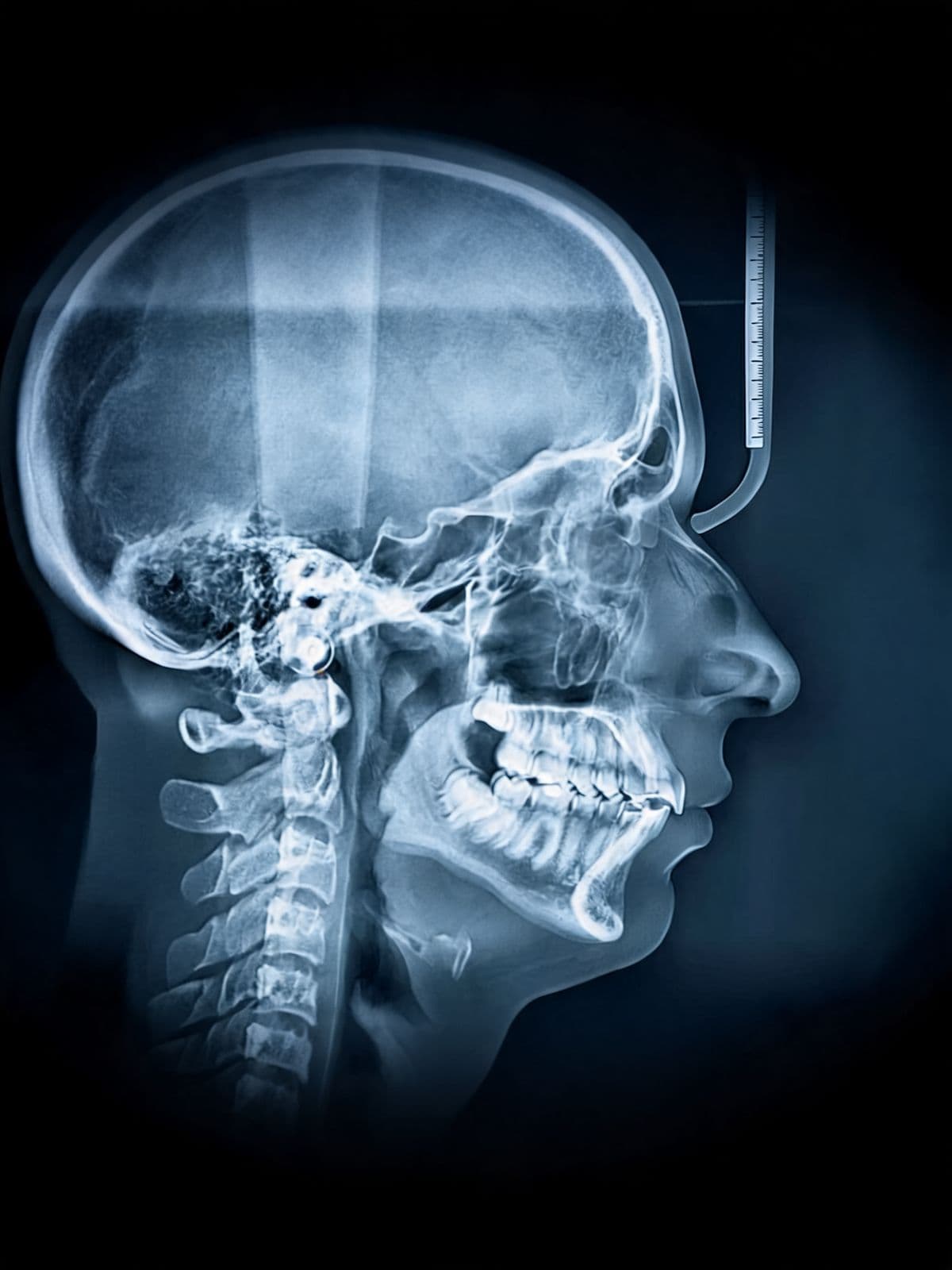
- Your airway anatomy: iTero 3D scanning and CBCT airway volume mapping show how much room your airway actually has — narrow jaws and a narrow palate can be part of why you snore.
- Nasal vs. mouth breathing: chronic mouth breathing keeps the body on alert and disrupts deep sleep — and it points to where the obstruction sits.
- What you've already tried: nasal strips, positional tricks, a partner's elbow. It tells me what hasn't worked and why.
Your snoring treatment options, in order
Once the diagnosis is in, treatment follows a ladder — least invasive first, matched to your severity.
NightLase laser therapy: a gentle laser that tightens the soft tissue at the back of the throat — the tissue that slackens and gets droopy with age and vibrates when you snore. Best for primary snoring and mild cases; no cutting, no downtime. It can be combined with an oral device when the diagnosis calls for it.
Custom oral appliance: a custom-molded device that gently holds your lower jaw forward while you sleep, keeping the airway open — no mask, no motor noise. Recognized by the American Academy of Sleep Medicine (AASM) as a first-line treatment for snoring and mild-to-moderate obstructive sleep apnea. Fitted with iTero scanning and fine-tuned titration with zero TMJ stress; most patients adjust within one to two weeks.
MARPE palatal expansion: when narrow jaws are part of why the airway is restricted, expanding the upper jaw opens the airways at the structural level — reducing the severity of apnea symptoms and letting oxygen-deprived patients breathe better, sleep better, and leave their fatigue behind.
When CPAP is the answer: severe sleep apnea is a serious medical condition, and for severe cases CPAP — or a combined approach — is the right call. A dentist who prescribes devices to everyone regardless of severity isn't doing you any favors. The sleep study tells us where you actually stand.
The honest limits — and why they matter
Snoring treatment works when it matches the cause. Here's what I won't do.
I won't sell you a device before the sleep study. The diagnosis comes first — always. That's the difference between treatment and a guess.
I won't promise a laser fixes everything. NightLase targets soft tissue; if your snoring is structural — narrow jaws, restricted nasal airflow — the plan has to address the structure.
I won't treat severe apnea with a dental device alone. Severe cases usually need CPAP or a combined approach, and I'll say so plainly.
I won't ignore the airway in the rest of your mouth. Grinding, jaw tension, and bite problems often travel with airway issues — the evaluation looks at all of it.
In Dr. Nina's own words
Two things she's told our patients, verbatim — about NightLase and about MARPE.
We can all benefit from it because as we age, the tissue slackens and becomes droopy. So even if you don't need it when you're young and have no symptoms, as you get older you'll need it to tighten up those back-of-the-throat muscles. And who needs it least? Opera singers — singers in general. They exercise those tissues and keep them tight even with age.
Dr. Nina Izhaky
NightLase, in plain terms
MARPE is life-changing because in most cases it's done to open up the airways and reduce the severity of apnea symptoms. It allows oxygen-deprived patients to breathe better, sleep better, and live longer. They leave their fatigue behind, enjoy full restful nights, and increase their attention span, alertness, and productivity.
Dr. Nina Izhaky
MARPE and the airway
Diagnosis first — at home, not in a lab
When your case calls for a sleep study, you don't sleep in a lab bed. You sleep in your own bed, with your own pillow, following your normal routine.
- An FDA-approved portable at-home sleep test tracks oxygen saturation, respiratory effort, and heart rate while you sleep naturally.
- Simple setup: a small finger sensor, a chest band, and a soft nasal cannula. No wires taped to your head.
- We do not do in-lab or in-office sleep studies — the at-home test is ordered through an accredited sleep lab and interpreted by sleep specialists.
- Most patients get results within a few days of the test night — then we build your treatment plan from real data.
Snoring treatment in NYC — questions answered
01What is the most effective snoring treatment?
The one that matches the cause — that's why diagnosis comes first. Primary snoring from slack throat tissue responds well to NightLase laser therapy; snoring with mild-to-moderate apnea responds to a custom oral appliance (AASM first-line); structural restriction from narrow jaws calls for MARPE expansion. There is no single best treatment without a diagnosis.
02Can a dentist really treat snoring?
Yes — much of snoring lives in the mouth, jaw, and throat, which is the dentist's territory. A dentist evaluates your airway with 3D scanning and CBCT mapping, arranges at-home sleep testing, and provides NightLase, oral appliances, and MARPE expansion — matched to what the diagnosis shows.
03Do I need a sleep study for snoring?
If we're considering anything beyond basic evaluation, yes. Snoring can be the surface noise of sleep apnea, and the treatment plan changes completely with severity. We order an FDA-approved at-home sleep test interpreted by sleep specialists — no lab beds, no in-office studies.
04What is NightLase and does it hurt?
NightLase is a gentle laser treatment that tightens the soft tissue at the back of the throat — the tissue that slackens with age and vibrates when you snore. There's no cutting and no downtime; it's best for primary snoring and mild cases, and it can be combined with an oral device when the diagnosis calls for it.
05How does an oral appliance stop snoring?
The custom-molded appliance gently holds your lower jaw forward while you sleep, which keeps the airway open and stops the tissue vibration that causes snoring. It's recognized by the AASM as a first-line treatment for snoring and mild-to-moderate obstructive sleep apnea — no mask, no noise, nothing to plug in.
06What if my partner says I stop breathing at night?
Take that seriously — pauses in breathing can signal sleep apnea, not just snoring. My framing: many causes of snoring and sleep apnea, but the effects are the same — decreased life expectancy and lower quality of life. Get the at-home sleep test first, then we build the plan from real data.
07How long before snoring treatment works?
NightLase is typically a short series of sessions; most oral-appliance patients adjust within one to two weeks of fitting; MARPE expansion works over weeks to months as the palate widens. Your timeline depends on the diagnosis — the first visit lays it out.
08Where exactly are you located?
54 Warren Street, New York, NY 10007 — in the heart of Tribeca, between Greenwich Street and West Broadway. Call (212) 561-5303.
Visit us in Manhattan
Tribeca Dental Studio is at 54 Warren Street, New York, NY 10007 — in the heart of Tribeca, between Greenwich Street and West Broadway, steps from the Chambers Street subway hub. We serve Tribeca, SoHo, Battery Park City, the Financial District, and all of Manhattan.
Stop guessing — find out why you snore
Call (212) 561-5303 or book online — a diagnosis-first snoring evaluation with at-home sleep testing and every treatment option explained honestly.