Root Canal or Extraction? The Honest Guide for a Badly Damaged Tooth
I'm Dr. Nina Izhaky. Every badly damaged tooth brings the same question: do we save it, or is removal kinder? Here's my honest answer. When a tooth can be predictably restored, we save it — a root canal treats the inside of the tooth and keeps your natural root. When it can't — a vertical crack, destroyed structure, advanced bone loss — removing it protects everything around it. This is how we decide, together.
How we make the call
We always evaluate saving the tooth first. The decision rests on four grounded facts — not guesses.
Is the tooth restorable?
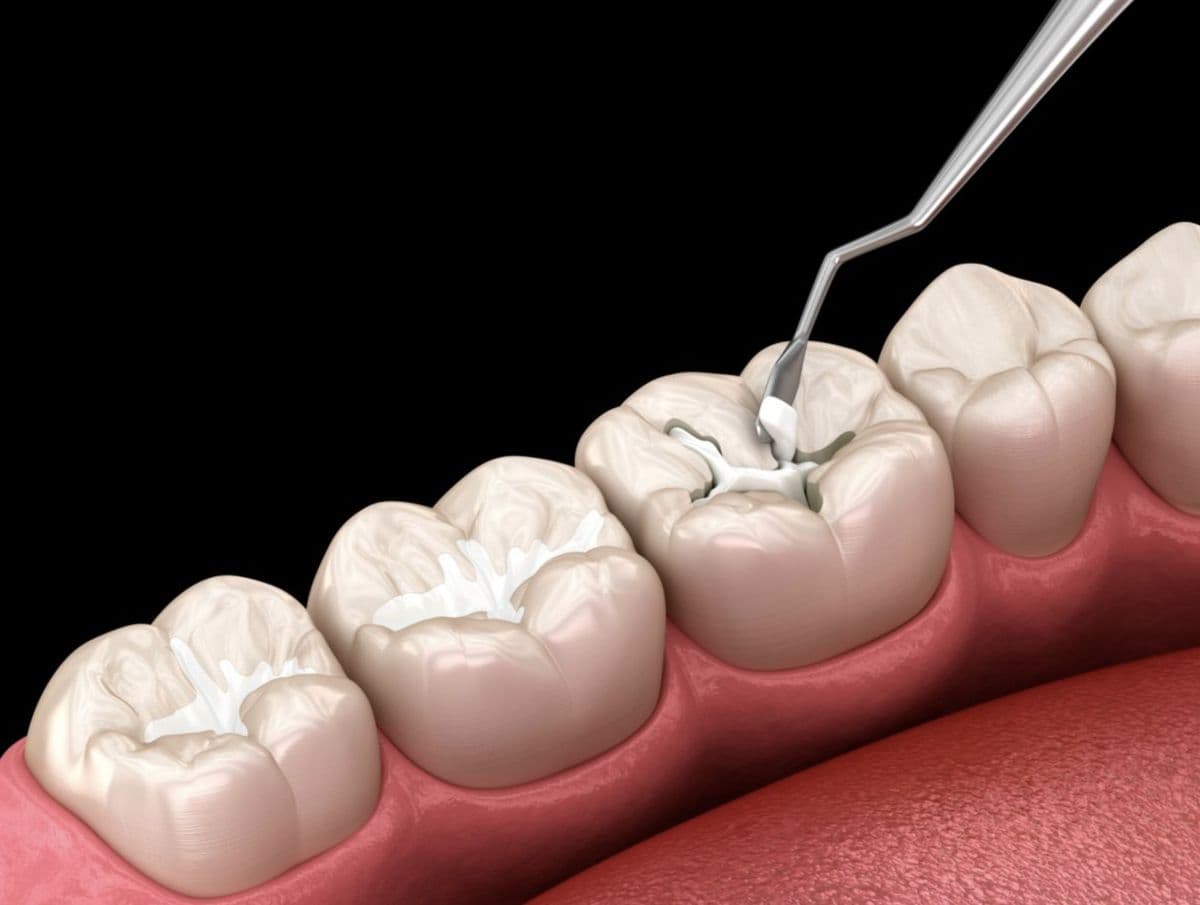
That's the first test: enough healthy structure to support a filling, onlay, or crown. Back teeth carry heavier chewing forces and often need cuspal coverage — the recommendation follows the tooth, not a template.
What's the root's condition?
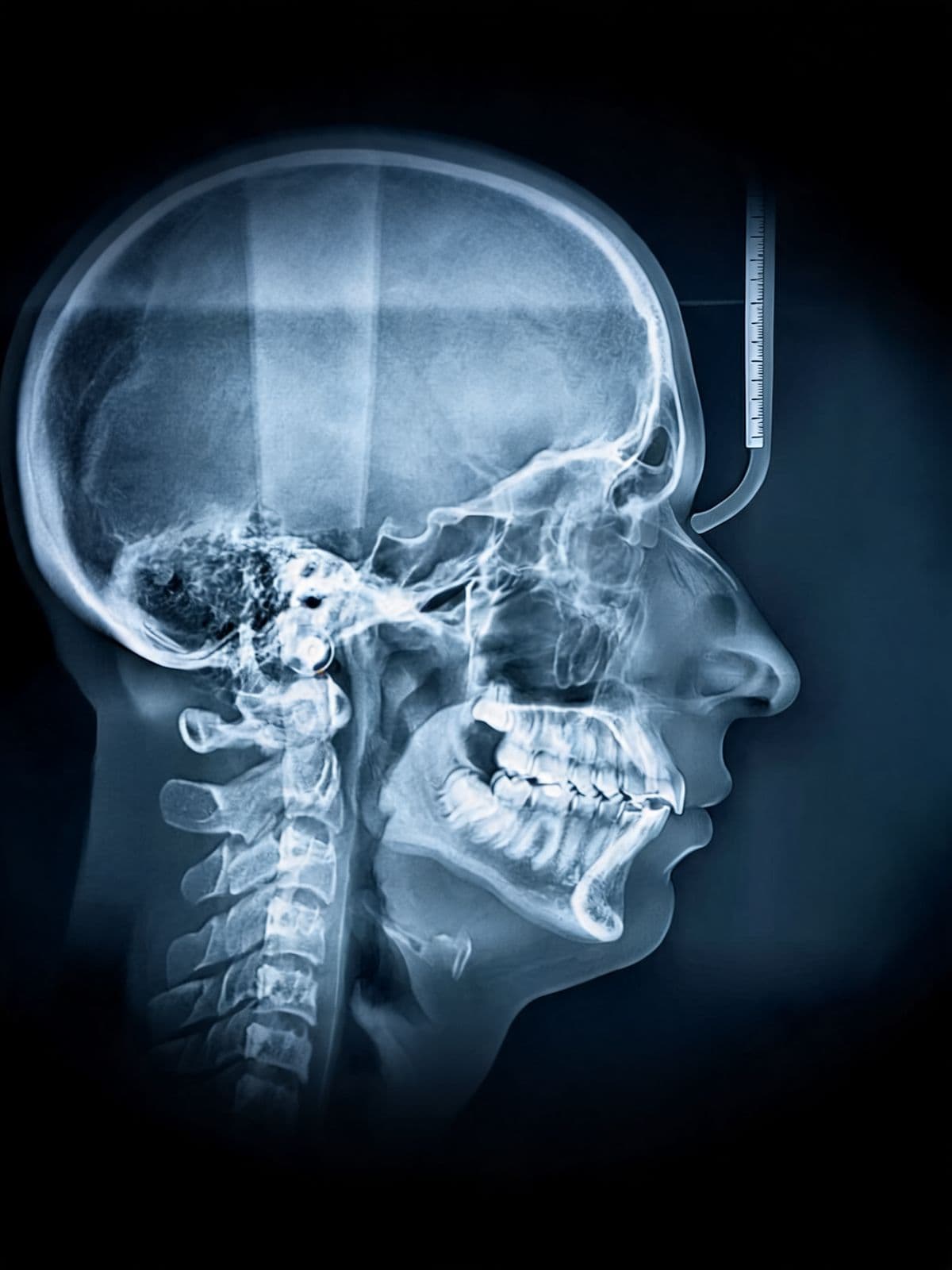
We check root anatomy, surrounding bone, periodontal support, and fracture pattern — with digital X-rays and 3D imaging when it adds genuinely useful information.
What caused the damage?
Deep decay reaching the pulp, a crack or fracture, an old trauma, leakage around an old filling, or a previous root canal with new symptoms — each points toward a different answer.
What's the long-term prognosis?
We weigh how each option ages. Sometimes a root canal gives a tooth decades more service; sometimes extraction plus a replacement is the kinder long-term play.
From diagnosis to decision
How your evaluation actually works — before any treatment is discussed.
A real diagnosis, not a guess.
Not every toothache needs a root canal. We run digital X-rays, bite and percussion testing, temperature and pulp-vitality testing, and a periodontal evaluation — with 3D imaging when it adds useful information.
Save it, if we can.
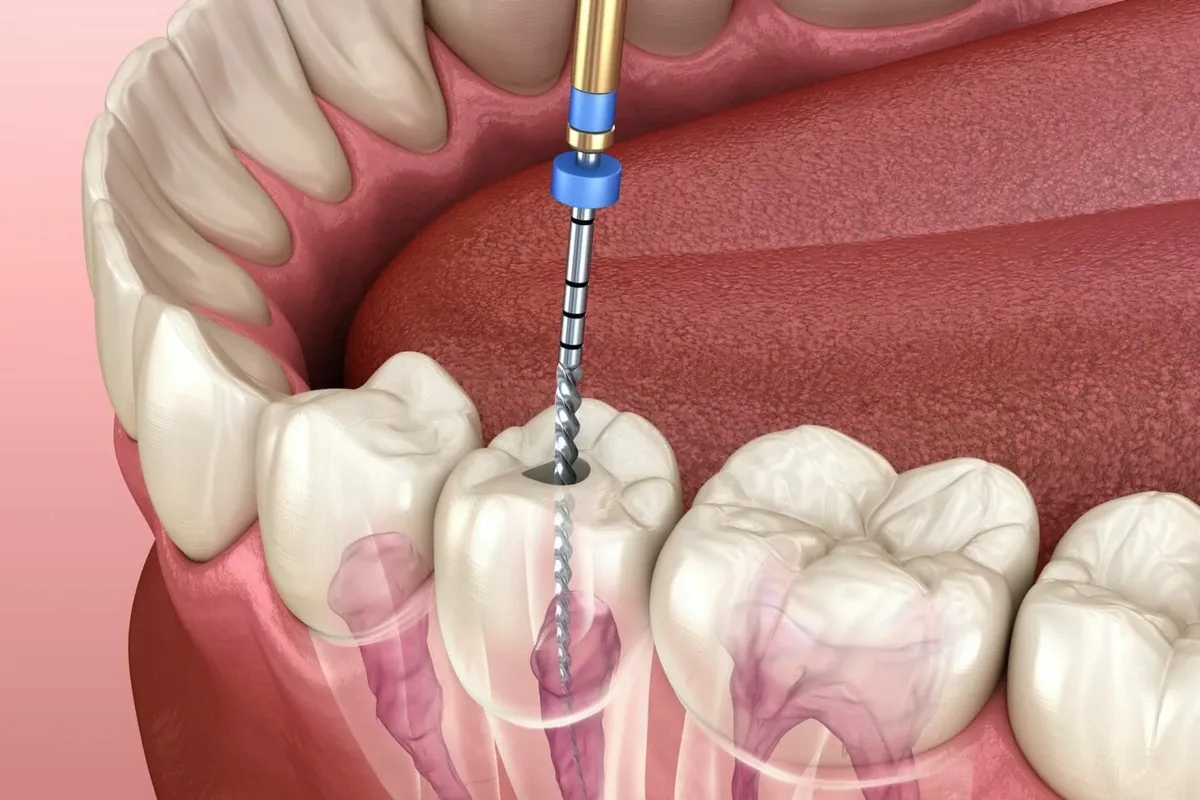
When the tooth is restorable, root canal therapy removes the inflamed or infected pulp, cleans and seals the canals, and preserves your natural root — delivered with magnification-assisted care and followed by the right restoration.
Remove it, if that's kinder.
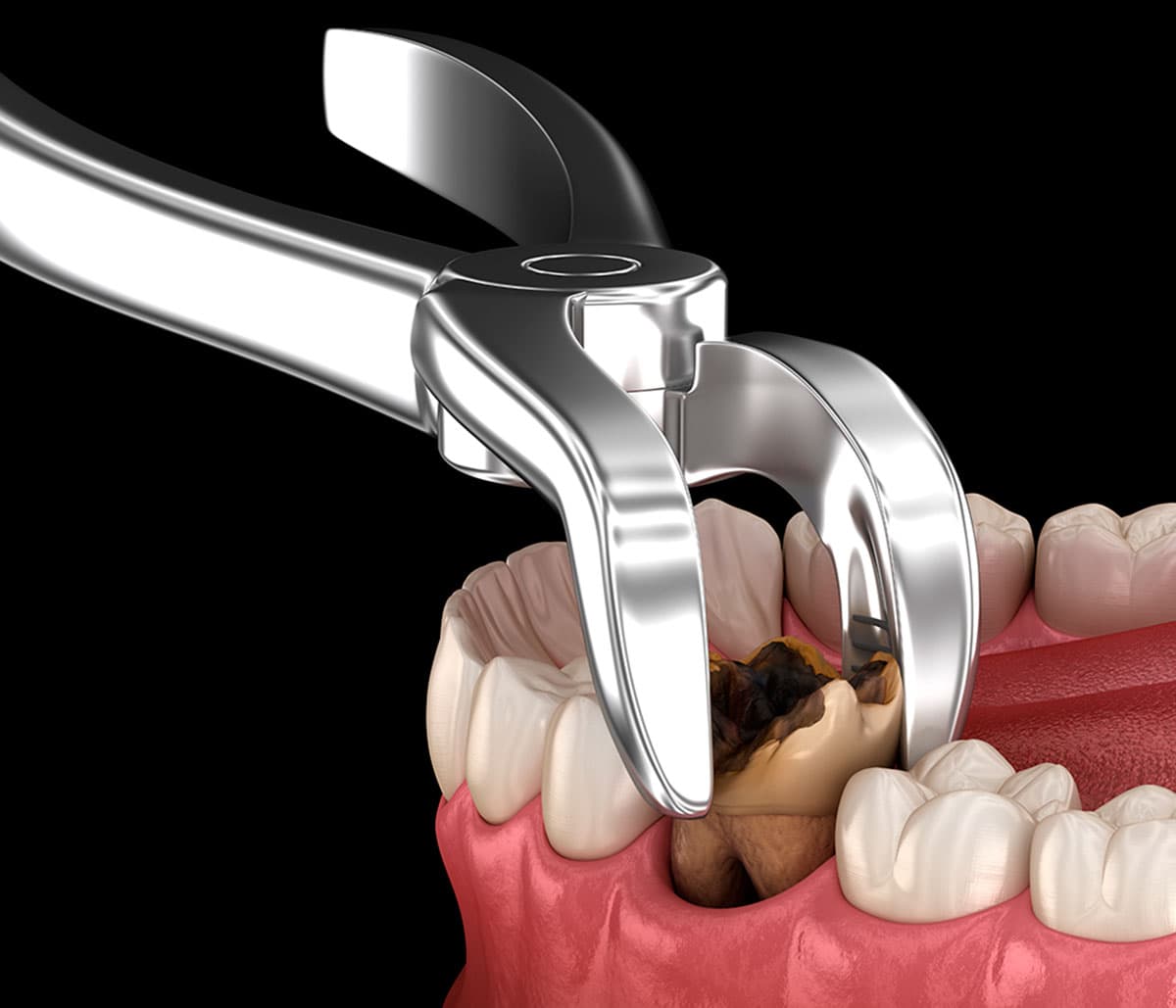
Irreparable decay below the gumline, a vertical root fracture, advanced periodontal bone loss, or a failed root canal that can't be retreated: our in-house surgical suite, led by oral surgeon Dr. Cameron Lewis, DDS, handles the extraction — with socket preservation for what comes next.
Protect what comes next.
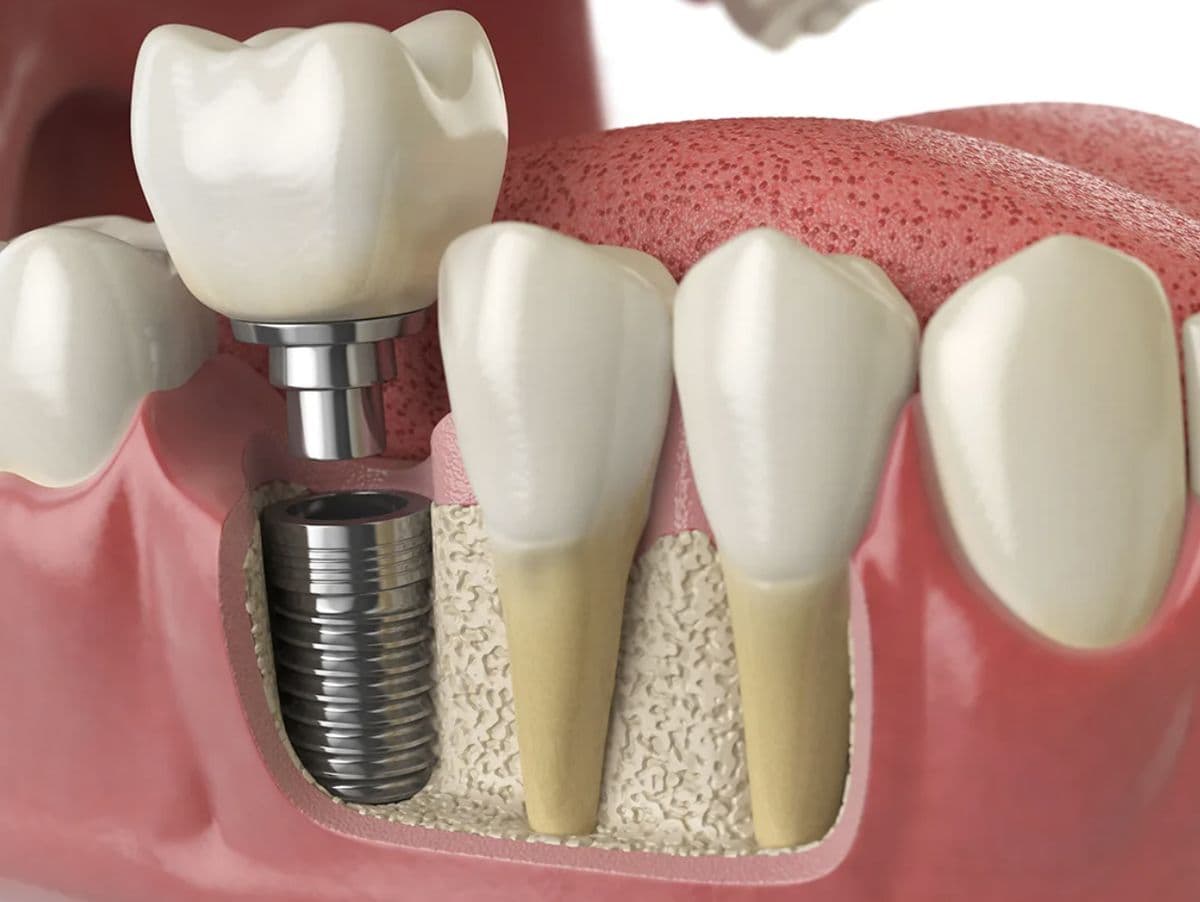
A removed tooth needs replacing — usually a dental implant, sometimes placed the same visit — to keep your bone stimulated and stop neighboring teeth from shifting. Exact cost confirmed at your evaluation.
The short version: when each wins
Root canal wins when the tooth's structure, root anatomy, and periodontal support can carry a restoration for years — it treats the inside of the tooth and retains your natural root and bone. Extraction wins when the tooth can't be predictably restored: irreparable decay below the gumline, a vertical root fracture, advanced bone loss, or a previously treated tooth that can't be retreated. Either way, a real evaluation — not a sales pitch — and we'll tell you the exact cost before anything begins.
Hablamos español
We warmly welcome Spanish-speaking patients. Nuestro equipo le explica sus opciones — conducto o extracción — en su idioma. Llámenos al (212) 561-5303. No facturamos directamente al seguro; le ayudamos con el financiamiento para que el plan se ajuste a su vida.
My Bias Is Toward Keeping Your Teeth
Let me say it plainly: my bias is toward keeping your natural teeth. A root that nature gave you is worth more than anything we can build, and a root canal that lets you keep it for years is a good trade. That's why every evaluation starts with the same question — can this tooth be predictably restored? — and why we invest in the diagnostics to answer it honestly: X-rays, vitality testing, 3D imaging when it matters.
But saving a tooth at any cost isn't loyalty; it's stubbornness. A vertical root fracture, structure destroyed below the gumline, bone that's no longer there — heroic rescue attempts on those teeth fail, and while they fail, the infection spreads and the neighboring bone pays the price. Removing a hopeless tooth isn't giving up. It's protecting everything around it.
And removal isn't the end of the story. A dental implant is a small titanium post that takes the place of your tooth root — it doesn't touch your other teeth the way a bridge does, and it keeps your bone stimulated and your facial structure intact. Whichever path the tooth deserves, you get the same promise from me: a real diagnosis, a plan that fits your mouth and your life, and the exact cost before we begin.
Root canal vs. extraction questions, answered
01Can a root canal save any tooth?
No — and an honest dentist tells you when it can't. A root canal works when enough healthy structure remains and the root, bone, and periodontal support can carry a restoration. Teeth destroyed below the gumline, vertical root fractures, or teeth with advanced bone loss are candidates for extraction instead.
02Is a root canal painful?
Local anesthesia is used to numb the treatment area. Many patients are surprised that the procedure itself feels similar to other restorative dental treatment. The amount of soreness afterward varies with the condition of the tooth and surrounding tissues.
03How long does root canal treatment take?
Treatment time varies by tooth anatomy, infection, previous treatment, and complexity. Some cases can be completed in one visit, while others benefit from more than one appointment.
04Do I always need a crown after a root canal?
No single restoration is right for every tooth. Many back teeth need substantial protection — often cuspal coverage — after root canal treatment, while other teeth may be restored differently. The recommendation depends on remaining tooth structure and bite forces.
05Can a cracked tooth be saved with a root canal?
It depends on the location and depth of the crack. Some cracks affecting the pulp can be treated and restored, while vertical root fractures or deeply non-restorable fractures may require extraction. Imaging and evaluation determine which you have.
06My old root canal hurts again — now what?
Schedule an evaluation rather than assuming the tooth needs extraction. A previously treated tooth can develop new symptoms months or years later — untreated anatomy, new decay, leakage around a restoration, a new crack. When the tooth is still restorable and the cause can be addressed, endodontic retreatment may be considered; otherwise extraction is discussed.
07What should I expect after a root canal?
Some tenderness can occur after treatment, especially if the tooth was painful or infected beforehand. Avoid chewing while the area is still numb, avoid unusually hard chewing on that tooth until it's definitively restored, and brush and floss normally. Return for the recommended final restoration — and contact us if pain or swelling is worsening, your bite feels significantly high, or a temporary restoration comes out.
08Will the extraction hurt?
Thanks to modern local anesthetics — and available sedation options — you will not feel pain during the procedure. You may feel mild pressure as the tooth is gently eased out.
09If I choose extraction, what replaces the tooth?
Usually a dental implant — a small titanium post that takes the place of your tooth root. It doesn't touch your other teeth, and it keeps your bone stimulated. When clinically ideal, Dr. Lewis places the implant the same visit; when bone regeneration is needed, the area typically heals in 2 to 4 months. A bridge or other replacement can be discussed too. Exact cost is confirmed at your evaluation, and we'll walk you through financing and our membership plan.
010How do I know it's time to come in?
Come in if you have persistent or spontaneous tooth pain, sensitivity that lingers after hot or cold, pain when biting or chewing, swelling or tender gums near a tooth, a cracked or traumatized tooth, or a tooth that's darkening. A clinical exam and imaging are needed to determine what's actually going on — don't wait for it to resolve on its own.
Root canal vs. extraction guidance in the heart of Tribeca
Find us at 54 Warren Street, New York, NY 10007 — in the heart of Tribeca, serving patients across Tribeca, SoHo, Battery Park City, the Financial District, and Downtown Manhattan.
One tooth, one honest answer.
Bring the toothache. We'll find the cause, show you what's going on, and recommend only what fits — call (212) 561-5303 or book online. 54 Warren St, Tribeca.