Bone Grafting: Rebuild the Bone Your Implant Needs
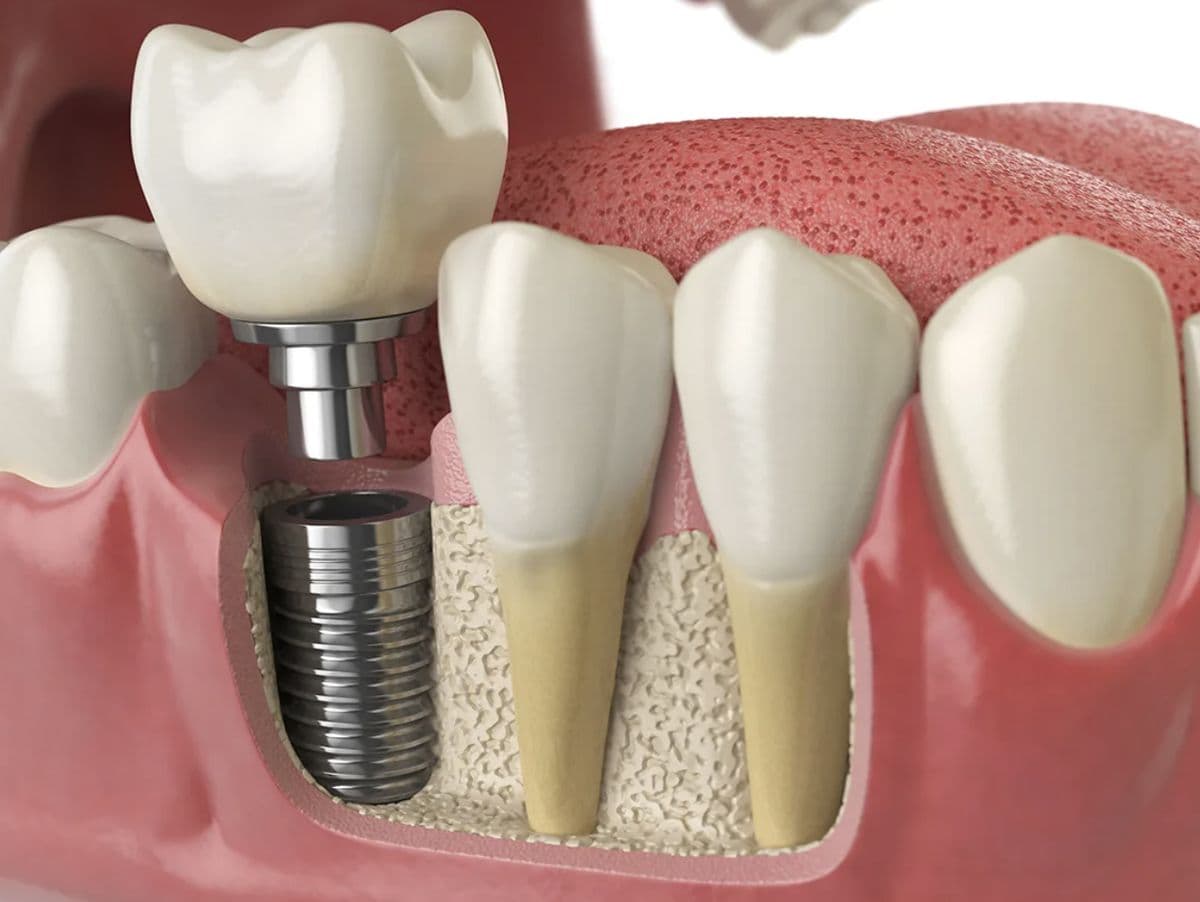
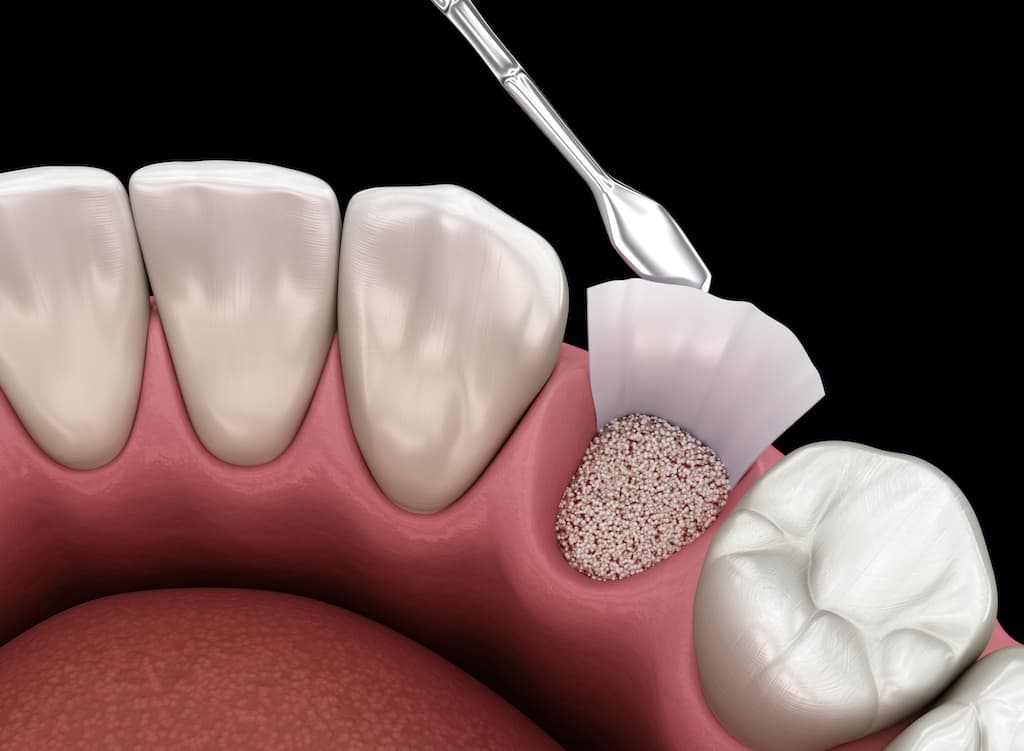
I'm Dr. Nina Izhaky. When you lose a tooth - or lose bone to gum disease - your jawbone starts to shrink in that spot. It's just what bone does when it has no tooth root to support. A bone graft rebuilds that lost bone, creating a solid foundation so an implant has something strong to hold onto. The short version: we place natural, biocompatible grafting material where your bone has thinned. Over the next few months, your body converts it into your own living bone. Then we place your implant into bone that's truly yours.
When is bone grafting needed?
Not every implant needs a graft. At your evaluation, our 3D imaging shows us exactly how much bone you have and where - no guessing. Here are the situations where grafting is usually needed.
Before an implant, when bone has shrunk.
Teeth gone for years leave the jawbone thinner and narrower. Grafting rebuilds that lost volume so the implant has a solid foundation.
At tooth extraction, to preserve the socket.
We often graft at the time of extraction - it keeps the socket from collapsing, so you go through one healing period instead of two.
With advanced gum disease.
When infection has eaten away the bone supporting your teeth, grafting rebuilds what was lost - for implants, or to keep your natural teeth standing strong.
After trauma or a failed implant.
Injuries and unsuccessful implants can leave defects in the bone. A graft restores the site before we plan anything else.
What the procedure is like
Bone grafting is a routine, well-established procedure. Most patients are surprised by how manageable it is.
3D evaluation.
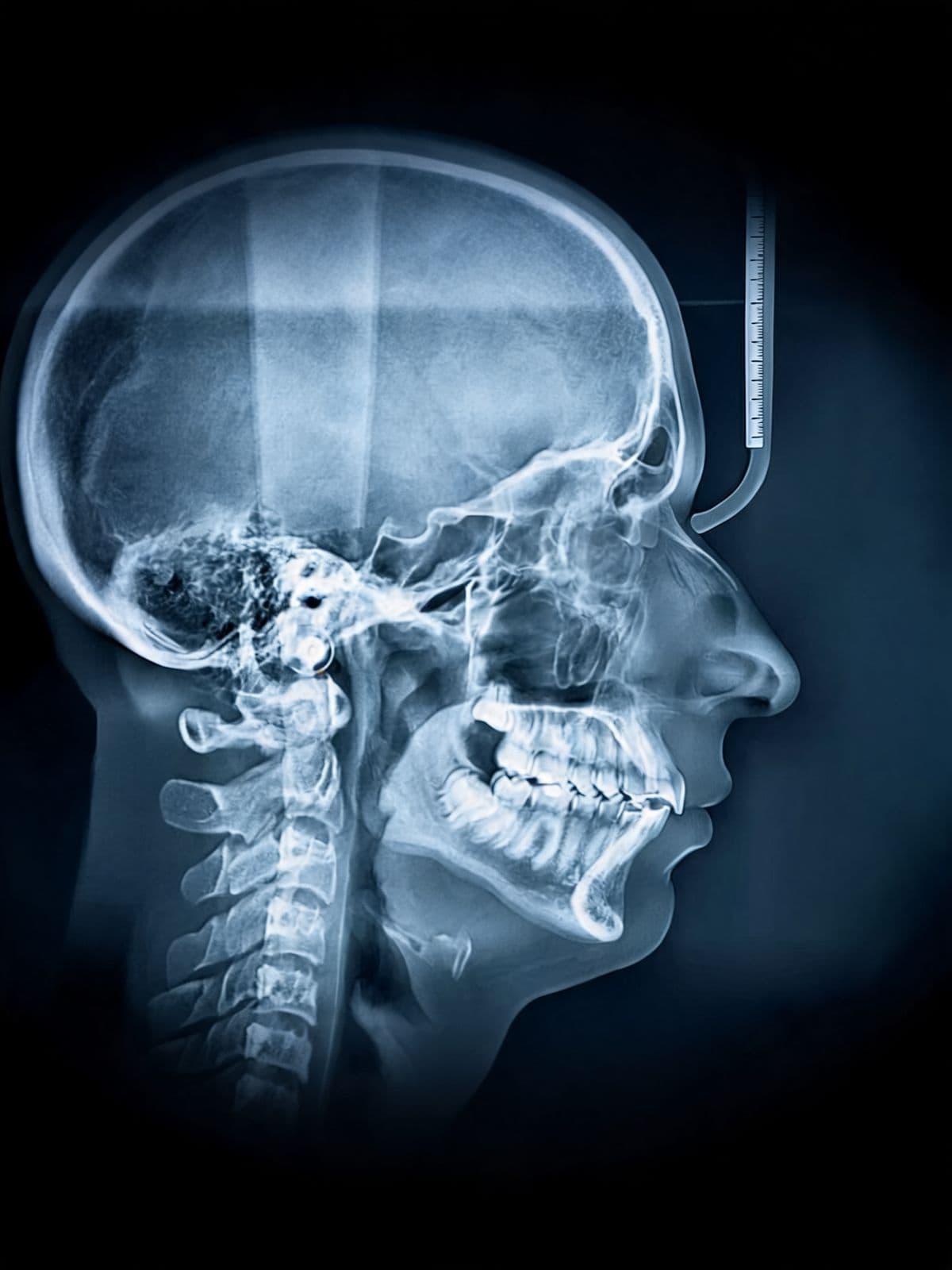
We start with 3D imaging of your jawbone - it shows exactly how much bone there is and where. We show you the images and give you a straight answer about whether you need a graft.
Fully numb placement.
You're fully numb, and the appointment is typically straightforward. We place the biocompatible grafting material where your bone has thinned, then close the site.
A few days of taking it easy.
Recovery usually means a few days of taking it easy and soft foods. Afterward, most patients manage with prescribed medication for a few days.
Healing, then your implant.
The graft needs several months - typically 3 to 6 - to fully convert into your own living bone. We monitor your healing and time the implant for when your bone is ready, not before.
One team, one continuous plan
Because we do the graft and the implant here, there's no handoff between offices, no conflicting plans, no repeated imaging. The specialist who grafts your bone is planning for the implant that's coming - one continuous plan, one team. And if you don't have enough bone for an implant at all, we'll tell you that honestly and lay out every option - including what the graft can and can't do for you.
Hablamos español
We warmly welcome Spanish-speaking patients. Nuestro equipo le explica el injerto óseo en su idioma - llámenos al (212) 561-5303. No facturamos directamente al seguro; le ayudamos con el financiamiento para que el plan se ajuste a su vida.
A Graft Is Not an Upsell
When a patient hears they need a bone graft, the first question is usually: is this really necessary? It's a fair question. Here's the honest answer: an implant placed in insufficient bone can fail. The graft isn't an extra - it's what makes the implant last decades instead of years. Bone that shrank after tooth loss simply can't grip an implant the way dense, healthy bone can, and no implant technology changes that physics.
The good news is that bone grafting has become remarkably predictable. The material we use is natural and biocompatible - most commonly processed donor bone or synthetic graft material designed for your body to convert into its own bone. Over the next few months, your body does the real work: it replaces the graft with living bone that's truly yours. We confirm with imaging that your bone is ready before the implant goes in. Nothing moves forward on a timeline - only on evidence.
And there's one thing I want every patient to understand: the graft and the implant should be planned together from day one. The shape of the graft, the position of the future implant, the timing between the two - they're all one decision. When the same team does both, that planning is seamless. When the graft happens in one office and the implant in another, details get lost. We do both here, so your bone rebuild is always aimed at the implant that's coming.
Bone grafting questions, answered
01Is bone grafting painful?
You're fully numb during the procedure. Afterward, most patients manage with prescribed medication for a few days. It's generally easier than people expect.
02Where does the graft material come from?
We use safe, biocompatible materials - most commonly processed donor bone or synthetic graft material designed for your body to convert into its own bone. We'll explain your specific options at the evaluation.
03How long before I can get my implant?
Typically 3 to 6 months, depending on the size of the graft. We confirm with imaging that your bone is ready before moving forward - never on a fixed timeline.
04What happens if I skip the graft and just get the implant?
An implant placed in insufficient bone can fail. The graft isn't an upsell - it's what makes the implant last decades instead of years.
05Do I always need a bone graft before a dental implant?
No. If your bone is intact and dense enough, we place the implant without grafting. Our 3D imaging at your evaluation shows exactly how much bone you have - and we only graft when the bone genuinely needs it.
06How much does bone grafting cost?
It depends on the size and location of the graft. We'll give you an exact number at your evaluation and walk you through financing. We don't bill insurance directly.
07Can the graft be done at the same time as my tooth extraction?
Often, yes - and it's the approach we prefer when possible. Grafting at the time of extraction preserves the socket and means one healing period instead of two.
08Where are you located?
54 Warren Street, New York, NY 10007, in the heart of Tribeca - serving Tribeca, SoHo, Battery Park City, the Financial District, and Downtown Manhattan.
Bone grafting in the heart of Tribeca
Find us at 54 Warren Street, New York, NY 10007 - in the heart of Tribeca, serving patients across Tribeca, SoHo, Battery Park City, the Financial District, and Downtown Manhattan.
Find out what your bone needs.
One 3D evaluation, a straight answer, and a plan. Call (212) 561-5303 or book online - 54 Warren St, Tribeca.