Individual Assessment
Dr. Marina examines your jaw muscles, bite, and joint movement and reviews your history. Treatment is only discussed once the cause of your symptoms is understood.

Occlusion is how your teeth meet — and how much force they meet with. When overactive chewing muscles drive excessive force into an unbalanced bite, teeth wear, restorations crack, and muscles ache. At Tribeca Dental Studio, Dr. Marina Krasnopolsky assesses both the bite and the muscles powering it, and discusses where Botox or Dysport fits.
The short answer
Botox cannot move teeth or change how they meet — and any plan for occlusion has to start there. What botulinum toxin can do is reduce the excessive force that overactive masseter muscles deliver into the bite while the bite itself is evaluated and, where needed, adjusted. At Tribeca Dental Studio, Dr. Marina assesses your occlusion, wear patterns, and muscle activity at 54 Warren St, then sequences muscle treatment with dental care — guards, adjustments, or restorative work — in the order your case requires.
Occlusion — the way upper and lower teeth come together — is usually discussed as a question of contact: which teeth touch, in what order, with what guidance. But contact is only half the equation. Force is the other half, and force is produced by muscle. A perfectly arranged bite can still be damaged by masseter muscles that clench with excessive power all night; a slightly imperfect bite may cause no trouble at all behind calm muscles. Wear facets, cracked cusps, failing crowns, and morning muscle fatigue are the signatures of force overwhelming contact.
Botulinum toxin — Dysport in most of Dr. Marina's cases, or Botox — acts on the force variable. By relaxing the masseter in a measured way, it lowers the maximum load your bite can deliver while keeping everyday chewing normal. That reduction protects teeth and restorations and gives occlusal treatment — evaluation, selective adjustment, night guards, restorative rebuilding — a calmer environment to work in. It does not replace any of that dental care, and it is never used to mask a bite problem that needs direct attention. It is one lever, applied after assessment, as part of a complete occlusal plan.
A relaxed masseter cannot load the bite with its former maximum force. Teeth, joints, and muscles all operate under less stress while the occlusal plan proceeds.
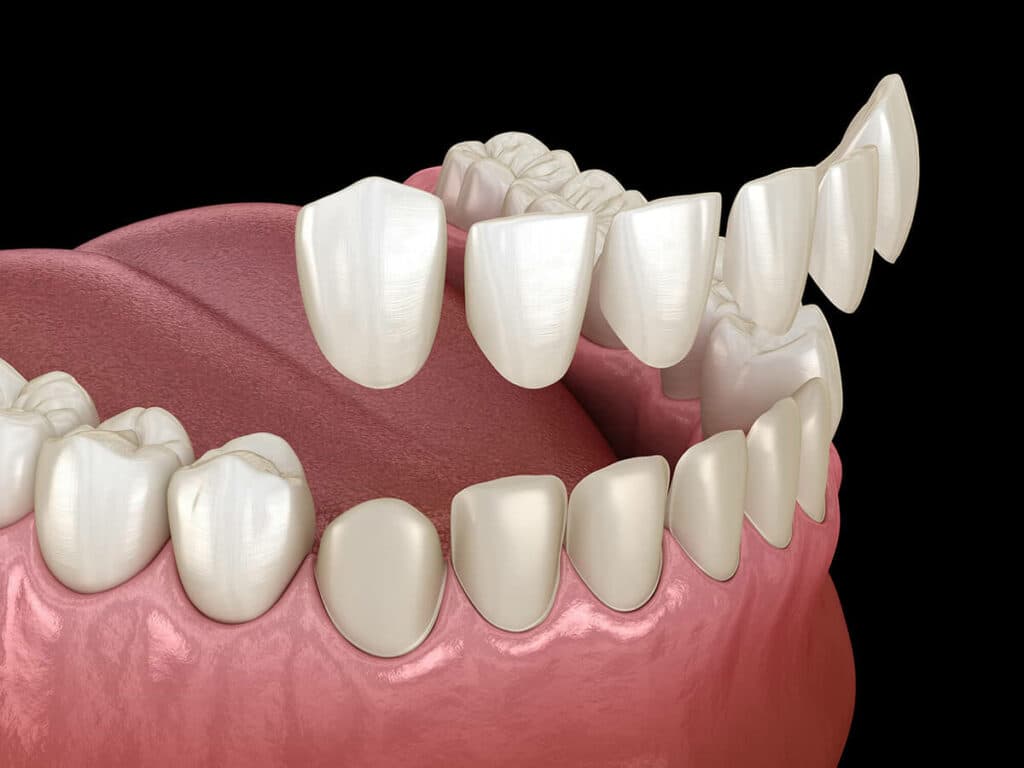
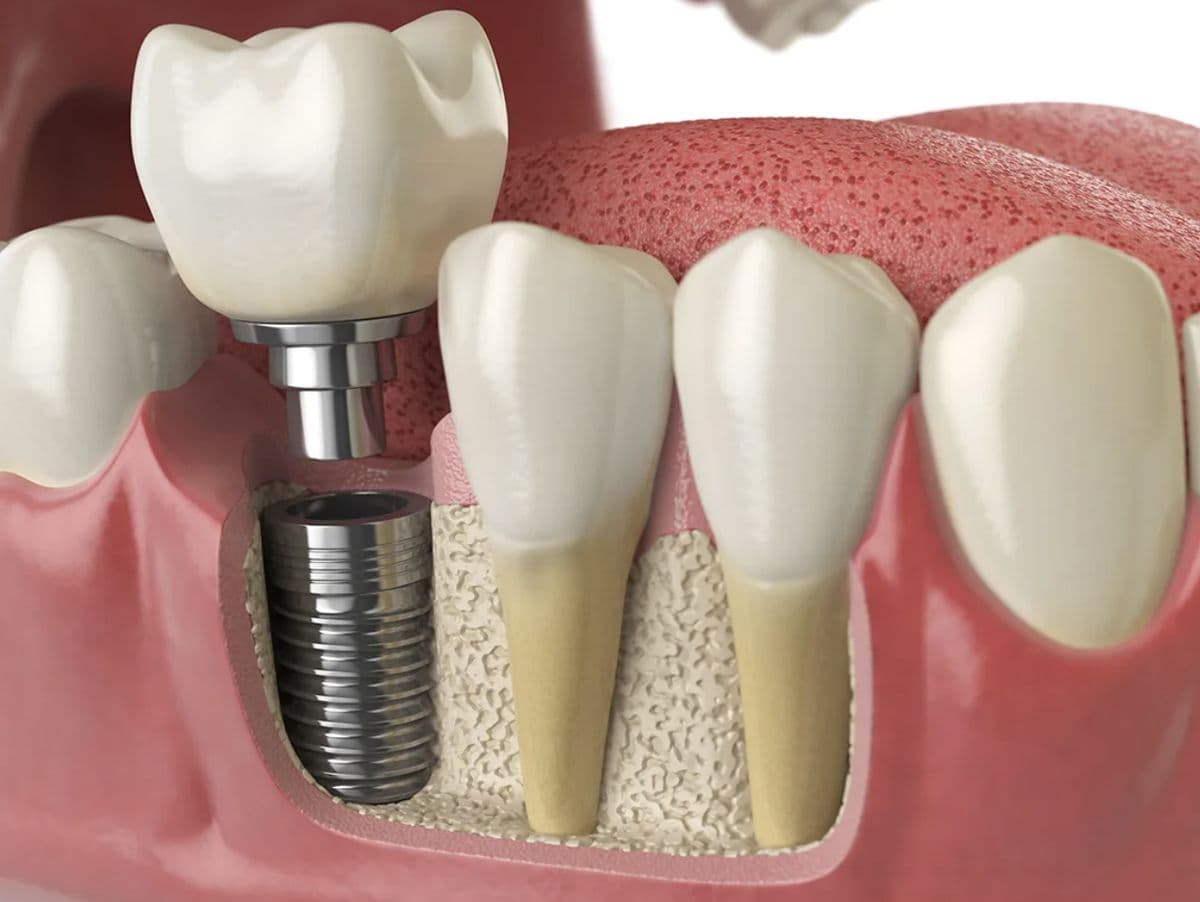
New crowns, veneers, and implant work are most vulnerable to the same forces that damaged the original teeth. Reducing force during and after restorative care protects the investment.
Chronically braced muscles can distort how the jaw postures and how contacts present. Calmer muscles can make occlusal evaluation and adjustment more accurate.
Muscle treatment joins — never replaces — the dental side: bite analysis, selective adjustment where indicated, custom guards, and restorative rebuilding, sequenced by Dr. Marina's assessment.
Ask a room of dentists about occlusion and you will hear about contact points, guidance, and wear — the geometry of the bite. It is essential geometry. But geometry does not crack a crown at 3 a.m.; force does. The patient who destroys restoration after restoration is rarely betraying bad dentistry — they are usually running exceptional muscle force through an ordinary bite, night after night. Treating the geometry without addressing the force rebuilds the same failure on a schedule.
That is the clinical insight behind bringing botulinum toxin into occlusal care. Dr. Marina's assessment measures both sides of your bite: how the teeth meet, and how hard the muscles drive them together. Masseter size and tenderness, wear patterns that tell the story of years of load, restorations that keep failing in the same way — these findings decide whether force reduction belongs in your plan, and where it sits in the sequence relative to guards, adjustment, or rebuilding worn teeth.
Used this way, Botox or Dysport is not a cosmetic extra and not a shortcut around dentistry. It is load management. Effects build over one to two weeks and typically last about three to four months — a protected window in which restorations settle, muscles learn a quieter pattern, and follow-up reviews can judge the bite under realistic, reduced force. For the patient who has broken the same tooth twice, that window can be the difference between another repair and a plan that finally holds.
Dr. Marina examines your jaw muscles, bite, and joint movement and reviews your history. Treatment is only discussed once the cause of your symptoms is understood.
If a muscle relaxant fits your case, Dr. Marina selects the product — Dysport in most cases, or Botox — the injection points, and the dose. Every plan is tailored; nothing is one-size-fits-all.
Effects develop gradually over the following days and typically last about three to four months. We review your response and adjust future sessions to your muscles and your goals.
No. Botox and Dysport relax muscles; they cannot move teeth, change contact points, or correct how the bite fits together. What they can do is reduce the excessive force your muscles deliver into the bite. Occlusal problems themselves are treated dentally — evaluation, adjustment, guards, orthodontics, or restorative work — and muscle treatment supports that care rather than replacing it.
Repeated failure in the same area is often a force problem: clenching or grinding loads that exceed what the restoration — or the tooth beneath it — can tolerate, especially at night. Dr. Marina's assessment looks at your muscle activity and wear patterns alongside the bite itself, because rebuilding without reducing the load usually repeats the cycle.
Treatment is dosed to trim excessive clenching force, not normal chewing. Patients eat, speak, and smile normally; what changes is the peak load available to grinding and clenching, particularly during sleep. Dr. Marina reviews chewing comfort at follow-up and adjusts future dosing to your response.
It depends on the case, which is why sequencing is part of the assessment. Reducing force before major restorative work can protect new crowns and veneers from day one; in other cases the bite is adjusted or rebuilt first and muscle care follows. Dr. Marina lays out the order for your mouth — not a generic template — at your visit.
Both are botulinum toxin type A products that relax the masseter in a controlled way. Dr. Marina uses Dysport in most cases and Botox where its characteristics fit the plan better. The product, dose, and injection pattern are decided during your individual assessment of muscle bulk, activity, and bite findings.
The force-reducing effect builds over one to two weeks and typically lasts about three to four months, then fades gradually. Follow-up reviews use that window to judge your bite and restorations under reduced load, and to decide whether repeat treatment, a guard, occlusal adjustment, or a combination gives you the most durable result.
RELATED TREATMENTS
How jaw clenching and muscle tension can feed recurring headaches — and where Botox or Dysport may fit after an assessment.
Assessment-first care for TMJ pain driven by overworked jaw muscles, clenching, and grinding.
Why a jaw locks — muscle spasm or joint — and how relaxing a spasm may help when the cause is muscular.
Rebuilding worn and broken teeth — the dental half of the occlusion plan, protected by better force control.
A custom guard distributes nighttime forces while muscle treatment reduces them at the source.
TRIBECA • NEW YORK
Book an individual assessment with Dr. Marina at Tribeca Dental Studio, 54 Warren St — contact and force, measured together, planned together.
Tribeca Dental Studio · 54 Warren St, New York, NY 10007