Individual Assessment
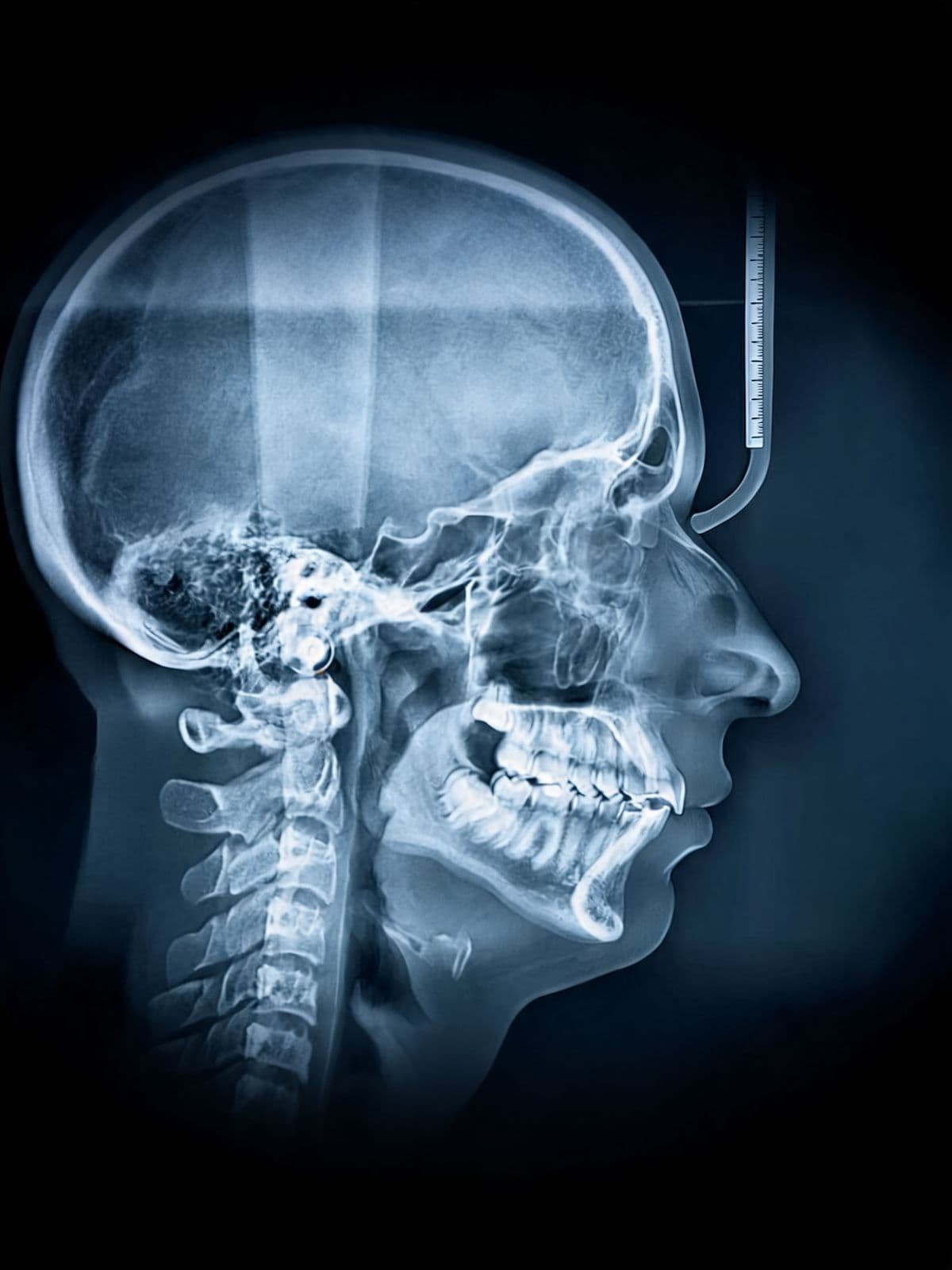
Dr. Marina examines your jaw muscles, bite, and joint movement and reviews your history. Treatment is only discussed once the cause of your symptoms is understood.

A jaw that will not open — or will not close — is frightening, and it has more than one possible cause. When the lock comes from muscle spasm, relaxing that spasm can help the jaw move again. When it comes from the joint itself, it needs different care. At Tribeca Dental Studio, Dr. Marina Krasnopolsky's assessment comes first, so the treatment matches the cause.
The short answer
A locked jaw is either a muscle problem or a joint problem, and the difference decides the treatment. Muscle spasm (trismus) can clamp the jaw shut after clenching, dental work, or strain — and botulinum toxin such as Dysport or Botox can relax a muscle in spasm. A joint lock, where the disc displaces, is mechanical and needs a different approach. Dr. Marina assesses which one you have at 54 Warren St before anything is injected. If your jaw is locked right now and you cannot open or close it, call (212) 561-5303 promptly rather than waiting.
In a muscle lock — called trismus when the jaw cannot open — the chewing muscles go into spasm and refuse to release. Trismus can follow prolonged clenching or grinding, a long dental appointment, a strain, or inflammation near the jaw. The joint itself may be perfectly healthy; it is the muscle holding the door shut. In a joint lock, by contrast, the disc inside the temporomandibular joint displaces — classically a 'closed lock,' where the jaw suddenly cannot open fully, often after a period of clicking. No muscle relaxant repositions a disc.
Botulinum toxin — Dysport in most of Dr. Marina's cases, or Botox — works on exactly one of these problems: the muscle. Placed precisely into a muscle in spasm, it reduces that muscle's ability to contract, allowing the spasm to ease and movement to return gradually. Used on the wrong diagnosis, it would accomplish nothing — which is why the assessment is not a formality. Dr. Marina examines how your jaw moves, which muscles are in spasm, whether the joint itself is involved, and how the episode began, before discussing any injection.
Botulinum toxin reduces the contraction signal in a muscle locked in spasm. As the spasm eases over the following days, the jaw can begin to open and move more freely.
Spasm causes pain, and pain causes more spasm. Calming the muscle interrupts that loop, which is often why relief can outlast the episode that brought you in.
If your jaw locks repeatedly because of clenching-driven spasm, planned muscle treatment — often alongside a night guard — can reduce how often episodes happen.
A displaced disc or other joint problem will not be treated with injections and optimism. If the assessment finds a joint lock, the plan becomes joint care — and Dr. Marina will explain the right route.
A locked jaw has a way of concentrating the mind. Eating becomes a negotiation, yawning becomes a risk, and every online search returns a different confident answer. The reality is less dramatic and more specific: your jaw is held shut (or open) by something, and that something is either muscular or mechanical. Muscle spasm is common after heavy clenching, long dental procedures, or strain — the muscles quite literally cramp and will not release. A joint lock is a physical displacement inside the joint. They feel similar from the chair. They are managed completely differently.
This is why Dr. Marina's assessment starts with movement and touch, not with a syringe. How far does the jaw open? Does it deviate to one side? Which muscles are hard, tender, and in spasm when palpated? Is there a history of clicking that suddenly stopped — a classic sign the disc has displaced? The answers sort the case before any treatment is proposed. Patients are sometimes surprised by how much of the appointment is examination. It is the part that makes everything after it safe and sensible.
When the cause is muscular, botulinum toxin gives the spasm an off-switch it cannot find on its own: over the days following treatment, the overactive muscle gradually lets go, opening improves, and the pain-spasm cycle loses its fuel. Effects typically last about three to four months, and for patients whose locking is driven by chronic clenching, that window is also used to address the cause — bite, grinding, and protective guards — so the next episode is less likely, not just better treated.
Dr. Marina examines your jaw muscles, bite, and joint movement and reviews your history. Treatment is only discussed once the cause of your symptoms is understood.
If a muscle relaxant fits your case, Dr. Marina selects the product — Dysport in most cases, or Botox — the injection points, and the dose. Every plan is tailored; nothing is one-size-fits-all.
Effects develop gradually over the following days and typically last about three to four months. We review your response and adjust future sessions to your muscles and your goals.
Do not force it open or closed, avoid chewy foods, and call us promptly at (212) 561-5303 — a newly locked jaw deserves a timely assessment, not a wait-and-see. Gentle warmth can comfort a muscle spasm, but the important step is finding out whether the lock is muscular or in the joint, because that decides what will actually help.
Only when the lock is muscular. Botulinum toxin (Botox or Dysport) reduces the contraction signal in a muscle held in spasm, so over the following days the muscle gradually releases and jaw movement improves. It cannot reposition a displaced disc or fix a joint problem — which is why the assessment always comes first.
Trismus is the medical term for restricted jaw opening caused by muscle spasm or tightness. It can follow heavy clenching or grinding, long dental appointments, wisdom tooth problems, or strain. If the underlying joint is healthy, treating the muscle spasm — sometimes including botulinum toxin — is the central part of care.
Botulinum toxin does not work instantly — its relaxing effect builds over several days and reaches its full effect over one to two weeks. A spasm-driven lock typically eases progressively across that window rather than releasing all at once. Dr. Marina will set expectations for your specific case at the assessment and review your progress at follow-up.
If the underlying driver — chronic clenching, grinding, an overloaded bite — is still present, episodes can recur. That is why treatment at Tribeca Dental Studio pairs any muscle relaxation with work on the cause: bite evaluation, protective night guards, and follow-up reviews. The goal is fewer episodes, not just a better response to each one.
Dr. Marina uses Dysport in most cases and Botox where its characteristics suit the plan better. Both are botulinum toxin type A products that relax targeted muscles. The product, injection points, and dose are chosen during your individual assessment, based on which muscles are in spasm and how they behave.
RELATED TREATMENTS
How jaw clenching and muscle tension can feed recurring headaches — and where Botox or Dysport may fit after an assessment.
Assessment-first care for TMJ pain driven by overworked jaw muscles, clenching, and grinding.
Balancing bite forces: how calming overactive chewing muscles can protect teeth and restorations while the bite is evaluated.
If clenching keeps triggering your jaw episodes, a custom night guard protects your teeth while the cause is addressed.
TRIBECA • NEW YORK
Book an assessment with Dr. Marina at Tribeca Dental Studio, 54 Warren St — or call (212) 561-5303 now if your jaw is locked today.
Tribeca Dental Studio · 54 Warren St, New York, NY 10007