Individual Assessment
Dr. Marina examines your jaw muscles, bite, and joint movement and reviews your history. Treatment is only discussed once the cause of your symptoms is understood.

TMJ pain is often muscle pain. When the jaw muscles that power clenching and grinding never fully rest, the joint, the teeth, and the muscles themselves all complain. At Tribeca Dental Studio, Dr. Marina Krasnopolsky assesses whether overactive muscles are driving your TMJ symptoms — and whether Botox or Dysport can calm them.
The short answer
For TMJ symptoms driven by muscle overuse — clenching, grinding, an aching, tired jaw — Botox or Dysport can relax the masseter and temporalis muscles so they stop overpowering the joint. At Tribeca Dental Studio, Dr. Marina assesses your muscles, bite, and joint movement first at 54 Warren St, because TMJ pain with a joint cause needs a different plan than TMJ pain with a muscle cause. The assessment decides; the treatment follows.
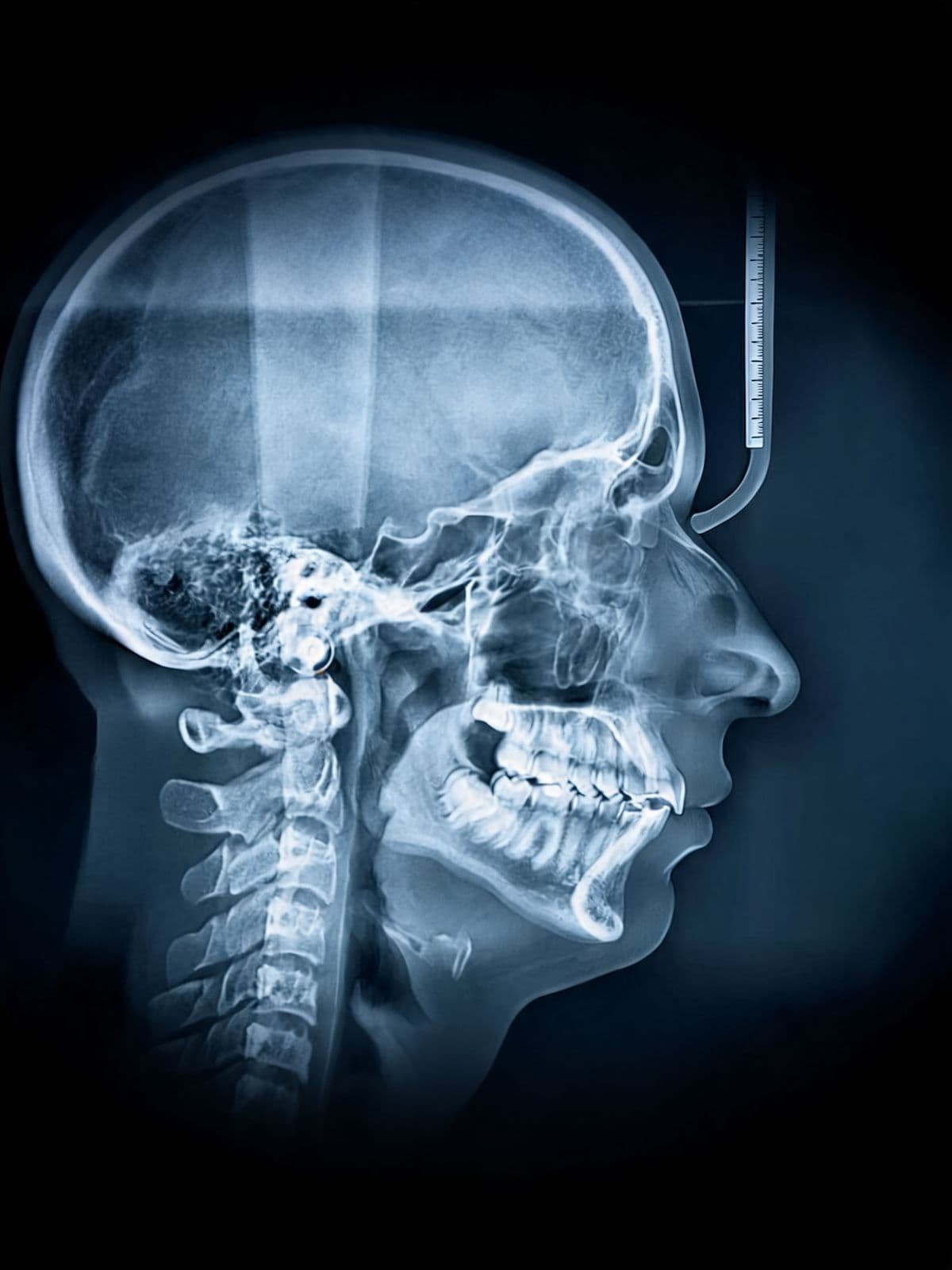
The temporomandibular joint (TMJ) connects your jaw to your skull, and the disorders grouped under 'TMJ' or TMD have more than one source. Some problems live inside the joint itself — a displaced disc, arthritis, an injury. Others live in the muscles that move the joint: the masseter, temporalis, and pterygoids. When those muscles are chronically overactive from clenching or grinding, they ache, they fatigue, they refer pain to the ear, cheek, and temples — and they load the joint with forces it was not built to absorb all day and all night.
Botulinum toxin — Botox or Dysport — temporarily relaxes the muscles it is placed in. For the muscle-driven share of TMJ pain, that relaxation can mean less clenching force, less muscle soreness, and less load through the joint. It does not repair a joint, reposition a disc, or fix a bite, and Dr. Marina will not present it as doing so. Her assessment separates muscle causes from joint causes, because the right treatment for each is different — and sometimes the right treatment is a combination, sequenced properly.
The masseter generates the bite force that grinds teeth and loads the joint. Precisely dosed relaxation lowers that force while keeping normal chewing comfortable.
Chronically contracted muscles ache and refer pain to the cheek, ear, and temples. Letting them rest can quiet the soreness that patients describe as their 'TMJ pain.'
Less clenching force means less wear, fewer cracked fillings and crowns, and less morning sensitivity — a direct benefit for teeth already damaged by grinding.
If your pain comes from the joint itself — clicking with locking, a disc problem, arthritis — muscle treatment alone will not solve it. The assessment identifies that, and the plan changes accordingly.
Patients arrive at 54 Warren Street saying 'I have TMJ' the way people say 'I have a headache' — as if it were one condition with one fix. In practice, two patients with identical complaints can need completely different care. One has a healthy joint being crushed by muscles that never rest. The other has quiet muscles and a joint that is itself injured or displaced. Injecting the first patient's muscles can change her life; injecting the second patient's muscles and stopping there would waste her time and money.
That distinction is exactly what Dr. Marina's assessment is built to make. She palpates the masseter and temporalis under clenching load, checks how far and how evenly the jaw opens, listens and feels for joint sounds, and reviews how your teeth meet and wear. Muscle-driven TMJ pain has a recognizable signature: tenderness in the muscles themselves, symptoms that track with stress and sleep, teeth worn flat by grinding. Joint-driven pain has a different one. The assessment sorts it out before a single unit of anything is discussed.
When muscle treatment does fit, it is rarely the whole plan. A custom night guard protects the teeth while the muscles calm down. Bite interferences that keep muscles on guard may need attention. And because botulinum toxin effects typically last about three to four months, follow-up is built in from the start — your response at each review shapes the next step. It is methodical, unhurried care for a problem that rewards methodical thinking.
Dr. Marina examines your jaw muscles, bite, and joint movement and reviews your history. Treatment is only discussed once the cause of your symptoms is understood.
If a muscle relaxant fits your case, Dr. Marina selects the product — Dysport in most cases, or Botox — the injection points, and the dose. Every plan is tailored; nothing is one-size-fits-all.
Effects develop gradually over the following days and typically last about three to four months. We review your response and adjust future sessions to your muscles and your goals.
No — and no responsible provider should claim it does. Botox and Dysport temporarily relax the muscles they are placed in. For TMJ pain driven by overactive, clenching muscles, that can bring real relief and protect the joint and teeth. For pain that originates inside the joint itself, muscle treatment is not the answer, and Dr. Marina's assessment will identify that before treatment is proposed.
Muscle-driven pain is usually dull and aching rather than sharp, is tender when the jaw muscles themselves are pressed, worsens with stress, chewing hard foods, or on waking, and often comes with worn teeth or a partner who hears grinding. Joint-driven problems more often involve clicking, popping, locking, or pain located precisely in front of the ear. The assessment confirms which pattern you have.
Doses for TMJ muscle care are planned to reduce excessive clenching force, not normal function — you will still chew, speak, and smile normally. The goal is to take overworked muscles from 'always on' back to a healthy range. Dr. Marina explains the expected effect for your specific muscles and dose before treatment.
Both are botulinum toxin type A products used to relax jaw muscles, with slightly different characteristics. Dr. Marina uses Dysport in most cases and Botox where it fits the plan better. What matters most is the assessment behind the choice — which muscles, how much, and why — and that is decided individually at your visit.
Relief builds gradually over the first one to two weeks and typically lasts about three to four months, varying with the muscle treated, the dose, and how heavily you clench. Many patients find that with repeated cycles their muscles stay calmer for longer. Your follow-up review tracks your personal pattern rather than assuming one.
Often, yes — they do different jobs. Muscle treatment reduces the force your jaw can generate; a custom night guard protects tooth surfaces and distributes the force that remains. For patients with significant grinding damage, Dr. Marina commonly plans both, sequenced so each supports the other.
RELATED TREATMENTS
How jaw clenching and muscle tension can feed recurring headaches — and where Botox or Dysport may fit after an assessment.
Why a jaw locks — muscle spasm or joint — and how relaxing a spasm may help when the cause is muscular.
Balancing bite forces: how calming overactive chewing muscles can protect teeth and restorations while the bite is evaluated.
Protect your teeth from grinding forces while muscle treatment reduces the force itself — the two are planned together.
TRIBECA • NEW YORK
Book an individual assessment with Dr. Marina at Tribeca Dental Studio, 54 Warren St — the answer decides the treatment, not the other way around.
Tribeca Dental Studio · 54 Warren St, New York, NY 10007