Tired After the Clock Change? It Might Not Be the Clock
October 23, 2026

Every November, the clocks go back an hour and my phones light up. Patients who were managing suddenly can't get through the morning. They blame the lost rhythm, the dark mornings, the early evenings. And for most people, that really is all it is — a few rough days, then the body catches up.
But some people are still exhausted two weeks later. For them, the clock was never the real problem. Breathing is.
I'm Dr. Nina Izhaky, owner of Tribeca Dental Studio in New York. A big part of my practice is airway and sleep — the snoring and sleep apnea side of sleep, the part that starts in the mouth. The time change is a stress test. It exposes how fragile your sleep already was.
Why an hour can break your sleep
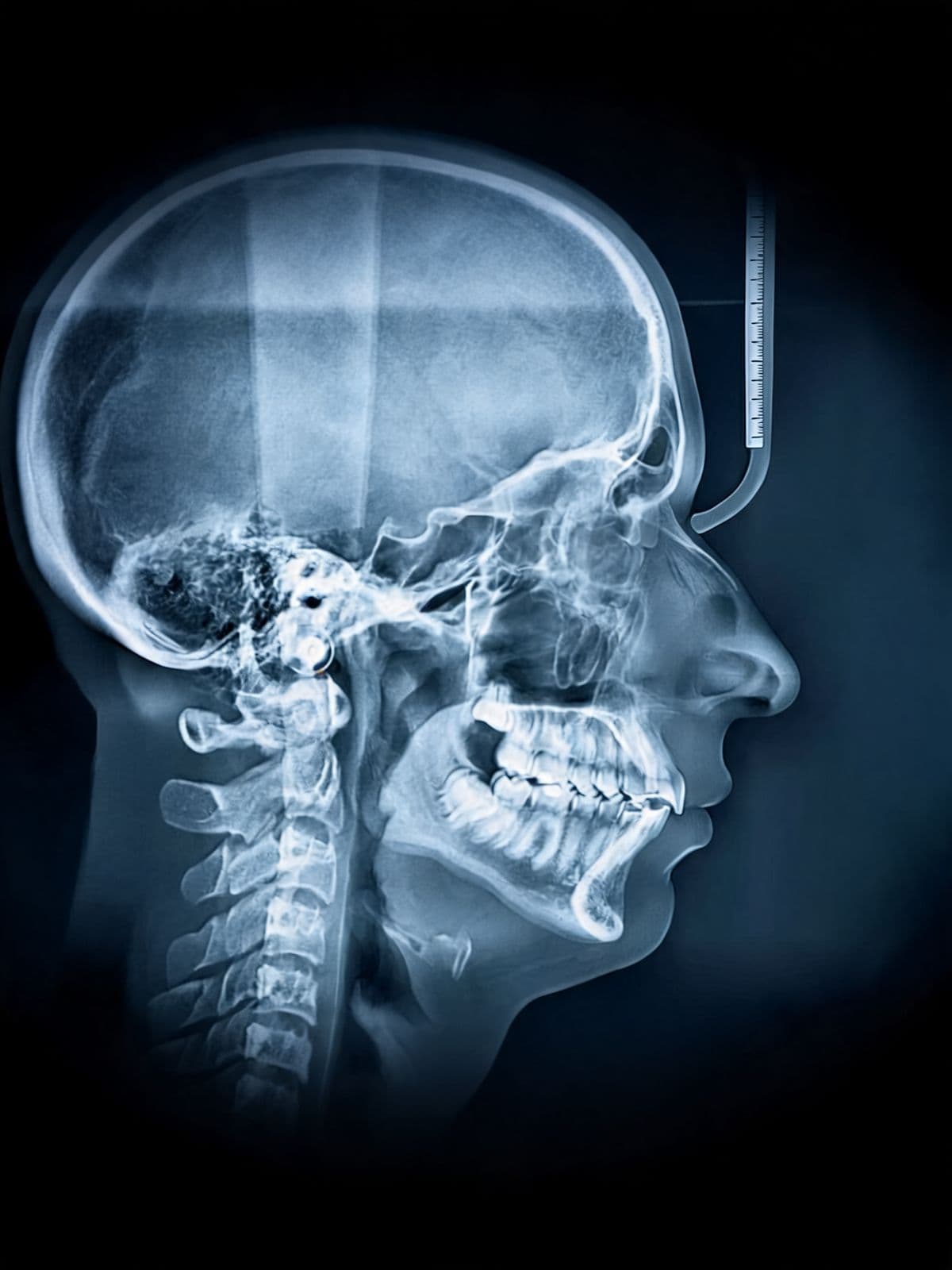
If your upper jaw is narrow, your airway is narrow. You can do everything right — morning light, no late caffeine, perfect schedule — and still never reach deep sleep, because you're fighting for air all night. An airway-trained dentist sees it in seconds: a scalloped tongue, worn-down teeth from grinding, a high, narrow palate, chronic mouth breathing. Sleep doctors don't look in the mouth. We do.
And why does this happen? Our jaws are shrinking. We eat soft, processed food, our kids breathe through their mouths instead of their noses, and the upper jaw never grows to its full width. The tongue is supposed to live up on the palate — that's what holds the airway open. In a narrow mouth the tongue has nowhere to go, so it sits low, and at night it falls back and blocks the throat, over and over. Those people aren't tired because of one lost hour. They're tired because they stop breathing properly all night, every night.
How to adjust to the time change
Start shifting the week before. Move bedtime and wake time 15 minutes a day toward the new clock, and protect the last hour before bed — no bright light, no heavy food, no scrolling. People try to fix it in one night. The body doesn't work that way; it adjusts in small daily steps.
Morning light is the strongest reset signal there is. Get outside within an hour of waking, even 10 to 15 minutes on a cloudy day. Caffeine is fine in the morning, but it lingers for hours, so nothing after early afternoon that week. Meals matter too: eat on the new schedule from day one. When you eat tells your body what time it is almost as much as light does.
For most people, full adjustment takes about a day per hour of change — two or three rough mornings for a one-hour shift, then it evens out.
Products: what helps, what to skip
A sunrise alarm clock, yes — it makes the dark mornings easier on your body clock. What I tell my patients to skip is mouth tape. It's trendy, but if you snore or have undiagnosed apnea, taping your mouth shut at night is a bad idea. And no product fixes a narrow airway. For adults whose palate is narrow, expansion is the actual treatment.
When it's not the clock anymore
If you're still exhausted two weeks after the time change, stop blaming the clock. That's the pattern I see in patients whose snoring or sleep apnea was there all along — the time change just made it impossible to ignore. Loud snoring, waking up with a headache or a dry mouth, a partner who notices pauses in your breathing: those are reasons to get evaluated, not to buy another gadget.
Sleep apnea is confirmed with a sleep study — in our practice all testing is at home, with an FDA-approved portable test, and anything that points to apnea goes to a sleep physician for diagnosis and a plan. The clock change comes twice a year. Breathing badly all night is every night. That's the one worth fixing.
FAQ
How long does it take to adjust to the time change?
For most people, about a day per hour of change — two or three rough mornings for a one-hour shift. If exhaustion lasts beyond two weeks, the problem is usually not the clock.
What is the single most useful thing to do before the clocks change?
Start a week early. Shift bedtime and wake time 15 minutes a day toward the new schedule, get morning light within an hour of waking, and keep caffeine to the morning only.
Can a dentist really tell if I have a sleep problem?
An airway-trained dentist can see the structural signs in seconds — a scalloped tongue, worn teeth from grinding, a high narrow palate, chronic mouth breathing. Diagnosis itself comes from a sleep study, interpreted by sleep specialists.
Does mouth tape help with snoring?
I tell my patients to skip it. If you snore or have undiagnosed sleep apnea, taping your mouth shut at night can make a bad situation worse. Find out why you snore first.
What actually treats a narrow airway?
For adults with a narrow palate, maxillary expansion is the actual treatment — it widens the upper jaw so the tongue has room and the airway stays open. Gadgets and supplements don't change the structure.
“The clock is rarely the real problem. Breathing is. If your upper jaw is narrow, your airway is narrow — and no alarm clock fixes that.” — Dr. Nina Izhaky, Tribeca Dental Studio