Snoring: Should You See a Dentist or a Sleep Doctor?
You snore loudly, your partner is exhausted, and you're asking the right question: should you see a dentist or a sleep doctor for snoring? I'm Dr. Nina Izhaky. Here is my honest answer: start with an airway-focused dentist. A dentist evaluates the structures that actually make the sound — your airway, your jaw position, your palate, and the tissues of the throat. Many causes of snoring exist, but the effects are the same: decreased life expectancy and lower quality of life. Your first visit with us is a diagnosis: why you snore, whether you have sleep apnea, what causes it, and what your symptoms are — and then we build your plan. Some patients need NightLase laser therapy, some need MARPE palatal expansion to open the airway, and some need a sleep physician — we will tell you which one you are.
What an airway dentist checks for snoring
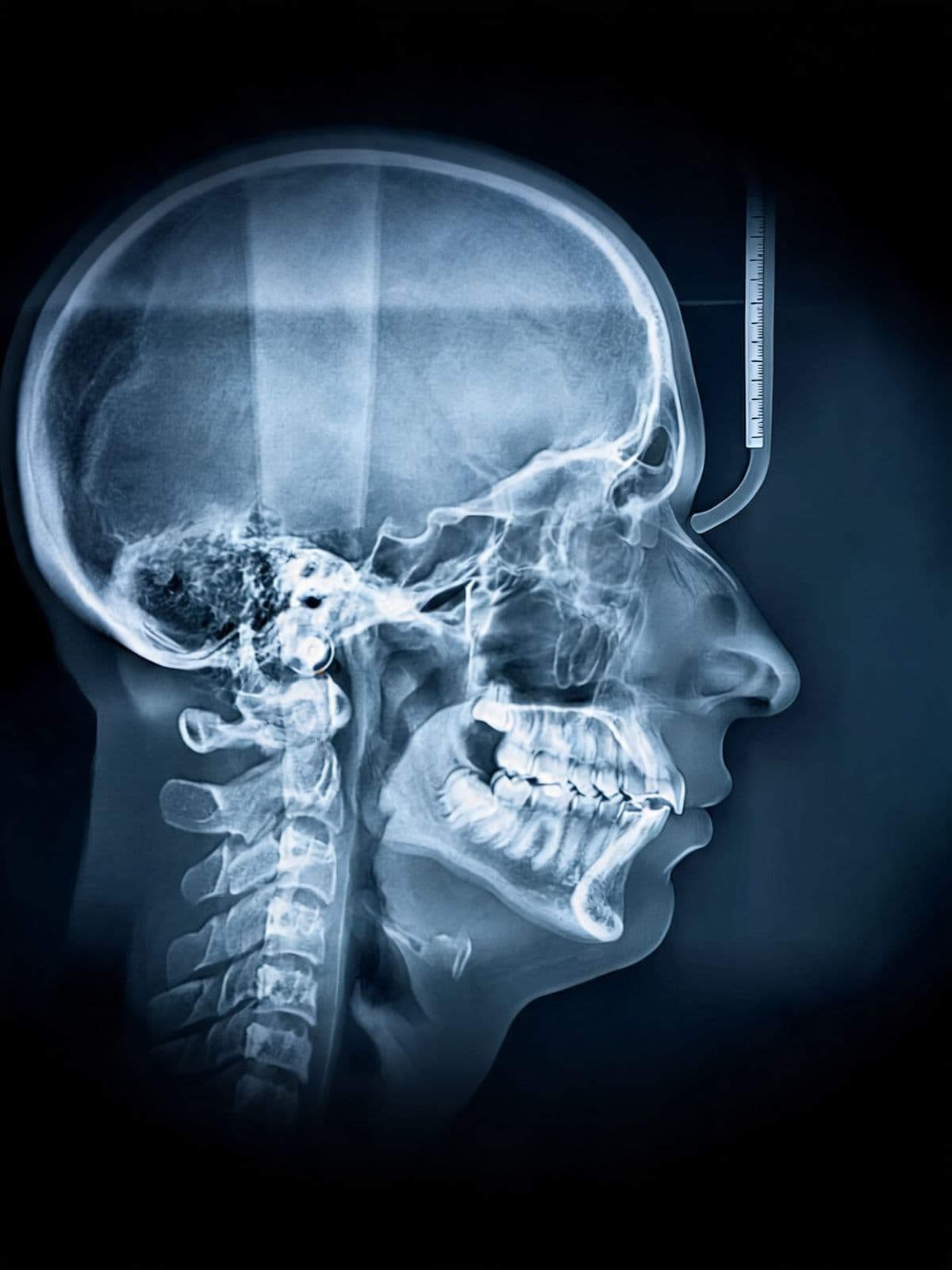
Snoring is a sound with a structural cause. Before anyone recommends treatment, these are the structures we evaluate.
Your airway.
The size and shape of the passage air travels through. A narrow or collapsible airway is one of the most common reasons snoring starts — and the first thing an airway-focused dentist looks at.
Your jaw position.
A jaw that sits back narrows the space behind the tongue. We evaluate how your jaw is positioned and whether it is contributing to the vibration you hear as snoring.
Your palate and arch width.
A narrow upper jaw means a narrow nasal airway above it. Palatal width is often the hidden structural cause of lifelong snoring — and it is something a dentist is uniquely positioned to evaluate.
Your throat tissue tone.
As we age, the tissues at the back of the throat slacken and become droopy. Loose tissue vibrates more — which is why many people start snoring in their forties and fifties even though they never snored before.
Your options when snoring is the symptom
Diagnosis first. Then the treatment that matches your cause.
Airway evaluation and diagnosis.
Your first visit answers the real questions: why do you snore, do you have sleep apnea, what are the causes, and what are your symptoms. Everything else follows from the diagnosis — never before it.
NightLase laser therapy.
A laser therapy we use for snoring, targeting the tissues at the back of the throat. Dr. Nina explains who benefits most — and her answer may surprise you.
MARPE palatal expansion.
When a narrow upper jaw is narrowing the airway, MARPE opens the palate and the airway with it. In most cases it is done to open up the airways and reduce the severity of apnea symptoms.
Oral sleep appliances and at-home testing.
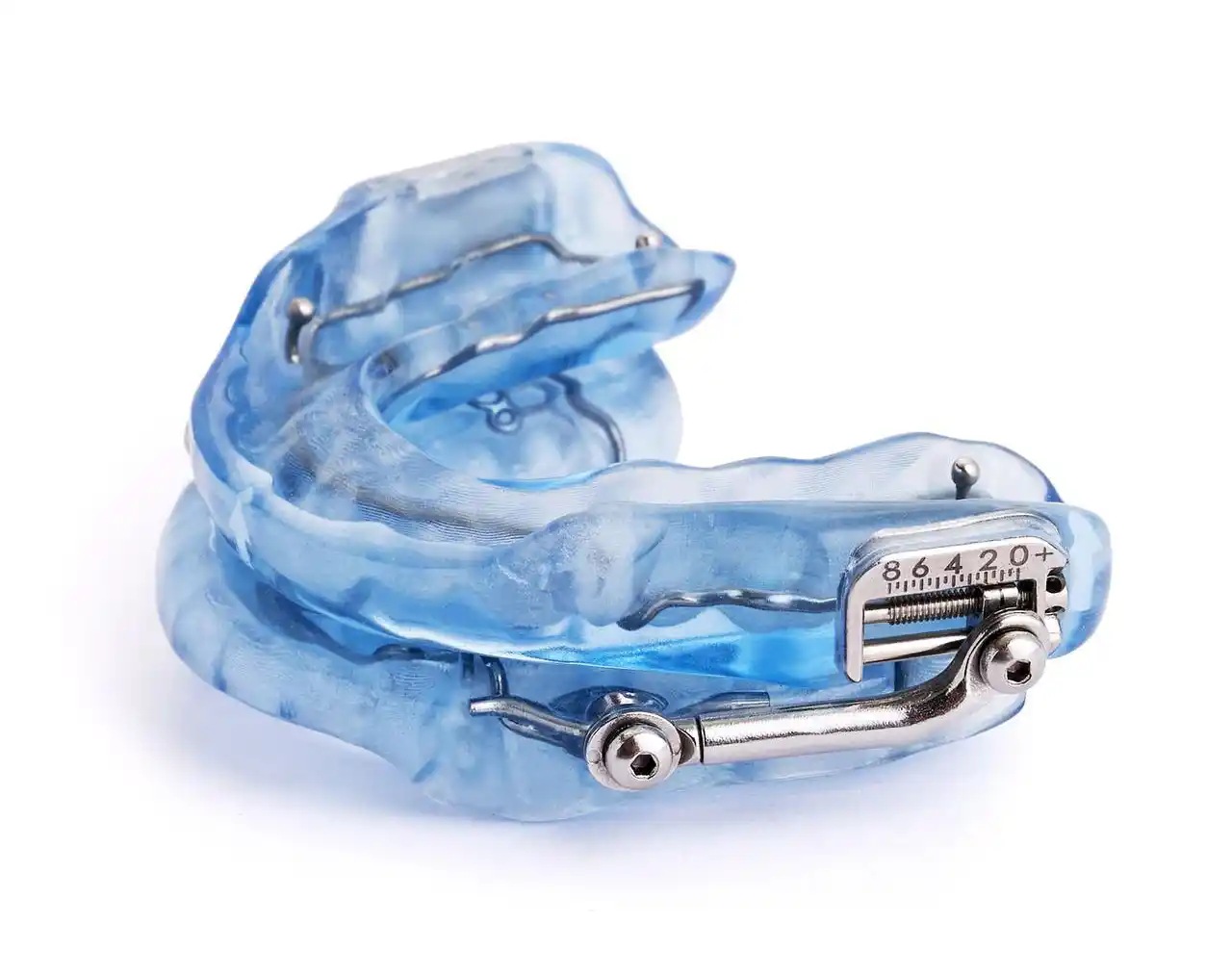
Custom oral appliances can hold the airway open during sleep. We do not do in-lab sleep studies — we use an FDA-approved portable at-home test or a medical-grade at-home test through an accredited sleep lab, interpreted by sleep specialists.
“We can all benefit from it because as we age, the tissue slackens and becomes droopy. So even if you don't need it when you're young and have no symptoms, as you get older you'll need it to tighten up those back-of-the-throat muscles. And who needs it least? Opera singers — singers in general. They exercise those tissues and keep them tight even with age.”
— Dr. Nina Izhaky (on NightLase)
“MARPE is life-changing because in most cases it's done to open up the airways and reduce the severity of apnea symptoms. It allows oxygen-deprived patients to breathe better, sleep better, and live longer. They leave their fatigue behind, enjoy full restful nights, and increase their attention span, alertness, and productivity.”
— Dr. Nina Izhaky (on MARPE)
My honest rule: dentist or sleep doctor?
Start with the dentist who evaluates airways — because the dentist can see the structures a physician's office never examines. If your evaluation shows signs that point to moderate-to-severe sleep apnea or a medical condition that needs managing, we send you to a sleep physician with your findings in hand. You lose nothing by starting with the evaluation; you only lose by guessing.
Hablamos español
We warmly welcome Spanish-speaking patients. Nuestro equipo le explica su diagnóstico y su plan de tratamiento en su idioma — llámenos al (212) 561-5303. No facturamos directamente al seguro; le ayudamos con el financiamiento.
Snoring: dentist or sleep doctor — questions answered
01Should I see a dentist or a sleep doctor for snoring?
Start with an airway-focused dentist. A dentist evaluates the structures that cause snoring — your airway, jaw position, palate, and throat tissue — which a sleep doctor's office typically does not examine. If the evaluation points to moderate-to-severe sleep apnea or a medical condition, we refer you to a sleep physician with your findings.
02What does a dentist actually do about snoring?
An airway-focused dentist evaluates why you snore: the size of your airway, your jaw position, your palate width, and your throat tissue tone. Depending on the cause, treatment may include NightLase laser therapy, MARPE palatal expansion, or a custom oral sleep appliance — and your first visit is a diagnosis, not a sales pitch.
03What is NightLase?
NightLase is a laser therapy we use for snoring, targeting the tissues at the back of the throat. As Dr. Nina puts it: as we age, the tissue slackens and becomes droopy, and the treatment tightens up those back-of-the-throat muscles. An evaluation determines whether you are a candidate.
04What is MARPE?
MARPE is a palatal expansion treatment that widens a narrow upper jaw. In most cases it is done to open up the airways and reduce the severity of apnea symptoms — allowing oxygen-deprived patients to breathe better, sleep better, and live longer. Your evaluation determines whether airway narrowing is part of your snoring.
05Do you do sleep studies in your office?
We do not do in-lab sleep studies. We use an FDA-approved portable at-home sleep test or a medical-grade at-home test ordered through an accredited sleep lab, interpreted by sleep specialists. You sleep in your own bed — no lab, no wires taped to a hospital room.
06What happens at the first visit for snoring?
A diagnosis. We find out why you snore, whether you have sleep apnea, what causes it, and what your symptoms are — and then we build your plan. Many causes of snoring exist, but the effects are the same: decreased life expectancy and lower quality of life. The visit is about answers first.
07When do I need a sleep doctor instead of a dentist?
When the evaluation suggests moderate-to-severe sleep apnea that may need CPAP or medical management, or when other medical conditions are involved. In those cases we refer you to a sleep physician — with your airway findings documented, so nothing starts from zero.
08Where are you located?
Tribeca Dental Studio, 54 Warren Street, New York, NY 10007 — in the heart of Tribeca. Call (212) 561-5303.
Snoring evaluation in the heart of Tribeca
Tribeca Dental Studio is at 54 Warren Street, New York, NY 10007 — in the heart of Tribeca, serving Tribeca, SoHo, Battery Park City, the Financial District, and Downtown Manhattan.
Snoring? Get the diagnosis first.
An airway evaluation, an honest answer about dentist versus sleep doctor, and a plan that matches your cause. Call (212) 561-5303 or book online.