Laser Gingivectomy
Gingivectomy focuses on removing or reshaping excess gum tissue when the underlying bone level does not need adjustment. Whether it is appropriate depends on periodontal and aesthetic evaluation.
Address excessive gingival display and expose more natural tooth structure when clinically appropriate. Laser-assisted gum recontouring is available in Lower Manhattan.
The short answer
Crown lengthening reshapes excess gum tissue to reveal more of your natural tooth \u2014 fixing a 'gummy' smile or preparing a tooth for a crown. We use laser-assisted recontouring for precise, gentle results with faster healing. It\u2019s a small change that transforms how your smile looks.
Excessive gingival display—often called a 'gummy smile'—occurs when healthy, full-length tooth structure is concealed beneath an overabundance of gum or bone tissue. Depending on the cause, treatment may involve soft-tissue recontouring, bone recontouring, or both. Laser technology may be used for selected soft-tissue steps to support precise treatment and controlled healing.

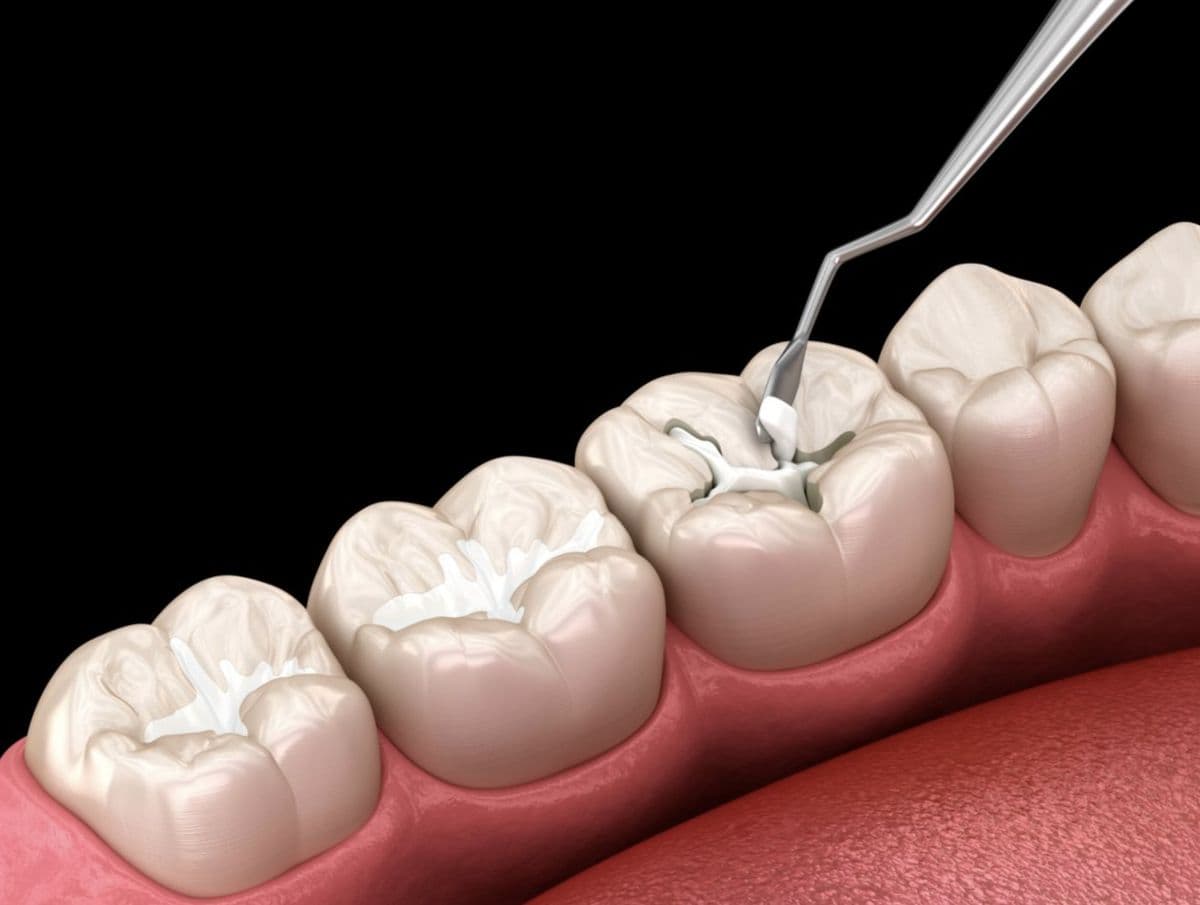
Uses soft-tissue laser energy to recontour selected areas of excess gum tissue with controlled tissue management.
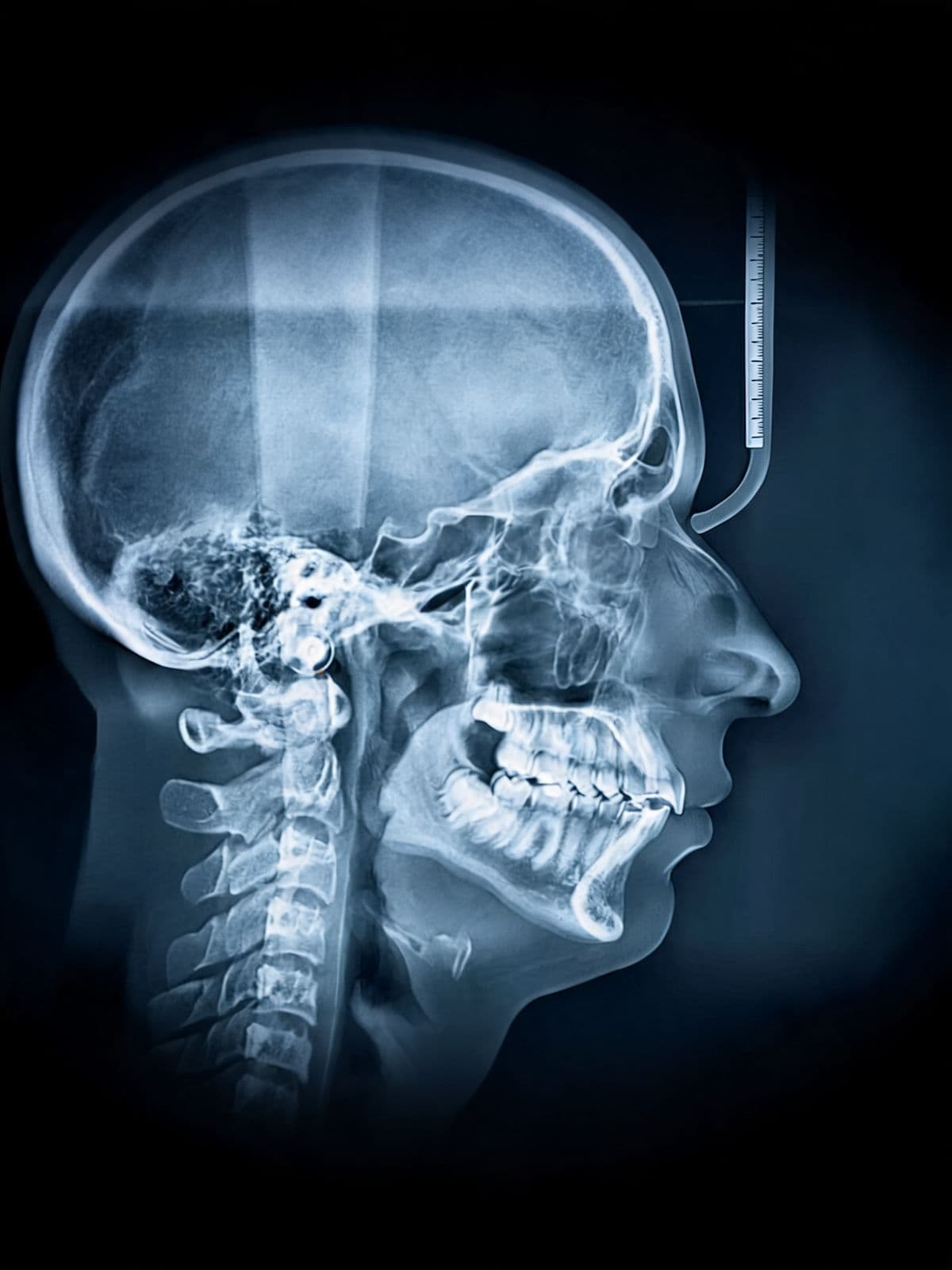
Exposes hidden, healthy tooth structure by gently reshaping excess gum and underlying bone for a balanced smile.
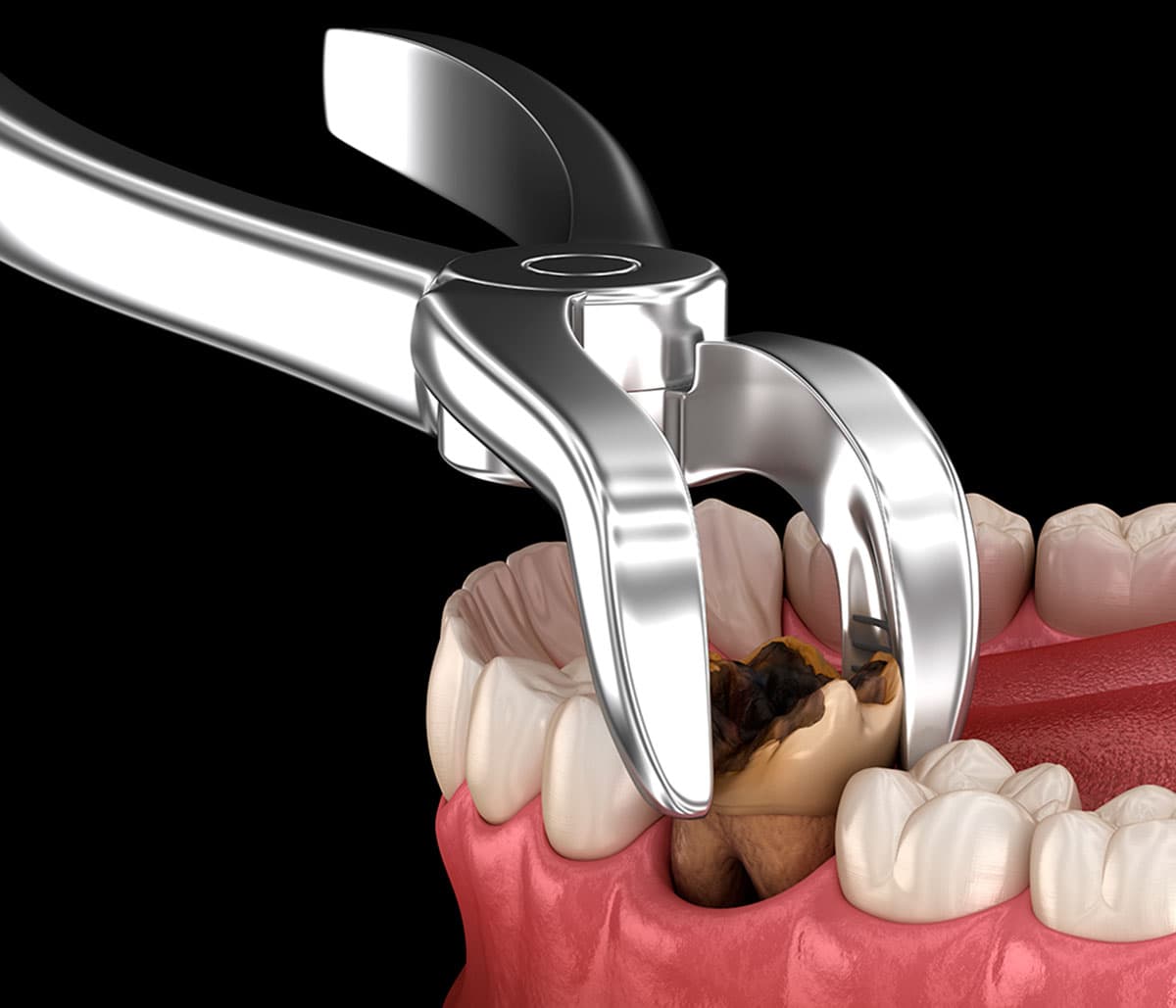
Provides necessary tooth exposure to firmly secure dental crowns when deep decay extends below the gum line.
Laser energy can support precise cutting and coagulation of soft tissue. Recovery time and post-procedure soreness vary by the extent of treatment.
Gingivectomy focuses on removing or reshaping excess gum tissue when the underlying bone level does not need adjustment. Whether it is appropriate depends on periodontal and aesthetic evaluation.
Crown lengthening may involve reshaping gum tissue and a limited amount of underlying bone to expose additional tooth structure. It may be used for selected restorative or aesthetic indications.
Sometimes it's altered passive eruption: the teeth never fully emerged, so gum tissue covers enamel that should be showing. Sometimes the upper lip simply rises higher when you smile. And sometimes the teeth themselves are worn or naturally short. This is why we never recommend treatment from a photo alone. At your consultation we map the gumline, measure how much tooth structure is hidden, and look at 3D scans to determine whether the answer is soft tissue, bone, lip position — or a combination.
That diagnostic step matters more than most people realize. If the cause is mostly soft tissue, a laser gingivectomy reshapes the gumline with minimal downtime. If bone sits too high around the teeth, crown lengthening addresses both. And if the real issue is tooth wear or shape, the honest answer might be veneers or bonding instead — which is why Dr. Nina is known for talking patients out of treatments they don't need. Her rule is simple, and it applies here just as it does in smile design: we reshape gums only when gums are the problem.
We evaluate your gingival display and digital scans to determine whether soft tissue, bone, or both require recontouring.
Local anesthesia is used to support comfort throughout the procedure.
Fotona laser technology can be used to contour selected gum areas while supporting controlled coagulation during treatment.
The new gumline is visible immediately after treatment, although swelling or tenderness can occur and healing time varies by procedure.
RELATED CARE
Learn how gum recession and selected exposed root surfaces are evaluated for grafting.
Explore facial and lip laser treatments that may complement an overall smile-design plan.
Crown lengthening may also be part of a restorative plan when additional tooth structure needs to be exposed.
“I talk patients out of veneers when their enamel is thick and beautiful \u2014 all they need is orthodontic alignment to let their amazing smile shine.”
— Dr. Nina Izhaky, Tribeca Dental Studio
The procedure is done under local anesthesia, so you won't feel pain during treatment. Most patients describe the days after as mild soreness rather than pain — manageable with over-the-counter medication. Laser-assisted techniques also mean less bleeding and swelling than traditional surgery with a scalpel.
Gum tissue typically heals within one to two weeks, though the final gumline settles over a few months. If bone was reshaped, healing takes a bit longer. We'll see you for a follow-up to make sure everything is healing exactly as planned — and to time any crowns or veneers that come next.
When the procedure is planned correctly — with the right amount of tissue and bone removed based on measurements, not guesswork — regrowth is uncommon. That's why the diagnostic mapping step matters: removing too little is the main reason gums creep back.
Sometimes — and it's one of the most common reasons patients come to us. A crown or veneer needs enough healthy tooth structure to hold onto. If decay or fracture extends below the gumline, or if the teeth are too short for an aesthetic result, lengthening first gives the restoration a stable foundation and a natural-looking result.
It depends on the reason. When it's medically necessary — for example, to expose decayed tooth structure so a crown can be placed — insurance often contributes. When it's purely cosmetic, plans typically don't cover it. Our team verifies your benefits before treatment so you know exactly where you stand.
TRIBECA • NEW YORK
Schedule your consultation for laser gingivectomy or crown lengthening in Lower Manhattan today.
SCHEDULE CONSULTATION