MARPE Palatal Expansion Tribeca
I’m Dr. Nina Izhaky. A narrow upper jaw causes more than crowded teeth — snoring, a constantly stuffy nose, jaw pain. For years, adults were told the only real fix was jaw surgery. Our airway-focused orthodontist, Dr. Reem Abdulrahman, offers MARPE: micro-implant–assisted expansion that widens the upper jaw in teens and adults, no surgery required.
What is MARPE, exactly?
MARPE — miniscrew-assisted rapid palatal expansion — widens the upper jaw by anchoring directly to the palatal bone with tiny micro-implants. That anchoring is what makes it different: conventional expanders push against the teeth, so they only work in young children before the midpalatal suture fuses (around ages 12–15). In adults, those expanders just tip the teeth outward instead of widening the bone. MARPE generates true, parallel bone expansion — non-surgically, in teens and adults.
Snoring & sleep apnea.
A constricted upper jaw shrinks nasal airflow volume — the classic setup for chronic snoring and sleep-disordered breathing, including OSA.
Chronic stuffy nose.
A narrow maxilla means a narrow nasal cavity. Many patients mouth-breathe by default because the nose simply can’t move enough air.
Crowded teeth & crossbites.
There isn’t room for all the teeth, so they overlap, tilt, and the bite doesn’t line up.
Jaw tension & TMJ strain.
Chewing dysfunction and uneven bite forces pressure the jaw joints — a narrow jaw is a common hidden driver of TMD pain.
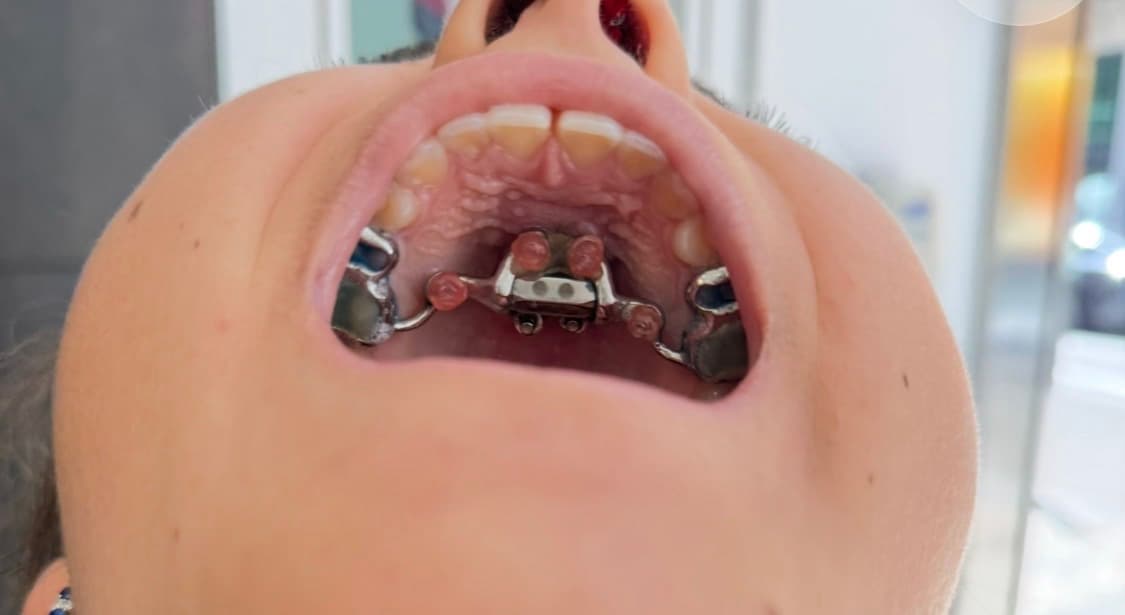
The MARPE process, step by step
Evaluation first, as always. Dr. Reem maps your palate in 3D and tells you honestly whether MARPE is right for you.
Consultation & 3D imaging.
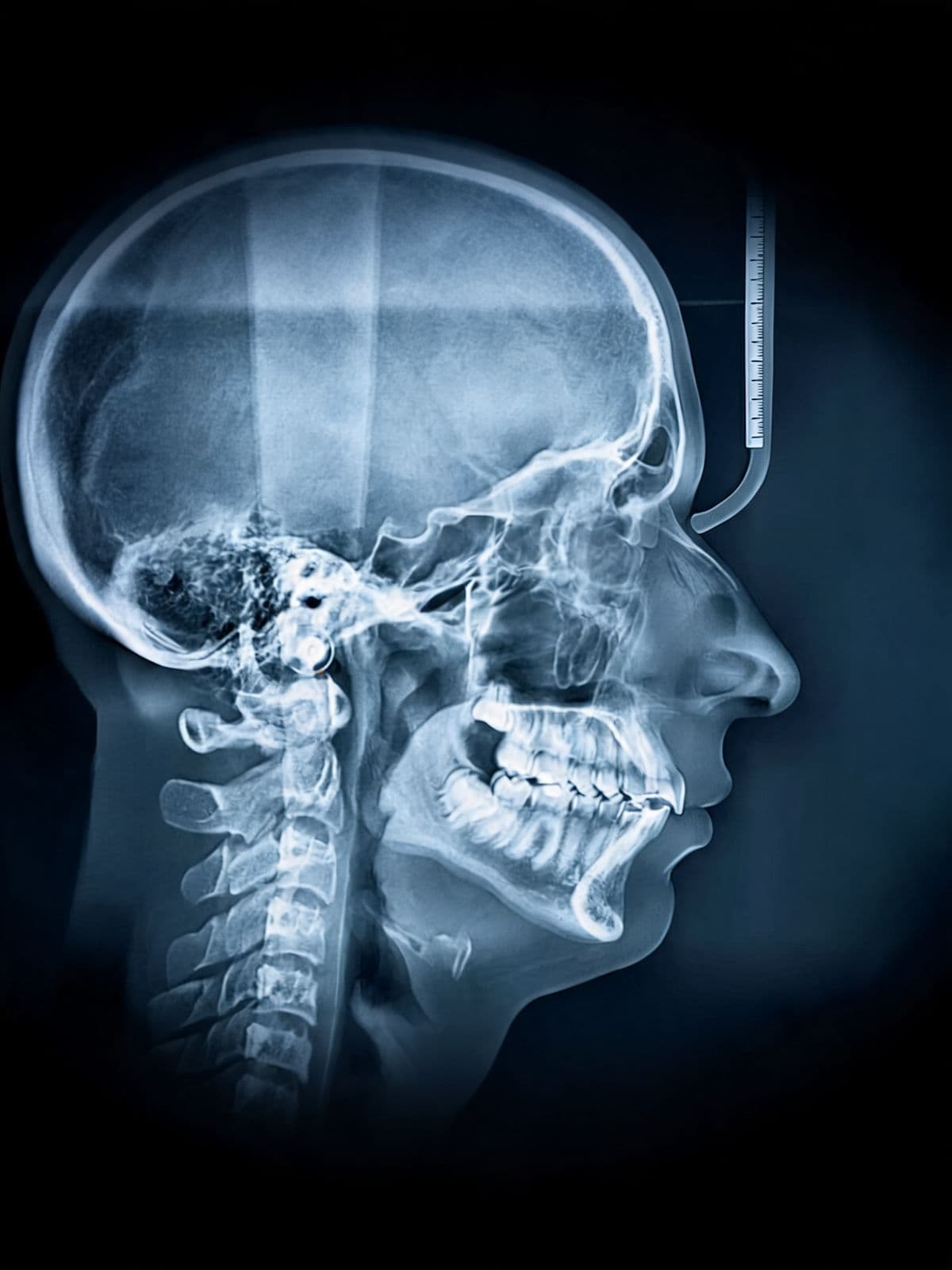
Dr. Reem maps your palate with CBCT 3D bone imaging and iTero digital impressions — measuring bone thickness, skeletal width, and airway concerns before anything is decided.
Appliance & miniscrew placement.
Under comfortable local anesthesia, the custom MSE device is anchored gently to the palatal bone. Placement itself is painless.
Controlled activation at home.
You turn the activation key at home exactly as directed. You may notice a soft internal ‘pop’ — that’s the midpalatal suture separating, which means the expansion is working.
Bone retention, then alignment.
The appliance stays passive for a few months while new bone regenerates and stabilizes. Then we finish with Invisalign or braces to align the teeth into their new space.
MARPE vs. the alternatives
Traditional expanders are tooth-borne — in adults they push teeth outward without widening the actual palatal bone, risking root damage. Surgical expansion (SARPE) cuts the maxilla under general anesthesia. MARPE anchors directly to the palatal bone with micro-implants, producing true parallel bone expansion without surgery. It also widens the nasal floor, opening the nasal airway passages — which is why breathing often improves too.
Why Widening the Jaw Helps You Breathe
Here is the anatomy most people never hear about: the roof of your mouth is the floor of your nose. They share the same bone. So when the upper jaw is narrow, the nasal cavity above it is narrow too — and a constricted upper jaw shrinks nasal airflow volume. That is the classic setup for chronic snoring, a constantly stuffy nose, and sleep-disordered breathing including sleep apnea. Many of my patients mouth-breathe by default simply because the nose cannot move enough air. A narrow jaw and a constantly stuffy nose usually travel together.
That is why MARPE is about more than straight teeth. The device anchors directly to the palatal bone with tiny micro-implants and widens the upper jaw itself — true, parallel bone expansion — which also widens the nasal floor and opens the nasal airway passages. Breathing often improves right along with the bite. Dr. Reem maps your palate in 3D before anything is decided and tells you honestly whether MARPE is right for you. True, parallel bone expansion — with no surgery required.
What does it actually feel like? The placement happens under comfortable local anesthesia and does not hurt. During the first activations at home, you may feel mild pressure across the nose or cheeks — most patients adjust within a few days. Some people notice a soft internal pop. That is the midpalatal suture separating, which means the expansion is working. Then the appliance rests passively for a few months while new bone regenerates and stabilizes everything.
MARPE is life-changing because in most cases it's done to open up the airways and reduce the severity of apnea symptoms. It allows oxygen-deprived patients to breathe better, sleep better, and live longer. They leave their fatigue behind, enjoy full restful nights, and increase their attention span, alertness, and productivity.
Dr. Nina Izhaky says:
Tribeca Dental Studio
MARPE questions, answered
01What is MARPE?
MARPE stands for miniscrew-assisted rapid palatal expansion. A custom device anchored to the palatal bone with tiny micro-implants widens the upper jaw — true bone expansion, done without jaw surgery.
02Am I too old for palatal expansion?
Not necessarily. Conventional expanders stop working once the midpalatal suture fuses (around ages 12–15) — but MARPE anchors to the bone itself, so it works in teens and adults. Dr. Reem confirms you’re a candidate with 3D imaging at the evaluation.
03Is the MARPE procedure painful?
Placement is done under local anesthesia and doesn’t hurt. During the first activations you may feel mild pressure across the nose or cheeks — most patients adjust within a few days.
04Will MARPE help my snoring or sleep apnea?
Widening the upper jaw opens the nasal airway, which can reduce snoring and reduce reliance on CPAP for OSA management. Whether MARPE is right for your sleep concerns starts with Dr. Reem’s airway evaluation.
05How much does MARPE cost?
It depends on your case. We’ll give you an exact number at your evaluation, before anything is scheduled — and walk you through financing. We don’t bill insurance directly.
06Where can I get MARPE in Tribeca, NYC?
Right here — Tribeca Dental Studio, 54 Warren Street, New York, NY 10007, with Dr. Reem Abdulrahman, our airway-focused orthodontist.
07How long does the MARPE appliance stay in?
You turn the activation key at home for the first weeks. After that, the appliance stays in passively for a few months while new bone regenerates and stabilizes the new width. Then we finish with Invisalign or braces to align the teeth into their new space.
08Will I need braces after MARPE?
Yes — MARPE creates the space; orthodontics finishes the job. Once the new width is stable, Invisalign or braces align your teeth into their new space and close any temporary gap. It is all planned from your first evaluation.
09Can MARPE replace my CPAP?
For some patients, opening the nasal airway reduces snoring and reduces reliance on CPAP — but MARPE is not a guaranteed cure for sleep apnea. Whether it fits your sleep concerns starts with Dr. Reem’s airway evaluation, and we coordinate with your physician when appropriate.
Find us in Tribeca
Tribeca Dental Studio is at 54 Warren Street, New York, NY 10007 — in the heart of Tribeca.
Find out if MARPE is right for you
Call (212) 561-5303 for a MARPE evaluation. Dr. Reem will map your palate in 3D and give you a straight answer.