Gummy Smile Correction: The Honest Patient Guide
I'm Dr. Nina Izhaky. If your smile shows a wide band of gum and your teeth look short, the teeth are usually fine — they're hidden. Gummy smile correction means finding out why the gum shows: excess gum tissue, teeth that never fully emerged, an upper lip that rises high, or the jaw itself. Then we fix that cause — sometimes with a gingivectomy, sometimes with crown lengthening, sometimes both, and sometimes the honest answer is veneers or orthodontics instead. Here is the honest picture: the causes, the options, and what treatment and healing actually feel like.
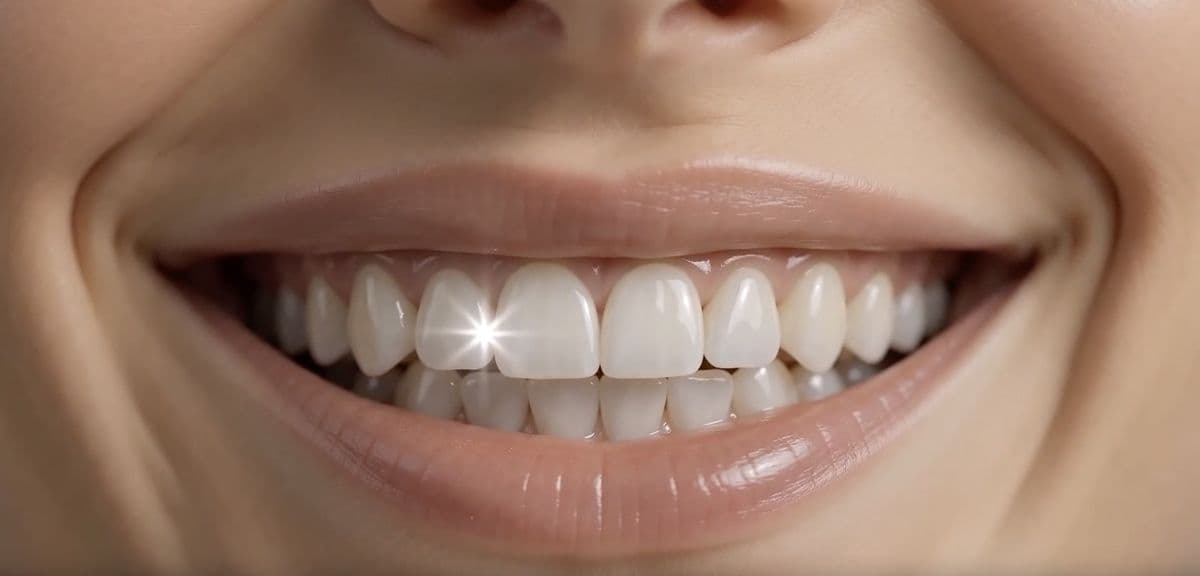
What correction actually does for you
A smile reads as balanced when tooth, gum, and lip are in proportion. Correction restores that proportion — by treating the cause, not by trimming at random.
Reveals the tooth that's already there.
In the most common pattern, your teeth are full length underneath the gum — they simply never fully emerged. Removing the excess tissue shows the smile you already own; nothing artificial is added.
Levels the gumline.
An even gumline across the front teeth is what the eye reads as a beautiful smile. Correction brings uneven margins — one tooth longer-looking than its neighbor — back into line.
Treats the cause, not the photo.
A tissue-driven gummy smile and a lip-driven one look similar in a selfie and are treated very differently. The plan follows the diagnosis: tissue, bone, lip, or teeth — each has its own correct answer.
Sets up everything that comes next.
If veneers or crowns are part of your future, the corrected gumline is the frame they're built on. Correcting the frame first means restorations are designed once, to the final gumline — not redone.
Signs your smile is showing gum, not tooth
None of these is a diagnosis — they're the patterns we check at the evaluation, where we measure which one is actually yours.
Teeth look short or square.
Front teeth that look stubby or unusually square are often full-length teeth with their top portion still covered by gum.
A wide band of gum shows when you smile.
Some gum display is normal and attractive. When the band is wide enough that it's the first thing you notice, proportion — not the teeth themselves — is the issue.
The gumline is uneven from tooth to tooth.
One tooth looks longer, its neighbor shorter, with no pattern — uneven gum margins are one of the most correctable causes of a smile that feels 'off.'
You manage your smile in photos.
Closed-lip smiles, a hand near the mouth, avoiding big laughs on camera — if you've built habits around hiding gum display, that's worth a real evaluation, not more habits.
Why a smile turns gummy: the causes, one by one
The most common cause we see is altered passive eruption: the teeth finished growing in, but the gum never receded to its adult position, so a band of gum still covers enamel that was meant to show. The teeth underneath are normal length — they're wearing a turtleneck. Closely related is simple excess gum tissue: some mouths carry more gum over the front teeth than proportion calls for, and the teeth read as short and square even though nothing is wrong with them. In both patterns, the fix is about the tissue — a gingivectomy, or crown lengthening when the bone underneath sits high as well — and the result is your own tooth, revealed.
The second family of causes is movement, not tissue. Some upper lips rise higher when smiling — a hypermobile lip — exposing more gum even when the gumline itself is perfectly placed. Others have lip length or position that shows more gum at rest. These cases are exactly why we never plan from a still photo: a gumline that looks excessive in a portrait may be correctly placed, with the display coming from the lip's travel. Gum surgery on a lip-driven smile removes tissue that wasn't the problem. The honest conversation in these cases covers what gum correction can and cannot change, and what the realistic options are.
The third cause sits deeper: the jaw. Vertical maxillary excess — an upper jaw that developed with extra vertical height — brings the whole gum-and-tooth complex down, and gum display follows. Worn or naturally short teeth create a similar picture from the other direction: the teeth are genuinely short, so gum dominates the proportion. Neither is fixed by trimming gum alone, and pretending otherwise would be dishonest. Jaw-driven cases may belong with orthodontics or surgical colleagues; worn teeth are usually a restorative story — rebuilding length with veneers or crowns, sometimes after gum correction sets the frame. Naming the true cause is not a detour from treatment. It is the treatment plan.
What the correction is like
Measured, numb, and planned tooth by tooth — here is the sequence most patients follow.
Evaluation and gumline mapping.
We measure gum display, covered tooth structure, bone level, and lip movement, and review 3D scans with you. You leave knowing the cause and the plan matched to it — before anything is scheduled.
Comfort first.
The area is fully numb with local anesthesia before we begin. Whether your plan is a gingivectomy, crown lengthening, or both, you should feel pressure and movement — not pain — during the appointment.
Reshaping, tissue and bone as planned.
Excess gum tissue is removed and recontoured — with laser precision for soft-tissue steps where appropriate. If your plan includes crown lengthening, the underlying bone is adjusted so the new gumline has a stable foundation.
Reveal, healing checks, and timing.
The new gumline is visible right away, then settles as healing completes. We check you during healing, and time any veneers or crowns to the mature gumline so the final result is designed once.
Gingivectomy or crown lengthening — which one?
They treat different layers of the same problem. A gingivectomy works on soft tissue only: it removes and reshapes excess gum when the bone underneath is already at the right level. Crown lengthening goes one layer deeper, adjusting gum and a limited amount of bone when the bone sits too high for the gumline to stay where it's placed. Many gummy smile corrections combine the two in a single plan. Which one your smile needs is decided by measurement at the evaluation — specifically, where your bone sits relative to where your gumline should be.
Gummy smile treatment: what it actually involves
Treatment starts with the evaluation, because the right procedure depends entirely on the cause we find. If excess gum tissue is the story — teeth that never fully emerged, gum covering enamel that should be showing — a gingivectomy reshapes the tissue and reveals the tooth. If the bone underneath sits too high around the teeth, crown lengthening adjusts gum and bone together so the new gumline stays where it's placed. Many smiles need both, planned as one correction. And when the cause is tooth shape, tooth wear, or lip movement rather than gum, we'll tell you plainly: the honest treatment might be veneers, bonding, or orthodontics — or a combination — and gum surgery would be the wrong tool. The sequence always runs diagnosis first, procedure second.
After correction: healing, and keeping the gumline
Healing follows the extent of what was done. Tissue-only correction with a gingivectomy typically feels like a tender gum for days, with the area looking settled within one to two weeks. When crown lengthening reshaped bone as well, healing runs longer and the gumline matures over a few months — which is why we time any veneers or crowns after correction to the settled gumline, not the fresh one. Temporary sensitivity to cold is common while tissue heals, and it fades as healing completes. We'll give you exact aftercare for your case: soft foods at first, gentle cleaning around the area, and a follow-up so we can check the new gumline as it heals.
Patients ask whether the gum grows back. When correction is planned by measurement — the right amount of tissue, and bone adjusted when bone is part of the cause — regrowth is uncommon. Removing too little tissue, or ignoring high bone underneath, is the main reason gumlines creep back, and it's a planning failure, not a property of the procedure. At your follow-ups we watch the gumline as it matures, and at regular checkups we keep an eye on it along with everything else. The corrected gumline is not fragile; it simply deserves the same monitoring as the rest of your mouth.
What we measure at your gummy smile evaluation
A gummy smile evaluation is mostly measurement, because correction planned by eye is how gumlines end up wrong. We map the gumline tooth by tooth: how much gum shows at rest and in a full smile, how much of each tooth is covered, and how the margins compare across the front teeth. We check how far the gum extends over the enamel and where the bone sits underneath — that distinction, tissue versus bone, is what separates a gingivectomy plan from a crown lengthening plan. We watch your lip move, at rest, speaking, and in a full smile, because lip travel explains some displays that tissue doesn't. And we use 3D scans and photographs so the plan is built on measurements we can show you, not impressions.
What you leave with is the cause, named, and a sequence matched to it: gingivectomy if tissue is the story, crown lengthening if bone is, both if both — or a restorative or orthodontic plan if the honest answer lies there instead. You'll also get the exact fee in writing before anything begins; our care is out-of-network, and there are no surprise numbers later. Two smiles can look equally gummy in a photograph and need genuinely different corrections — which is why no honest recommendation exists before this appointment, and why, after it, the recommendation is clear.
Care in your language
Our team speaks English, Spanish, Ukrainian, Farsi, Hebrew, Polish, Russian, Korean, Arabic, and French. We explain your gummy smile evaluation and plan in your language — call us at (212) 561-5303. Care is out-of-network, and you receive the full fee in writing before treatment.
We Reshape Gums Only When Gums Are the Problem
I'm known for talking patients out of treatment they don't need, and gummy smiles are one of the places that matters most. A gummy smile is a photograph diagnosis — it tempts everyone, patient and dentist alike, to reach for the laser. But the photograph can't tell you whether the display comes from tissue, from bone, from the lip, or from the jaw, and each of those has a different correct answer. Trimming gum on a lip-driven smile doesn't fix the smile; it just removes healthy tissue and leaves the patient with the same display and less gum.
So the rule in this studio is simple: we reshape gums only when gums are the problem. When they are — when full-length teeth are sitting under a band of tissue that never got out of the way — correction is one of the most satisfying procedures in dentistry, because nothing is fake. We are not adding anything. We are revealing what was always there, and patients recognize their own smile in the mirror, just finally in proportion.
And when the gums aren't the problem, I'll tell you that too, and show you the measurements that prove it. Maybe the answer is veneers, because the teeth are genuinely worn short. Maybe it's orthodontics. Maybe, honestly, it's that your smile is within the range of normal and attractive, and the right treatment is none. You deserve the diagnosis before the procedure — that's the appointment we offer first.
Gummy smile correction questions, answered
01Does gummy smile correction hurt?
The procedure is done under local anesthesia, so you won't feel pain during treatment. Afterward, most patients describe soreness at the gum rather than pain, managed with over-the-counter medication. Laser-assisted soft-tissue steps also tend to mean less bleeding and swelling than traditional techniques.
02Will my gums grow back after correction?
When the correction is planned by measurement — the right amount of tissue removed, and bone adjusted when bone is part of the cause — regrowth is uncommon. Removing too little, or ignoring bone that sits too high, is the main reason gumlines creep back. That's why the evaluation measures bone level before anything is planned.
03How long does healing take?
Gum tissue typically heals within one to two weeks after a gingivectomy. When crown lengthening reshaped bone, the gumline keeps maturing over a few months, and we time any veneers or crowns to the settled gumline. Temporary sensitivity is common during healing and fades.
04Can veneers alone fix a gummy smile?
Only in one situation: when the teeth are genuinely short or worn, veneers can rebuild their length and change the proportion. If your teeth are full length but covered by gum, veneers can't reveal what's hidden — the tissue has to be corrected first, and veneers (if wanted at all) come after, built to the new gumline.
05What if my gummy smile comes from my lip or jaw?
Then gum surgery alone won't fix it, and we'll tell you that at the evaluation. A lip that rises high when you smile, and a jaw with extra vertical height, both create gum display that tissue removal can't correct. We'll show you the measurements, explain what gum correction could and couldn't change in your case, and point you to the right treatment — which may be orthodontic or a combined plan.
06Am I too old — or too young — for gummy smile correction?
What matters is the cause and the maturity of the teeth and gums, not a birthday. Younger patients need fully erupted teeth before correction is planned, since the gumline is still settling. For adults, the evaluation decides: if the cause is tissue or bone position, correction is usually straightforward at almost any age.
Gummy smile correction in Tribeca
Tribeca Dental Studio, 54 Warren St, New York, NY 10007 — correcting gummy smiles for patients from Tribeca, the Financial District, Battery Park City, SoHo, and Lower Manhattan since 2007. Open Monday–Friday 8 AM–6 PM and Saturday 9 AM–4 PM. Call (212) 561-5303.
Find Out Why Your Smile Shows Gum — and Whether It Should
One measured evaluation tells you the cause of your gum display and the correction matched to it — or honestly tells you no gum procedure is what you need. Book the evaluation, and bring your questions.