Airway Dentist in Tribeca, SoHo & Downtown NYC
Healthy breathing is the foundation of overall wellness. Our modern approach to orthodontic care doesn't just straighten teeth—it optimizes airflow, sleep quality, and long-term vitality for both children and adults.
Multi-Specialty Airway Care
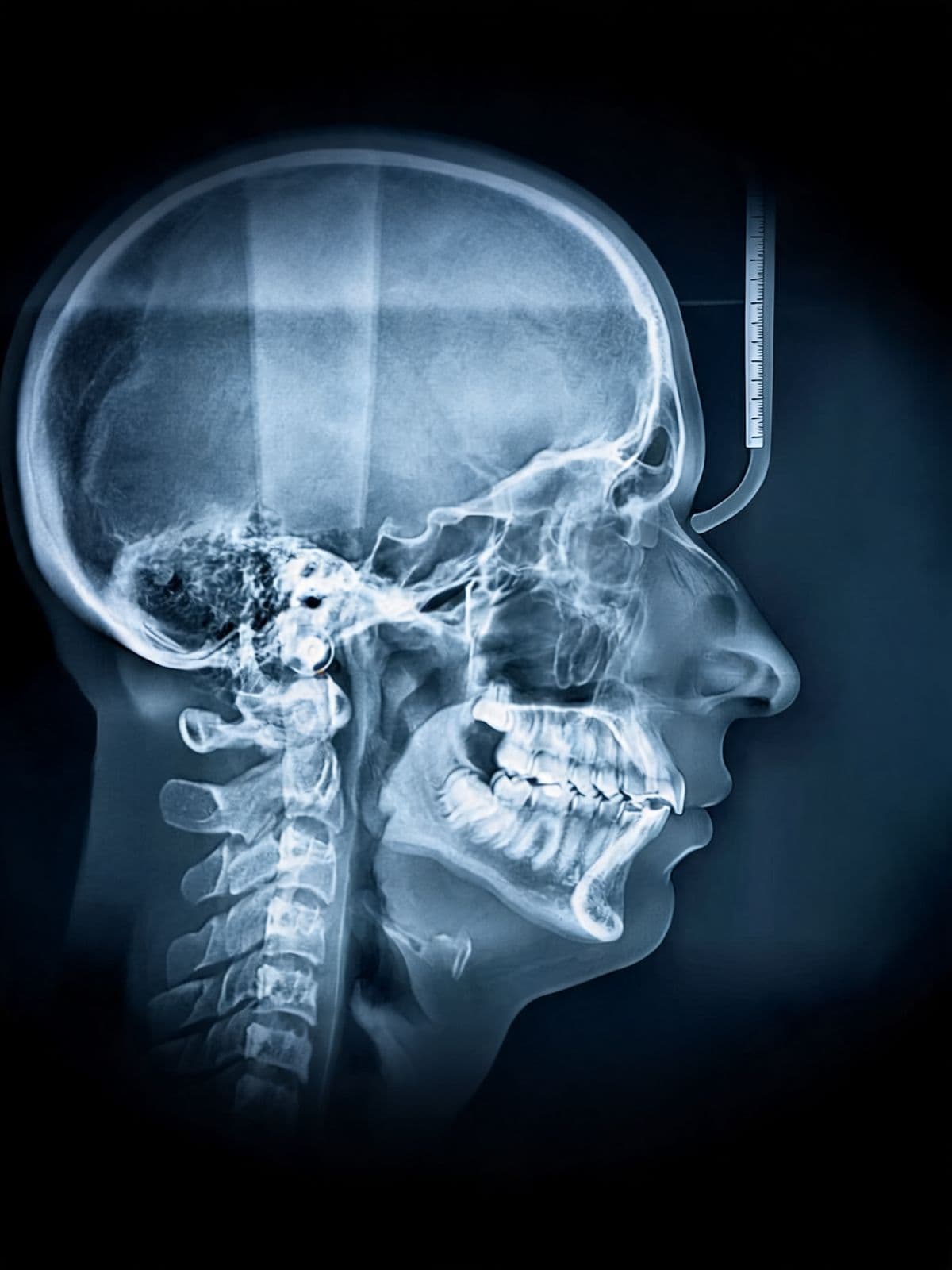
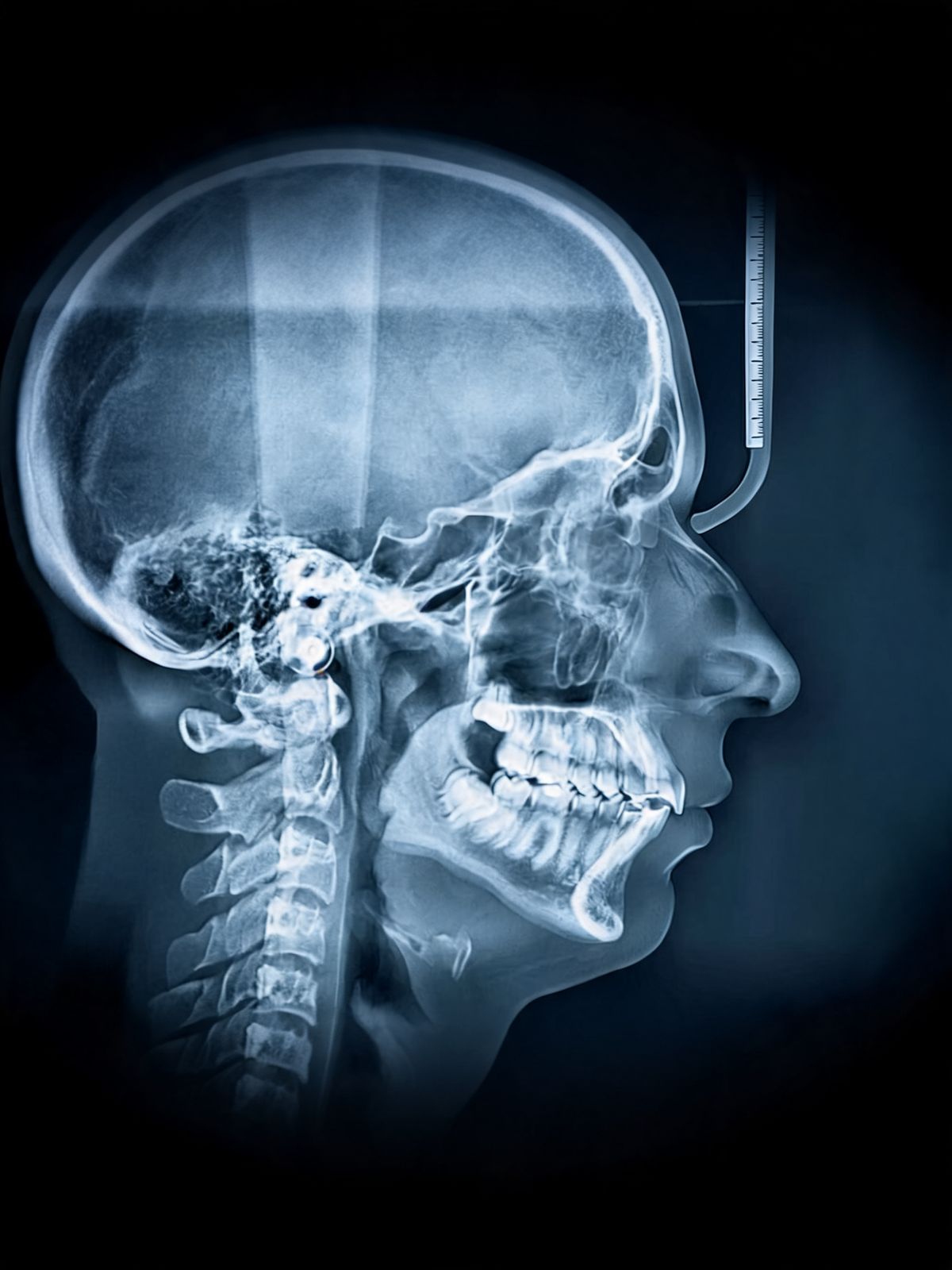
Combining 3D CBCT airway measurements for optimized breathing and sleep quality.
Quick Answer
Your jaws decide how well you breathe at night. Narrow arches or a recessed jaw can mean snoring, mouth breathing, and restless sleep. We start with 3D CBCT imaging to see your actual anatomy, then match the treatment to what we find — laser therapy, palatal expansion, a custom sleep device, or a combination.
Early Detection
How Do I Know If I Need an Airway Evaluation?
Patient Education
How Orthodontics Connects to Breathing
Your teeth and jaws do more than shape your smile — they shape the space your tongue lives in. When the upper jaw is narrow or the dental arches are crowded, the tongue has less room to rest in its natural position against the palate. Over time, that crowding can encourage mouth breathing, especially at night, when relaxed throat muscles narrow the airway further.
This is where airway-focused orthodontics comes in. By guiding jaw development in growing children and widening constricted arches in teens and adults, orthodontic treatment can create more oral volume and support healthier tongue posture and nasal breathing. Complementary therapies work on other parts of the same system: NightLase® gently firms the soft tissues of the throat, and custom oral appliances hold the jaw in a position that keeps the airway open during sleep.
These approaches are designed to support healthier breathing and sleep — they are not a cure for sleep apnea. Diagnosing and medically managing sleep apnea is a physician's role, which is why a proper evaluation — including sleep studies when indicated — is always the first step.
Jaw Width Shapes Airway Space
A narrow upper jaw leaves less room for the tongue and nasal passages. Expansion techniques like MARPE and MSE are designed to widen the skeletal base, not just tilt teeth.
Tongue Posture Matters
The tongue should rest against the palate, sealing the mouth for nasal breathing. Crowded arches can push it downward and backward — orthodontic alignment helps give it room to rest where it belongs.
Growth Is a Window of Opportunity
In children, guiding jaw growth while bones are still developing can influence facial development and breathing patterns for life. Early evaluation matters more than early treatment.
Integrated Clinical Options
What Are My Options for Airway Treatment in NYC?
Our approach is not one-size-fits-all. We utilize advanced 3D CBCT imaging to evaluate your unique anatomy and offer target-driven modalities:
Non-Invasive Laser
NightLase® Therapy for Snoring & Sleep Apnea
NightLase® is a gentle, non-surgical laser treatment that tightens throat and soft palate tissues to reduce airway collapse with zero downtime.
Explore Full Treatment
Growth & Airway Expansion
Palatal Expansion (MARPE)
Miniscrew-assisted rapid palatal expansion (MARPE) anchors directly to the palate bone to broaden upper jaw width, improving dental arch room and nasal airflow.
Explore Full Treatment
Adult Skeletal Expansion
Maxillary Skeletal Expansion (MSE)
MSE targets the midpalatal suture directly using bicortical micro-implants, delivering true parallel skeletal jaw expansion for adults without surgery.
Explore Full Treatment
CPAP Alternative
Custom Sleep Apnea Devices
For adults struggling with CPAP machines, custom oral appliances reposition the jaw and tongue forward to keep the airway clear and silent all night.
Explore Full Treatment
Home & Lab Testing
Diagnostic Sleep Studies (In-Lab & Home)
Comprehensive diagnostic assessments (Polysomnography or convenient Home Sleep Apnea Tests) that evaluate oxygen levels and respiratory effort.
Explore Full Treatment
Laser Frenectomy
Gentle Laser Tongue & Lip Tie Release
Functional dentist Dr. Nina Izhaky performs gentle laser frenectomies in NYC to release tongue and lip restrictions safely for infants, kids, and adults.
Explore Full Treatment
At a Glance
Airway Treatments Compared
| Treatment | What It Does | Good to Know |
|---|---|---|
| NightLase® Laser Therapy | Tightens throat tissues to reduce airway collapse | Non-surgical, zero downtime |
| MARPE Palatal Expansion | Broadens the upper jaw with miniscrew anchors | Improves nasal airflow and arch room |
| MSE Skeletal Expansion | True parallel jaw expansion for adults | Four micro-implants, no surgery |
| Custom Sleep Apnea Device | Repositions the jaw to keep the airway open | An alternative to CPAP |
Candidacy
Who Is a Good Candidate for Airway Care?
Airway evaluations at our Tribeca practice are for anyone whose breathing, sleep, or jaw development raises questions — child or adult. You may benefit from an assessment if any of these sound familiar:
Children With Warning Signs
Chronic mouth breathing, restless sleep, snoring, or difficulty focusing during the day can all be worth an airway-focused orthodontic look while growth can still be guided.
Adults Who Snore
Loud, nightly snoring often signals that the airway narrows during sleep. A 3D CBCT evaluation can show whether dental or skeletal structure is contributing.
CPAP-Intolerant Patients
If a CPAP machine isn't working for your lifestyle, custom oral appliances offer a dentist-provided alternative for mild-to-moderate obstructive sleep apnea.
Narrow Smiles in Teens & Adults
Crowded teeth, a narrow palate, or a retruded jaw can limit oral volume. Expansion and orthodontic options in Lower Manhattan can address structure and alignment together.
What to Expect: From Evaluation to Results
Every airway journey at Tribeca Dental Studio starts with understanding your anatomy — not with a one-size-fits-all device.
01
Consultation & Symptom Review
We talk through your sleep, breathing, and dental history — for children, that includes growth and behavior patterns parents have noticed.
02
3D CBCT Airway Imaging
A 3D CBCT scan maps your jaws, nasal passages, and airway volume so recommendations are based on your actual anatomy.
03
Personalized Treatment Plan
Depending on findings, your plan may combine expansion, orthodontics, NightLase®, an oral appliance, or frenectomy — and a sleep study when one is indicated.
04
Active Treatment
Treatment proceeds in phases with regular check-ins at our Lower Manhattan studio, tracking both dental movement and breathing-related symptoms.
05
Long-Term Follow-Up
Airway care doesn't end when an appliance comes off. We monitor stability over time and adjust the plan as growth or symptoms evolve.
Why It Matters
Benefits of Airway-Focused Orthodontics
Straight teeth are only part of the picture. An airway-first approach to orthodontics is designed to deliver functional gains alongside a better smile:
Breathing-Conscious Alignment
Tooth movement planned around arch width and tongue space, not just front-tooth straightness.
Support for Better Sleep Quality
By addressing structural contributors to nighttime airway narrowing, treatment aims to support quieter, more restful sleep.
Healthier Jaw Development in Kids
Guiding growth early can support balanced facial development and nasal breathing habits during the years they matter most.
A Functional, Comfortable Bite
Proper arch form and jaw relationships distribute biting forces evenly, which may ease strain associated with clenching and TMJ tension.
Personalized Lifespan Care
Airway-Focused Care for Children & Adults
Pediatric Early Airway Intervention
In children, early intervention guides jaw development, expands arches, establishes nasal breathing, and prevents chronic sleep or behavioral issues.
Adult Airway & Sleep Optimization
In adults, care focuses on reducing snoring, managing mild-to-moderate sleep apnea, opening nasal passages, and relieving TMJ tension.
Frequently Asked Questions
Is airway orthodontics only for children?
No. While early guidance in children yields optimal lifelong results, adults see massive benefits, particularly for sleep apnea, TMJ strain, and chronic snoring.
Can a dentist really help with sleep apnea?
Absolutely. Dentists are uniquely positioned to evaluate oral structures and provide custom oral appliance therapy—an effective, comfortable alternative to CPAP.
How long does airway treatment take?
Timelines depend on the modality. NightLase® laser therapy yields results in just a few weeks, whereas palatal expansion or orthodontic remodelling takes several months.
Will airway orthodontics change how I look?
In children, guiding jaw growth creates a fuller, healthier facial structure. In adults, widening a constricted upper jaw subtly enhances middle-face harmony.
How is airway orthodontics different from traditional orthodontics?
Traditional orthodontics focuses primarily on straightening teeth and correcting the bite. Airway orthodontics considers those goals alongside breathing function — evaluating arch width, tongue space, and jaw relationships with 3D imaging, and choosing techniques like palatal expansion that develop the underlying structure rather than only moving teeth.
Do I need a sleep study before starting airway treatment?
Not always, but it's often recommended. A sleep study — at home or in a lab — measures what actually happens with your breathing and oxygen levels overnight, which helps determine whether an oral appliance, NightLase®, or another approach is appropriate. Our Tribeca studio offers both home and in-lab testing options.
At what age can my child be evaluated for airway orthodontics?
Children can be evaluated as soon as airway-related signs appear — often well before all permanent teeth erupt. Early evaluation doesn't always mean early treatment; sometimes it simply means monitoring growth and timing intervention for the developmental window when it will help most.
Is airway orthodontic treatment painful?
Most airway orthodontic techniques work gradually — expansion happens over weeks to months, and laser therapies like NightLase® are non-surgical with no downtime. Some pressure or soreness is normal with orthodontic movement, and your care team will guide you through what to expect at each stage.
Schedule Your Airway Consultation in Tribeca
A healthier smile and healthier breathing start here. Schedule your airway consultation today.
Book Consultation Now