Apicoectomy Procedure
Save your natural tooth when traditional root canals fall short. Precision root-end microsurgery to eliminate persistent infection in Lower Manhattan.
The short answer
An apicoectomy is microsurgery that saves a tooth when a root canal wasn't enough. We access the root tip through the gum, remove the infected tissue and root end, and seal it — all under magnification. It's the last line of defense before extraction, and for the right tooth, it works beautifully.
The ultimate line of defense before tooth extraction.
When a conventional root canal is unable to resolve an infection due to narrow canals, calcification, or persistent apical lesions, an apicoectomy directly accesses the root apex. By removing only the infected root tip and placing a biocompatible retrofill seal, we preserve your natural tooth for a lifetime.

Why Choose An Apicoectomy
Natural Tooth Preservation
Saves your natural tooth structure from extraction when a traditional root canal treatment has failed.
Endodontic Microsurgery
Targeted resecting of the infected root tip (apex) using high-resolution 3D CBCT mapping and microscopic precision.
Biocompatible Root-End Seal
Seals the root-end with specialized retrofill material to permanently eliminate bacteria and persistent pain.
Over 90% Success Rate
Modern ultrasonic instruments deliver a predictable, minimally invasive procedure to protect neighboring bone.
Why a Root Canal Sometimes Isn't Enough
Root canals fail for specific, understandable reasons — not because anyone did anything wrong. Some teeth have extra canals that don't show up on standard 2D X-rays. Some canals curve in ways instruments can't fully navigate. Sometimes a tiny fracture in the root harbors bacteria no amount of cleaning from above can reach. And sometimes the infection at the root tip simply persists in the surrounding bone even after the canal itself is clean.
None of this means the tooth is doomed. It means the problem is at the tip of the root — a place conventional treatment reaches only indirectly. An apicoectomy goes straight to the source: the last few millimeters of the root come out, the area is cleaned, and the canal is sealed from below. It's a different door into the same house.
Step-by-Step Apicoectomy
Targeted Local Anesthesia & Access
The area is numbed completely. A small, micro-incision is made in the gum tissue near the root to expose the underlying bone.
Root-End Resection (Apicoectomy)
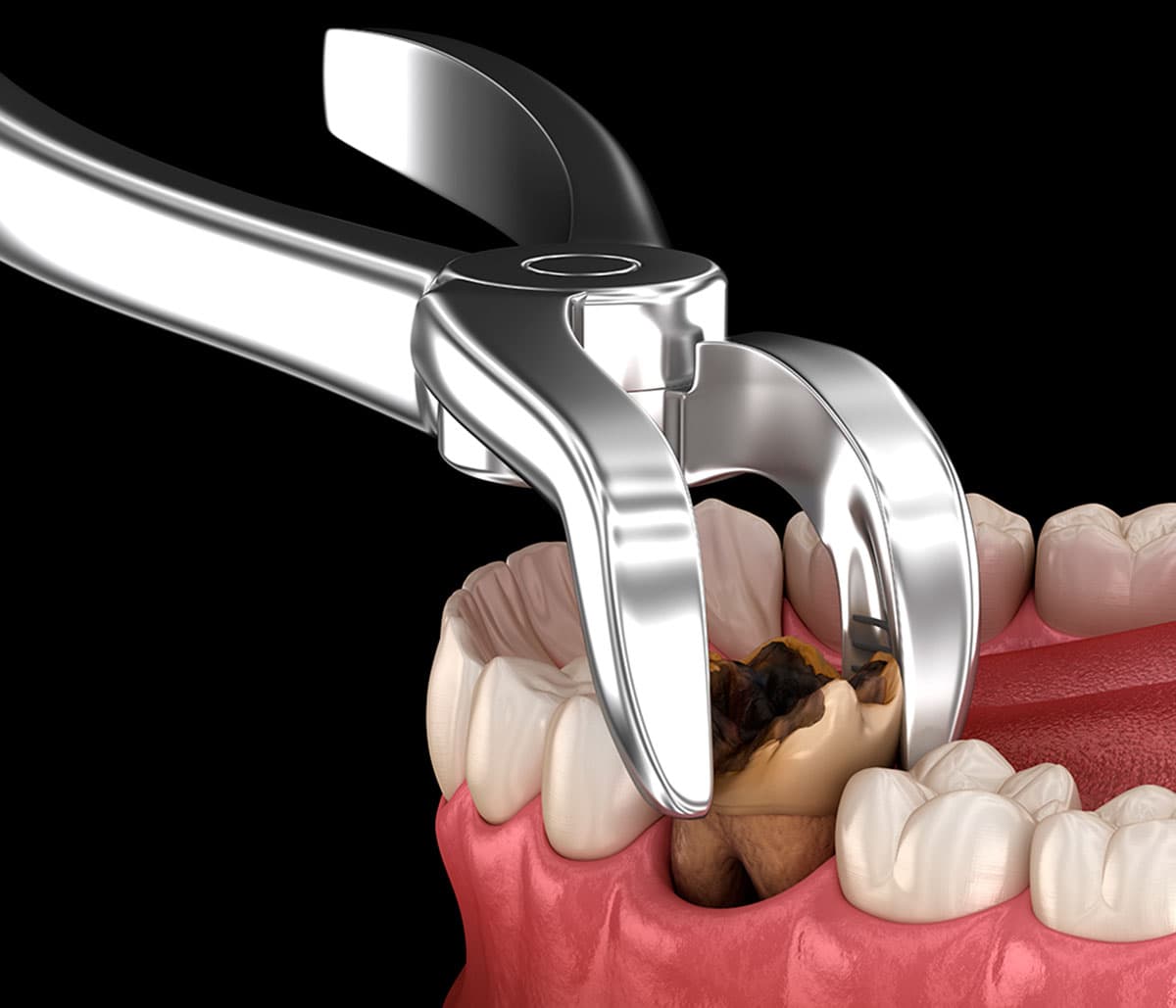
The endodontist carefully removes the infected tissue and the last few millimeters of the root tip (apex).
Retrofill Biocompatible Seal
The end of the root canal is cleaned and sealed with a biocompatible retrofill material to prevent future infection.
Microsurgical Suturing & Recovery
Gum tissue is repositioned and secured with tiny sutures. Most patients return to normal activities in 24–48 hours.
Can an Apicoectomy Save My Tooth?
When a root canal doesn't fully eliminate an infection, most patients assume extraction is inevitable. But between conventional retreatment and extraction lies a third path many never hear about: apicoectomy. Instead of working through the crown of the tooth, we access the root tip directly through the gum, remove the infected tissue, and seal the root end with a biocompatible material.
It's a procedure that demands millimeter precision, which is why 3D imaging planning is fundamental. Before any incision, we know exactly where the root tip sits, which neighboring structures — sinuses, nerves, adjacent teeth — must be respected, and how much resection is needed. At Tribeca Dental Studio, we use magnification and microsurgical instruments to keep the intervention as conservative as possible.
For our downtown Manhattan patients, the value is clear: keeping your natural tooth avoids the cascade of decisions that follows an extraction — implant, bridge, or partial denture, each with its own cost, timeline, and complexity. If you've been told your tooth can't be saved after a failed root canal, an evaluation at our Warren Street office may reveal that apicoectomy is the solution nobody mentioned.
Recovery, Honestly
Let's talk about what the days after an apicoectomy actually feel like — because the word “surgery” sounds scarier than this is. Most patients go home with mild swelling that peaks around day two and fades over the week. Discomfort is typically managed with over-the-counter medication; prescription pain relief is available if you need it, but many patients don't.
You'll eat soft foods for a few days — think yogurt, eggs, pasta — and avoid chewing directly on the treated side while the gum heals. A few small sutures close the site; they dissolve on their own or come out at a quick follow-up about a week later. Most people are back to work and normal routines within 24 to 48 hours, which surprises nearly everyone who expected a long ordeal.
One thing worth knowing: the bone around the root tip keeps remodeling for months after the gums look fully healed. That's normal and expected — we monitor it with follow-up imaging to confirm the infection is gone and the bone is filling back in. Healing you can't see is still healing.
When We'd Recommend Retreatment Instead
An apicoectomy is a wonderful tool, but it's not always the right first move. If a previous root canal failed simply because a canal was missed or incompletely cleaned — and we can still reach it through the crown — conventional retreatment is often the simpler answer. No incision, no sutures, just a second, more thorough pass through the tooth.
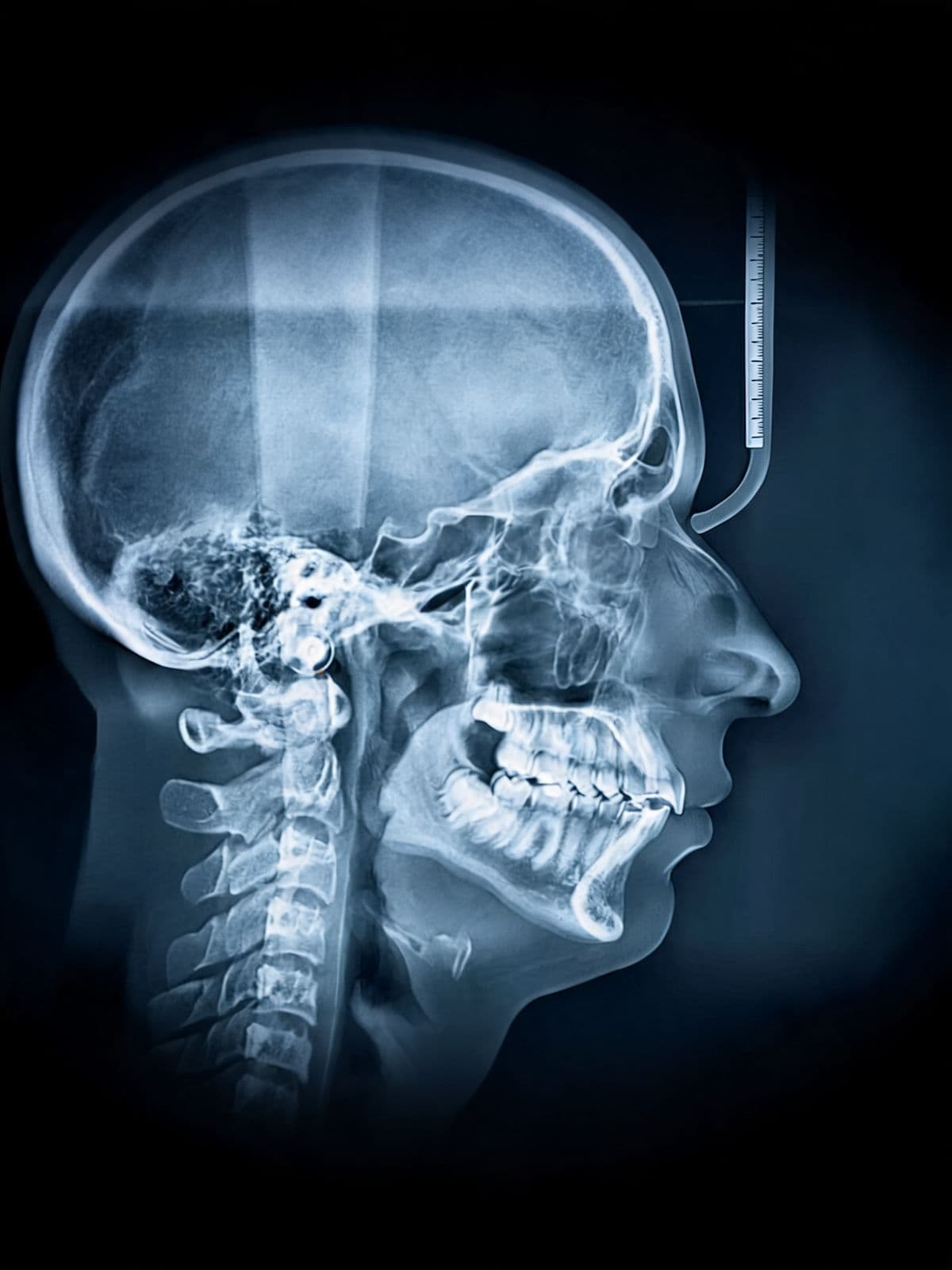
This is where 3D imaging earns its keep. A CBCT scan shows us the exact shape of the canals, the size of the lesion at the root tip, and whether a post or crown blocks access from above. With that picture, we can tell you honestly which path gives your tooth the best odds — retreatment, apicoectomy, or, when neither makes sense, extraction and replacement with an implant. The goal is never the procedure; it's the tooth.
Frequently Asked Questions
Is an apicoectomy painful?
+How long does recovery take?
+What are the alternatives to an apicoectomy?
+When is an apicoectomy recommended over retreatment?
+Will I need stitches after the procedure?
+How successful is an apicoectomy at saving the tooth?
+Explore Related Services
TRIBECA • NEW YORK
Save Your Natural Tooth with Precision Microsurgery
Schedule your consultation for an apicoectomy procedure with our endodontic specialists in Lower Manhattan today.
SCHEDULE CONSULTATION