Root Canal Therapy in Tribeca, NYC
Persistent tooth pain, lingering sensitivity, swelling, or a deep crack can signal a problem inside the tooth. Root canal treatment removes inflamed or infected pulp, cleans and seals the internal canal system, and helps preserve a tooth that may otherwise require extraction.
The short answer
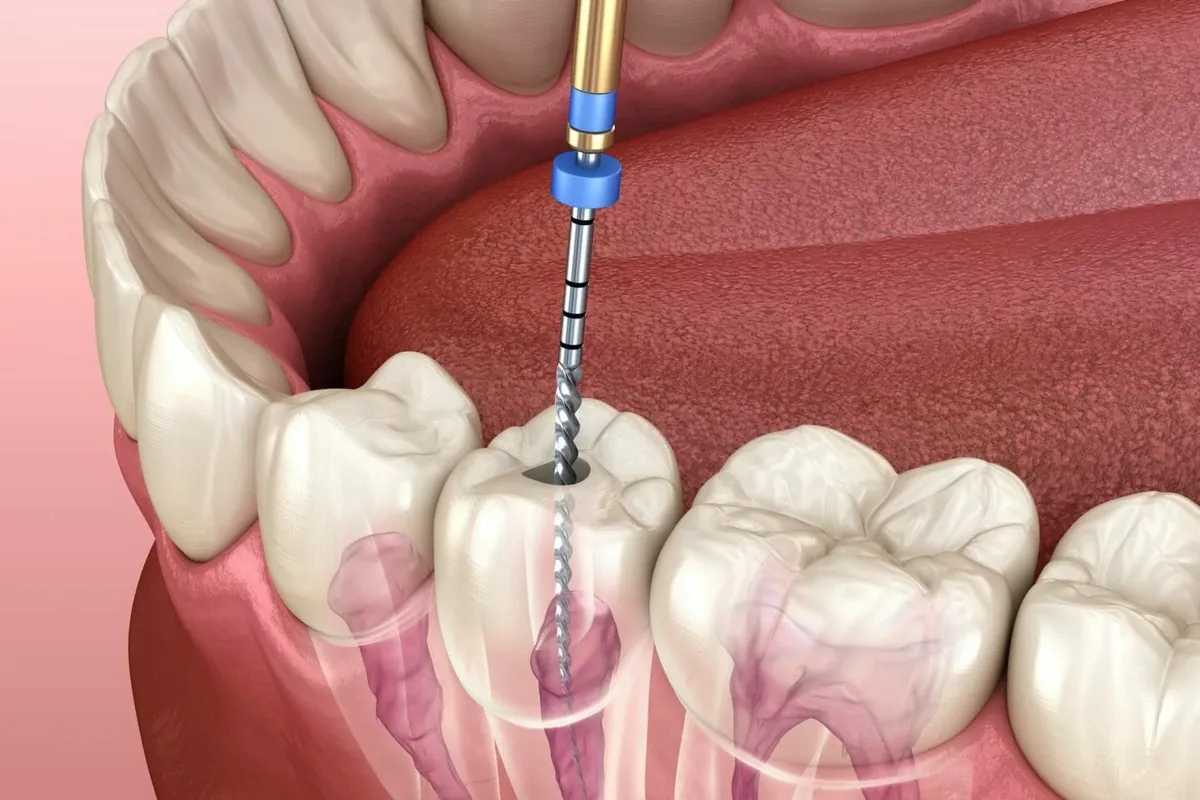
Root canal treatment saves a tooth with inflamed or infected pulp — removing the damaged tissue inside, disinfecting the canals, and sealing them so the natural tooth can stay and function. At our Tribeca studio, we diagnose first with digital imaging and magnification, and most patients are surprised by how comfortable the visit feels.
What Is Root Canal Treatment?
Inside every tooth is a soft tissue space containing the pulp. When that tissue becomes inflamed or infected because of deep decay, a crack, trauma, or leakage around an older restoration, symptoms can become persistent. Root canal therapy focuses on treating the inside of the tooth while keeping the natural outer tooth and root whenever the tooth is restorable.
Removes inflamed or infected pulp tissue
Cleans, shapes, and disinfects the root canal system
Fills and seals the prepared canals
Allows the tooth to be restored for normal function
How Do I Know If I Need a Root Canal?
Symptoms vary from tooth to tooth, and some teeth show very few warning signs. A clinical exam and dental imaging are needed to determine whether the pulp is reversibly irritated, needs root canal treatment, or whether another condition is causing the discomfort.
Persistent or Spontaneous Tooth Pain
A tooth that aches without a clear trigger, wakes you at night, or continues to hurt after pressure is removed should be evaluated.
Lingering Hot or Cold Sensitivity
Sensitivity that continues after a hot or cold stimulus is gone can be associated with inflammation inside the tooth.
Pain When Biting or Chewing
Tenderness when the tooth is loaded can be related to pulp inflammation, infection around the root, a crack, or another bite-related problem.
Swelling, Tender Gums, or Drainage
Localized swelling or a pimple-like bump near a tooth may indicate drainage from an infection and should be assessed promptly.
Cracked, Chipped, or Traumatized Tooth
A deep crack or dental injury can expose or damage the pulp even when the tooth initially appears intact.
Tooth Darkening
A tooth that becomes noticeably darker after trauma or over time may need vitality testing and imaging to determine the cause.
Common Reasons a Tooth May Need Root Canal Treatment
Deep tooth decay that reaches or approaches the pulp
A crack or fracture that allows bacteria into the tooth
Dental trauma, including injuries that happened years earlier
Repeated restorative treatment on the same tooth
Leakage or recurrent decay around an older filling or crown
Previous root canal treatment that has developed new symptoms
How We Evaluate Root Canal Pain
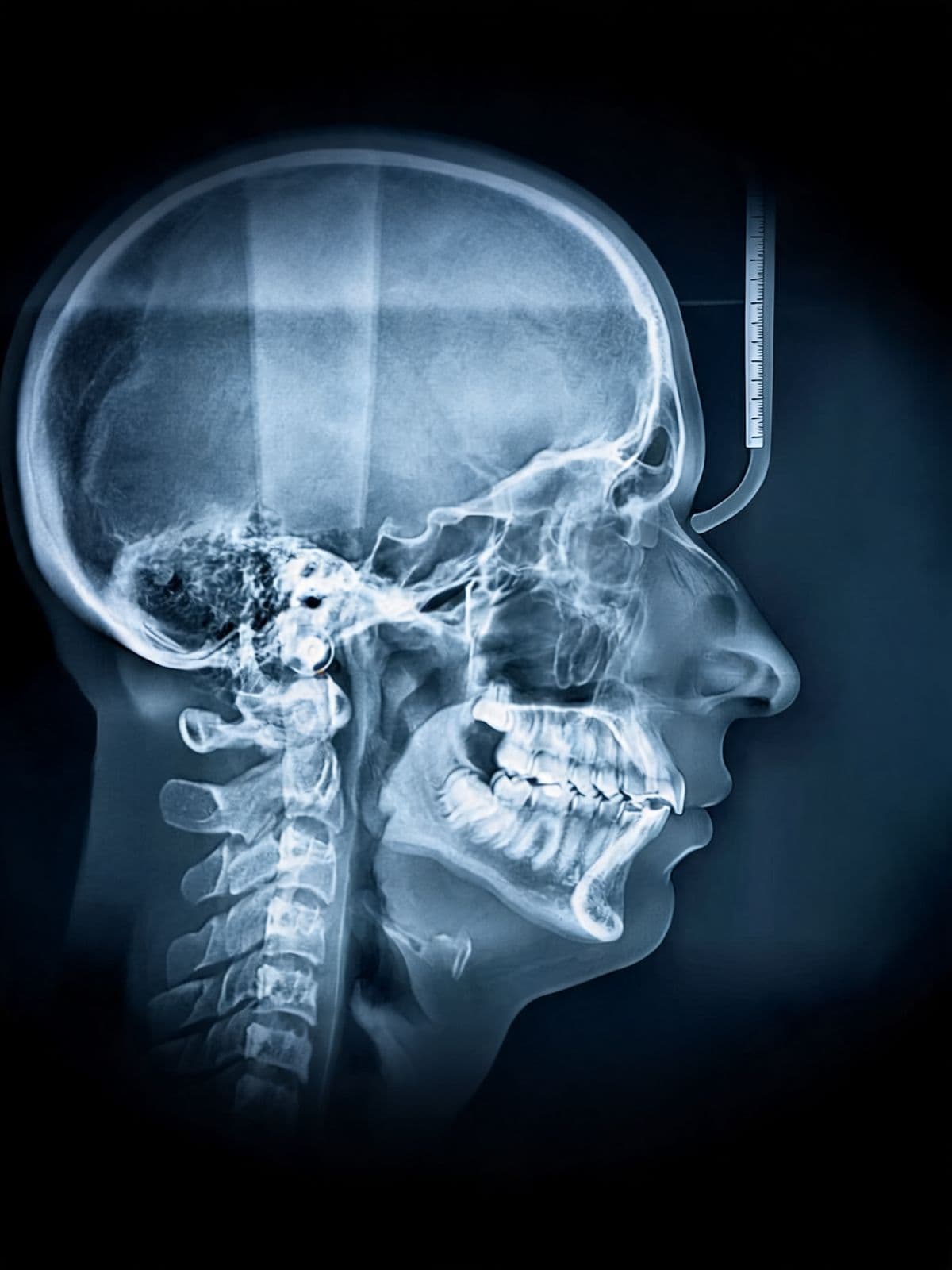
Not every toothache needs a root canal. The goal of the evaluation is to identify the source of pain before treatment begins. Depending on the case, the examination may include digital radiographs, bite and percussion testing, temperature or pulp vitality testing, periodontal evaluation, and three-dimensional imaging when clinically useful.
Clinical Examination
We review your symptoms, medical and dental history, bite, gum tissues, existing restorations, and the condition of the tooth.
Digital Imaging
Dental X-rays help evaluate decay, previous treatment, the roots, surrounding bone, and signs of infection that cannot be seen directly.
3D Planning When Indicated
CBCT imaging may be considered for complex anatomy, previously treated teeth, suspected fractures, or other situations where additional three-dimensional information can improve planning.
How Root Canal Treatment Is Performed
The exact number of visits and treatment time depend on the tooth, anatomy, infection, previous dental work, and the restoration required afterward. A typical root canal follows these core stages:
Numbing & Isolation
Local anesthesia is used to numb the treatment area. The tooth is isolated to keep the working field clean and protected.
Access & Magnification
A small opening is created to reach the pulp chamber. Magnification can help the clinician visualize internal anatomy during treatment.
Cleaning & Shaping
Inflamed or infected tissue is removed and the canal spaces are carefully cleaned, shaped, and disinfected.
Filling & Sealing
The prepared canals are filled with a biocompatible root-filling material and sealed to reduce the chance of bacteria re-entering the canal space.
Restoration
The access opening is restored. Depending on the tooth and how much structure remains, a filling, onlay, or crown may be recommended to protect the tooth.
Microscope-Assisted Care & Advanced Imaging
Root canal anatomy can be narrow, curved, and highly variable. Magnification and modern dental imaging can support careful visualization and treatment planning. When clinically appropriate, three-dimensional CBCT imaging can add information about root shape, surrounding structures, and previously treated anatomy.
Root Canal vs. Extraction
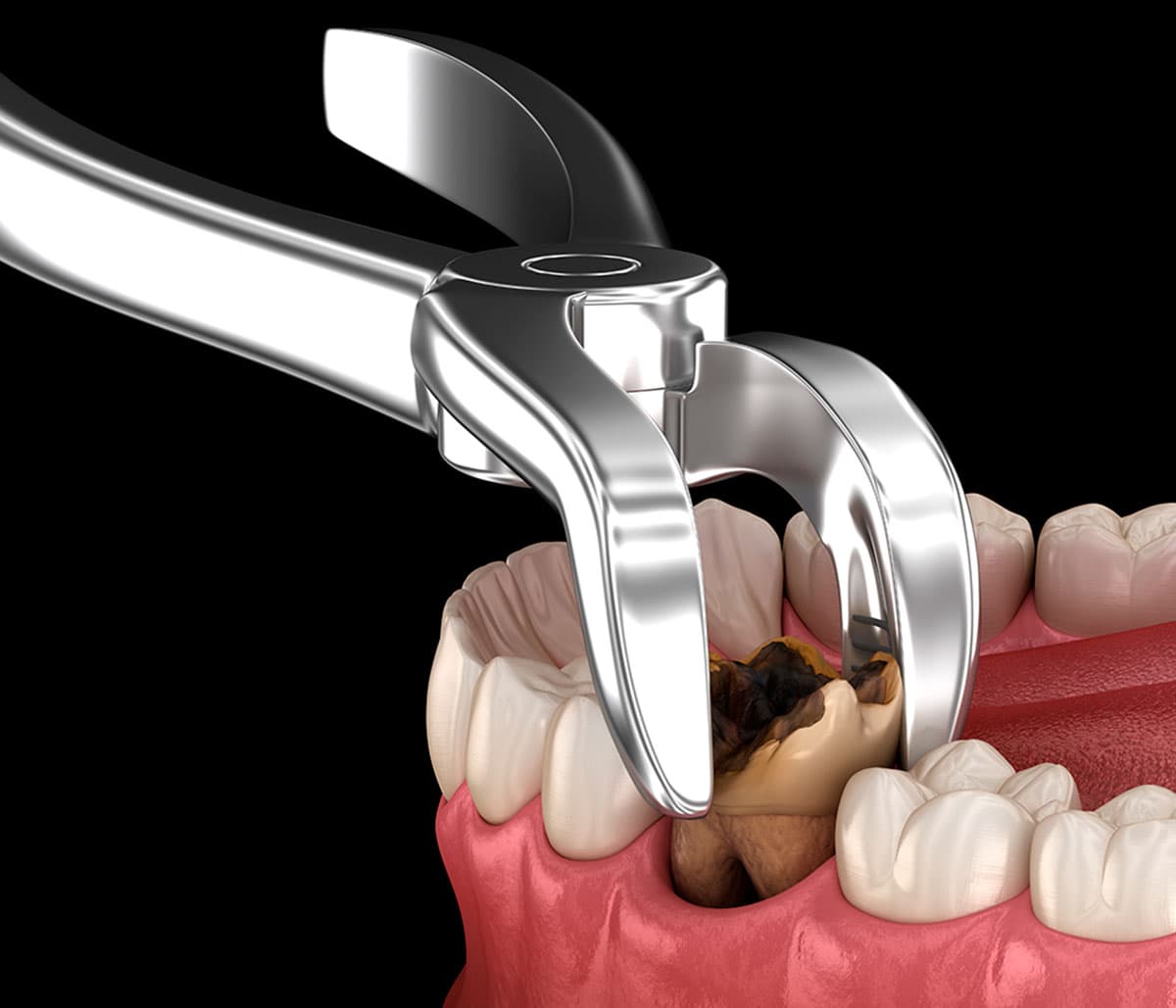
The right choice depends on whether the tooth is restorable, the condition of the root and surrounding bone, periodontal support, fracture pattern, long-term prognosis, and your overall treatment plan. When a tooth can predictably be restored, root canal therapy may allow you to keep it. When it cannot be restored, extraction and replacement options may be discussed.
| Factor | Root Canal Treatment | Extraction |
|---|---|---|
| Treatment goal | Treat the inside of the tooth and retain it | Remove a tooth that cannot be predictably restored |
| Natural tooth | Retained | Removed |
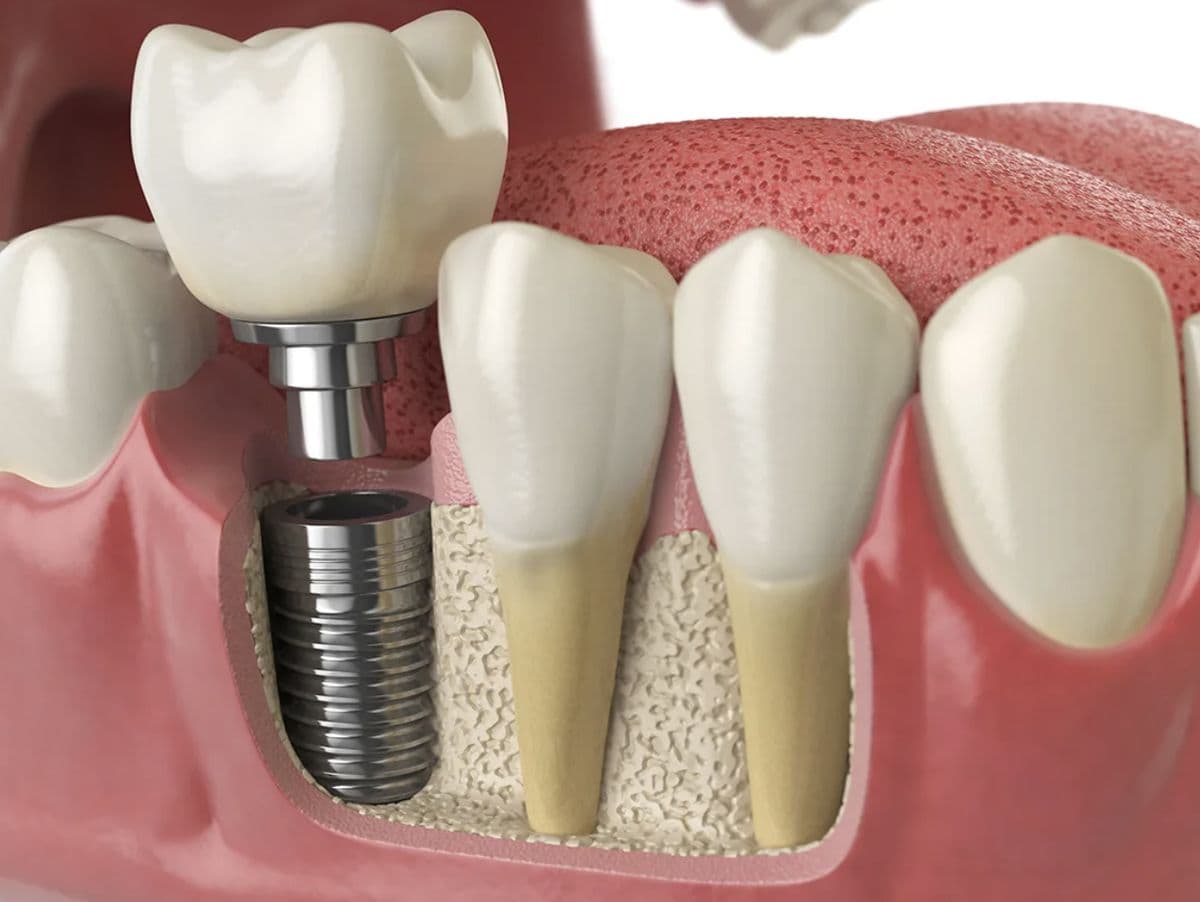
| Restoration afterward | May require a filling, onlay, or crown | May be followed by an implant, bridge, or other replacement |
| Planning factors | Tooth structure, root anatomy, periodontal support | Restorability, fracture, infection, bone and replacement plan |
Do You Need a Crown After a Root Canal?
Not every root-canal-treated tooth needs the same restoration. Back teeth often carry heavier chewing forces and may require cuspal coverage, while the appropriate restoration for a front tooth can be different. The recommendation depends on the amount of healthy tooth structure remaining, existing cracks or restorations, bite forces, and the location of the tooth.
What to Expect After Root Canal Treatment
Some tenderness can occur after treatment, especially if the tooth was painful or infected before the procedure. Follow the instructions provided for your individual case and protect the tooth until the final restoration is complete.
Avoid chewing while the area is still numb.
Until the tooth is definitively restored, avoid unusually hard chewing on that tooth.
Brush and floss normally unless your clinician gives different instructions.
Return for the recommended final restoration and follow-up.
Contact the office if pain or swelling is worsening, your bite feels significantly high, or a temporary restoration comes out.
What If an Old Root Canal Starts Hurting?
A tooth that had root canal treatment can occasionally develop new symptoms months or years later. Possible causes include previously untreated anatomy, new decay, leakage around a restoration, a new crack, or other changes around the tooth. Evaluation can determine whether endodontic retreatment, another procedure, or extraction should be considered.
When Root Canal Symptoms Feel Like an Emergency
Severe tooth pain, rapidly increasing swelling, fever, facial swelling, difficulty swallowing, or trauma deserve prompt attention. For urgent dental symptoms, contact the office so the team can determine the appropriate next step. Difficulty breathing or rapidly spreading swelling requires emergency medical attention.
Root Canal Treatment FAQs
Is a root canal painful?
+
Local anesthesia is used to numb the treatment area. Many patients are surprised that the procedure itself feels similar to other restorative dental treatment. The amount of soreness afterward varies with the condition of the tooth and surrounding tissues.
How long does root canal treatment take?
+
Treatment time varies by tooth anatomy, infection, previous treatment, and complexity. Some cases can be completed in one visit, while others benefit from more than one appointment.
How do I know whether I need a root canal or just a filling?
+
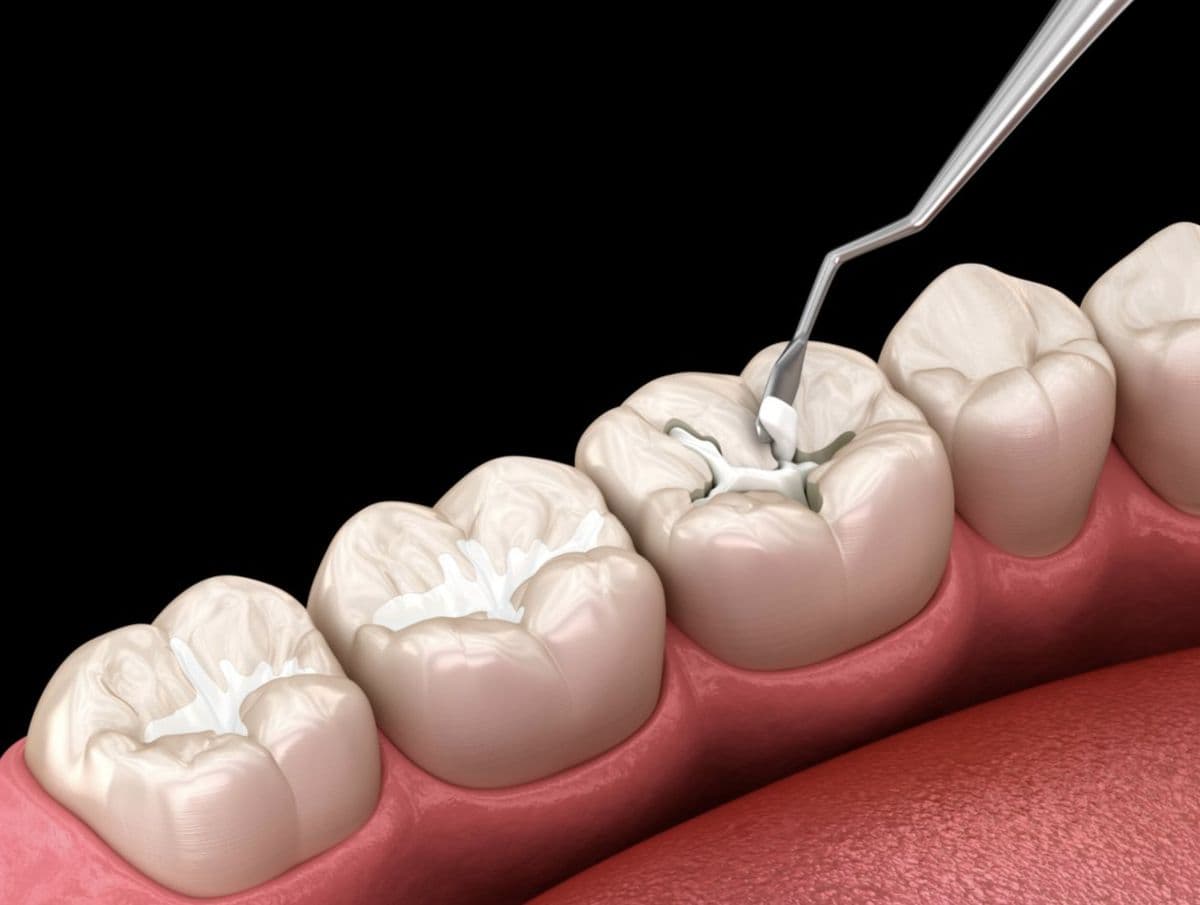
A filling treats decay or damage when the pulp can remain healthy. Root canal treatment is considered when the pulp is irreversibly inflamed, infected, or non-vital. Examination and imaging are needed to tell the difference.
Do I always need a crown after a root canal?
+
No single restoration is right for every tooth. Many back teeth need substantial protection after root canal treatment, while other teeth may be restored differently. The recommendation depends on remaining tooth structure and bite forces.
Can a root canal fail or need retreatment?
+
Yes. A previously treated tooth can develop new disease or fail to heal as expected. Retreatment may be considered when the tooth is still restorable and the cause can be addressed.
Can a cracked tooth be saved with a root canal?
+
It depends on the location and depth of the crack. Some cracks affecting the pulp can be treated and restored, while vertical root fractures or deeply non-restorable fractures may require extraction.
What should I do if my tooth hurts after an old root canal?
+
Schedule an evaluation rather than assuming the tooth needs extraction. Imaging and clinical testing can help determine whether the problem is related to the root canal, the restoration, a crack, the bite, or surrounding tissues.
Where is Tribeca Dental Studio located?
+
Tribeca Dental Studio is located at 54 Warren Street, New York, NY 10007, serving Tribeca and Lower Manhattan.
Root Canal Treatment in the Heart of Tribeca
Our office at 54 Warren Street provides restorative, diagnostic, and multi-specialty dental care in one Lower Manhattan location. Patients visit us from Tribeca, the Financial District, Battery Park City, SoHo, Civic Center, and surrounding downtown neighborhoods.
54 Warren Street, New York, NY 10007
Digital imaging and advanced diagnostics on site
Restorative follow-up available in the same practice
Urgent tooth-pain evaluations by appointment availability
Explore Related Dental Services
Dental Crowns & Bridges
Restorative options for protecting or rebuilding damaged teeth, including teeth treated with root canal therapy.
Tooth-Colored Fillings
Conservative restorative treatment for cavities and smaller areas of tooth damage before the pulp is irreversibly affected.
Tooth Extractions & Oral Surgery
Evaluation and surgical options when a tooth cannot be predictably restored or retained.
Dental Exams & Cleanings
Routine evaluation and preventive care to identify decay, cracks, and other problems before they become urgent.
How Long Do Root Canals Last?
Learn what can affect the longevity of a root-canal-treated tooth and why the final restoration and ongoing dental care matter.
Severe Toothache Relief
Review common causes of significant tooth pain and why persistent or worsening symptoms should be evaluated.
Apicoectomy Procedure
Learn about an endodontic surgical option that may be considered for selected previously treated teeth with persistent problems.
Have Persistent Tooth Pain? Start With an Evaluation.
The cause of tooth pain is not always obvious. A focused exam and imaging can determine whether root canal treatment, a restoration, bite adjustment, periodontal care, or another approach is appropriate.
Schedule Evaluation