The Interview
We ask about your sleep and breathing symptoms: do you wake up tired in the morning? Not feeling rested? Circles under your eyes? Mouth breathing? Waking up with dry mouth? Snoring?
Every MARPE treatment at our Tribeca practice starts with a full interview about your sleep and breathing symptoms, followed by CBCT 3D imaging. If your symptoms come from a narrow palate or narrow nasal floor, MARPE expands the palate to give you more air through the nose — without surgery.
Skeletal Palatal Expansion (MSE)
Anchored directly to the maxilla for non-surgical adult skeletal expansion.
The short answer
MARPE widens a narrow upper jaw without surgery — using a small expander anchored to mini-implants. More palate width means more room for your tongue and more air through your nose. Every treatment here starts with a full interview about your sleep and breathing, plus CBCT 3D imaging, because we treat the cause, not just the crowding.
We never place an expander without first understanding why you snore. Every MARPE evaluation at Tribeca Dental Studio starts with a conversation, not an appliance:
We ask about your sleep and breathing symptoms: do you wake up tired in the morning? Not feeling rested? Circles under your eyes? Mouth breathing? Waking up with dry mouth? Snoring?
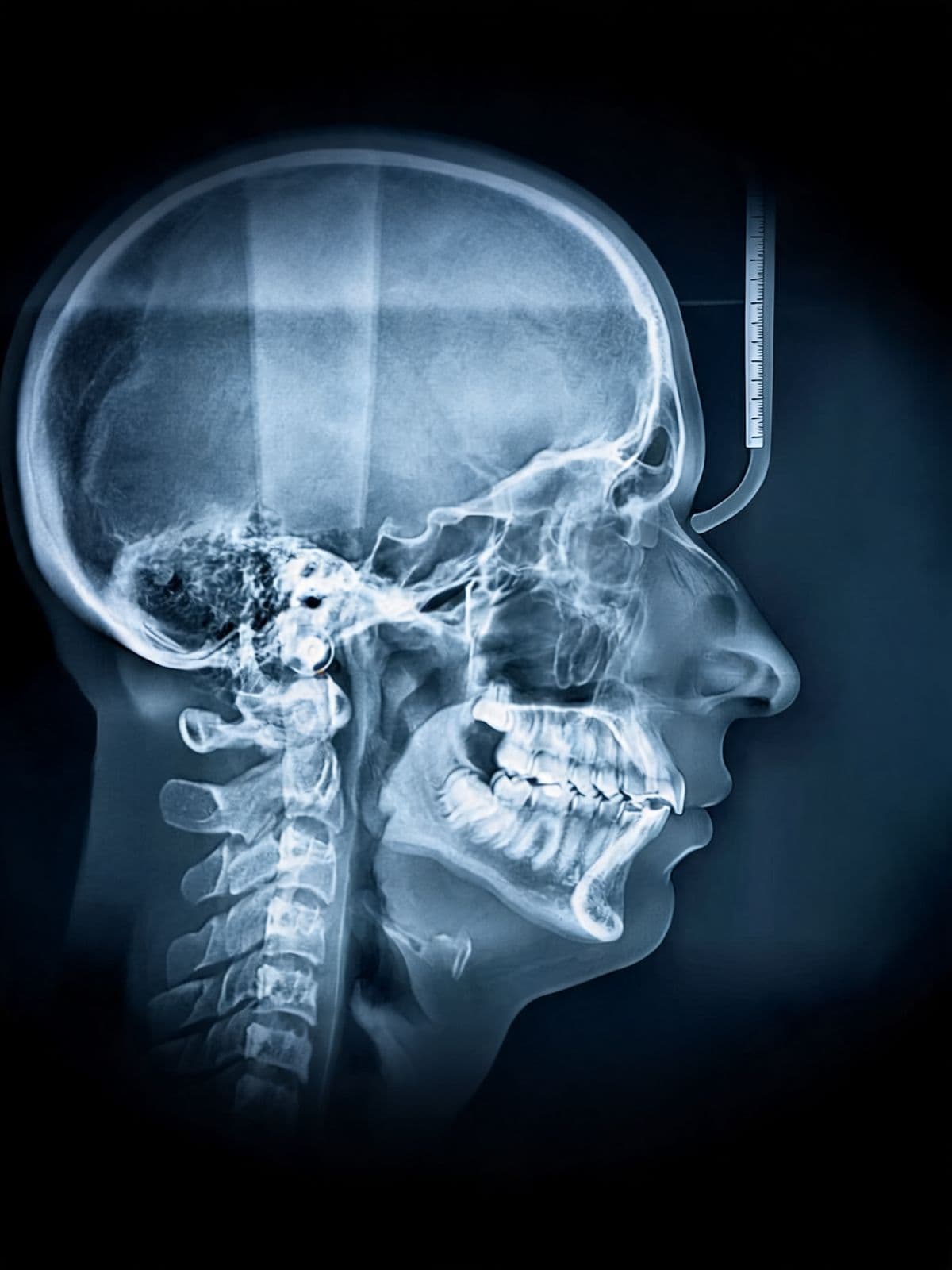
Then we run a series of tests: a CBCT scan of the head and nasal floor, digital scans of the teeth, and photos of the findings.
There are different reasons why people snore, and different reasons why people have sleep apnea. If your symptoms are due to a narrow palate or a narrow nasal floor, we can expand the palate and correct it — giving you more air through the nose.
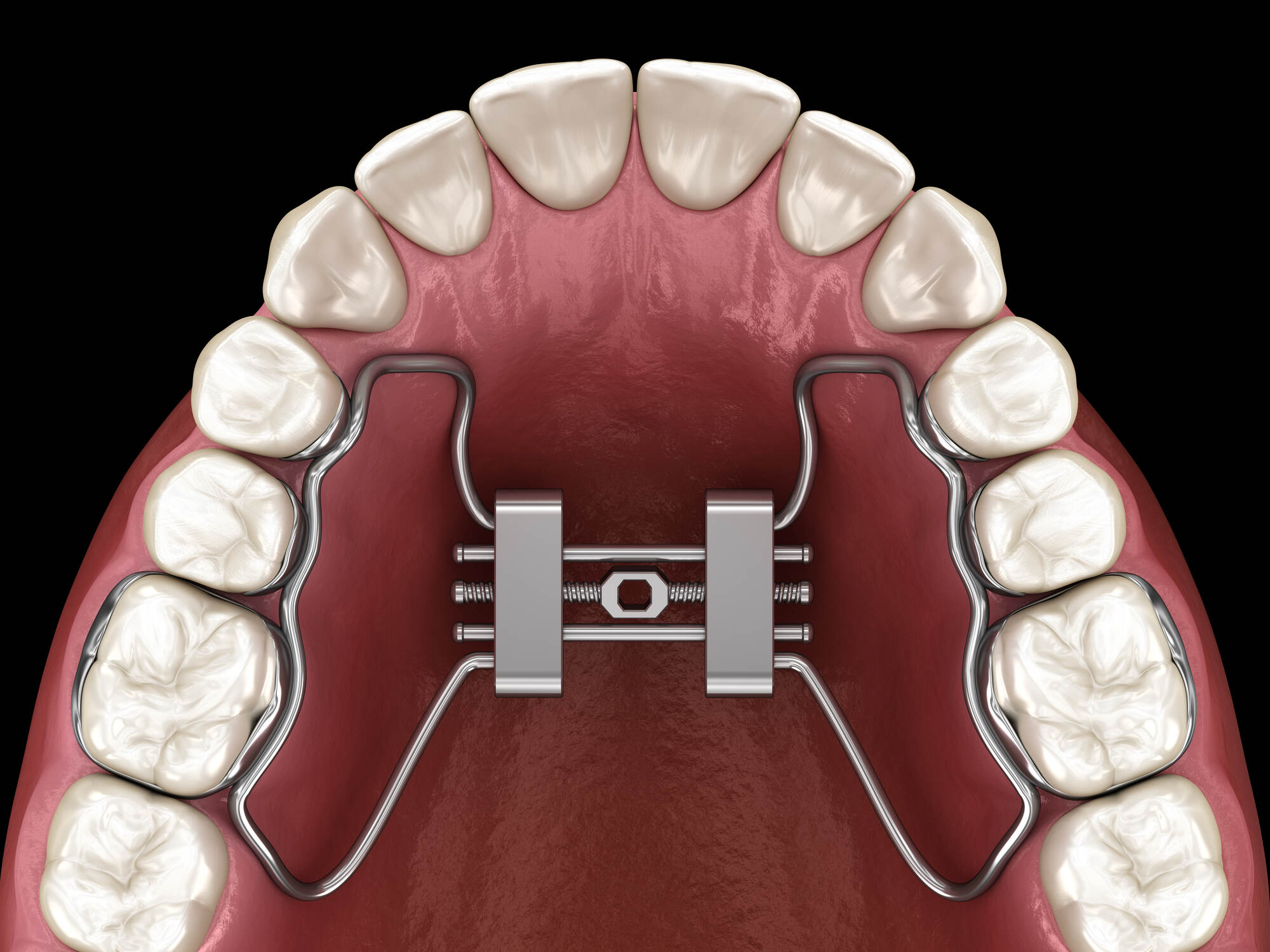
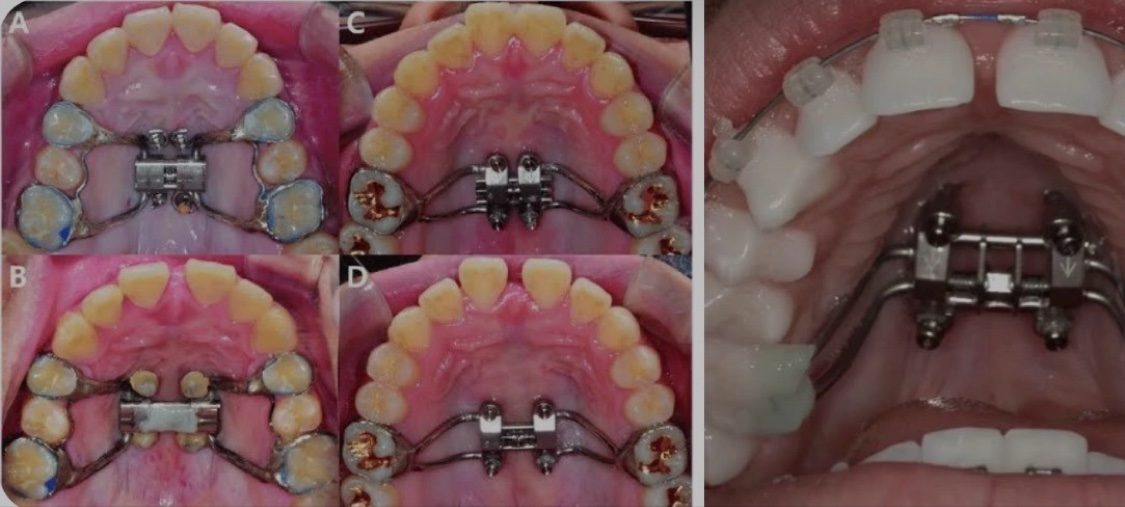
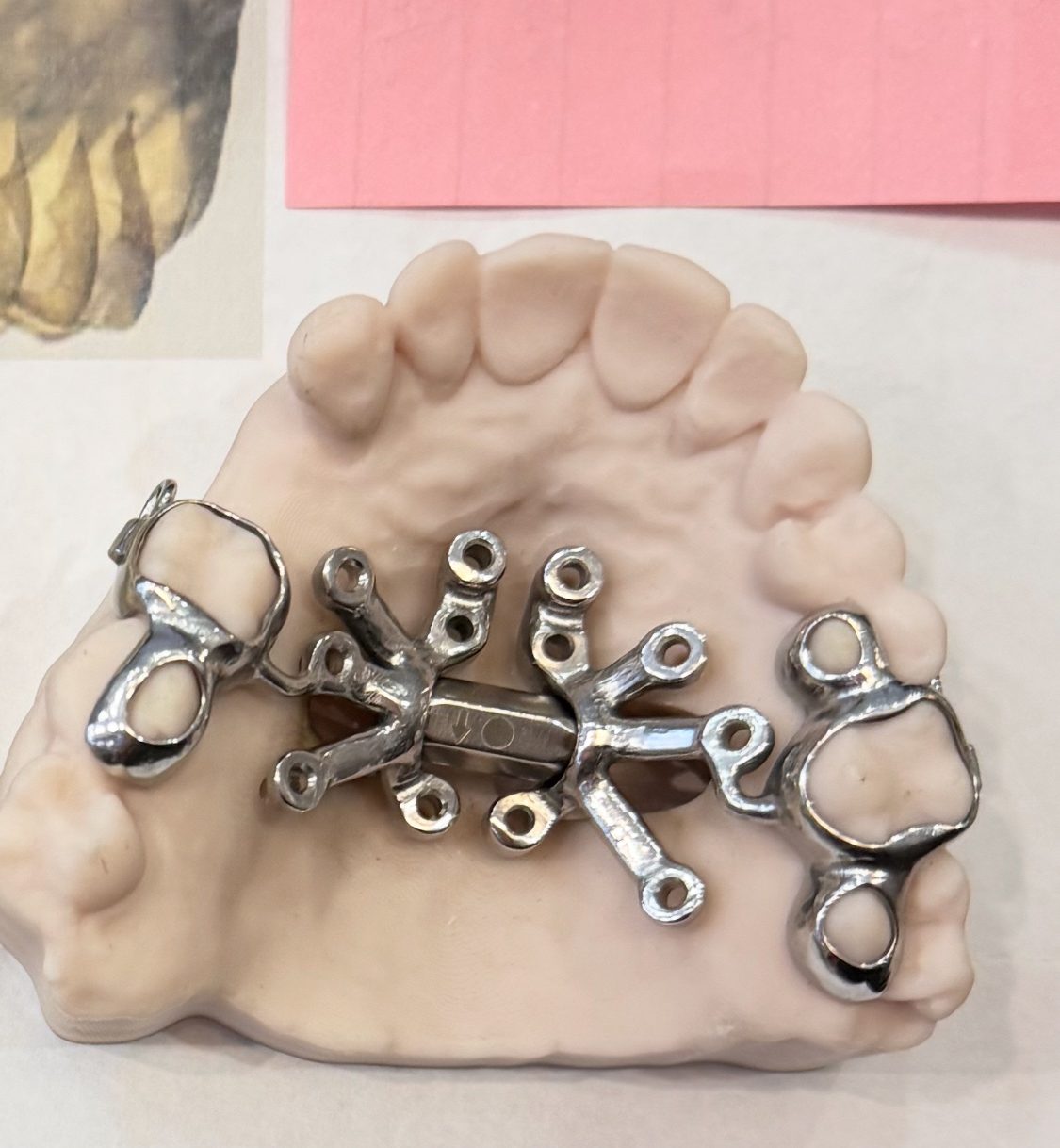
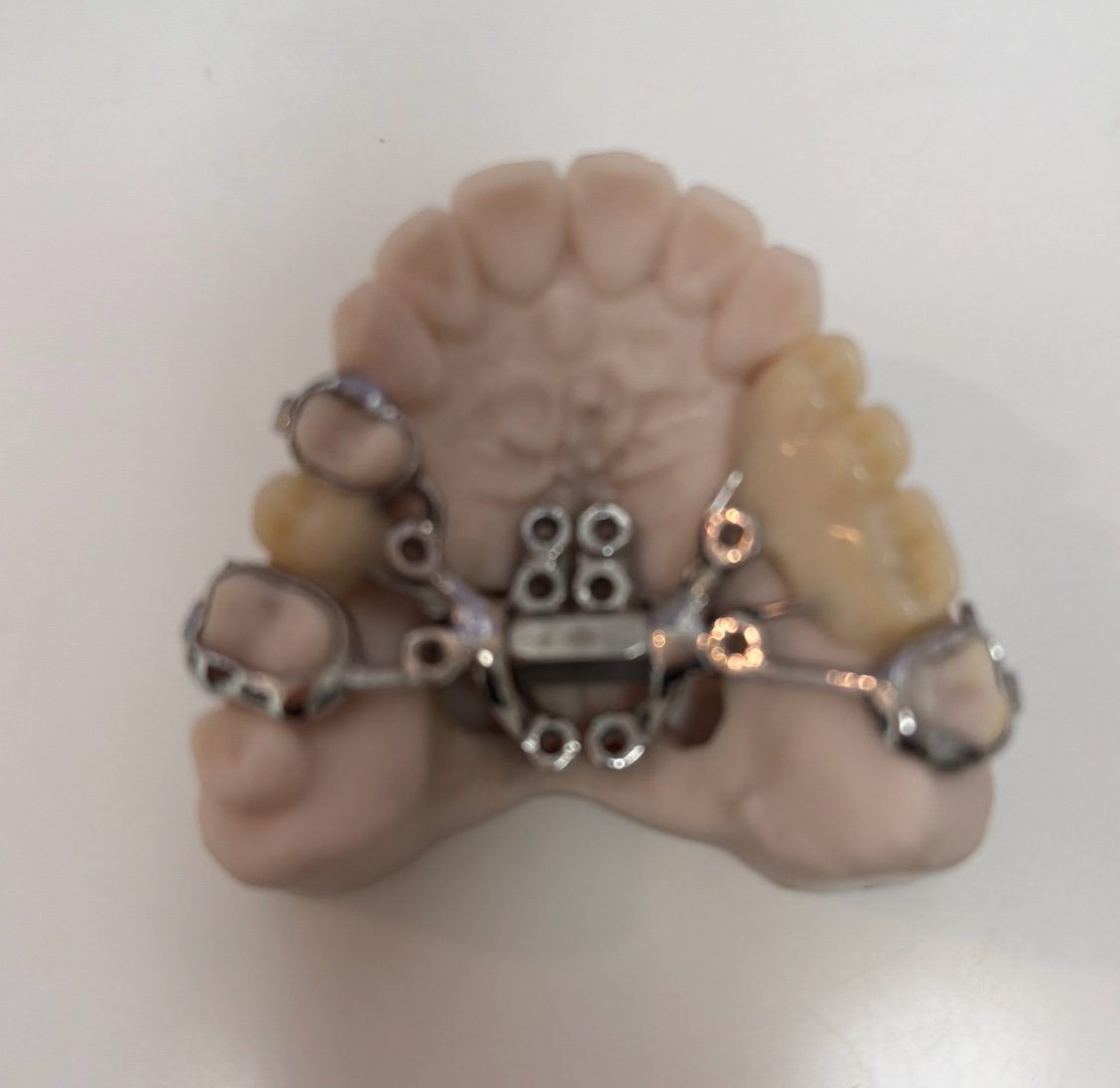
Real photos of the MARPE appliance used at our Tribeca, NYC practice — note the miniscrew ports that anchor the expander directly into the palatal bone:
Not all snoring comes from the palate. That is why our diagnosis identifies the cause before recommending treatment:
If your symptoms are due to a narrow palate or narrow nasal floor, we expand the palate with MARPE to give you more air through the nose.
For those who do not have difficulty breathing through the nose but whose soft palate is the issue, we offer NightLase: a gentle, non-painful, non-invasive laser delivered as a series of treatments.
A constricted upper maxilla restricts both nasal airflow volume and proper tongue posture, frequently leading to:
The roof of the mouth is the floor of the nose — and down its center runs the midpalatal suture, the seam where the two halves of the upper jaw meet. In children this suture is still flexible, which is why a conventional expander can widen a young palate. By the mid-teens it typically fuses into solid bone, and from that point on, tooth-borne expanders can only push the teeth sideways — they cannot widen the jaw itself.
MARPE — miniscrew-assisted rapid palatal expansion — and its skeletal variant MSE change where the force goes. Four small titanium miniscrews are placed through the appliance directly into the palatal bone, gripping the inner and outer layers of hard bone. A jackscrew mechanism joins them at the center of the palate. When the patient turns the activation key, gentle and carefully controlled pressure pushes outward against the bone itself — not the teeth — gradually separating the fused midpalatal suture in an even, parallel widening.
Because the widening happens at the bone level, the palate, the floor of the nasal cavity above it, and the dental arch all expand together. After the active phase, the appliance stays in place for several months of retention while new bone fills the separated suture and solidifies — locking in the new width before the appliance is removed and any follow-up orthodontics begins.
Controlled force reopens the fused seam at the center of the upper jaw, allowing the two maxillary halves to move apart evenly.
Titanium miniscrews grip the palatal bone directly, so expansion force moves bone — not teeth — even in fully mature adults.
Daily key turns add small, measured increments, producing an even front-to-back widening of the palate and nasal floor.
Candidacy is determined by a clinical exam and 3D CBCT imaging. In general, the following patients are most often evaluated for bone-anchored expansion in Tribeca and Lower Manhattan:
In teens, the midpalatal suture is often still partially open, so expansion tends to be faster and more straightforward. In adults, the fused suture is denser — that is exactly what the miniscrews are for: by anchoring into both layers of palatal bone, MARPE and MSE can separate a mature suture without surgery. Older adults are evaluated individually with 3D CBCT imaging to confirm there is enough bone to support the miniscrews safely.
Conventional expanders are limited to young children before the midpalatal suture fuses (around ages 12–15). Applying them to adults merely tips the teeth outward rather than widening the bone.
Tooth-borne only. In adults, it pushes teeth outward without widening the actual palatal bone, risking root damage.
Invasive jaw surgery under general anesthesia required to cut the maxilla in adults with fused sutures.
Anchors directly to palatal bone via micro-implants, generating true parallel bone expansion non-surgically in teens and adults.
A side-by-side look at the three approaches to widening the upper jaw:
| Feature | Traditional RPE | Surgical SARPE | MARPE / MSE |
|---|---|---|---|
| What it anchors to | Teeth only | Bone (after surgical cuts) | Palatal bone via miniscrews |
| Best suited for | Children under ~12–15 | Adults with severe deficiency | Teens and adults |
| Surgery required | No | Yes — general anesthesia | No |
| Type of expansion | Dental (teeth tip outward) | Skeletal, after bone cuts | Skeletal and parallel |
| Recovery profile | Mild soreness | Weeks of surgical healing | Mild pressure during activation |
| Airway effect | Limited in adults | Significant, with surgical risk | Widens nasal floor without surgery |
Straightening teeth is only part of the story. Because MARPE and MSE change the shape of the upper jaw itself, patients in NYC are often evaluated for these broader functional improvements:
The floor of the nose sits directly above the palate, so widening the maxilla can increase nasal volume and reduce airflow resistance. Many patients report breathing more comfortably through the nose — especially at night — once expansion is complete.
A narrow upper jaw forces the lower jaw to shift or strain to find a bite, which can contribute to chewing difficulty and jaw tension. A properly widened arch gives the teeth a stable, balanced foundation to meet against.
A constricted palate leaves the tongue no place to rest upward, encouraging a low tongue posture and mouth breathing. Expansion creates the space the tongue needs for a natural resting position, which supports healthier oral function around the clock.
Dr. Reem conducts CBCT 3D bone mapping and digital impressions to map your palate.
Under comfortable local anesthesia, the custom MSE device is anchored gently to the palatal bone.
You turn the activation key at home as directed. A soft internal 'pop' signifies the suture separation working successfully.
The appliance remains passive for a few months while new bone regenerates, followed by Invisalign® or braces.
Every case is individual, but most MARPE and MSE treatments at our Lower Manhattan practice follow this general sequence:
A clinical exam, review of your dental and airway history, and discussion of your goals to determine whether bone-anchored expansion is appropriate for you.
A low-dose 3D scan maps palatal bone thickness, suture maturity, and airway volume so the appliance and miniscrew positions can be planned precisely.
The custom expander is fitted and the miniscrews are placed under local anesthesia. Most patients return to normal activities the same day.
You turn the key as instructed — often once or twice daily. Mild pressure is normal; a small temporary gap between the front teeth signals the suture is opening as intended.
The appliance stays in place passively while new bone solidifies. Then Invisalign® or braces close any remaining spaces and perfect the bite.
MARPE stands for miniscrew-assisted rapid palatal expansion. It is a non-surgical treatment that widens the upper jaw (maxilla) in teens and adults. Unlike a childhood expander that pushes on the teeth, MARPE uses four small titanium miniscrews anchored directly into the palatal bone to separate the fused midpalatal suture — achieving true skeletal widening.
A custom expander is fitted to the palate and secured with miniscrews under local anesthesia. You turn an activation key as instructed — usually once or twice daily — applying gentle, controlled pressure directly to the bone. Over a few weeks the midpalatal suture separates and the maxilla widens. The appliance then stays in place for about 6 months while new bone solidifies.
It depends on the cause. There are different reasons why people snore, and different reasons why people have sleep apnea. If your symptoms are due to a narrow palate or narrow nasal floor, expanding the maxilla widens the floor of the nasal cavity, which can lower nasal airflow resistance and make nose breathing easier. If the issue is the soft palate and you breathe fine through your nose, NightLase may be the better option. That is why our interview-plus-CBCT diagnosis identifies the cause first.
A regular expander (RPE) is tooth-borne and only works in children before the midpalatal suture fuses (around ages 12–15). In adults it would only tip the teeth outward without widening the bone. MARPE is bone-borne: the miniscrews transmit force directly into the palatal bone, producing true skeletal, parallel widening in teens and adults — without surgery.
Placement of the miniscrews is performed under local anesthesia and is pain-free. Patients typically experience mild pressure across the bridge of the nose or teeth during active expansion, which subsides quickly.
The active expansion phase usually lasts a few weeks. The appliance then stays in place passively for about 6 months to allow the newly formed bone to stabilize permanently.
Yes. MARPE expands the underlying skeletal bone foundation. A follow-up course of Invisalign® or braces is used to align teeth into their ideal cosmetic and functional positions.
Probably not. MARPE was developed specifically for teens and adults whose midpalatal suture has already fused — the miniscrews anchor into the bone itself, which is what makes non-surgical expansion possible at any adult age. Your 3D CBCT scan at the consultation confirms whether there is enough palatal bone to support the appliance.
A childhood expander is tooth-borne: it pushes on the teeth and only works while the suture is still open. MARPE is bone-borne: the miniscrews transmit force directly into the palatal bone, producing true skeletal widening in patients whose sutures fused years ago.
Widening the upper arch typically creates a broader, more fully supported smile with fewer dark corners at the sides. Because the change happens at the bone level, some patients also notice improved midface support. Individual results vary and are discussed at your consultation.
Expanding the maxilla widens the floor of the nasal cavity, which can lower nasal airflow resistance — and many patients find nose breathing easier after treatment. Expansion is not a guaranteed treatment for sleep apnea, so airway concerns are evaluated carefully and, when appropriate, coordinated with your sleep physician.
You will meet with the team for a clinical exam and a 3D CBCT scan that measures your palatal bone, suture, and airway. If you are a candidate, you will receive a personalized treatment plan outlining each phase, what to expect, and recommended follow-up orthodontics.
94.1% success rate with significant skeletal expansion and limited side effects.
Reduced apnea-hypopnea index with volumetric enlargement of the nasal and nasopharyngeal airway.
RELATED ORTHODONTIC CARE
Schedule your consultation with Dr. Reem Abdulrahman at Tribeca Dental Studio in Lower Manhattan today.
Book Consultation Now