Non-Surgical Skeletal Expansion
Maxillary Skeletal Expansion (MSE) in Tribeca, NYC
A narrow upper jaw affects breathing, facial harmony, and oral health. MSE targets the midpalatal suture directly using micro-implants, delivering true parallel skeletal expansion for adults and teens without surgery.
3D Clinical Preview
Parallel Skeletal Suture Separation
Real-time 3D animation illustrating bicortical micro-implant anchor parallel expansion.
Quick Answer
Most palatal expanders only work on kids. MSE is different — it's anchored directly to the bone with four micro-implants, so it can genuinely widen an adult's upper jaw without surgery. That means more room for teeth, better nasal airflow, and a broader smile. Whether you need MSE or standard MARPE comes down to your 3D scan and your bone.
Biomechanical Precision
What Is Maxillary Skeletal Expansion (MSE)?
MSE is an advanced orthodontic treatment anchored into the palate using four micro-implants to separate the midpalatal suture:
The Biomechanics
How Maxillary Skeletal Expansion Works
The upper jaw develops as two halves joined by the midpalatal suture — the seam running down the middle of the hard palate. In young children this seam is soft and responsive, which is why conventional expanders work so well before the early teens. Once the suture fuses into solid bone, usually between ages 12 and 15, pushing on the teeth alone cannot widen the jaw: the teeth simply tip outward while the bone stays narrow.
MSE (maxillary skeletal expander) solves this with bone anchorage. Four miniscrews are placed through the appliance into the palate, engaging both the outer and inner cortical layers of bone — so-called bicortical anchorage. A central expansion screw connects the miniscrews. As you turn the key each day, force travels through the miniscrews directly into the maxillary bone, separating the fused suture in a controlled, parallel split from front to back.
Because the widening is skeletal, the entire upper jaw — dental arch, palate, and the nasal floor above it — expands as one unit. After the active turning phase, the device remains in place for several months while new bone mineralizes in the separated suture, making the new width permanent. Follow-up orthodontics then positions the teeth precisely within the newly created space.
Bicortical Miniscrew Anchorage
Four miniscrews grip both cortical layers of the palate, delivering expansion force straight into dense adult bone.
Parallel Suture Separation
Force is distributed evenly so the suture opens front-to-back in parallel, not in a V-shape.
Gradual Daily Activation
Small, measured key turns widen the maxilla step by step, giving bone and soft tissue time to adapt.
Candidacy
Who Is a Candidate for MSE?
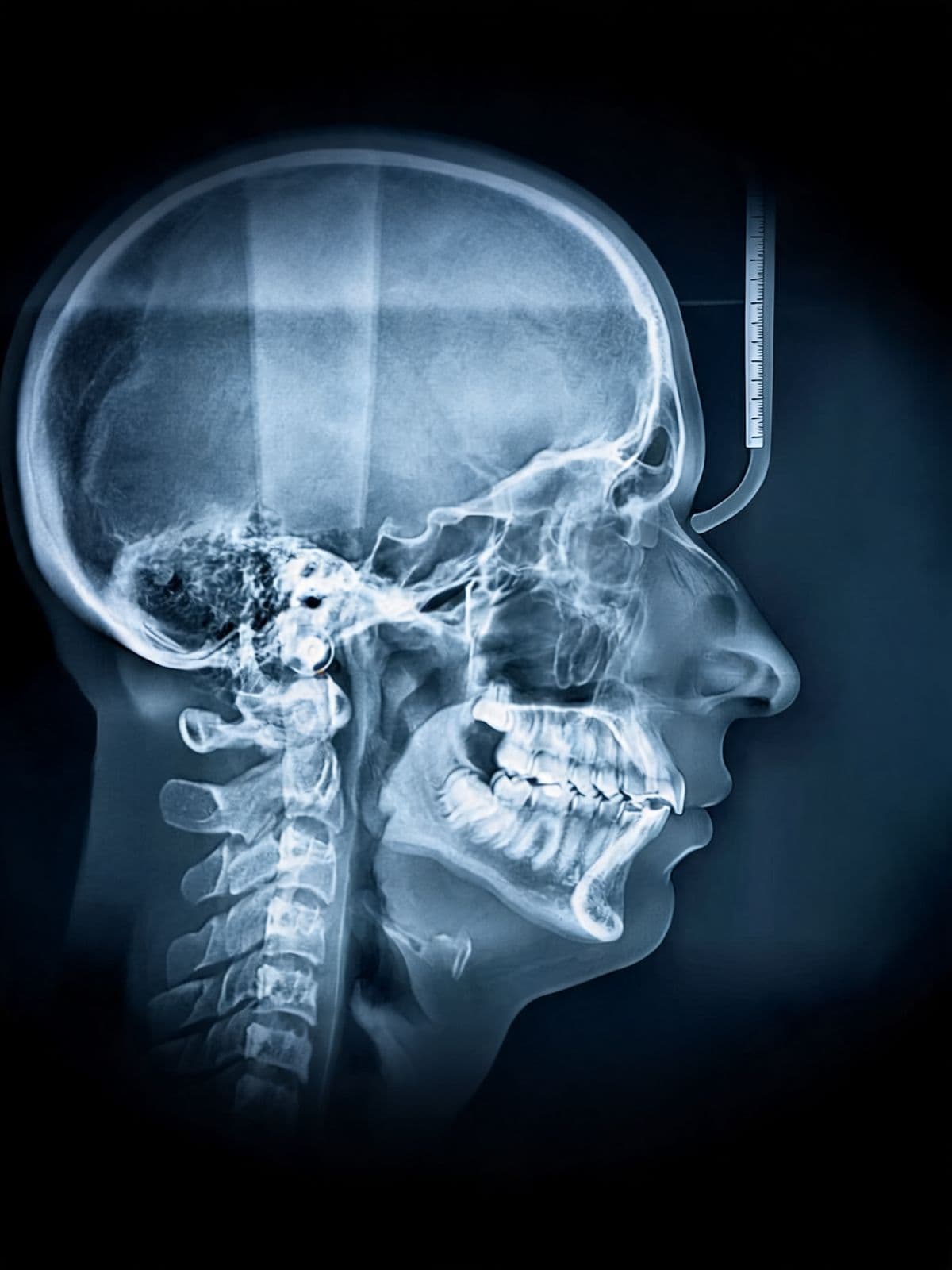
MSE candidacy is confirmed with a clinical examination and 3D CBCT imaging. Patients across Tribeca, Lower Manhattan, and greater NYC are commonly evaluated when they present with:
MSE or Standard MARPE?
MSE's four-implant bicortical design is engineered for denser, fully mature adult bone, while conventional MARPE designs are often used in teens and young adults. Your 3D scan determines which bone-anchored approach fits your anatomy.
Technology Comparisons
MSE vs. MARPE: Key Differences Explained
While both utilize micro-implants, MSE is engineered for greater skeletal force distribution in dense adult bone:
01
Traditional Tooth-Borne RPE
Applies pressure to teeth. Effective only in kids. In adults, causes dental tipping without bone expansion.
02
Standard MARPE
Utilizes micro-implants mainly in adolescents, sometimes generating a V-shaped suture split.
03
Skeletal MSE (Tribeca Advanced)
Anchors with four bicortical micro-implants, producing a true parallel suture separation even in fully mature adults.
Detailed Comparison
MSE vs. Traditional Expanders vs. Surgery
How the three main approaches to widening the upper jaw compare side by side:
| Feature | Traditional RPE | Surgical SARPE | MSE |
|---|---|---|---|
| Anchorage point | Teeth | Bone after surgical cuts | Palatal bone via 4 bicortical miniscrews |
| Who it fits | Growing children | Adults with severe transverse deficiency | Teens and adults with mature sutures |
| Surgery | None | General anesthesia + bone cuts | None — miniscrews under local anesthesia |
| Expansion pattern | Dental tipping in adults | Skeletal, surgically assisted | Parallel skeletal separation |
| Downtime | Minimal | Weeks of healing | Mild pressure during activation; same-day routine |
| Effect on nasal airway | Minimal once sutures fuse | Significant, with surgical trade-offs | Widens the nasal floor non-surgically |
Comprehensive Health & Beauty Impact
How Can MSE Change More Than Your Smile?
True non-surgical skeletal expansion for mature adults
Expands nasal volume, significantly reducing mouth breathing & snoring
Reverses the constricted profile effects of past extractive orthodontics
Increases tongue space, relieving airway collapse and TMJ strain
Creates a wider, fully supported, aesthetically balanced smile arc
Establishes a highly stable skeletal foundation for Invisalign®
Whole-Health Impact
Beyond Straight Teeth: Why the Whole Jaw Matters
Because MSE reshapes the upper jaw itself, its effects reach further than tooth alignment. These are the functional areas patients are evaluated for:
Nasal Airflow
The nasal cavity sits directly above the palate, so skeletal widening can increase its volume and lower breathing resistance. Many patients describe noticeably easier nose breathing — day and night — after expansion.
Bite Stability
Teeth moved within a narrow jaw tend to relapse. Expanding the skeletal foundation first gives orthodontics — like Invisalign® — a wider, more stable base, which supports longer-lasting alignment.
Jaw Comfort
A constricted maxilla can force the lower jaw into strained positions, contributing to muscle tension and joint discomfort. A balanced, properly widened arch lets the bite meet naturally and the jaw rest more comfortably.
Clinical Workflow
What Happens During MSE Treatment?
01
3D CBCT Evaluation & Planning
Full 3D CBCT imaging to measure bone density, airway volume, and micro-implant placement.
02
Minimally Invasive Placement
Under comfortable local anesthesia, the custom MSE appliance is anchored to the palatal bone.
03
Controlled Activation Phase
You turn the expander key daily as instructed. A temporary gap between front teeth indicates successful suture opening.
04
Stabilization & Regeneration
The device remains in place for several months to allow new bone to regenerate and solidify stably.
05
Orthodontic Finishing
Braces or Invisalign® aligners close the front gap and align teeth into ideal functional occlusion.
Treatment Timeline
Your MSE Timeline: What to Expect
Treatment is personalized, but most MSE cases in our Lower Manhattan office move through these phases:
01
Consultation & Evaluation
First visitClinical exam plus a review of your bite, breathing history, and goals to see whether skeletal expansion is the right approach.
02
3D CBCT Planning
Same visit or soon afterA 3D scan measures bone density and thickness at the planned miniscrew sites and maps the airway, guiding precise appliance design.
03
Appliance Placement
Single appointmentThe custom MSE device is fitted and the four miniscrews are placed under local anesthesia — a quick, minimally invasive visit.
04
Daily Activation
A few weeksYou turn the key as directed. A temporary space between the front teeth is a positive sign that the suture is separating evenly.
05
Retention & Finishing
Several months, then alignmentThe device stays put while new bone hardens in the suture. Then braces or Invisalign® close the gap and refine the bite.
MARPE is life-changing because in most cases it's done to open up the airways and reduce the severity of apnea symptoms. It allows oxygen-deprived patients to breathe better, sleep better, and live longer. They leave their fatigue behind, enjoy full restful nights, and increase their attention span, alertness, and productivity.
Dr. Nina Izhaky says:
Tribeca Dental Studio
Frequently Asked Questions About MSE
Is activating the MSE expander painful?
Patients typically report feeling pressure or tightness across the bridge of the nose or cheeks after key turns rather than sharp pain. Any mild discomfort subsides quickly.
What is the clinical success rate of MSE?
The success rate for MSE is remarkably high when performed by an experienced provider using 3D CBCT imaging to verify bone density and implant placement.
Will the gap created between my front teeth close?
The temporary gap confirms that the skeletal suture has opened. It is quickly and predictably closed during the follow-up Invisalign® or orthodontic phase.
Am I too old for MSE?
MSE was designed precisely for patients whose sutures have fused — teens, adults, and older adults alike. The four bicortical miniscrews anchor into the bone itself, which is what makes non-surgical expansion possible in mature bone. A 3D CBCT scan confirms you have adequate bone to support the device.
How is MSE different from the palate expander I had as a kid?
A childhood expander pushes on the teeth and only works while the suture is still growing. MSE pushes on the bone through miniscrews, producing true skeletal widening in patients whose growth finished years ago — with a more parallel expansion pattern.
Will MSE change my facial appearance?
Skeletal widening typically produces a broader smile with better cheek support, and some patients notice subtle midface improvement. Changes happen at the bone level and vary from person to person — your provider will discuss realistic expectations at the consultation.
Can MSE help me breathe better or snore less?
Widening the maxilla can increase nasal cavity volume and reduce airflow resistance, and many patients report easier nasal breathing after treatment. MSE is not a guaranteed cure for sleep apnea — airway findings are evaluated carefully and coordinated with your physician when appropriate.
What should I expect at my first MSE visit?
Expect a thorough exam, a 3D CBCT scan to measure your palate and airway, and an honest discussion of whether you are a candidate. If MSE is right for you, you will leave with a step-by-step plan covering placement, activation, retention, and follow-up orthodontics.
Explore Related Airway & Orthodontic Services
Schedule Your MSE Consultation in Tribeca
A wider smile and healthier breathing start here. Schedule your MSE consultation today.
Book Consultation Now