Precision Restorative Dentistry

Dental Crowns & Bridges in Tribeca, NYC

Restore damaged or missing teeth with a treatment plan built around your bite, remaining tooth structure, appearance goals, and long-term oral health. Tribeca Dental Studio provides custom crowns, traditional bridges, and implant-supported restorative options in Lower Manhattan.

Dental crowns and bridges in Tribeca NYC
Custom Restorations • Digital Planning • Tribeca NYC

The short answer

A crown protects and restores a weakened tooth; a bridge replaces one or more missing teeth using neighboring teeth or implants for support. At our Tribeca studio, every restoration is digitally planned around your bite and built to look like it was always yours. The right choice depends on how much natural tooth is left — and we'll show you exactly why.

Restorative Overview

Crowns and Bridges Solve Different Problems

A crown restores or protects an individual tooth. A bridge replaces one or more missing teeth by spanning the space between supporting teeth or dental implants.

Dental Crowns

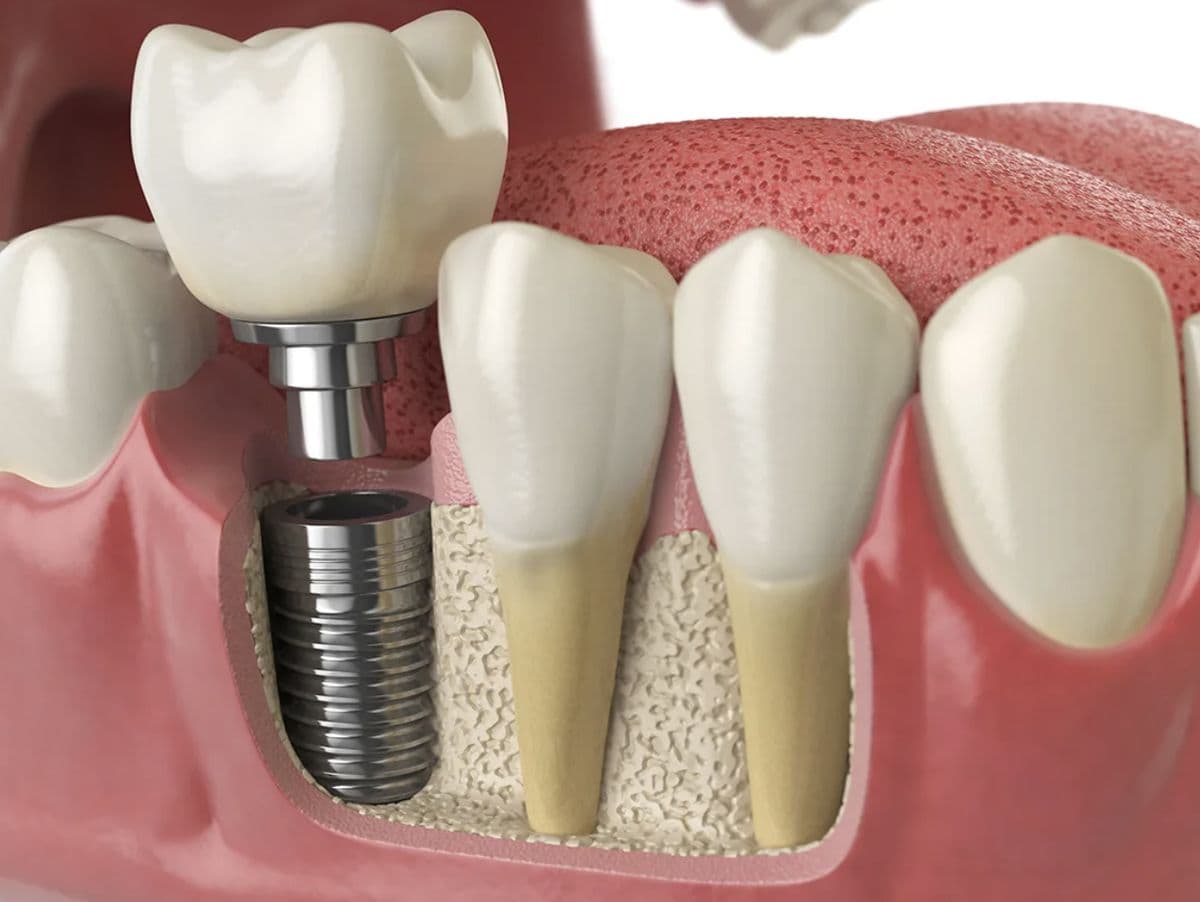
A dental crown is a custom restoration that covers the visible portion of a weakened, fractured, heavily restored, or root-canal-treated tooth. Crowns can also complete a single dental implant.

  • Helps reinforce a weakened or cracked tooth
  • Restores shape and function after significant tooth damage
  • May protect a tooth after root canal treatment
  • Can serve as the visible restoration on a dental implant
Dental Bridges

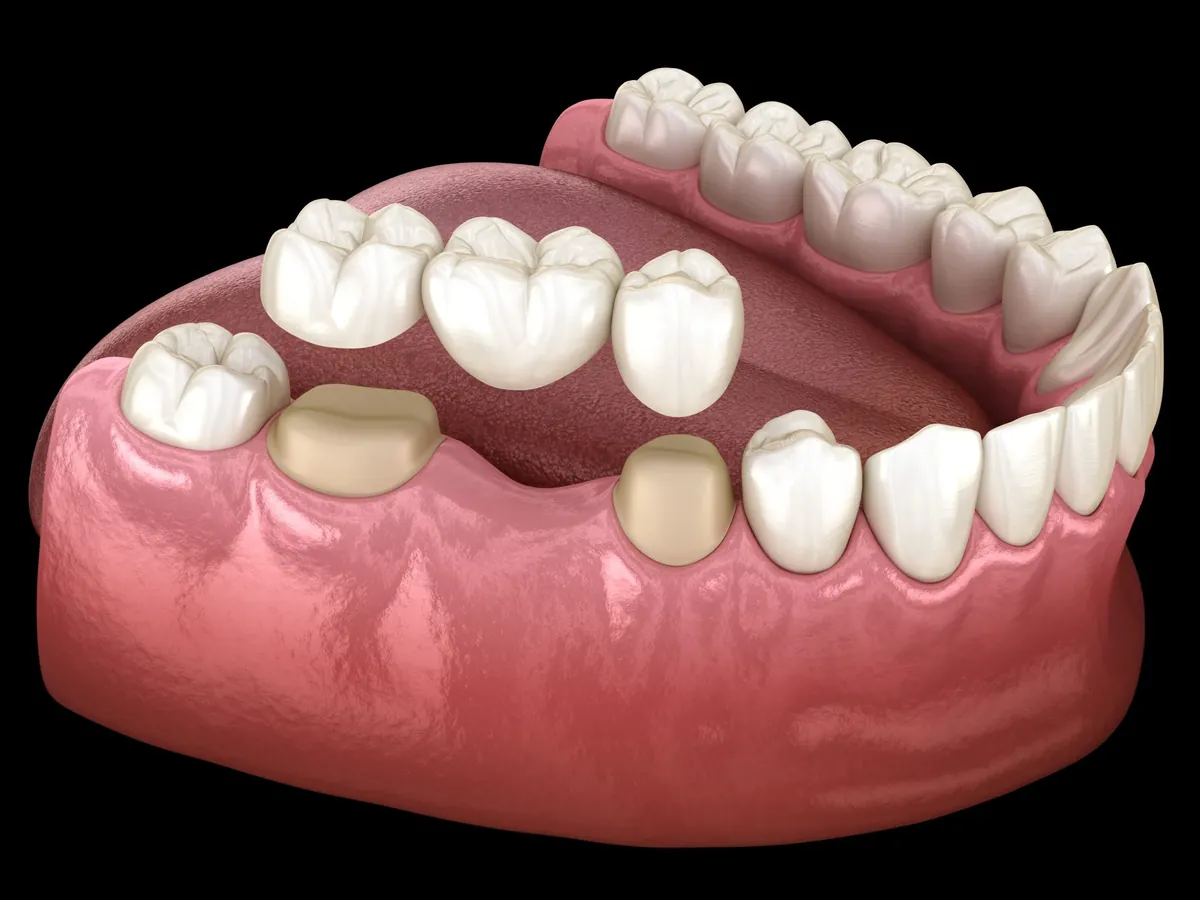
A fixed dental bridge replaces a missing tooth or a short span of missing teeth with artificial teeth called pontics. Support may come from neighboring teeth or from dental implants, depending on the case.

  • Fills a gap left by one or more missing teeth
  • Can improve chewing and speech affected by tooth loss
  • Helps limit unwanted movement of neighboring teeth
  • May be tooth-supported or implant-supported
When Restorative Care Is Needed

How Do I Know If I Need a Crown or Bridge?

The right restoration depends on how much healthy tooth structure remains, whether a tooth is missing, your bite, gum health, and the condition of neighboring teeth.

A Crown May Be Considered For

  • A cracked, fractured, or severely worn tooth
  • A large filling with limited remaining tooth structure
  • A tooth weakened by significant decay
  • A root-canal-treated tooth that needs additional protection
  • A dental implant that is ready for its final restoration

A Bridge May Be Considered For

  • One or more missing teeth in the same area
  • A gap affecting chewing, speech, or bite stability
  • Healthy neighboring teeth that can support a traditional bridge
  • A case where implant-supported replacement is appropriate
  • A fixed alternative to a removable partial denture
Diagnosis Before Design

How We Plan a Crown or Bridge

Restorative treatment starts with diagnosis. We evaluate the tooth, surrounding gums, bite, neighboring teeth, and available support before deciding whether a crown, bridge, filling, veneer, implant restoration, or another option is most appropriate.

01

Clinical & Bite Evaluation

We assess cracks, decay, existing restorations, gum health, bite forces, and how much natural tooth structure remains.

02

Digital Imaging

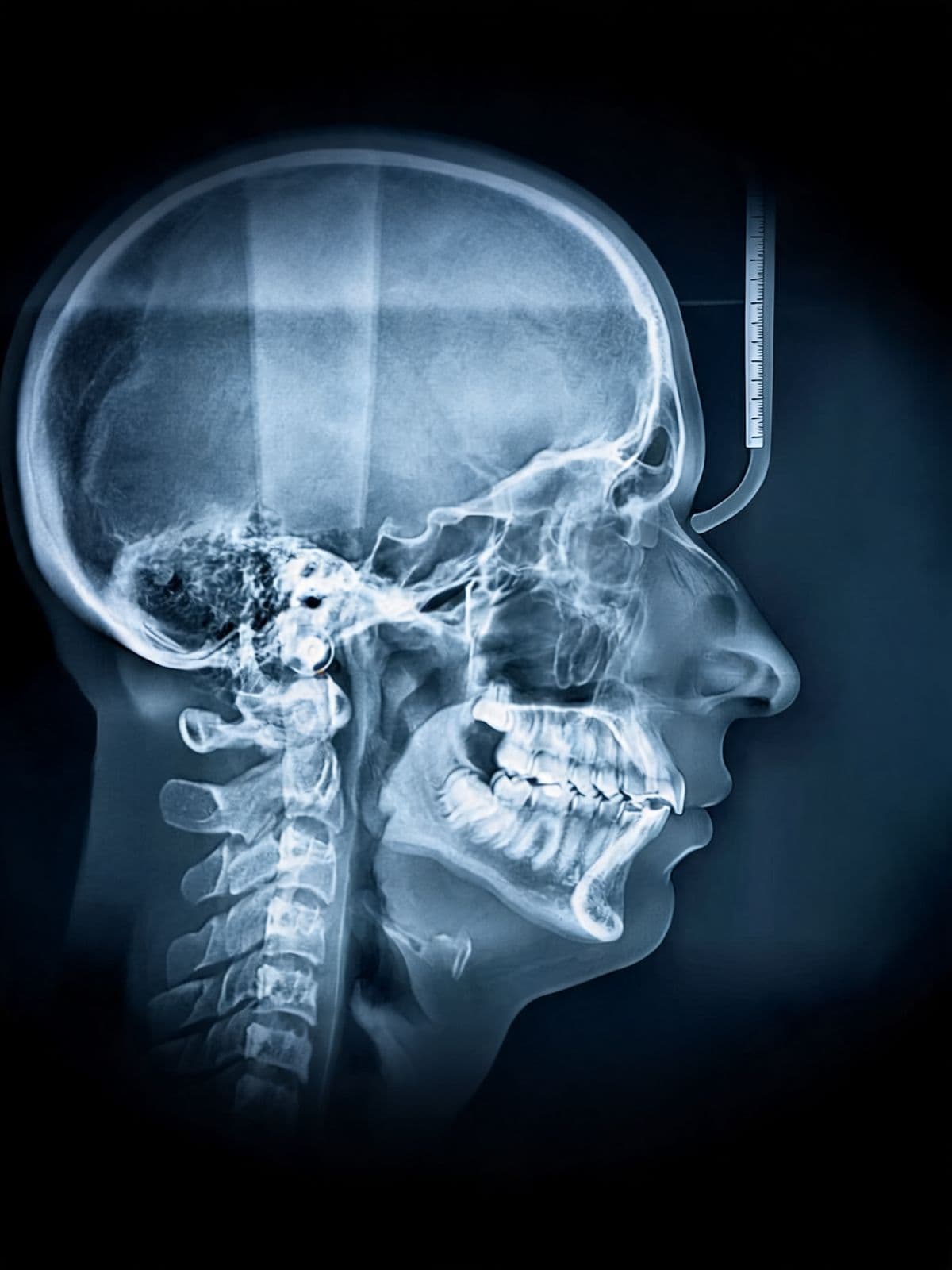
Digital radiographs and, when clinically indicated, additional 3D imaging can help evaluate roots, bone, and supporting structures.

03

Digital Impressions

Intraoral scanning can capture the shape and bite relationship of your teeth without relying on traditional impression material in many cases.

04

Restoration Planning

Shade, contours, contacts, bite, material selection, and the condition of supporting teeth are considered before fabrication.

Choosing the Right Restoration

Crown vs. Filling vs. Veneer

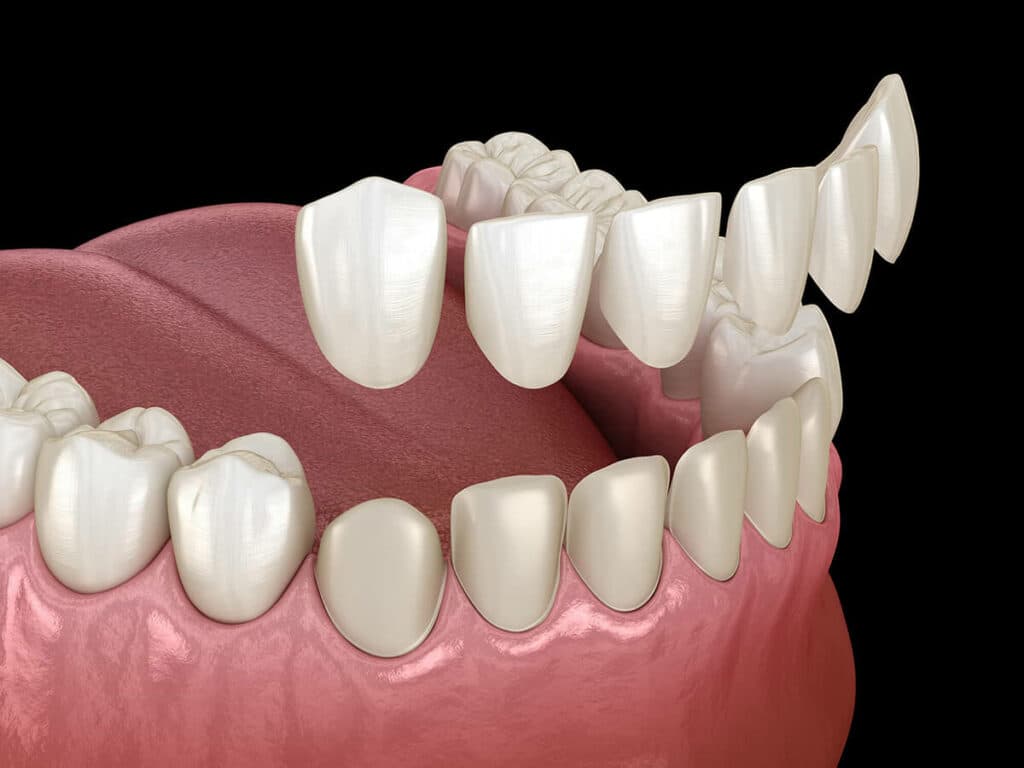
These treatments are not interchangeable. The best choice depends on whether the primary problem is structural damage, decay, or cosmetic appearance.

FeatureDental CrownFillingVeneer
Primary purposeProtect / restore a significantly weakened toothRepair a smaller area of decay or damageImprove the visible front surface of a tooth
CoverageCovers most or all of the visible toothReplaces a localized areaCovers primarily the front surface
Common useLarge fracture, large restoration, root canal, implant crownCavity or smaller defectColor, shape, spacing, selected cosmetic concerns
Tooth preparationUsually requires reshaping of the toothLimited to the damaged/decayed areaUsually requires some enamel modification depending on design
Restoring Root-Canal-Treated Teeth

Do You Need a Crown After a Root Canal?

Many back teeth need a crown or other protective restoration after root canal therapy because the tooth may already have lost substantial structure from decay, fracture, or previous fillings. Front teeth and more conservative cases may be restored differently. The final recommendation depends on the tooth, remaining structure, bite forces, and clinical findings.

Learn about root canal treatment
Replacing Missing Teeth

Traditional vs. Implant-Supported Bridges

Traditional Tooth-Supported Bridge

A traditional bridge uses crowns on neighboring teeth as abutments with one or more artificial teeth between them. The supporting teeth must be healthy enough to carry the restoration and are reshaped to receive crowns.

Implant-Supported Bridge

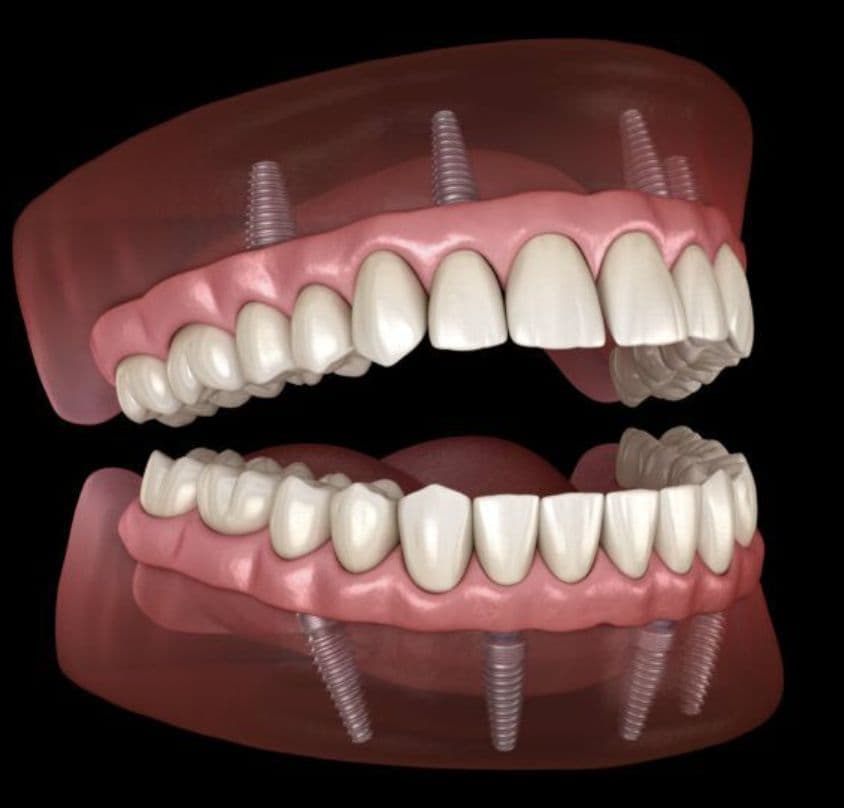
An implant-supported bridge rests on dental implants instead of natural neighboring teeth. It involves a surgical implant phase and healing before the final restoration, so treatment timing and candidacy differ from a conventional bridge.

Explore dental implant options
Step-by-Step

What to Expect During Crown or Bridge Treatment

The exact sequence depends on whether the restoration is supported by a natural tooth or an implant, whether additional treatment is needed, and how the final restoration is fabricated.

01

Exam & Diagnosis

We evaluate the tooth or missing-tooth space, supporting tissues, bite, and available treatment options.

02

Tooth Preparation or Implant Planning

For a tooth-supported crown or bridge, the supporting tooth is shaped as needed. Implant-supported cases follow a separate surgical and restorative pathway.

03

Digital Scan & Temporary Restoration

A digital impression is captured for fabrication. When needed, a temporary crown or bridge protects prepared teeth while the final restoration is made.

04

Try-In, Fit & Bite Check

The restoration is evaluated for margins, contact with neighboring teeth, shade, contour, and bite before final cementation or attachment.

05

Final Placement & Follow-Up

The crown or bridge is secured, the bite is refined, and home-care instructions are reviewed.

Missing-Tooth Options

Dental Bridge vs. Dental Implant

Both can replace missing teeth, but they use different support systems and have different timelines. Neither option is automatically right for every patient.

FeatureDental BridgeDental Implant
SupportAdjacent teeth or implantsImplant placed in jawbone
Neighboring teethTraditional bridges usually require preparation of supporting teethUsually does not require crowning adjacent healthy teeth
Surgical phaseNot for a conventional tooth-supported bridgeYes
Treatment timelineOften shorter for conventional bridgesIncludes implant healing / integration before final restoration in many cases
Best fitDepends on gap size, supporting teeth, bite, hygiene, anatomy, and patient preferencesDepends on bone, medical factors, anatomy, healing, and patient preferences
Long-Term Maintenance

How to Care for Crowns and Bridges

Crowns and bridges can function for many years, but no restoration lasts forever. Longevity varies with material, bite forces, grinding, oral hygiene, decay risk, gum health, and the condition of supporting teeth.

  • Brush twice daily and clean carefully along crown and bridge margins
  • Floss daily; use floss threaders or interdental brushes beneath bridge pontics
  • Avoid chewing ice or using restored teeth to open packaging
  • Discuss a nightguard if you grind or clench your teeth
  • Keep regular dental exams and professional cleanings

Call Us If a Crown or Bridge Feels Loose

A loose restoration, new pain when chewing, a visible crack, persistent sensitivity, food trapping, or sore gums around a crown or bridge should be evaluated. Early assessment may help identify decay, cement failure, fracture, bite issues, or problems with a supporting tooth.

Tribeca • Lower Manhattan

Dental Crowns & Bridges Near You in Tribeca

Tribeca Dental Studio is located at 54 Warren Street, New York, NY 10007, serving patients from Tribeca, the Financial District, Civic Center, Battery Park City, SoHo, and surrounding Lower Manhattan neighborhoods. Crowns, bridges, root canal care, fillings, preventive dentistry, and implant-related restorative planning can be coordinated within one practice.

54 Warren Street, New York, NY 10007

212-561-5303
Patient Questions

Dental Crowns & Bridges FAQ

How do I know whether I need a crown or a filling?

A filling generally repairs a smaller, localized defect. A crown may be considered when a tooth has lost more structure, is cracked or weakened, contains a very large restoration, or needs additional coverage after root canal therapy. An examination and imaging are needed to make that decision.

Do all root canal teeth need crowns?

Not every root-canal-treated tooth is restored the same way. Back teeth commonly need substantial protection because of chewing forces and existing structural loss, while some front teeth can be restored more conservatively. The decision depends on the individual tooth.

How many teeth can a dental bridge replace?

Bridges can replace one or more neighboring missing teeth, but the practical span depends on the strength and position of the supporting teeth or implants, the bite, and the design of the restoration.

Is a bridge better than a dental implant?

They are different treatment approaches. A conventional bridge may avoid implant surgery but usually relies on prepared neighboring teeth. An implant replaces support at the missing-tooth site but requires surgery and healing. Your anatomy, supporting teeth, health, timeline, and preferences all matter.

How long do crowns and bridges last?

There is no single lifespan that applies to everyone. Many restorations function for years, but longevity depends on material, bite forces, grinding, hygiene, decay risk, gum health, and the health of supporting teeth.

Can a crown fix a cracked tooth?

A crown can help protect and restore some cracked or fractured teeth when enough healthy tooth structure remains. Deeper cracks, root fractures, or non-restorable teeth may require different treatment, so diagnosis is important.

How do I clean under a dental bridge?

The area beneath the replacement tooth should be cleaned daily using a floss threader, super floss, interdental brush, or another method recommended by your dental team. Regular professional cleanings are also important.

What should I do if my crown or bridge comes loose?

Avoid chewing on that area and contact the dental office for evaluation. Do not use household glue. Whether the restoration can be recemented or needs replacement depends on the restoration and the condition of the supporting tooth or implant.

Tribeca Dental Studio

Restore a Damaged or Missing Tooth

Schedule a restorative consultation in Lower Manhattan to compare crown, bridge, implant, filling, and other appropriate options for your specific tooth and bite.

Schedule Appointment

Our Disciplines

Cosmetic Dentistry

Cosmetic Dentistry

→
Dental Implants

Dental Implants

→
All-on-4® Dental Implants

All-on-4® Dental Implants

→
Dental Exams & Teeth Cleanings

Dental Exams & Teeth Cleanings

→
Preventive Dentistry

Preventive Dentistry

→
Tooth Extractions

Tooth Extractions

→
Airway Treatments

Airway Treatments

→
View All