Crowns vs. Bridges vs. Implants: Understanding the Differences
September 12, 2025
Crowns, bridges, and implants are all used in restorative dentistry, but they solve different problems. A crown typically restores and protects an existing tooth. A bridge replaces one or more missing teeth by connecting to neighboring support. An implant replaces a missing tooth root and supports a crown or larger restoration.
The right choice depends on whether the tooth is still present, the condition of neighboring teeth, bone and gum health, bite forces, location in the mouth, and long-term maintenance goals.
When a crown is considered
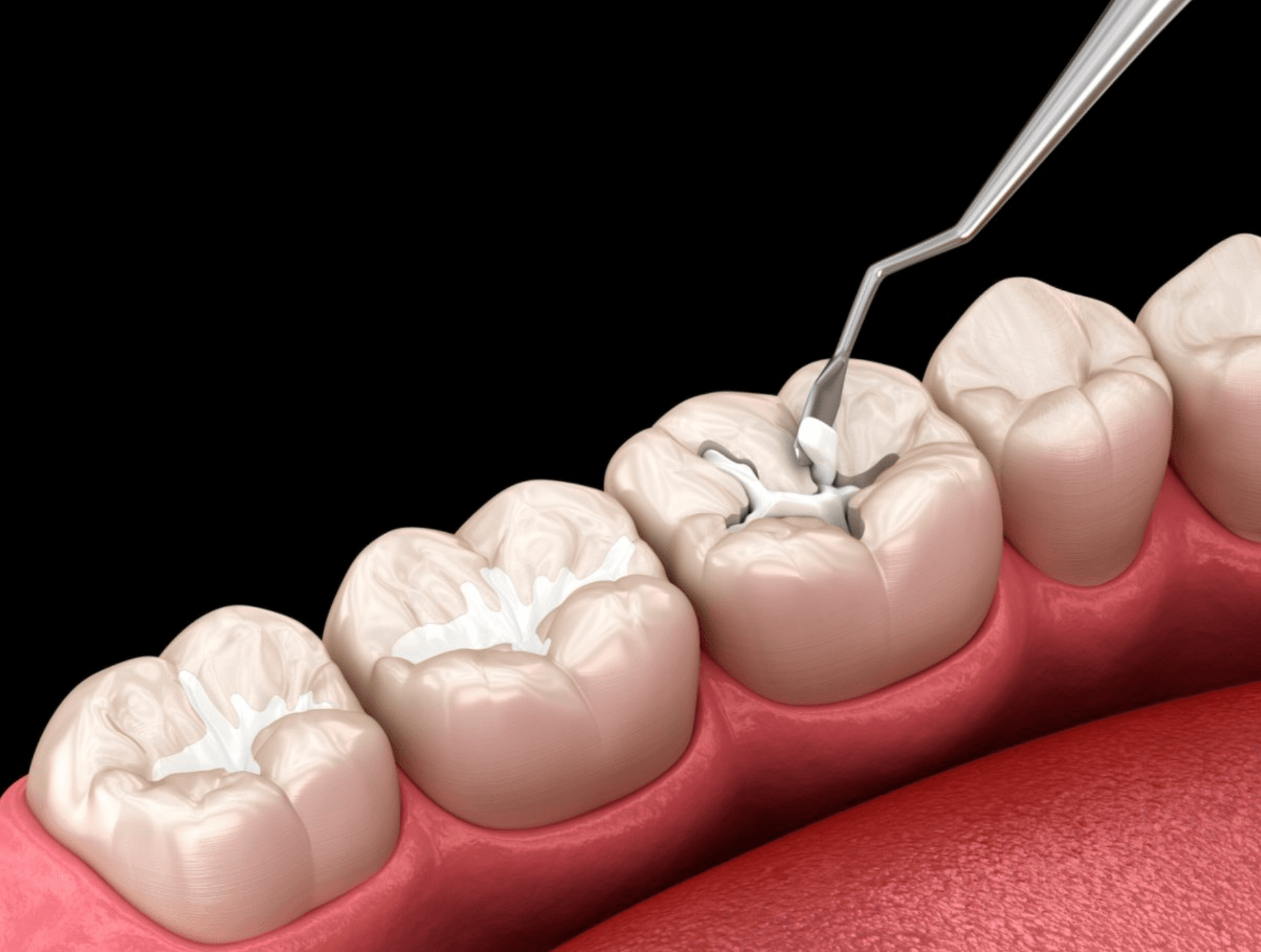
A crown covers a tooth that needs more structural protection than a filling can provide. Reasons may include a large restoration, fracture, significant wear, or treatment that has left the tooth weakened.
The tooth must still have a usable foundation. Your dentist evaluates how much healthy structure remains and whether other treatment is needed before a crown is placed.
How a bridge replaces a missing tooth
A traditional bridge uses neighboring teeth as support for a replacement tooth between them. This can be a useful option when those neighboring teeth already need significant restorative treatment.
Because a bridge joins multiple teeth together, cleaning underneath and around it requires specific flossing tools or interdental aids.
How an implant differs
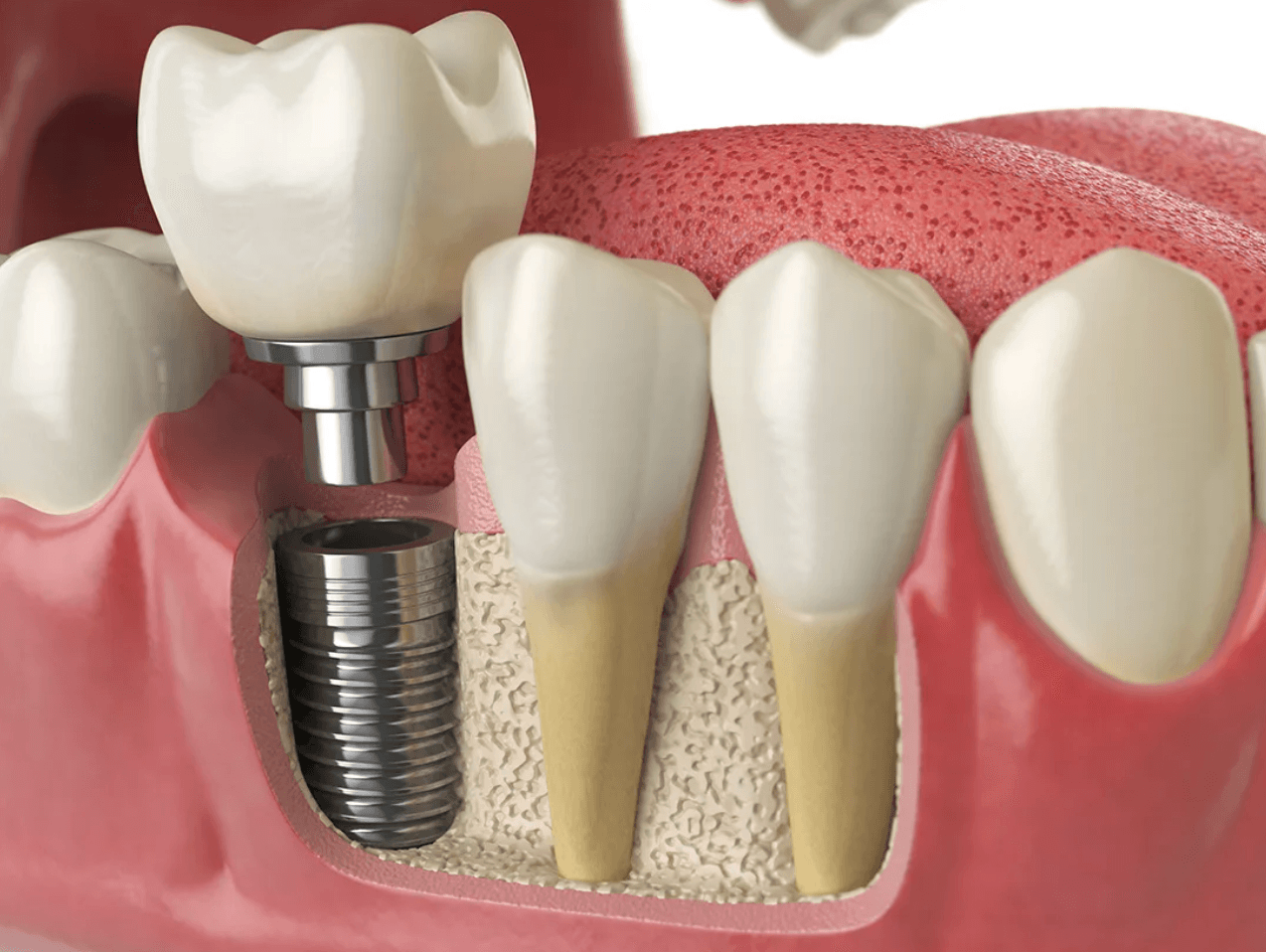
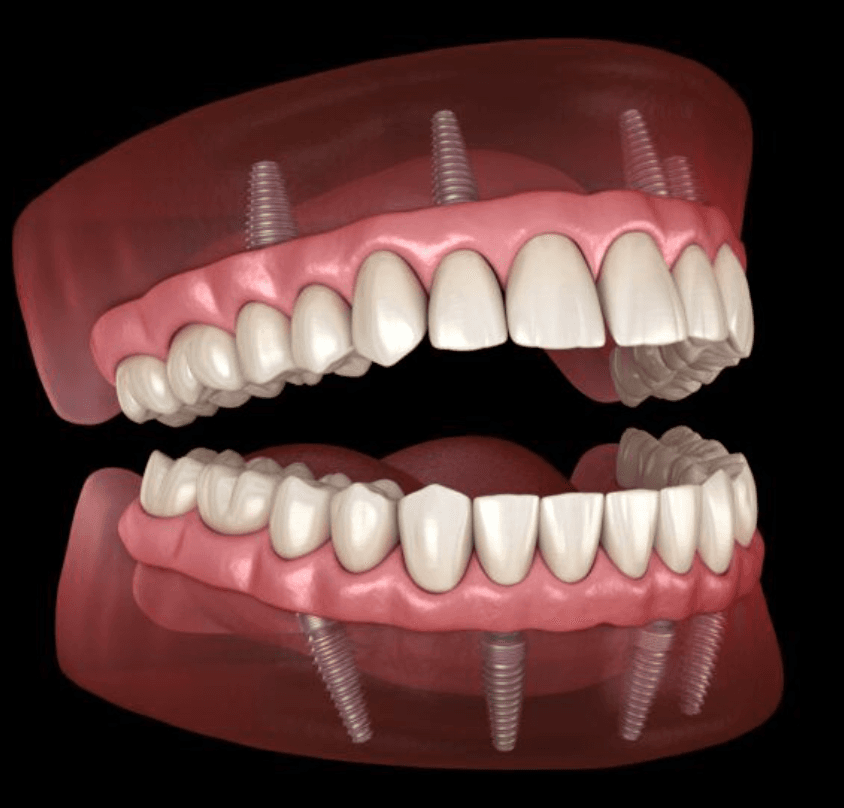
A dental implant is placed in the jawbone and supports a restoration without relying on adjacent teeth for support. Treatment typically involves surgical and restorative phases.
Bone anatomy, healing, medical history, gum health, and the amount of space available all influence implant planning.
Compare the whole treatment plan
Do not compare options only by the name of the procedure. Ask about the health of neighboring teeth, treatment time, maintenance, expected restorative steps, and what happens if the restoration needs repair in the future.
Sometimes more than one option is reasonable, making your priorities and long-term maintenance preferences an important part of the discussion.
Questions and practical points to bring to your visit
- Ask whether the neighboring teeth are healthy enough to leave untouched.
- Discuss how each option will be cleaned at home.
- Ask about treatment stages and healing time.
- Consider the condition of the entire bite, not only the missing tooth.
Related reading from Tribeca Dental Studio
- Dental implants
- Veneers vs. crowns
- When a filling may need a crown
- Restorative options from inlays to implants
Next steps
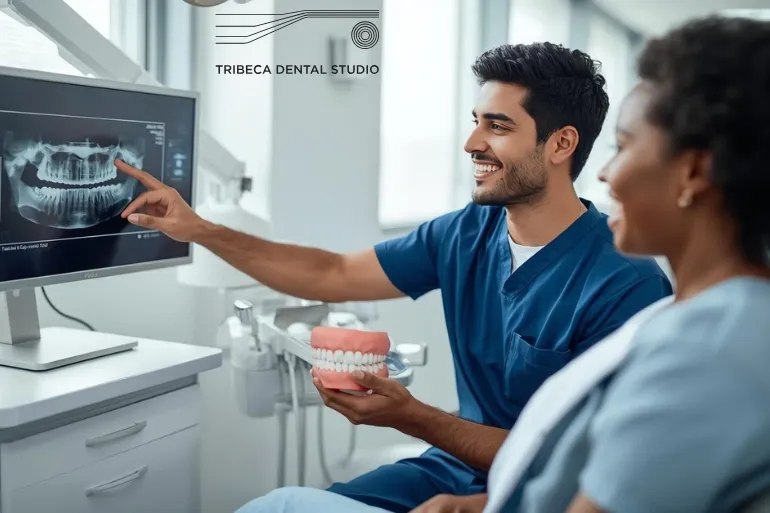
The information above is intended to help you prepare better questions and understand the topic before an appointment. Individual recommendations depend on an examination, dental history, imaging when appropriate, and the specific condition of your teeth, gums, bite, and supporting structures.
For care in Tribeca and Lower Manhattan, explore the related service and educational pages above or contact Tribeca Dental Studio to discuss which type of evaluation fits your concern.