Bone Grafting in Tribeca
Rebuild jawbone volume and create a permanent foundation for lifelong dental implants. Advanced 3D-guided bone augmentation in Lower Manhattan.
The short answer
After tooth loss, the jawbone starts resorbing — up to 25% in the first year. A bone graft gives your body the framework to regrow solid, living bone \u2014 the strong foundation implants need. Most grafts integrate over 3 to 9 months, and the procedure is outpatient — most patients return to routine in a day or two.
Rebuild the solid foundation your smile needs.
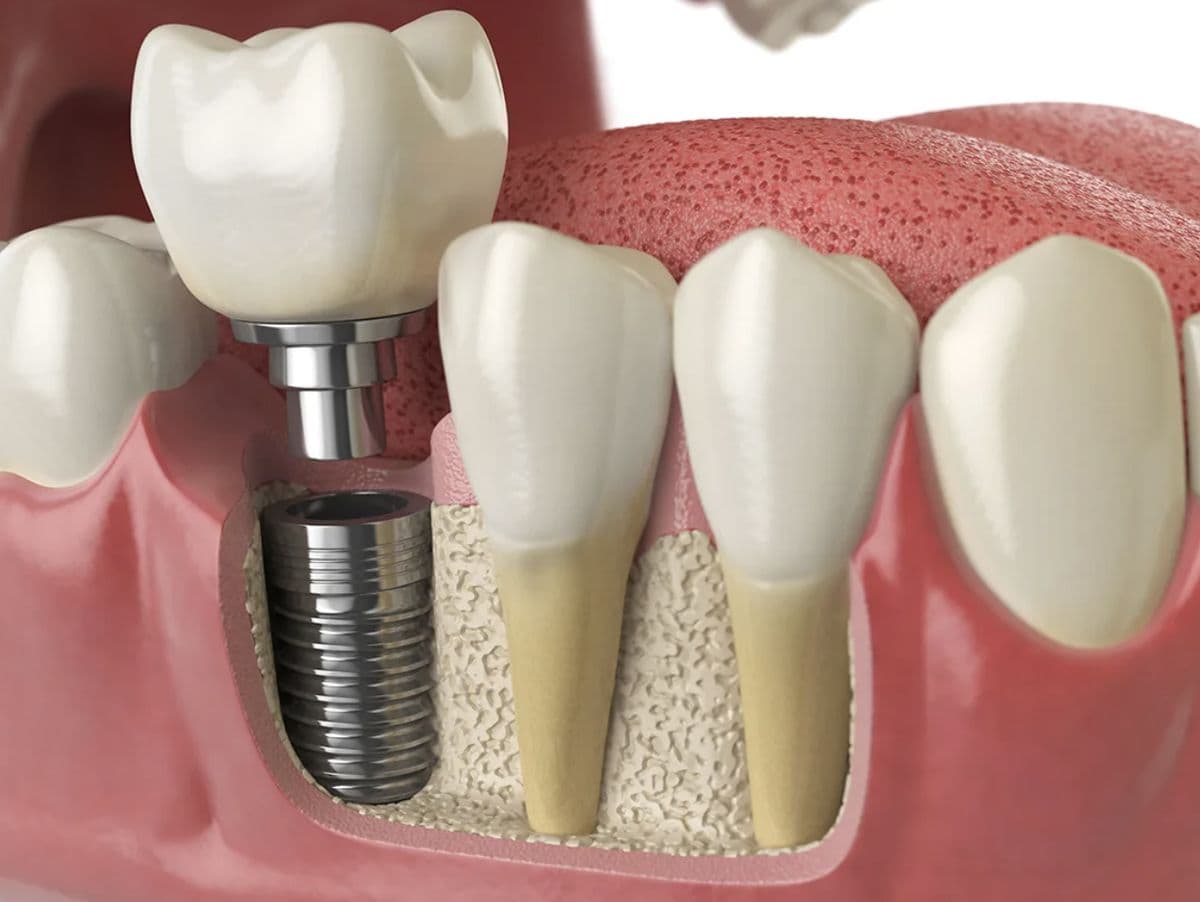
Just like natural tooth roots, dental implants require a strong, dense jawbone to anchor securely. Following tooth loss, severe periodontitis, or trauma, the surrounding bone quickly deteriorates. Dental bone grafting acts as a scaffold that encourages your body to regenerate fresh bone tissue, ensuring your implants remain firm and permanent.
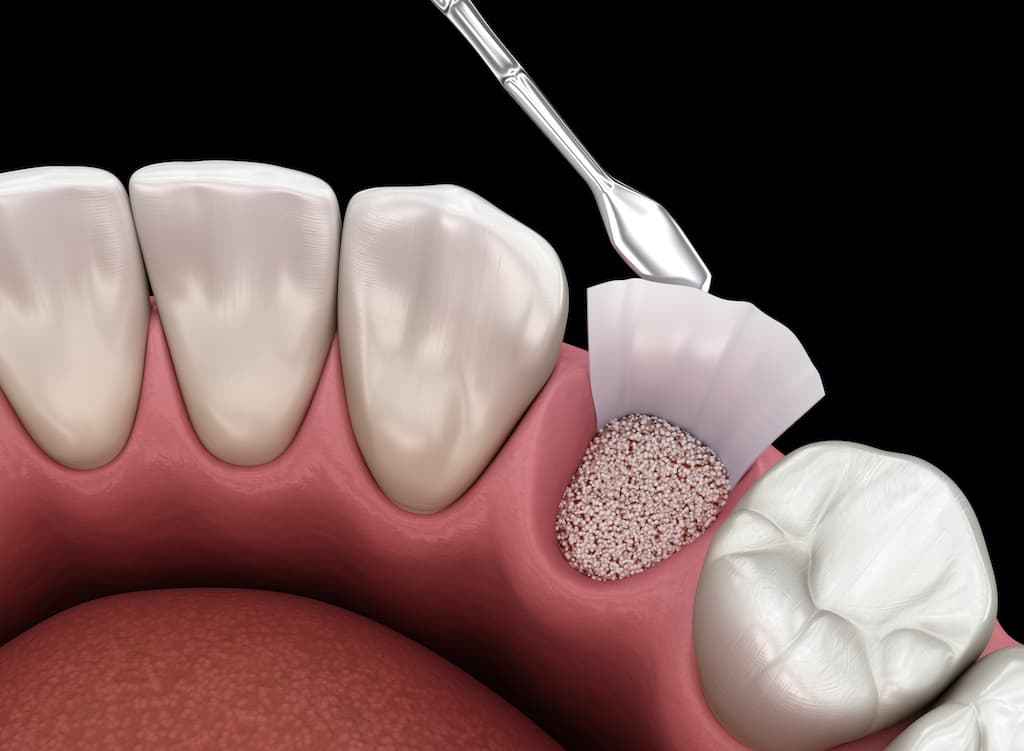
Why do I need a bone graft before implants?
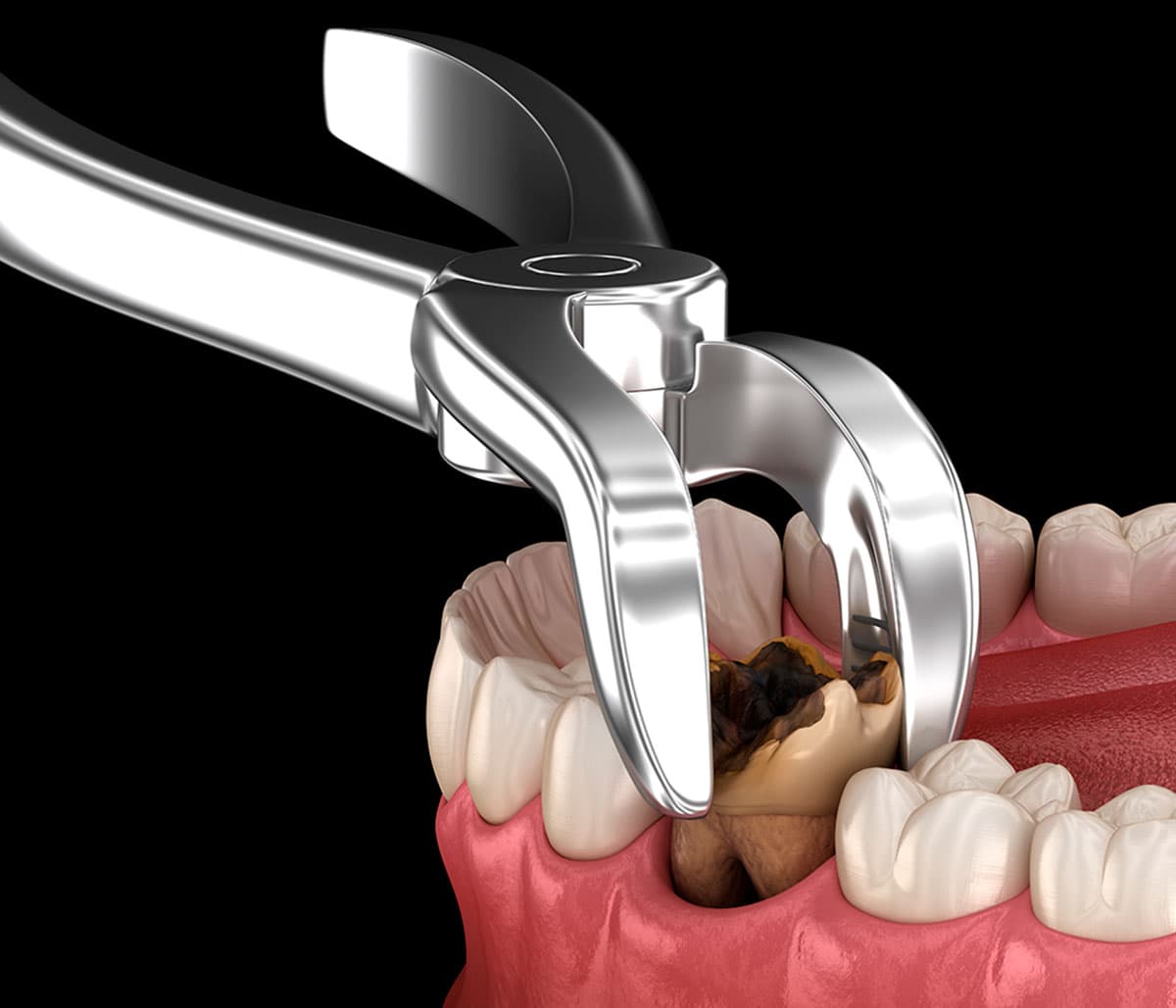
Immediate Socket Preservation
Placing bone material immediately following tooth extraction to prevent rapid bone resorption.
Ridge Augmentation
Restores natural height and width to depleted jawbone ridges for secure implant anchoring.
Sinus Lift Augmentation
Adds bone volume to upper posterior regions where sinus cavities sit close to missing molar roots.
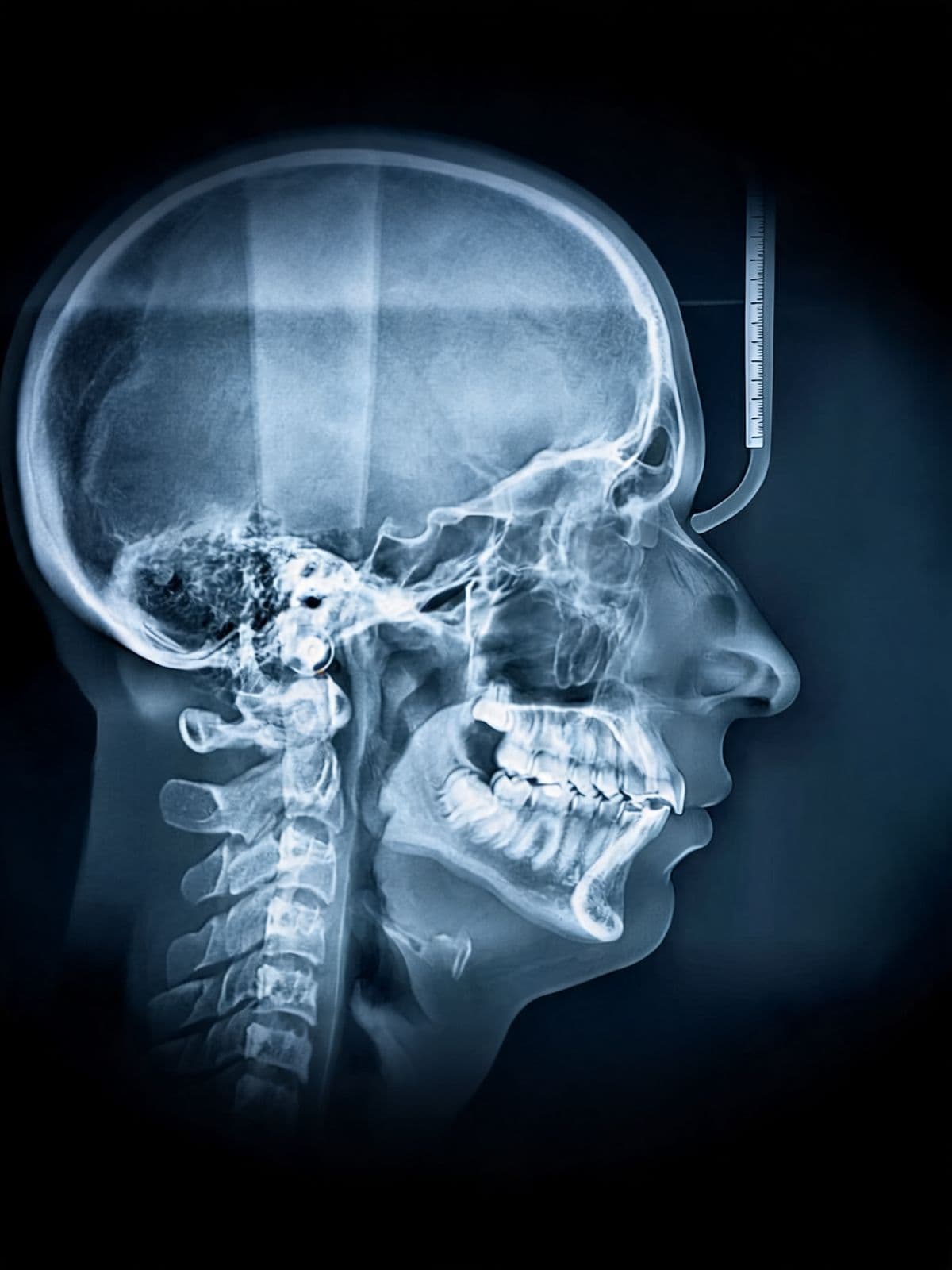
Advanced 3D CBCT Surgical Planning
High-resolution 3D CT scanning maps bone density and vital structures to ensure predictable graft integration.
Which bone graft technique is right for me?
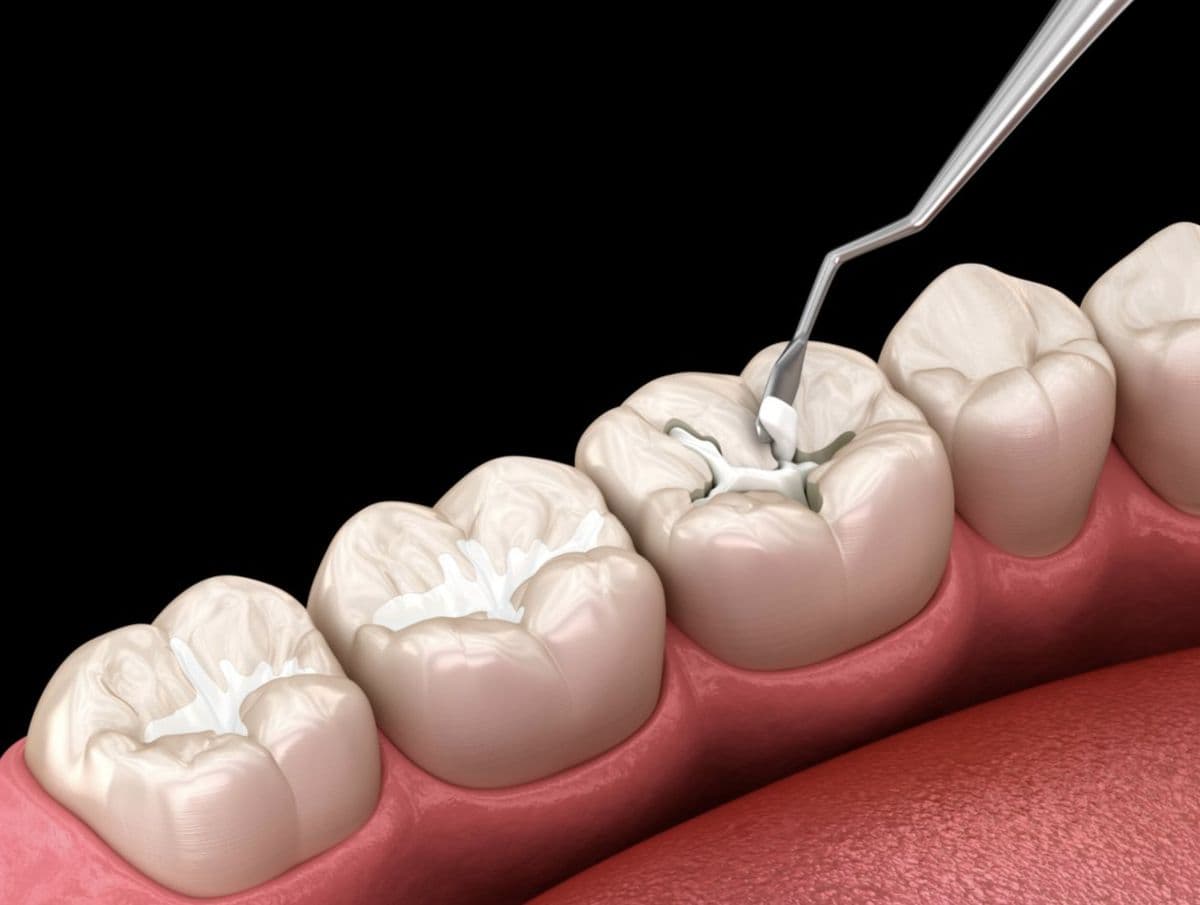
Socket Preservation
Placed into the empty tooth socket immediately following an extraction. This prevents the surrounding bone walls from collapsing and maintains the natural contours needed for future implant placement.
How does bone grafting work?
3D CBCT Assessment & Planning
We capture high-definition 3D imaging to evaluate bone quality, sinus boundaries, and precise grafting areas.
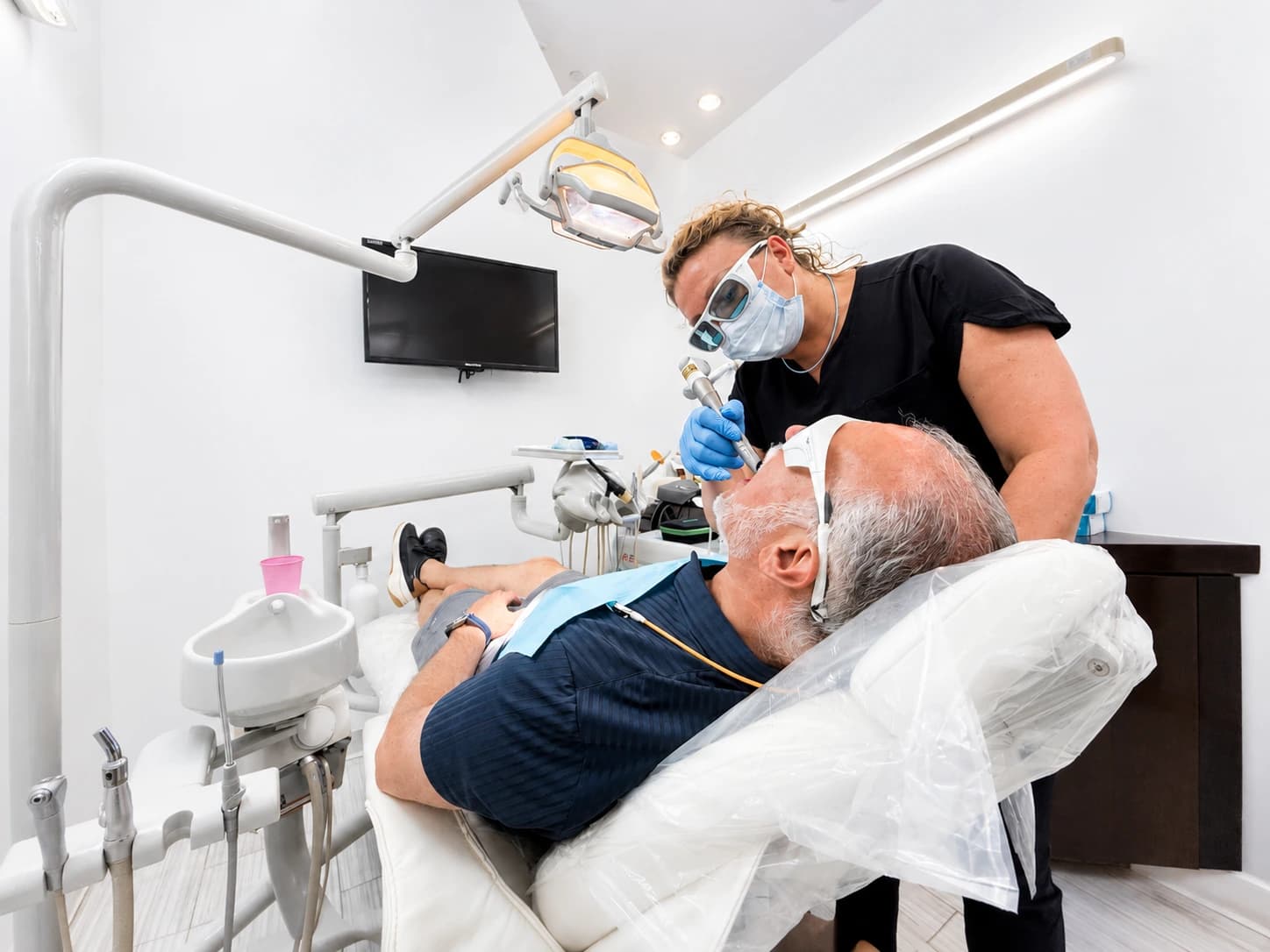
Anesthesia & Comfortable Preparation
Targeted local anesthesia combined with optional sedation ensures a completely relaxed, pain-free experience.
Biocompatible Material Placement
High-grade biocompatible graft material is placed precisely into deficient areas to act as a scaffold.
Healing & Osseous Integration
Over several months, your natural jawbone fuses with the graft scaffold, creating a rigid base for implants.
| Graft size | When implants can be placed |
|---|---|
| Minor graft (e.g. at tooth extraction) | As little as 3 to 4 months. |
| Larger reconstruction | 6 to 9 months, depending on the extent of bone loss. |
| Daily recovery | Most return to their normal routine within a day or two. |
Lost Bone Doesn't Have to Stay Lost
When a tooth is lost and not replaced, the jawbone begins a quiet process of resorption. Without the daily stimulation of a tooth root, the body literally reabsorbs the bone — sometimes up to 25% in the first year alone. Over time, this doesn't just complicate implant placement — it changes the shape of your face, making cheeks look sunken and the jawline less defined. Bone grafting interrupts that process and reverses it.
At Tribeca Dental Studio, bone grafting is never a one-size-fits-all procedure. Every case starts with cone-beam 3D imaging that shows us exactly where bone is missing, how much is missing, and which grafting technique will deliver the best outcome. For small defects, a minor graft placed at the time of extraction can preserve existing bone. For extensive loss, we rebuild entire sections of the ridge. The graft material — whether from your own body, processed donor bone, or synthetic biocompatible material — acts as a scaffold that your body colonizes with new, living bone.
Our downtown Manhattan patients are often surprised to learn that bone grafting is an outpatient procedure performed under local anesthesia with optional sedation, and that most return to their normal routine within a day or two. Over the following months, the graft integrates quietly. When we place the final implant, it anchors into bone that is genuinely yours — strong, living, and capable of supporting a restoration for decades.
Frequently Asked Questions
Is dental bone grafting painful?
+How long does a bone graft take to heal?
+Where does the bone material come from?
+What happens if I skip bone grafting before getting implants?
+Does bone grafting hurt?
+How long do I wait between grafting and implant placement?
+Will my body reject the graft material?
+Can bone grafting be done at the time of tooth extraction?
+Explore Related Services
TRIBECA • NEW YORK
Rebuild Your Foundation for Lifetime Implants
Schedule your consultation for bone grafting surgery with our oral surgery team in Lower Manhattan today.
SCHEDULE CONSULTATION