Invisalign in NYC:Treatment Process
December 18, 2025
Understanding the Clear Path to Your Best Smile
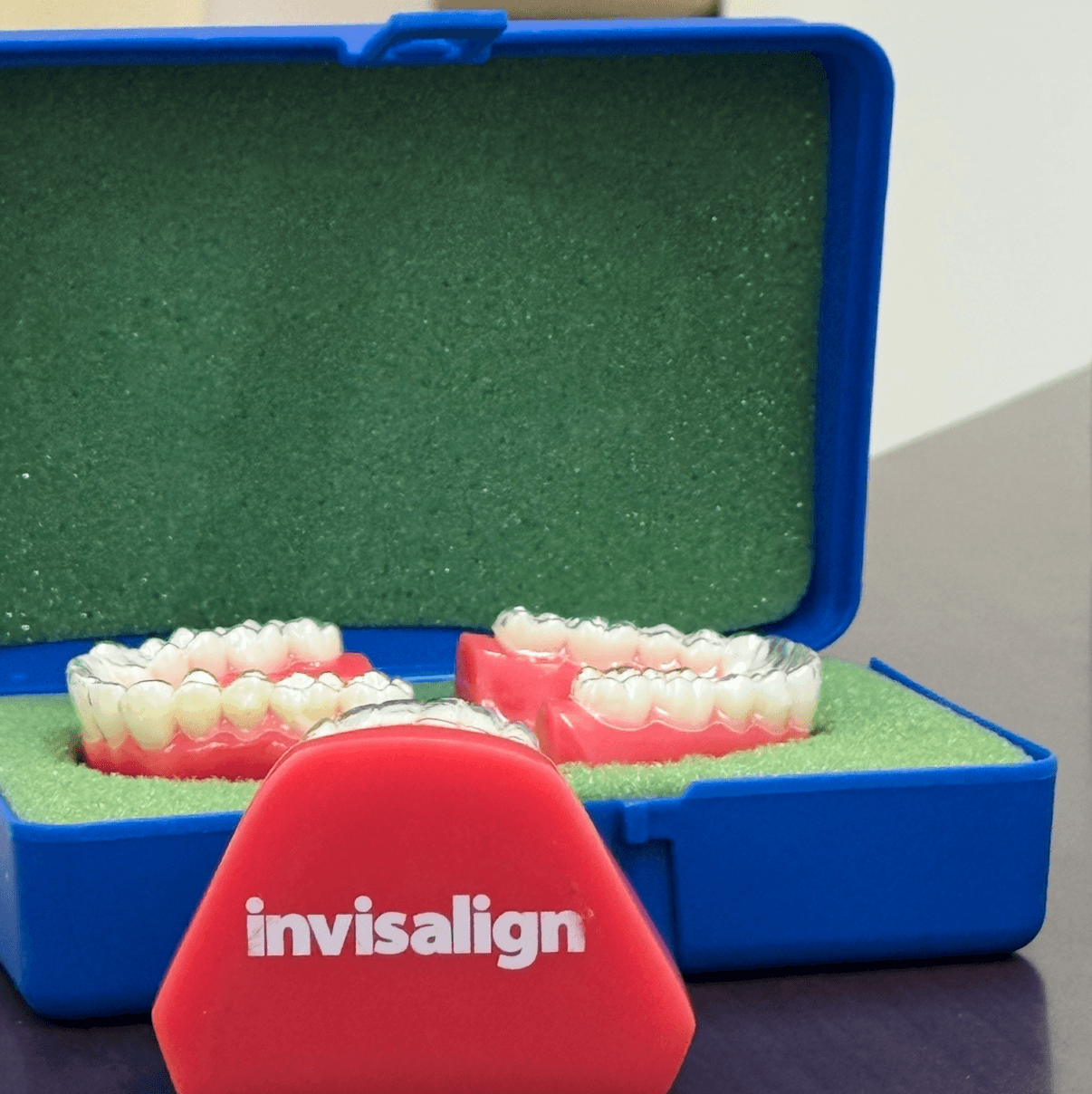
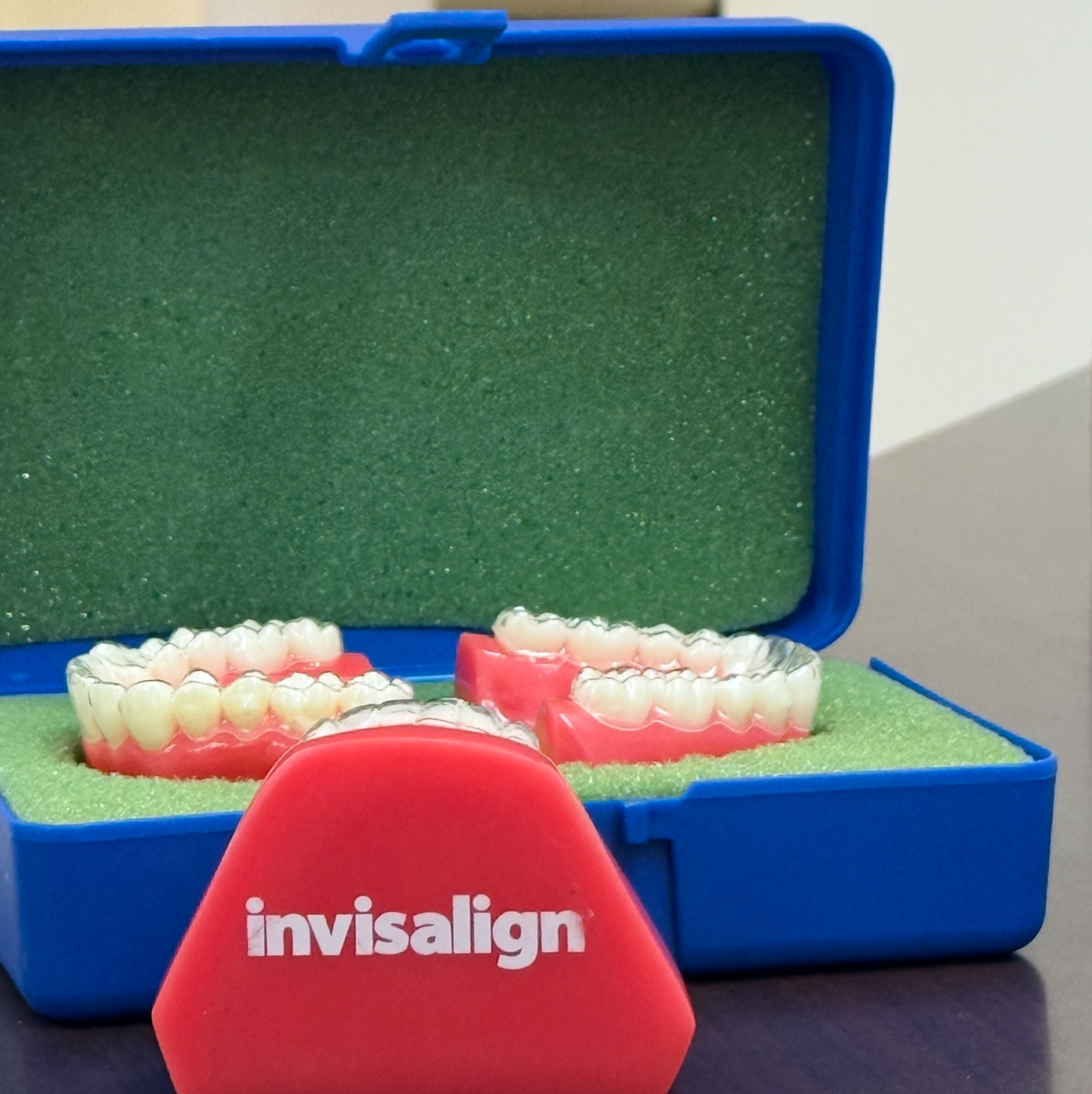
Invisalign is a modern orthodontic treatment that uses a series of custom-made, clear, removable aligners to gradually straighten your teeth without traditional metal braces. Here’s what you need to know:
What is Invisalign?
- A system of clear plastic aligners that move teeth incrementally
- Nearly invisible when worn
- Custom-designed for your unique smile using 3D digital technology
- Removable for eating, drinking, and cleaning
How It Works:
- Get a 3D digital scan of your teeth
- Wear each set of custom aligners for 20-22 hours daily
- Switch to a new set every 1-2 weeks
- See your new smile emerge gradually over time
Treatment Duration: As little as 6 months for simple cases, typically 12-18 months for most patients.
With over 20 million people treated worldwide, Invisalign has revolutionized how adults and teens straighten their teeth. The aligners are made from smooth, flexible plastic—far more comfortable than traditional metal braces. You can remove them to eat your favorite foods, brush and floss normally, and attend fewer orthodontist visits than with conventional braces.
The treatment works for a range of orthodontic issues including crowded teeth, gaps, overbites, underbites, and crossbites. While mild to moderate cases are ideal candidates, a comprehensive consultation with a trained provider determines if Invisalign is right for your specific needs.
I’m Dr. Nina Izhaky, and at my Tribeca Dental Studio, I’ve helped countless patients achieve their dream smiles through Invisalign treatment using state-of-the-art 3D imaging technology and personalized care. My practice is 100% digital and mercury-free, offering a modern approach to orthodontics with every specialist on-site to support your journey.
What is Invisalign and How Does It Work?
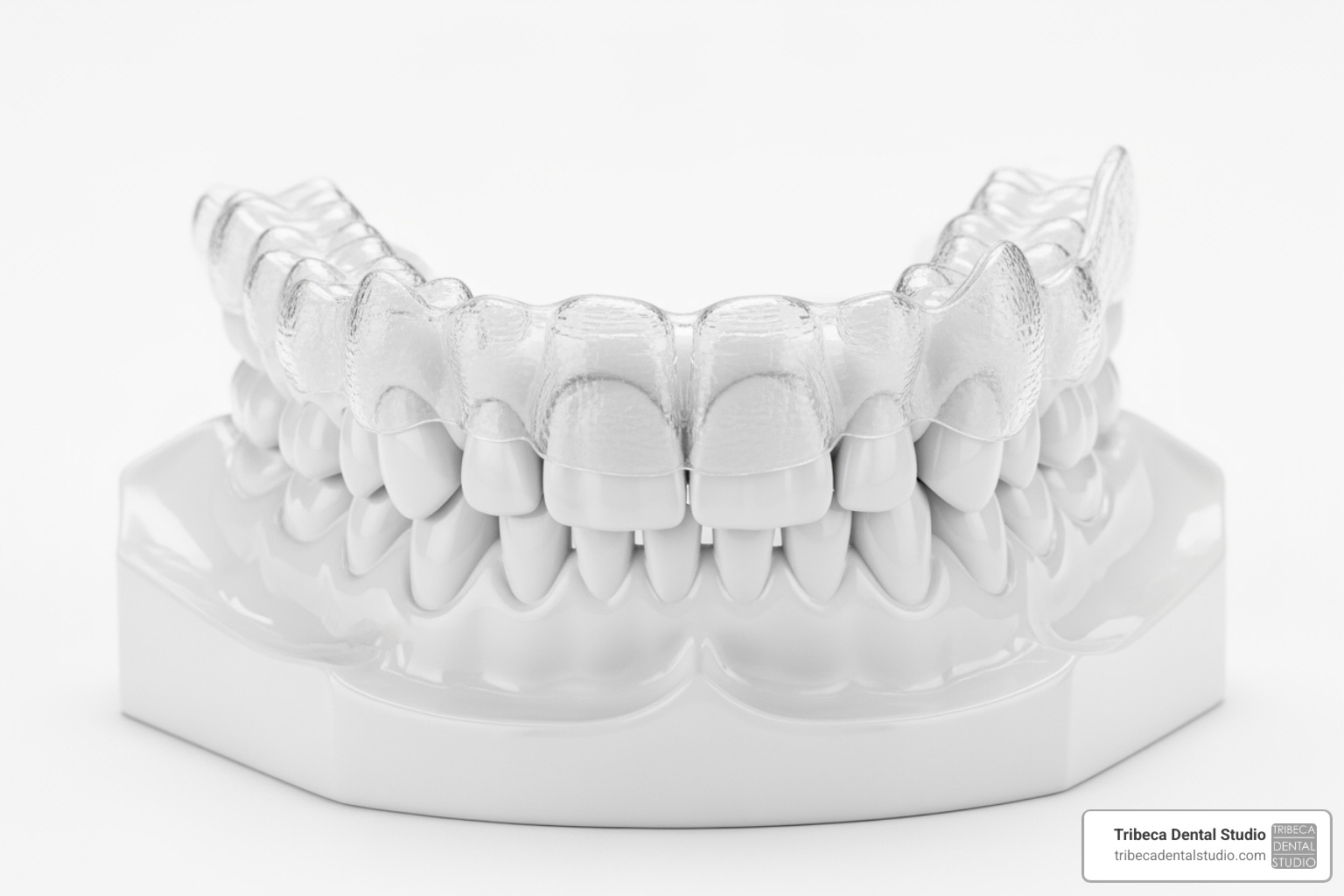
At its core, Invisalign is an innovative clear aligner system designed to gradually shift your teeth into their ideal positions. Unlike traditional braces that use brackets and wires, Invisalign uses a series of custom-made, transparent plastic trays. Each set of aligners is precisely engineered to apply gentle, consistent pressure to your teeth, guiding them through a planned sequence of movements.
We create these aligners from smooth, flexible plastic, making them inherently more comfortable than the metal and wires of traditional braces. For optimal results, you’ll wear these aligners for 20 to 22 hours a day, only removing them for eating, drinking (anything other than water), brushing, and flossing. This removability is a game-changer, allowing you to maintain your normal diet and oral hygiene routine without interruption.
You can learn more about the advanced material used in these aligners here: Learn about SmartTrack®material.
The Technology Behind Your New Smile
The magic of Invisalign begins with advanced technology. Your journey starts not with messy dental impressions, but with a fast and precise 3D digital scan of your teeth. Here at Tribeca Dental Studio, we use cutting-edge scanning technology, like the iTero™ Element scanner, to capture a detailed, three-dimensional map of your mouth. This digital blueprint allows us to create an incredibly accurate and personalized treatment plan just for you.
You can explore this technology further: Learn about iTero®scanning.
This 3D digital imaging enables us to visualize your smile from start to finish, even before you begin treatment. We can map out the precise movements of each tooth, predicting your results with remarkable accuracy. This custom treatment plan then informs the creation of your entire series of aligners, each designed to progress your teeth a step closer to their perfect alignment.
It’s a testament to how far modern orthodontics has come, delivering predictable results with unparalleled comfort and discretion.
Who is a Good Candidate for Treatment?
Invisalign is a versatile treatment option suitable for a wide range of orthodontic concerns in both teens and adults. While it excels in addressing mild to moderate cases, advancements in the system mean it can also effectively tackle more complex issues. We often recommend Invisalign for patients experiencing:
- Crowded teeth: When there isn’t enough space in your jaw for your teeth to fit normally, leading to overlapping or crooked teeth.
- Gapped teeth: Spaces between teeth, which can be a cosmetic concern and also lead to food impaction.
- Overbite: When your upper front teeth overlap significantly with your lower front teeth. We’ve helped many patients with overbite correction with Invisalign in NYC.
- Underbite: When your lower front teeth extend out in front of your upper front teeth.
- Crossbite: When some of your upper teeth bite inside your lower teeth.
Every person is different, and not every individual is a good candidate for every type of clear aligner therapy. That’s why an in-person consultation with an experienced dental professional is crucial. We’ll assess your specific needs and determine if Invisalign is the best path to your ideal smile. For more information on various orthodontic solutions we offer, please visit our Orthodontics services page.
The Step-by-Step Invisalign Treatment Process
Starting on your Invisalign journey with Tribeca Dental Studio is a straightforward and supportive experience. We guide you through every step, ensuring you feel informed and comfortable.
Best dentistry team in NYC
Step 1: Your Initial Consultation
Your change begins with a comprehensive initial consultation here in Tribeca. This isn’t just an appointment; it’s an opportunity for us to get to know you, understand your smile goals, and conduct a thorough dental examination. We’ll discuss your oral health history, review any previous dental work, and take any necessary X-rays. This complete picture helps us determine if Invisalign is the right solution for you.
We encourage you to ask any questions you have – our team is here to provide all the answers and ensure you’re confident in your treatment plan. You can prepare for your first visit by checking out our Your First Visit services page.
Step 2: Custom Digital Planning
Once we’ve determined that Invisalign is a great fit, the next exciting step is creating your custom digital treatment plan. Using our state-of-the-art iTero™ Element scanner, we’ll take a fast and precise 3D digital scan of your teeth. This scan eliminates the need for uncomfortable traditional impressions.
From this digital model, we can then generate a virtual smile preview, showing you exactly how your teeth will move throughout the treatment and what your final smile will look like. It’s truly amazing to see your future smile before you even begin! This detailed mapping of tooth movements allows us to design your entire series of custom aligners, ensuring a precise and predictable outcome.
To learn more about how we use these advanced tools, visit our Invisalign Clear Aligner Braces services page.
Step 3: Living with Your Aligners
With your custom aligners in hand, you’ll begin the active phase of your treatment. The key to success with Invisalign is consistency. We’ll instruct you to wear your aligners for 20 to 22 hours daily. Each set of aligners is typically worn for one to two weeks before you switch to the next in the series. This gradual progression is what gently moves your teeth.
You’ll remove your aligners for all meals and drinks (except water). This flexibility means no dietary restrictions – you can continue to enjoy all your favorite foods! Maintaining excellent oral hygiene is also crucial. You’ll brush and floss your teeth thoroughly after every meal and before reinserting your aligners. This prevents food particles and bacteria from getting trapped, which could lead to cavities or gum issues.
While some initial pressure or minor discomfort is normal as your teeth adjust, it typically subsides quickly. If you experience any discomfort, you can find helpful tips on our how to get rid of braces pain page, which can be applicable to aligners as well.
Benefits and Considerations of Invisalign
Choosing an orthodontic treatment is a significant decision, and we want you to be fully informed. Invisalign offers a host of compelling advantages, but like any medical treatment, it also comes with certain considerations.
The Main Advantages of Choosing Invisalign
Many patients in NYC choose Invisalign over traditional braces for several key reasons:
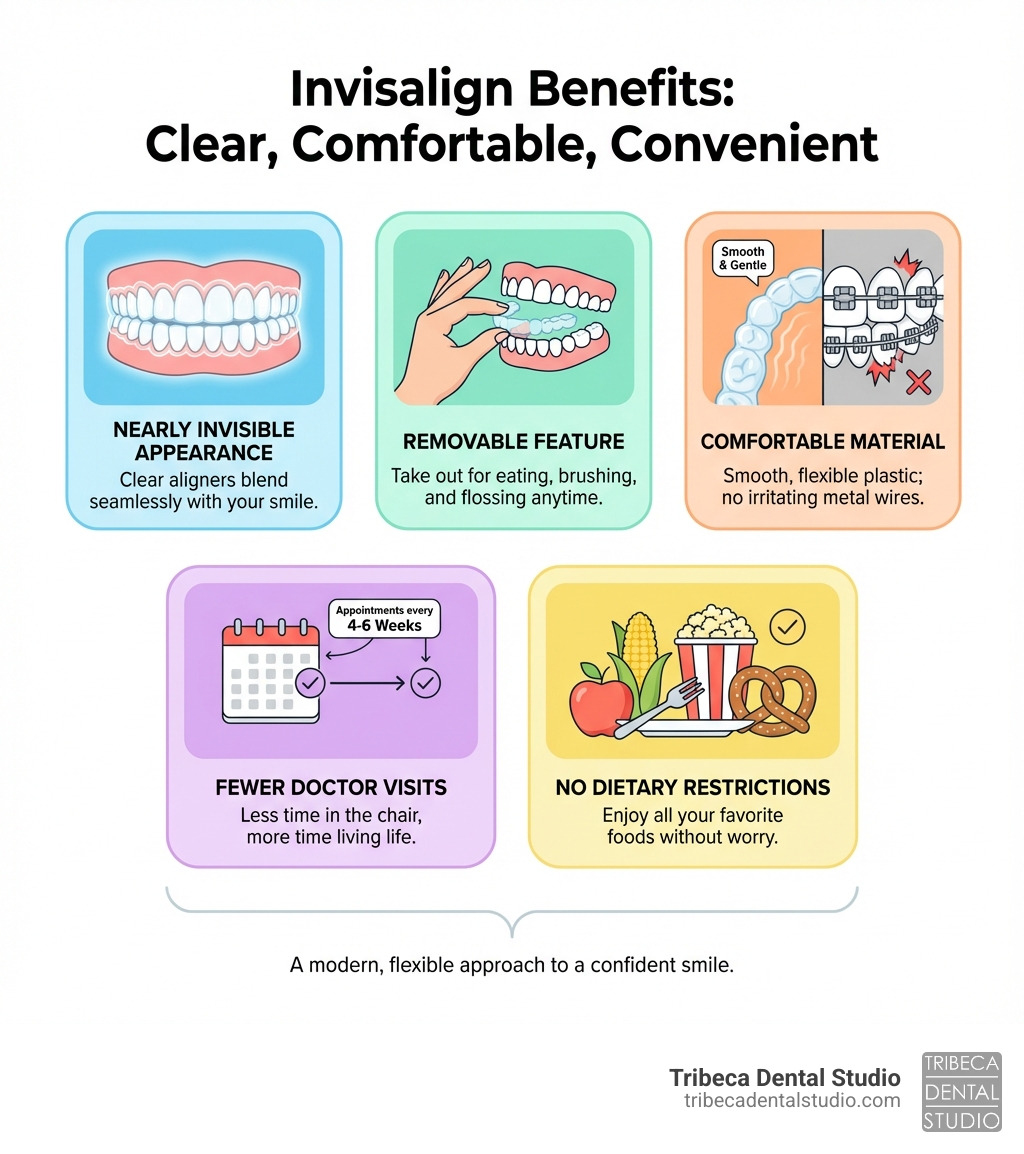
- Nearly invisible appearance: The clear aligners are incredibly discreet, making them a popular choice for adults and teens who prefer a less noticeable orthodontic solution. From a distance, they’re almost impossible to spot!
- Comfortable, smooth plastic: Made from smooth, flexible plastic, Invisalign aligners are designed for comfort. They eliminate the irritation and abrasions often associated with metal brackets and wires.
- No dietary restrictions: Because you remove your aligners to eat, you can continue to enjoy all your favorite foods without worrying about damaging your appliance.
- Easier brushing and flossing: Maintaining excellent oral hygiene is simple. You remove your aligners to brush and floss your teeth just as you normally would, promoting better gum health throughout your treatment.
- Fewer doctor visits than braces: Invisalign treatment usually requires a visit every four to six weeks. In fact, it often requires on average 30% fewer doctor visits than fixed orthodontic appliances, saving you time and trips to our Tribeca office.
- Predictable results: Thanks to advanced 3D planning, we can show you a virtual representation of your treatment outcome before you even start, ensuring predictable and satisfying results.
Potential Drawbacks and What to Expect
While Invisalign offers many benefits, it’s important to be aware of its requirements:
- Requires patient discipline: The success of Invisalign heavily relies on your commitment to wearing the aligners for the recommended 20 to 22 hours a day. If aligners aren’t worn consistently, treatment can be prolonged or less effective.
- Must be removed to eat or drink (anything but water): This can be a slight inconvenience for frequent snackers, as you’ll need to remove your aligners, eat, and then brush your teeth before putting them back in. Some patients even find this leads to reduced snacking!
- Potential for visible attachments: For more complex tooth movements, small, tooth-colored attachments may be bonded to your teeth. These act as anchors for the aligners and, while discreet, can be visible up close.
- Not suitable for all complex cases: While Invisalign can treat many issues, extremely severe orthodontic problems might still be better addressed with traditional braces or other advanced options. We’ll discuss this openly during your consultation. You can learn more about alternative solutions like Traditional Braces services if needed.
The importance of doctor-led treatment in the Invisalign process cannot be overstated. While some at-home clear aligner options exist, proper supervision from a dental health professional is essential for safety and effectiveness. Moving teeth without understanding your oral condition can lead to issues like bone loss, receding gums, bite damage, and jaw pain.
Your licensed dentist or orthodontist, like us at Tribeca Dental Studio, is best positioned to assess your oral health, create a precise treatment plan, and monitor your progress. This ensures optimal outcomes and allows us to address any concerns promptly. You can read more about responsible clear aligner treatment here: Responsible clear aligner treatment and why getting Invisalign from a doctor is crucial: Where can you buy Invisalign® aligners.
Your Treatment Journey: Cost, Duration, and Aftercare
Understanding the financial aspects, time commitment, and post-treatment care is vital when considering Invisalign. We believe in transparency and want you to have a clear picture of your entire journey.
How Much Does Invisalign Cost?
The cost of Invisalign treatment can vary, typically ranging anywhere between $3,500 and $8,000 for clear aligners in general. This is comparable to traditional braces, which can range from $2,500 to $6,000. Several factors influence the final price, including:
- The complexity of your case: More extensive tooth movements or a longer treatment duration will typically incur higher costs.
- The number of aligners required: A greater number of aligner sets means more material and planning.
- Your geographic location: Costs can vary slightly between cities, though we strive to keep our services accessible in NYC.
We understand that orthodontic treatment is an investment in your health and smile, and we’re here to help make it as affordable as possible. Your dental insurance may be able to cover a portion of your orthodontic care, sometimes up to $3,000. We encourage you to check with your insurance provider to understand your specific benefits.
Additionally, we offer various payment plan options, and you can often use Flexible Spending Accounts (FSA) or Health Savings Accounts (HSA) for Invisalign treatment. For a more detailed breakdown of costs in our area, please visit our Invisalign Cost in NYC: What to Expect at Tribeca Dental Studio page.
How Long Does Treatment Take?
One of the most common questions we hear is, “How long does Invisalign treatment take?” The answer depends on your individual needs and the complexity of your case. While some simple cases can see results in as little as 6 months, the average treatment time for most patients typically ranges from 12 to 18 months.
Strict compliance with wearing your aligners for 20-22 hours a day is crucial for staying on track with your estimated timeline. Skipping wear time can extend your treatment duration. We’ll provide you with a personalized timeline during your consultation, outlining what you can expect every step of the way.
Invisalign: Tribeca Dental Studio is the Choice When You Need Customized Orthodontics Beyond Aligners
Versus specialized aligner providers like Smile Design Manhattan, choose us when Invisalign is part of a broader smile makeover (e.g., with veneers or airway treatments). Our orthodontist, Dr. Reem Badri, uses 3D scans for precise plans, ensuring faster results and fewer refinements in our convenient Tribeca setting.
Life After Invisalign: The Importance of Retainers
Congratulations! You’ve completed your Invisalign treatment, and your smile is looking fantastic. Now, the crucial final step is maintaining those beautiful results. After your teeth have moved into their new positions, they need time to stabilize. This is where retainers come in.
Retainers are essential for preventing your teeth from shifting back to their original positions, a phenomenon known as relapse. We recommend custom-made retainers, such as Vivera® retainers, which are designed to be 30% stronger than other retainers, ensuring long-term smile preservation. You can learn more about these specialized retainers here: Learn about Vivera®retainers.
Wearing your retainers as instructed by our team is a small, easy step that guarantees your Invisalign smile lasts a lifetime.
Conclusion
Invisalign offers a modern, discreet, and highly effective path to achieving the straight, confident smile you’ve always wanted. From the advanced 3D digital scanning that precisely maps your treatment to the comfortable, clear aligners that gently guide your teeth, the entire process is designed with your convenience and optimal results in mind.
At Tribeca Dental Studio, we emphasize the importance of professional, doctor-led care. This ensures not only your safety but also the most effective and personalized treatment outcomes. Dr. Nina Izhaky and our dedicated team are committed to guiding you through every step of your Invisalign journey, providing expert oversight and support from your initial consultation to the final retention phase.
We believe everyone deserves a smile they love, and we’re here to make that a reality.
Ready to transform your smile? Learn more about our advanced orthodontic solutions.
Learn More About Airway Orthodontics at Tribeca Dental Studio
About Tribeca Dental Studio
Tribeca Dental Studio, located at 54 Warren St, New York, NY 10007, has provided comprehensive dental care to Lower Manhattan since 2007. Led by Dr. Nina Izhaky, our practice combines general, pediatric, orthodontic, oral surgery, and periodontal care under one roof.
Our focus on airway health, dental implants, veneers, and pediatric dentistry sets us apart. We use 3D CBCT imaging, digital planning, and laser technology — including NightLase for snoring — to deliver precise, comfortable care.
To schedule a consultation, call (212) 561-5303 or book online. We welcome patients from Tribeca, SoHo, Battery Park City, the Financial District, and throughout downtown Manhattan.
How We Write — and How We Practice
The articles on this blog are written from the same standard we apply in the treatment rooms: diagnosis before recommendation. When we explain a treatment here — an implant, an aligner plan, a sleep appliance — we explain how the decision is actually made in practice: the examination, the imaging, the alternatives considered, and the reasons one path is chosen over another.
If a topic has a genuine controversy or a matter of professional judgment, we say so rather than smoothing it over, because a reader who understands the trade-offs makes better decisions than one who has only seen the brochure version.
Nothing here replaces an examination of your own mouth, and we are careful about the difference. General information can tell you what questions to ask and what a thorough answer sounds like; it cannot tell you whether your bone will hold an implant, whether your snoring is apnea, or whether a tooth can be saved. When an article touches your situation, treat it as preparation for a conversation — then have the conversation.
We hold same-day slots for emergencies, and consultations carry no obligation: book online or call (212) 561-5303.
About the Practice
Tribeca Dental Studio has served Lower Manhattan from 54 Warren St since 2007, with general, cosmetic, implant, periodontal, endodontic, orthodontic, airway, and pediatric care under one roof and one team's direction. The questions our patients ask in the chair are the ones this blog answers: what a treatment involves, how long it takes, what recovery feels like, what it costs to do it properly, and how to tell a careful plan from a rushed one.
If your question is not covered, ask us at your visit — the honest answer is the house style.
To schedule, book online at any time or call (212) 561-5303. The studio is open Monday to Friday from 8:00 AM to 6:00 PM, Saturday from 9:00 AM to 4:00 PM, and Sunday from 9:00 AM to 2:00 PM, steps from the Chambers Street subway hub, and welcomes patients from Tribeca, the Financial District, Battery Park City, SoHo, and across downtown Manhattan.
A Note on Symptoms and Self-Diagnosis
Readers often arrive here after a search that began with a symptom — a tooth that throbs at night, gums that bleed, a snore a partner can no longer sleep through. A word of honest framing: an article can help you understand what a symptom commonly means and how urgently it usually needs attention, but it cannot rank your case.
Bleeding gums are sometimes a hygiene problem and sometimes the first sign of periodontal disease; a twinge is sometimes a high filling and sometimes a dying nerve. The difference is found in an examination and imaging, not in a paragraph — which is why these articles end where they do: with an invitation to be seen, not a verdict.
If what you are feeling cannot wait, do not let reading substitute for calling. The studio holds same-day emergency slots daily, and a call to (212) 561-5303 with a plain description of the problem is the fastest route to a real answer. For everything else, bring the article to your appointment. Mark the passage that matched your situation.
It gives the conversation a head start, and it gives you a way to check that the plan you are offered actually addresses the thing that brought you in.
What Things Cost, and Why We Answer That Way
Cost questions deserve a straight answer, and the straightest one available before an examination is structural: dental fees follow diagnosis, materials, laboratory work, and time, in that order. That is why this blog explains what drives the cost of the treatments it covers — the imaging, the grafting, the stages, the restoration — instead of printing numbers that would be fiction for most readers.
After an examination, the answer becomes exact: a written plan with each stage and its fee, which you can consider without obligation and compare against any other opinion you choose to get.
We would rather earn a patient with a clear plan than close one with a fast number. If you are comparing practices, compare plans: what was examined, what was imaged, what is included, what happens if healing changes the sequence. The articles here are written to give you those questions. The studio's answers, for your mouth specifically, are one appointment away.
No Miracles, No Scares
One more commitment, because it decides whether health writing helps or harms: we do not publish scares or miracles. A treatment described here does what it does within limits we will name — an appliance manages apnea for the patients whose anatomy suits it, a laser protocol helps the snoring cases it is indicated for, an implant succeeds at the rate careful planning produces, not at a hundred percent.
If a claim anywhere in dentistry sounds too clean, it is missing its conditions, and our articles try to restore them. You will make better decisions with the conditions attached, and so will we.
Questions Worth Bringing to Your Appointment
The most useful thing you can bring to a dental appointment is a good question, so here is the short list our doctors wish every new patient asked — of us, and of any practice being considered. What did the examination and imaging actually show? Which parts of the plan are urgent, which protect the teeth around them, and which are elective? What happens if each part waits six months? What are the alternatives, and why is this one recommended over them?
And what will the follow-up look like — how will we know the treatment worked? A practice that answers those questions completely, in writing, has shown you its standard before it has touched a tooth.
Notice what is not on the list: the brand names of equipment, the décor of the office, the speed of the sales process. Dentistry is a long relationship disguised as a series of procedures. The practices worth keeping are the ones whose plans you understand, whose reasoning you can repeat to a spouse at the kitchen table, and whose follow-ups happen whether or not you remember to ask.
That is the relationship this studio has tried to build since 2007, one written plan at a time.
If an article here has started a question we have not answered, the consultation is where it gets answered for your mouth specifically. Book online at any time or call (212) 561-5303. Bring the page, bring the question, and expect the answer to involve an examination, imaging where it matters, and a plan you can take home and think over. That is not a sales technique. It is the whole technique.
How This Journal Treats Uncertainty
A closing note on how this journal treats uncertainty, because dental information online rarely does. Where a question has a settled answer, the articles here give it plainly. Where the honest answer is that it depends — on imaging, on anatomy, on the findings of an examination nobody can perform through a screen — the articles say that too, and explain what it depends on and how the dependence gets resolved in a real appointment. That restraint is deliberate.
A journal that pretends every question has a universal answer trains its readers to expect certainty from their treatment as well, and dentistry, practiced honestly, offers something better than certainty: a diagnosis, a plan with its reasoning shown, and follow-up that checks whether the reasoning was right.
If you have read this far down any page of this site, you are the reader these pieces are written for — the one who checks. Bring the checking with you. The consultation at 54 Warren St rewards it: findings first, options with trade-offs, costs in writing, and time to decide. Book online at any hour or call (212) 561-5303.