Regular Teeth Cleaning in NYC: Why Preventive Visits Matter
September 8, 2025

Routine dental cleanings are one part of a broader preventive-care plan. They help remove plaque and hardened deposits from areas that are difficult to clean at home and give the dental team a chance to evaluate changes in the teeth and gums.
A cleaning appointment is also a useful checkpoint for home care. Instead of simply being told to brush and floss more, patients can ask which exact areas need more attention and which tools are most practical for them.
Removing plaque and tartar
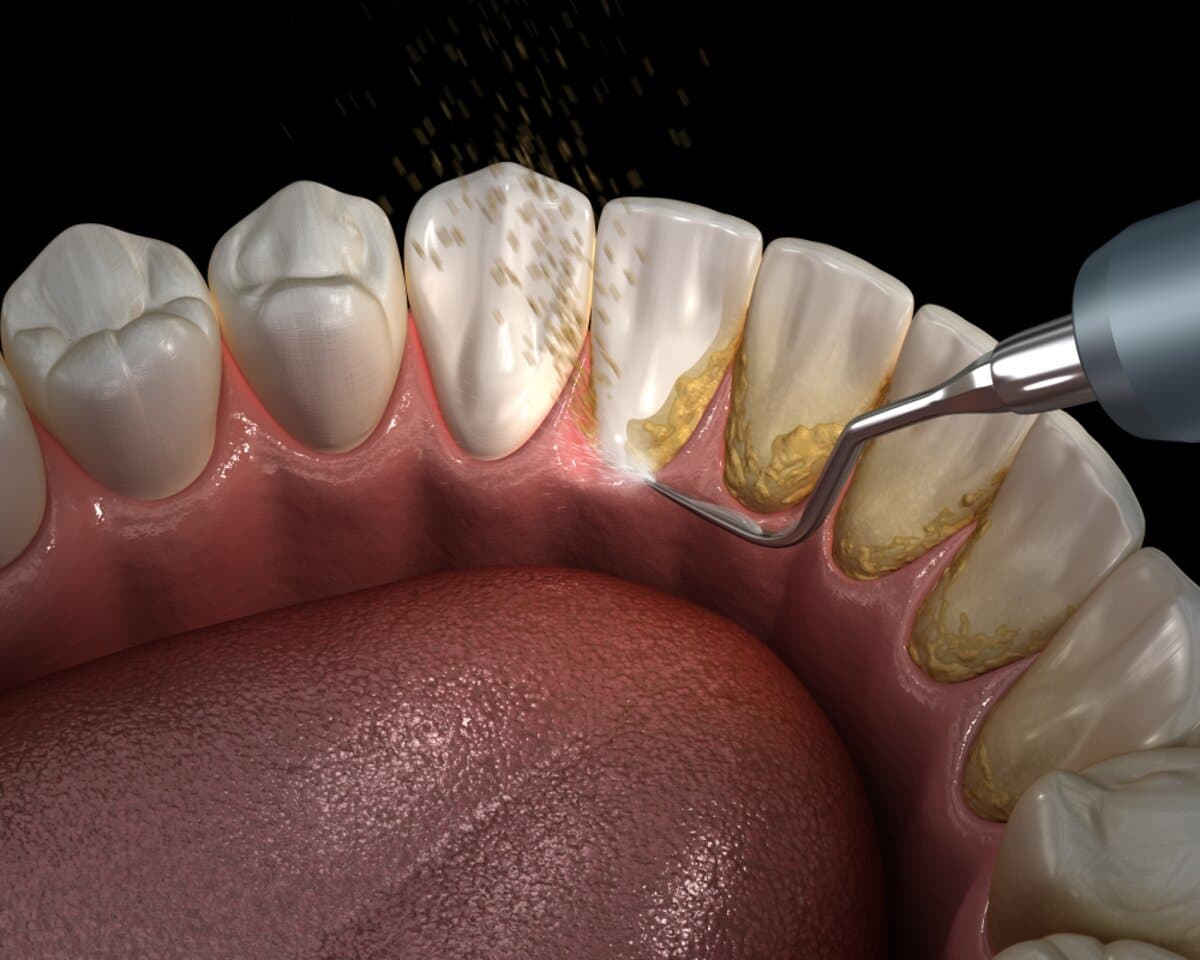
Plaque is a soft bacterial film that can usually be disrupted with effective brushing and interdental cleaning. When deposits harden into tartar, they cannot be brushed away at home.
Professional instruments allow the hygienist to remove those deposits and clean areas around the gumline and between teeth.
Monitoring gum health
Preventive visits provide an opportunity to evaluate bleeding, recession, pocket depths, and other changes in the gums. If signs of periodontal disease are present, a routine cleaning may not be the appropriate treatment.
The type of cleaning should match the condition of the supporting tissues.
Spotting changes between exams
Cracks, worn restorations, new sensitivity, food traps, and changes in oral hygiene can become noticeable during routine visits. Finding a concern does not always mean treatment is required immediately, but it allows the dental team to monitor or investigate it.
Patients should mention any new symptoms rather than waiting for the hygienist to discover them.
Building a realistic home-care routine
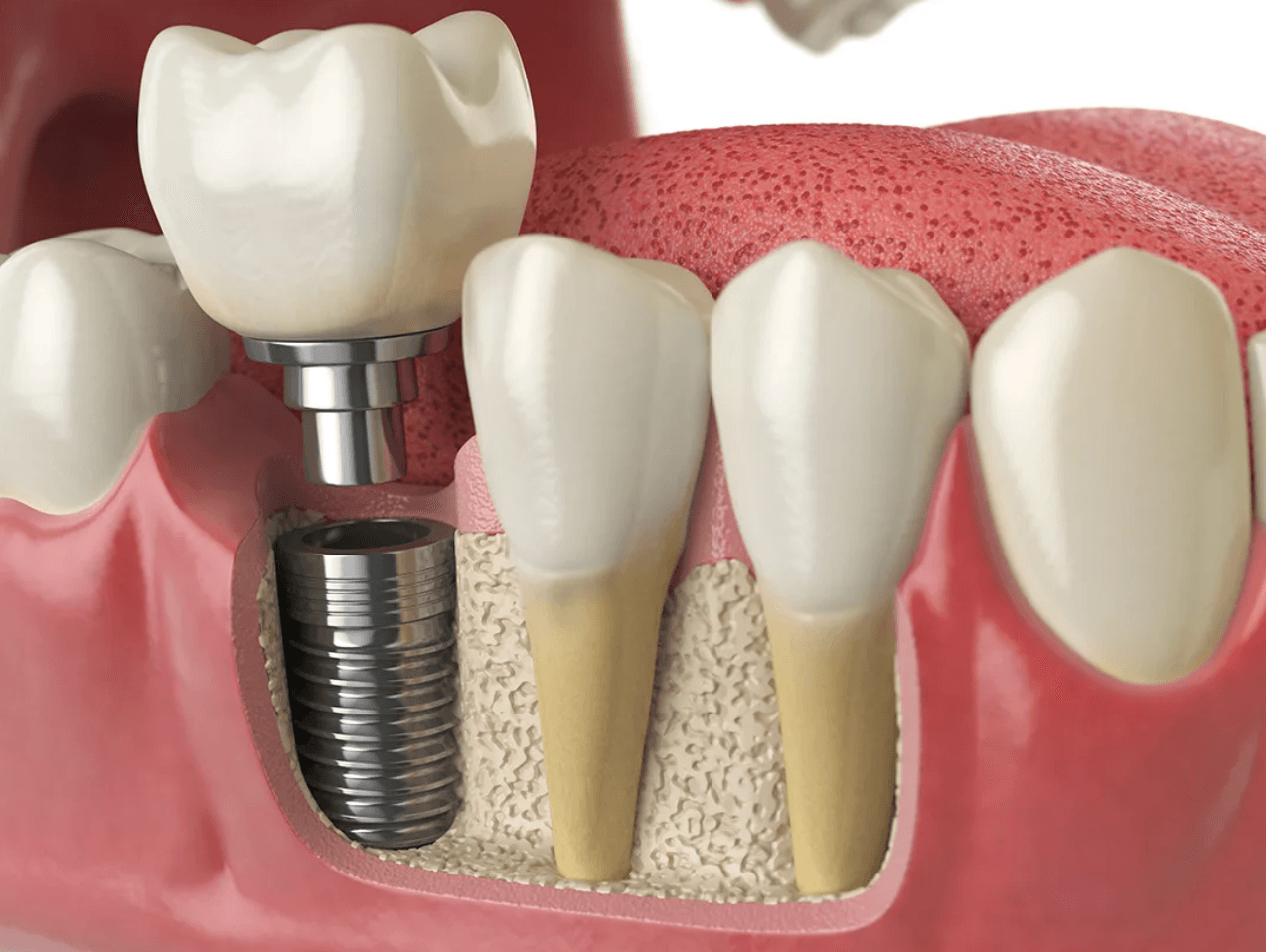
The best routine is one you can perform consistently. Toothbrush selection, floss, interdental brushes, water flossers, and other tools can be adapted to restorations, implants, braces, and individual anatomy.
Use the hygiene visit to ask for a demonstration in the areas you find hardest to clean.
Questions and practical points to bring to your visit
- Ask where tartar is accumulating most often.
- Discuss bleeding or sensitivity instead of working around it.
- Have the hygienist demonstrate cleaning around crowns, implants, or braces.
- Follow the recall interval recommended for your individual gum health.
Related reading from Tribeca Dental Studio
- Dental exams & teeth cleanings
- Preventive dentistry
- Keeping your teeth clean at home
- How often should you floss?
Next steps
The information above is intended to help you prepare better questions and understand the topic before an appointment. Individual recommendations depend on an examination, dental history, imaging when appropriate, and the specific condition of your teeth, gums, bite, and supporting structures.
For care in Tribeca and Lower Manhattan, explore the related service and educational pages above or contact Tribeca Dental Studio to discuss which type of evaluation fits your concern.