Choosing the Right Pediatric Dentist: A Parent's Practical Guide
September 6, 2025
The right dental environment can shape how a child feels about oral care for years. Parents often focus first on location and insurance, but communication style, preventive philosophy, experience with children, and the ability to adapt appointments to a child's comfort are also important.
A good fit does not mean every appointment will be effortless. It means the dental team can explain what is happening, involve parents appropriately, and make a realistic plan for prevention and treatment.
Look for a prevention-first approach
Children's dentistry should include brushing guidance, diet discussion, cavity-risk assessment, monitoring of tooth eruption, and age-appropriate preventive care.
Parents should leave routine visits knowing what to do at home, not only whether cavities were found.
Notice how the team communicates with children
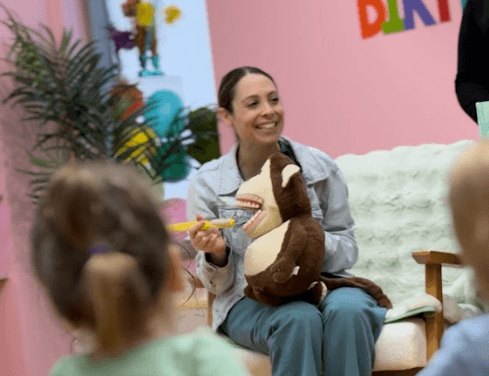
Child-friendly communication uses simple explanations and avoids unnecessary fear. The team should be able to adjust pace based on age, anxiety, sensory needs, and previous experiences.
Parents can ask how the office approaches a child who is nervous or unable to complete every part of the planned visit.
Growth and bite development matter too
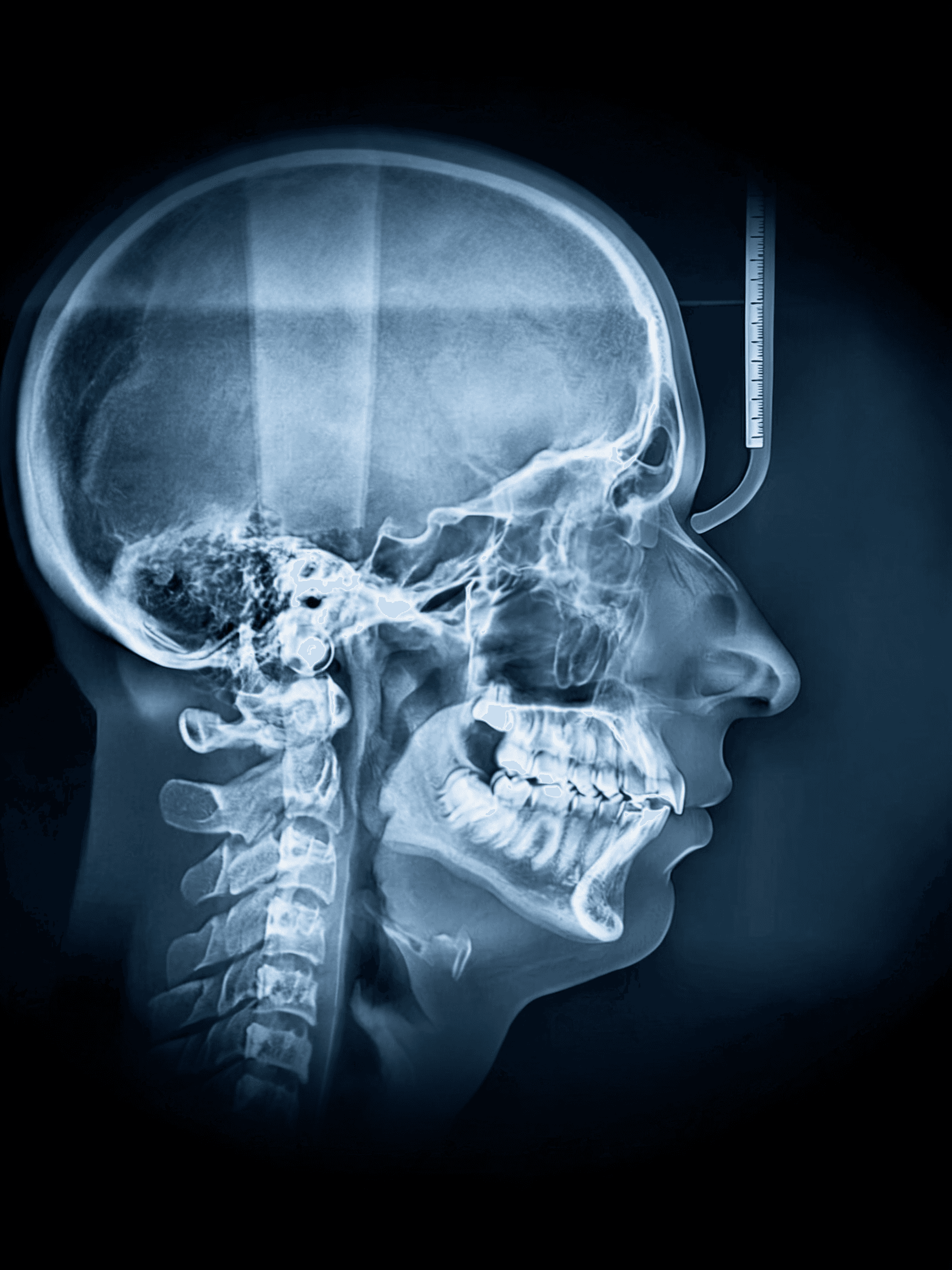
As permanent teeth erupt, dental visits can help monitor crowding, bite relationships, oral habits, and jaw development. When an orthodontic evaluation is appropriate, the reason and timing should be explained.
Early screening does not mean every child needs early orthodontic treatment.
Plan for the unexpected
Ask what to do if your child chips a tooth, develops swelling, has significant tooth pain, or experiences dental trauma. Knowing how the office handles urgent concerns can reduce confusion when something happens.
Continuity is valuable because a team that knows the child's history can compare new findings with previous visits.
Questions and practical points to bring to your visit
- Ask how the practice handles anxious children.
- Make sure prevention guidance is part of routine visits.
- Discuss orthodontic screening as the bite develops.
- Know who to call for dental trauma or urgent symptoms.
Related reading from Tribeca Dental Studio
- Pediatric dentists in Tribeca
- Finding a pediatric dentist nearby
- Pediatric dentist guide for New York
- Preventive dentistry
Next steps
The information above is intended to help you prepare better questions and understand the topic before an appointment. Individual recommendations depend on an examination, dental history, imaging when appropriate, and the specific condition of your teeth, gums, bite, and supporting structures.
For care in Tribeca and Lower Manhattan, explore the related service and educational pages above or contact Tribeca Dental Studio to discuss which type of evaluation fits your concern.