Indication 01
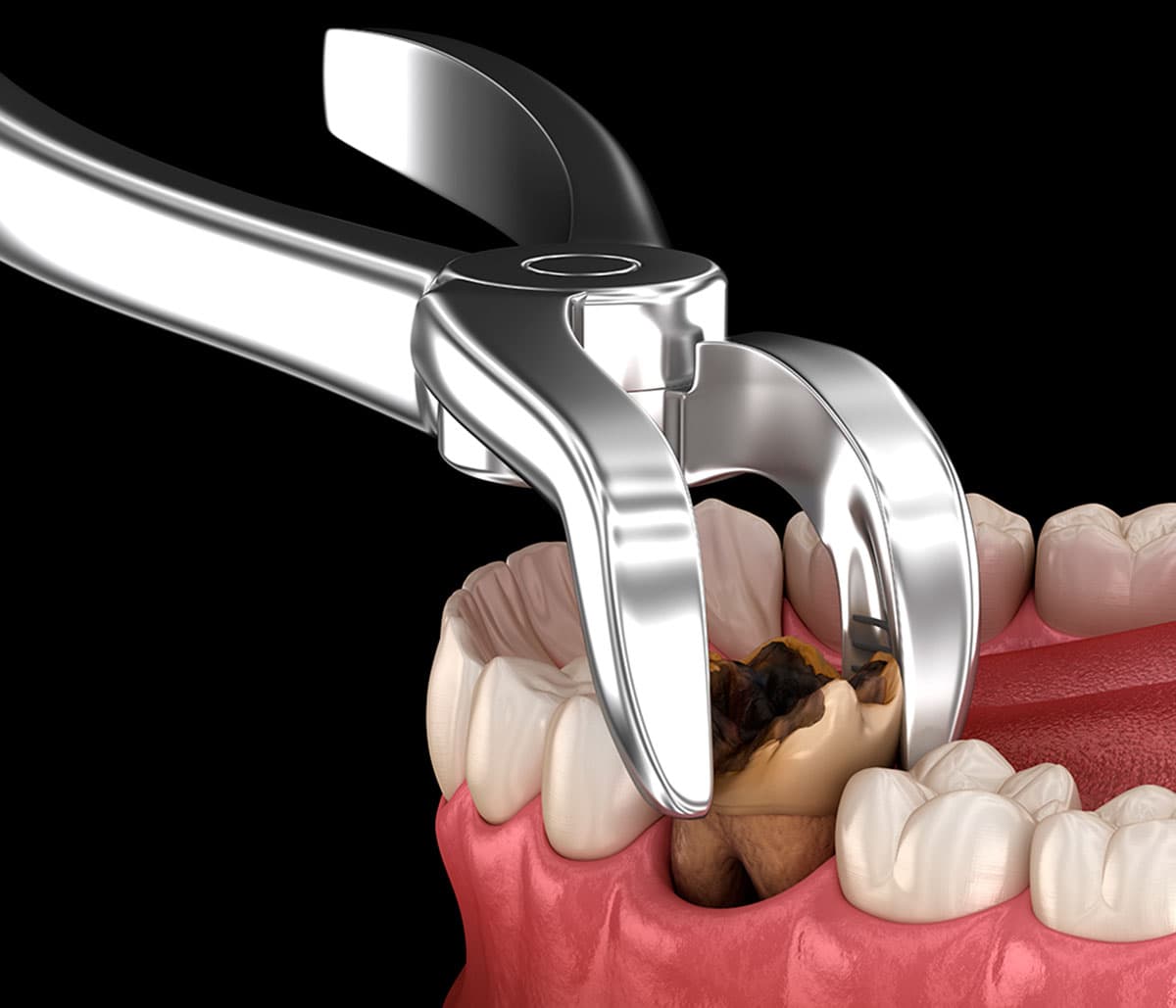
Irreparable Decay or Infection
When decay has destroyed the tooth structure beyond the support of a crown or root canal.
Led by renowned Oral & Maxillofacial Surgeon Dr. Cameron Lewis, DDS. We prioritize preserving your natural teeth whenever possible, but when extraction is required, we deliver gentle, tissue-preserving surgical care with seamless implant replacement.
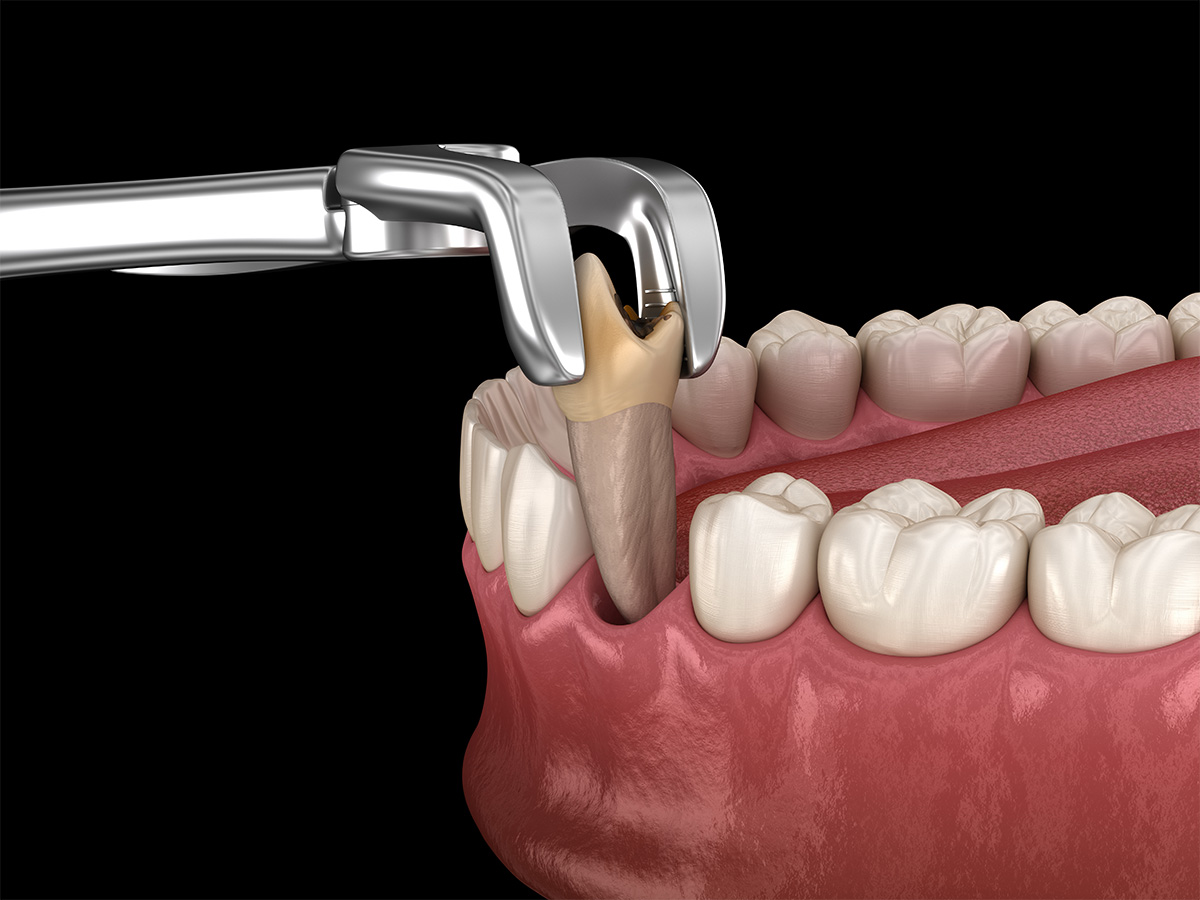
Precision Tissue-Preserving Extraction
Surgical precision wisdom tooth extraction and socket preservation led by Dr. Cameron Lewis, DDS.
The short answer
Sometimes a tooth can't be saved — and when that's the case, how it's removed matters. Our oral surgery is led by Dr. Cameron Lewis, DDS, an oral and maxillofacial surgeon. We use gentle, tissue-preserving technique designed to protect your bone for a future implant, and we always explore saving the tooth first.
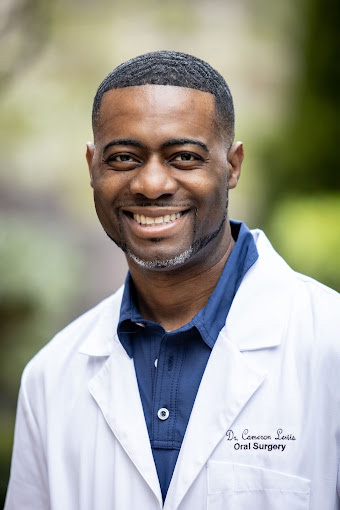
Oral & Maxillofacial Surgeon
Trained at Howard University, UCLA Harbor Medical Center, and New York Medical College, Dr. Lewis brings unmatched surgical precision, media acclaim (Forbes, Men's Journal), and a deeply compassionate bedside manner.
When decay has destroyed the tooth structure beyond the support of a crown or root canal.
Severe physical trauma resulting in vertical root fracture below the gumline.
Painful, crowded, or impacted third molars threatening adjacent teeth and alignment.
Severe gum disease where irreversible bone loss destroys tooth support stability.
Strategic extraction to resolve severe crowding prior to Invisalign® or braces.
Persistent apical infection where endodontic re-treatment is no longer viable.
| Situation | Why |
|---|---|
| Severe decay | Destroys tooth structure below the gumline |
| Vertical fracture | Unsalvageable root fracture from trauma |
| Impacted wisdom teeth | Cause infection, pain, or shifting |
| Advanced periodontitis | Irreversible bone loss |
Replacing an extracted tooth is essential to protect your jawbone and prevent neighboring teeth from shifting:
Placing a bone graft immediately into the extraction socket preserves bone volume and facial structure.
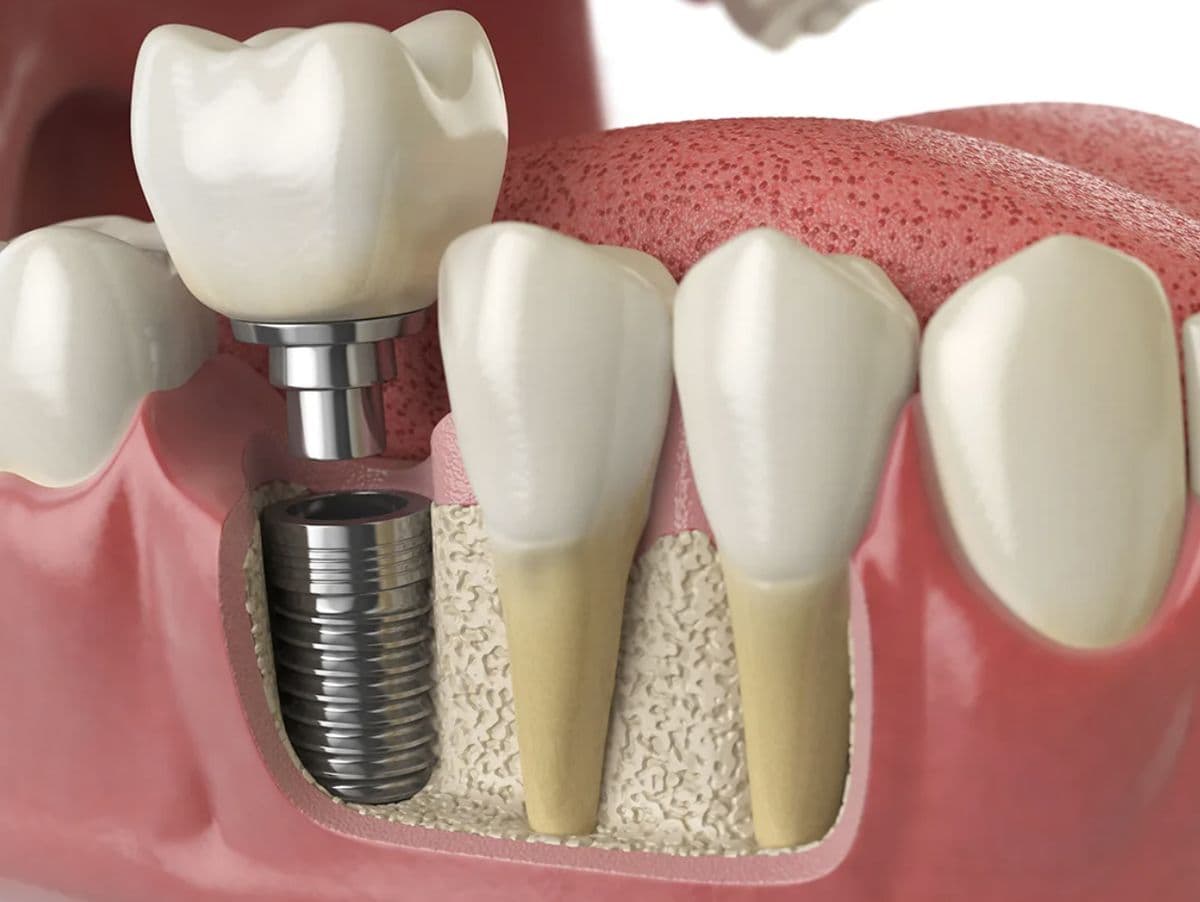
When clinically ideal, Dr. Lewis places the implant fixture directly into the socket during the same visit.
Prevents jaw recession, cheek hollowing, and secondary dental misalignment.
We always evaluate natural tooth preservation first. Here is how we help you weigh your options:
Saves your natural tooth structure by removing infected internal pulp, cleansing canals, and capping with a protective ceramic crown.
✓ Preserves natural root and bone signals
✓ Fast 1-to-2 visit procedure
✓ Ideal when enough healthy crown structure remains
Completely removes hopelessly compromised teeth to eliminate infection and pain, paving the way for a permanent dental implant.
✓ Eliminates persistent or deep bone infection
✓ Replaces hopeless structure with a lifelong titanium implant
✓ Performed with tissue-preserving surgical precision
Bite firmly on gauze for 30–45 minutes to control bleeding. Apply cold ice packs intermittently.
Stick to soft foods. Strictly AVOID straws, smoking, spitting, or vigorous rinsing to prevent dry socket.
Begin gentle warm saltwater rinses after meals. Avoid brushing directly over the socket. Resume routine in 2–3 days.
Most people imagine extraction recovery as far worse than it is. The truth: on procedure day the area feels numb from anesthesia, and as it wears off, prescribed medication keeps discomfort well under control. Swelling peaks around day two or three — that's your body's normal response — and then it subsides. Cold compresses in 20-minute intervals during the first 24 hours make a remarkable difference.
The first two days matter most. Eat soft and cool or lukewarm — yogurt, mashed potatoes, scrambled eggs, smoothies with a spoon — and avoid anything that creates suction or pressure: no straws, no vigorous rinsing, no smoking. That's the recipe for avoiding dry socket, the most common and most preventable complication. If we placed a preservation graft in the socket, these same rules protect the material while it settles.
By day three or four, most of our Tribeca patients are back to their routine — working, running errands, living their lives. The site keeps healing underneath for several weeks, so keep up gentle hygiene and come to your follow-up visit so we can confirm everything is on track. And if an implant is part of the plan, that visit is also when we confirm the timeline: in many cases, the implant can be placed the same day as the extraction.
No. Thanks to modern local anesthetics and available sedation options, you will not feel pain during the procedure. You may feel mild pressure as the tooth is gently eased out.
For complex or impacted teeth, Dr. Lewis carefully divides the tooth into smaller sections. This minimizes pressure on surrounding bone, reduces trauma, and speeds recovery.
In many cases, an immediate implant can be placed the exact same day. If bone regeneration is needed, the area typically heals in 2 to 4 months before placement.
Dry socket occurs if the healing blood clot dislodges from the socket. Prevent it by avoiding straws, smoking, spitting, and hard rinsing during the first 48 hours.
We recommend a wisdom tooth evaluation during the teen years, before the roots fully develop — removal is typically simpler and recovery faster. At our office, teens are first seen by Dr. Nina, who also evaluates the airway as part of their facial development.
Yes, and it's often the smartest move. Placing graft material into the socket immediately after extraction — called socket preservation — preserves the bone volume you'd otherwise lose, making a future implant simpler and more predictable.
If you receive sedation, yes — you'll need a responsible adult to take you home and stay with you for the rest of the day. With local anesthesia alone, you can leave on your own. We confirm which applies in your case before the appointment.
Experience compassionate, tissue-preserving oral surgery in Lower Manhattan.
Book Consultation Now