Veneers SoHo, NYC
Veneers — SoHo understands surfaces better than any neighborhood in the city, and teeth are the one surface you can't take off at night. I'm Dr. Nina Izhaky. A veneer is a thin porcelain shell made for one tooth and one face; a set of them can close gaps, even out worn edges, and cover deep staining that whitening can't reach.
We're a short walk south of SoHo, across Canal Street, and every case here starts with design — photographs, a preview, temporary veneers you can react to — before anything permanent happens to a single tooth.
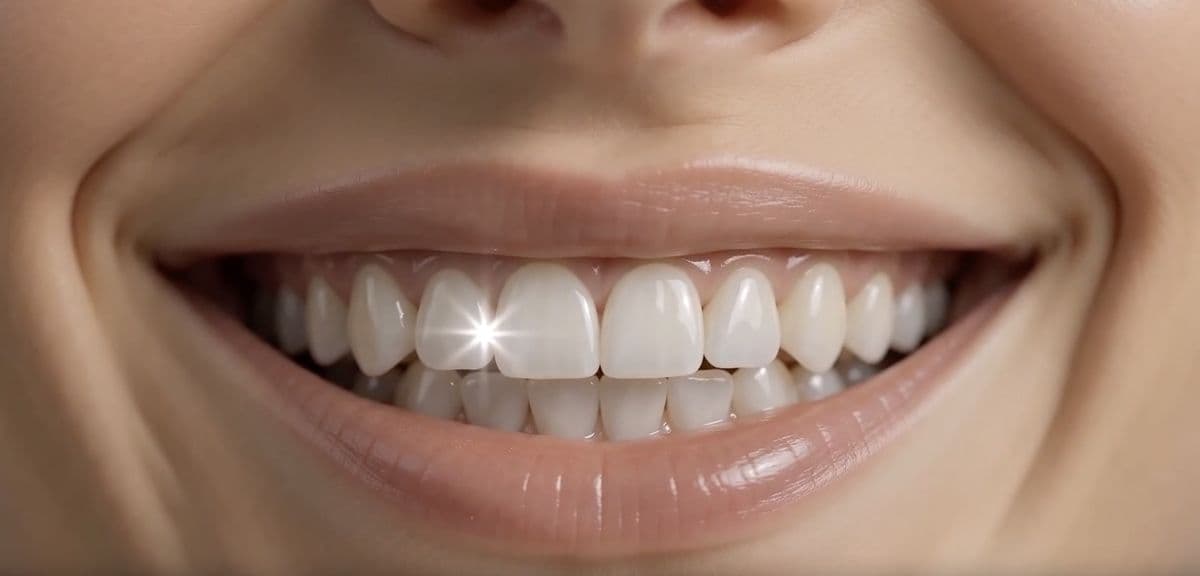
Why our veneers look real in SoHo
Most veneers fail for one reason: they look done. Ours are built on a different philosophy — invisible luxury, not obvious dentistry.
Natural translucency, not chalky white.
Real enamel lets light through. Our veneers are hand-layered ceramic, built layer by layer to replicate the subtle gradients of natural enamel — radiant, but never flat or opaque.
Designed for your face, not a template.
Every tooth's length, width, and angle is engineered to match your lip posture, cheekbones, and facial proportions. Your smile should look like it was always yours.
Ultra-thin and enamel-first.
Our veneers are crafted as thin as 0.2mm to 0.5mm. We remove only a fraction of a millimeter of outer enamel — and with no-prep options, sometimes none at all.
Preview your smile before we begin.
High-resolution 3D scans and a temporary composite 'try-on' smile let you see your result before starting. No surprises — you approve the design first.
Your veneer smile makeover, step by step
A predictable, digitally planned process — typically just 2 to 3 visits.
Digital smile design and 3D mockup.
We capture high-resolution 3D digital scans and place a temporary composite 'try-on' smile in your mouth, so you preview your results before we begin.
Minimal prep and custom temporaries.
Micro-contouring of the outer enamel — just 0.3mm to 0.5mm — followed by custom temporary veneers designed to mimic your final look.
Master ceramist handcrafting.
Elite master ceramists hand-layer feldspathic or E-Max porcelain, infusing each veneer with natural internal character and translucency.
Precision bonding and bite fine-tuning.
Permanent dual-cure resin bonding, then precise occlusal balancing so your veneers function as strong as natural enamel.
Next door: a short walk south from SoHo
SoHo is our next-door neighbor — close enough that many of our SoHo patients simply walk down. They come from the cast-iron lofts on Greene and Mercer, the boutiques along Broadway, and the small offices tucked over the shops on Prince and Spring. Cross Canal Street and you're in Tribeca; our office at 54 Warren Street is a few minutes further, between Greenwich Street and West Broadway.
Getting here by subway
- On foot down West Broadway to Warren Street — about twelve minutes from Prince Street
- A, C, E from Canal Street to Chambers Street — one stop
- R, W from Prince Street to City Hall, then a five-minute walk west
- B, D, F, M from Broadway–Lafayette to West 4th Street, then the A, C, or E downtown
- Citi Bike stations along Broadway and West Broadway the whole way down
Driving and parking
SoHo street parking is famously scarce — cobblestones, loading zones, and shopping crowds. Walking down or the one-stop subway ride is easier; if you drive, attended garages on Warren and Greenwich Streets sit within a block of our door.
Porcelain, Fitted Like Everything Else in SoHo
SoHo people notice fit. The same eye that catches a badly tailored shoulder catches a smile that's slightly off — one tooth a shade darker, an edge a millimeter short. Veneers answer that level of specific: each shell is shaped and colored for its tooth and its neighbors. We build the design from photographs and models of your actual mouth, and we show you a preview before we touch anything, because "trust me" is not a design process.
The honest trade, stated plainly: a veneer usually needs a small amount of enamel removed, so it is not a reversible experiment. That's why the temporaries matter — you wear the proposed shape in your own mouth, in your own life, and we adjust the design from what you tell us. Plenty of cases also get smaller along the way: sometimes whitening plus one veneer beats eight veneers, and we'd rather sell you the smaller case that looks right.
Finished well, porcelain veneers are quiet about themselves — strong, stain-resistant, and lit like natural enamel, because the ceramic is layered the way a tooth is. With normal care and regular cleanings they hold up for many years. From SoHo it's a twelve-minute walk to our door; bring the photo where you first noticed the tooth. That's genuinely where the design conversation starts.
Porcelain Veneers in SoHo: The Complete Picture
Porcelain veneers are ultra-thin ceramic shells, as thin as 0.2mm to 0.5mm, bonded to the front of the teeth. They suit patients who want to correct gaps, staining, chips, worn edges, and uneven shapes while preserving most of the natural tooth underneath. For patients in SoHo, the decision starts with whether veneers are genuinely the right answer for their enamel and goals.
Our philosophy is invisible luxury, not obvious dentistry: veneers should look like the smile was always yours. That means assessing each tooth individually, considering how the redesigned shapes will sit within your face, and agreeing on a design you have previewed before any preparation begins in earnest. That careful assessment is the foundation for everything that follows in the design process.
Each veneer is hand-layered ceramic, built layer by layer to replicate the subtle gradients of natural enamel. Real enamel lets light through, so our veneers are made for natural translucency rather than a flat, chalky, or opaque finish. Every tooth's length, width, and angle is engineered to match your lip posture, cheekbones, and facial proportions, and the porcelain is custom-blended to your lip structure and skin tone.
Master ceramists hand-layer feldspathic or E-Max porcelain, infusing each veneer with natural internal character. The teeth are then bonded with permanent dual-cure resin and the bite is fine-tuned, so the finished veneers function as strong as natural enamel. Appearance and function are therefore checked together, never treated as separate, competing goals here.
The process typically takes just two to three visits, planned digitally from the start. We capture high-resolution 3D scans and place a temporary composite try-on smile in your mouth, so you preview the result and approve the design before we begin. Preparation is minimal: we remove only a fraction of a millimeter of outer enamel, usually 0.3mm to 0.5mm of micro-contouring, and with no-prep options we sometimes remove none at all.
Custom temporary veneers mimic your final look while the master ceramist handcrafts the porcelain. At the final visit, we bond the veneers precisely and balance the bite carefully, checking function as closely as appearance. Each stage builds on the approved design, so nothing about the final result is improvised.
Veneers should not damage your real teeth when they are planned this way, and the ceramic sheath actually adds structural strength to the tooth. High-grade ceramic veneers last ten to twenty or more years with proper care, which means routine brushing, daily flossing, and regular six-month dental cleanings. No-prep veneers typically last ten to fifteen years, while composite veneers last three to seven years by comparison.
Longevity depends on looking after the veneers as carefully as natural teeth and keeping up with those routine cleanings, so we can check the bonding, the bite, and the surrounding teeth over time and address small issues before they grow. That ongoing care protects both the porcelain and the natural teeth supporting it underneath.
At our studio, veneer care for patients from SoHo is diagnosis-first, with a written plan before treatment begins. Tribeca Dental Studio has served downtown since 2007 from 54 Warren Street, and with every dental specialty under one roof, your smile design can be coordinated in one place rather than passed between offices. We are open Monday to Friday 8 AM to 6 PM, Saturday 9 AM to 4 PM, and Sunday 9 AM to 2 PM, and our number is (212) 561-5303.
From the 3D mockup and try-on preview to precision bonding, our aim is a radiant, lifelike result designed for your face, never a template. Your design, your preparation, and your bonding are all planned around you from the very start.
Choosing well starts with asking whether veneers are truly the right answer for your enamel and your goals. We assess each tooth individually, and we will talk you out of veneers when your enamel is thick and beautiful and alignment alone would let your smile shine. For patients from SoHo, ask how much enamel would be removed, whether a no-prep option is possible, and how your design is engineered around your lip posture, cheekbones, and facial proportions.
Ask to preview the result first: our 3D scans and temporary try-on smile let you approve the design before preparation begins. Also ask who makes the porcelain, how it achieves natural translucency, and what care keeps it lasting well. Ask how long your chosen option typically lasts, what routine cleanings involve, and how the bite will be fine-tuned so appearance and function are checked together before you commit.
“I talk patients out of veneers when their enamel is thick and beautiful — all they need is orthodontic alignment to let their amazing smile shine.”
— Dr. Nina Izhaky, Tribeca Dental Studio
Veneers questions, answered
01What are porcelain veneers, exactly?
Porcelain veneers are ultra-thin ceramic shells — as thin as 0.2mm to 0.5mm — bonded to the front of your teeth. They correct gaps, staining, chips, worn edges, and uneven shapes, giving you a redesigned smile while preserving most of your natural tooth.
02Do porcelain veneers damage your real teeth?
No. We remove only a fraction of a millimeter (0.3mm–0.5mm) of outer enamel, and with no-prep veneers we remove none at all. The ceramic sheath actually adds structural strength to the tooth.
03Will my veneers look fake or too white?
Never. We specialize in natural translucency — hand-layered porcelain custom-blended to your lip structure and skin tone. Your veneers will look radiant and lifelike, not chalky or artificial.
04How many appointments does a veneer makeover take?
Typically 2 to 3 visits: digital smile design and 3D scan with your try-on preview, micro-prep with custom temporaries, and final precision bonding.
05How long do porcelain veneers last?
High-grade ceramic veneers last 10–20+ years with proper care — routine brushing, daily flossing, and regular six-month dental cleanings. No-prep veneers typically last 10–15 years; composite veneers 3–7 years.
06Do veneers in SoHo require removing a lot of enamel?
No. We remove only a fraction of a millimeter, usually 0.3mm to 0.5mm of outer enamel, and with no-prep veneers we remove none at all. The veneers themselves are crafted as thin as 0.2mm to 0.5mm. Because preparation is so conservative, most of your natural tooth is preserved, and the bonded ceramic sheath actually adds structural strength to the tooth.
07How long will my porcelain veneers last?
High-grade ceramic veneers last ten to twenty or more years with proper care, including routine brushing, daily flossing, and regular six-month dental cleanings. No-prep veneers typically last ten to fifteen years, and composite veneers three to seven years by comparison. At your visits, we check the veneers alongside your natural teeth, so small issues can be addressed early rather than left to shorten their life.
08Can I see what my veneers will look like first?
Yes. We capture high-resolution 3D scans and place a temporary composite try-on smile in your mouth, so you preview your result before we begin. Every tooth's length, width, and angle is engineered around your lip posture, cheekbones, and facial proportions. You approve the design first, which means the final hand-layered porcelain is working toward a smile you have already seen and agreed.
09How do porcelain and composite veneers compare in SoHo?
Porcelain and composite differ mainly in longevity and craftsmanship. High-grade ceramic veneers last ten to twenty or more years with routine brushing, daily flossing, and six-month cleanings, while composite veneers typically last three to seven years. Our porcelain is hand-layered by master ceramists to replicate natural enamel translucency, and no-prep porcelain typically lasts ten to fifteen years. We explain which material suits your goals, enamel, and bite at your design visit, before any preparation begins.
010How do I get to you from SoHo?
Most SoHo patients walk: West Broadway straight down across Canal Street to Warren Street — about twelve minutes from Prince Street. Or take the A, C, or E one stop from Canal Street to Chambers Street and walk five minutes up Warren to number 54.
011Where do I park coming from SoHo?
Honestly, walk or take the subway one stop — SoHo and Tribeca street parking are both scarce. Drivers will find attended garages on Warren and Greenwich Streets within a block of 54 Warren Street.
Visit us from SoHo
Tribeca Dental Studio is at 54 Warren Street, New York, NY 10007 — a short walk south from SoHo. Head down West Broadway, cross Canal Street, and continue to Warren; we're between Greenwich Street and West Broadway, steps from Washington Market Park.
Your veneers consultation starts here
Call (212) 561-5303 or book online — tell us you're coming from SoHo and we'll make the trip worth it.
4.7 out of 5 from 685 Google reviews
Real reviews from real patients at 54 Warren Street.
Veneers in Depth: The Decision Layer
A porcelain veneer is a thin ceramic shell — a fraction of a millimeter thick — bonded to the front of a tooth to change its shape, shade, or proportions. On this site you will find the full picture in our veneer guide above; this section adds the decision layer: how veneers are chosen, sequenced, and judged at this studio, so you can weigh them against bonding, whitening, and alignment with the complete context in one place.
The first decision is whether veneers are indicated at all. They correct what is wrong with the front surface and the outline of a tooth: gaps, chips, worn edges, stubborn discoloration, mild misalignment of appearance. They do not correct bite problems, heavily broken-down teeth, or disease, and placing them over unresolved problems builds beauty on a failing foundation.
Our design visit therefore includes the health of the teeth and gums, the bite the veneers will live in, and the alternatives — because for some patients orthodontics alone, or whitening alone, reaches the goal with the tooth entirely untouched, and that recommendation outranks any veneer plan.
Sequencing follows from the design. If alignment or whitening is part of your plan, it comes first, so the veneers are designed for the final tooth positions and the final underlying shade. The design itself is previewed — scans and a trial smile let you approve length, shape, and character on your own face before preparation. Preparation, where it is needed at all, is measured in fractions of a millimeter and decided tooth by tooth.
Temporaries carry the approved design while the ceramists work, so the final bonding appointment is a delivery of something you have already worn, not a reveal you have to hope you like.
Judge veneers by their maintenance horizon, not their first photograph. High-grade porcelain, cared for with daily hygiene and six-month reviews, serves ten to twenty years and beyond; the bite is balanced at delivery so the porcelain is not loaded at its edges; and a night guard is recommended for grinders, because porcelain and enamel share the same enemy.
If you are comparing quotes, compare the design process as much as the price — preview, ceramist, preparation philosophy, and bite finishing are where veneer work actually differs, and they are the difference between a result that ages gracefully and one that needs rescuing.
What is the difference between veneers and no-prep Lumineers?
A small one — smaller than most patients expect. Choosing between them starts with your enamel and your goals: if the change you want is modest and your enamel is thick and healthy, a no-prep design may achieve it with the tooth fully preserved. If teeth need significant reshaping, repositioning of the visible surface, or color correction of dark underlying tooth, a minimal preparation creates the space the porcelain needs to look natural rather than bulky.
At your design visit we examine your enamel tooth by tooth and recommend the least preparation that genuinely reaches your goal — and we will talk you out of the more invasive option when the conservative one suffices.
How We Plan Your Care at Tribeca Dental Studio
Every treatment at Tribeca Dental Studio starts with a diagnosis, not a sales pitch. Before we recommend anything, we examine the tooth or area in question, review imaging taken here in the office, and talk through what we see in plain language. You will always know what we recommend, why we recommend it, and what could safely wait.
That recommendation becomes a written plan, so the sequence, the timing, and the reasoning are clear before any treatment begins — and if a simpler option would serve you just as well, that is the option we will put in front of you.
Our studio brings every dental specialty under one roof at 54 Warren St in Tribeca, and it has since 2007. General dentistry, cosmetic care, implant surgery, periodontics, endodontics, orthodontics, airway care, and pediatric dentistry are handled by one team in one place, which means a treatment that touches several specialties is planned as a whole rather than handed off between offices across town.
Your records, your imaging, and your history stay with the same team from the first visit through every follow-up, so nothing is lost between providers and no step is planned in isolation.
We are open Monday to Friday from 8:00 AM to 6:00 PM, Saturday from 9:00 AM to 4:00 PM, and Sunday from 9:00 AM to 2:00 PM. You can book online at any time or call us at (212) 561-5303.
The studio sits between Greenwich Street and West Broadway, steps from the Chambers Street subway hub (1, 2, 3, A, C, E), with attended garages on Warren Street and Greenwich Street within a block of our door for patients who drive in.
Care does not end when the procedure does. We schedule reviews and follow-ups around your life, group staged treatment into planned steps when we can, and use each return visit to check healing and watch the details we flagged together. Between appointments we stay in touch with recall reminders and clear next steps, and if something feels off, we would rather see you quickly than have you wait and wonder.
The goal is a plan you understand, a team you recognize, and results that are checked over time rather than assumed.