Dental Implant Care in Tribeca: Planning, Placement, and Restoration
September 15, 2025
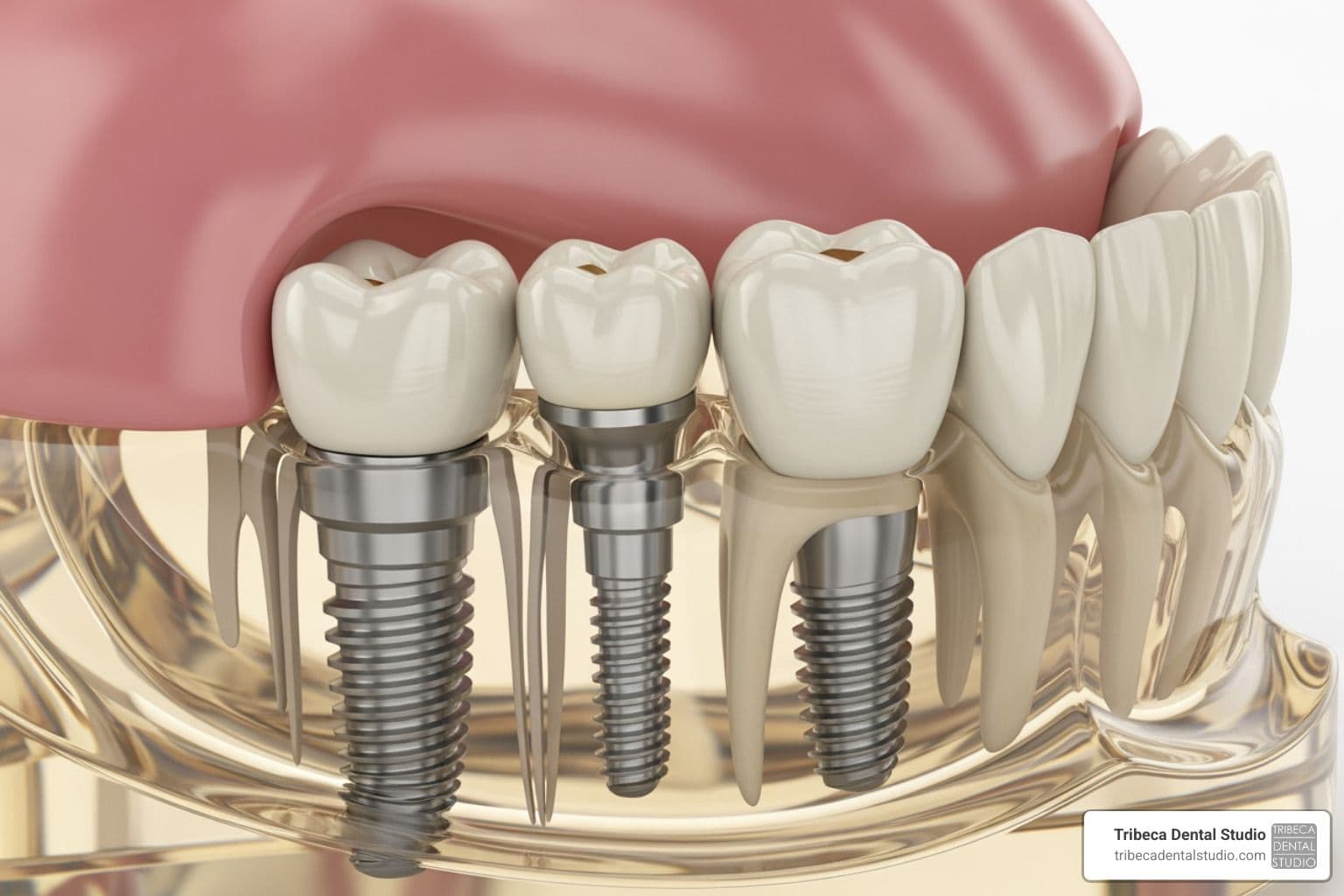
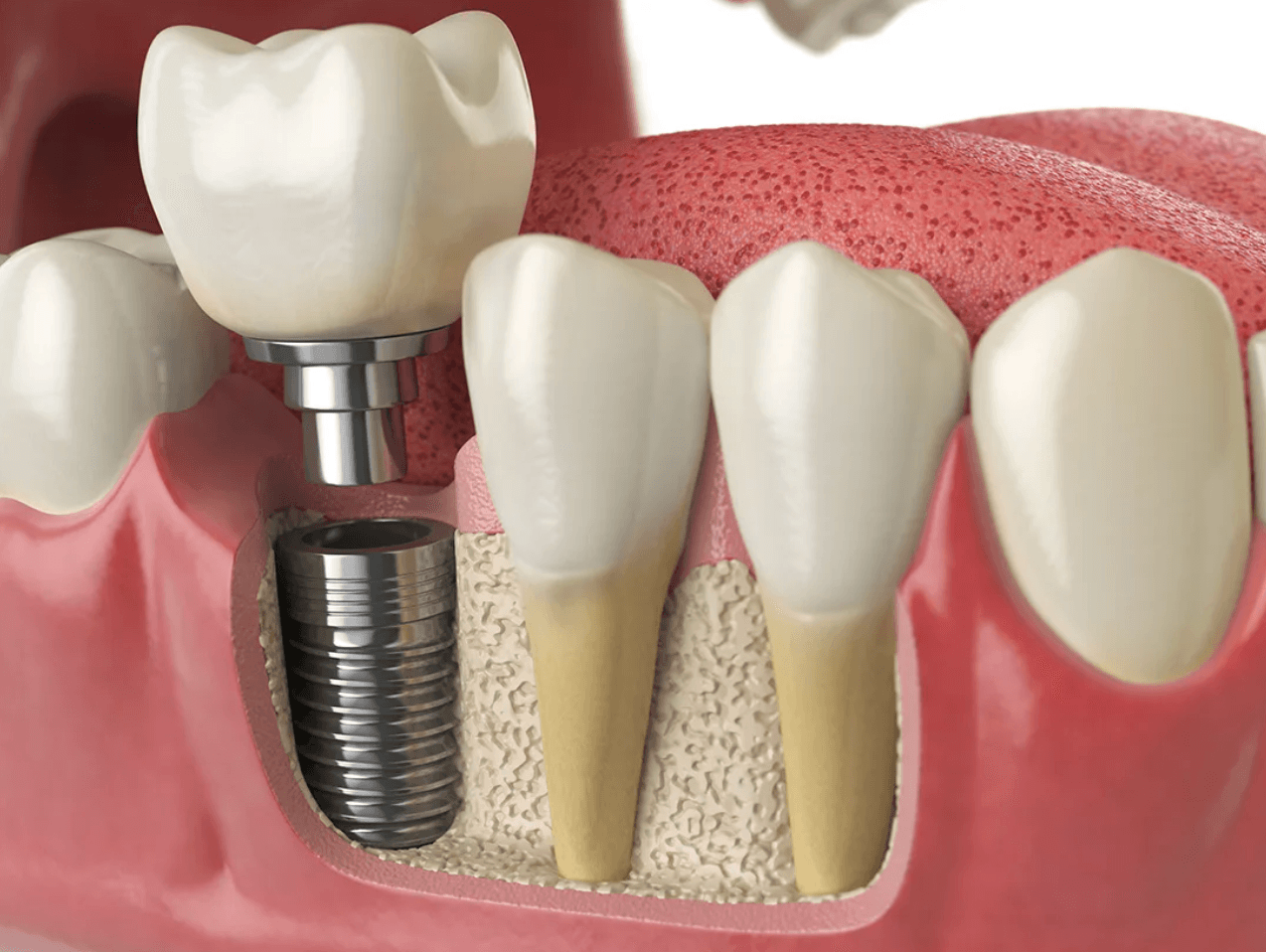
Dental implants are used to replace missing teeth by providing a stable foundation for a crown, bridge, or larger prosthesis. The process begins with diagnosis and planning rather than the implant procedure itself.
A comprehensive consultation considers the missing tooth or teeth, bone anatomy, gum health, bite, existing restorations, medical history, and the type of final restoration that will be supported.
Planning comes before placement
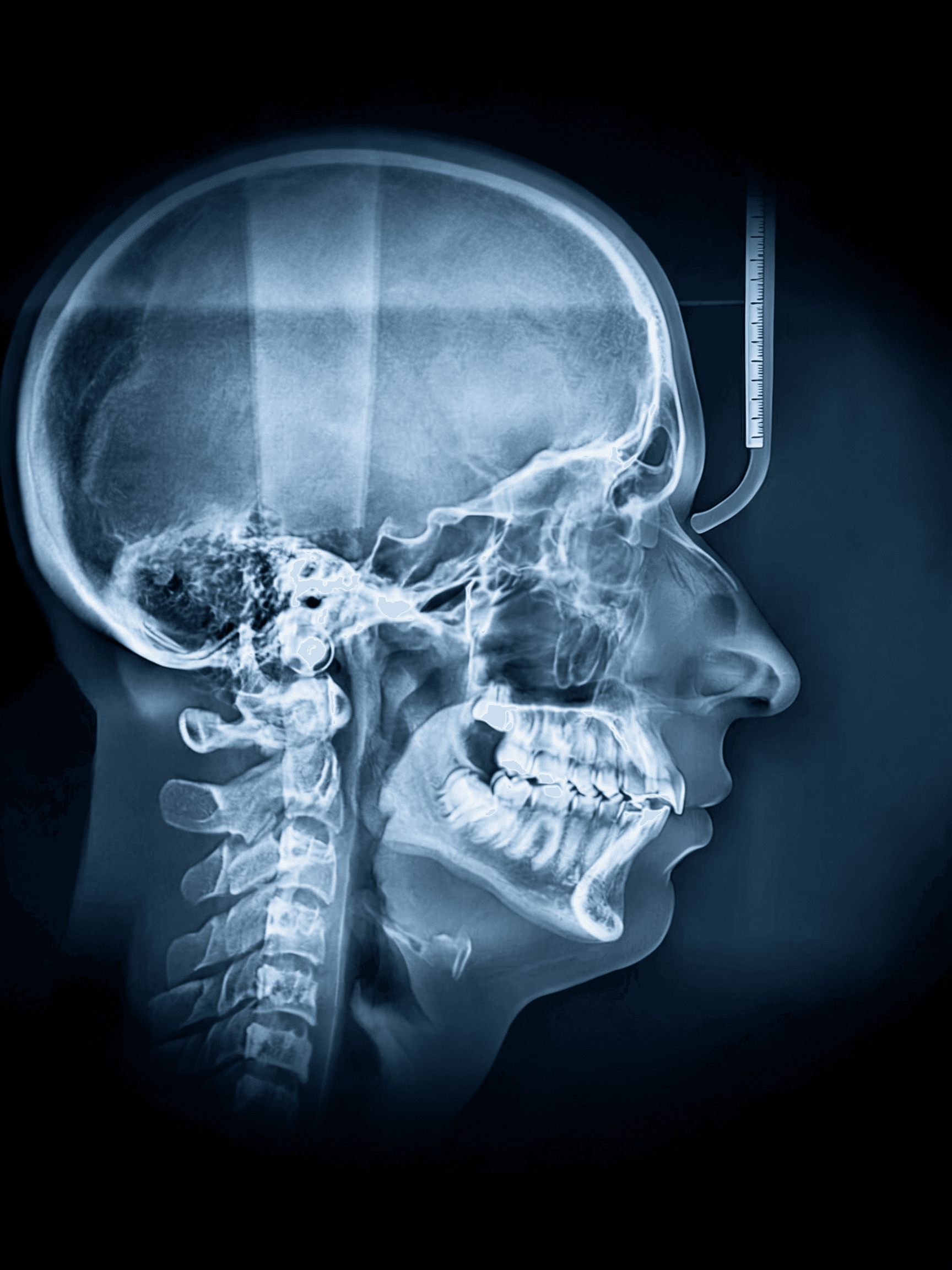
Three-dimensional imaging and a clinical examination can help the implant team understand bone dimensions, nearby anatomical structures, and the position needed for the final restoration.
Good implant planning is restorative-driven: the desired location and shape of the replacement tooth help guide where the implant should be positioned.
Bone and soft tissue considerations
Some implant sites have adequate bone for straightforward placement, while others may require additional planning or grafting. Gum tissue thickness and contour also influence the final appearance and maintainability of the restoration.
These factors are evaluated individually rather than assumed from a panoramic image or visual exam alone.
The restorative phase
After appropriate healing, the implant is restored with an abutment and crown or incorporated into a larger prosthesis. The bite is checked so forces are distributed appropriately.
Patients should understand whether the case uses a temporary restoration, when the final restoration is expected, and what follow-up appointments are required.
Long-term care
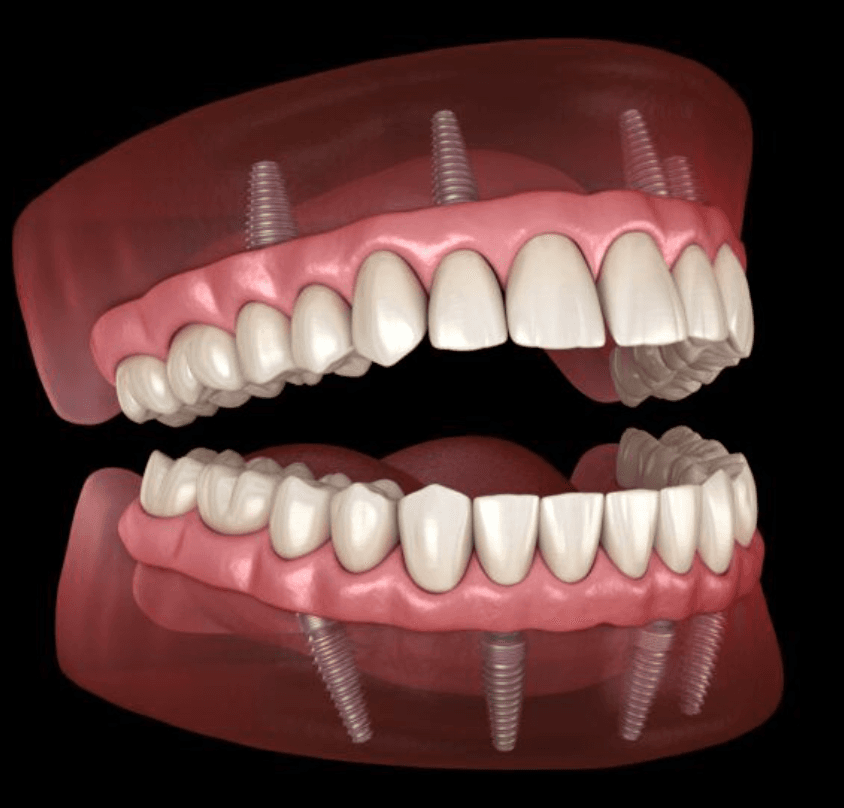
Implants need daily plaque control and professional monitoring. Cleaning technique may differ depending on whether the restoration is a single crown, bridge, overdenture, or full-arch prosthesis.
Regular evaluation allows the dental team to monitor the surrounding tissues, bite, and restoration.
Questions and practical points to bring to your visit
- Bring relevant medical history and medication information.
- Ask to see how the final tooth position guides implant placement.
- Discuss whether bone or soft-tissue procedures may be needed.
- Ask for a long-term maintenance plan before treatment begins.
Related reading from Tribeca Dental Studio
Next steps
The information above is intended to help you prepare better questions and understand the topic before an appointment. Individual recommendations depend on an examination, dental history, imaging when appropriate, and the specific condition of your teeth, gums, bite, and supporting structures.
For care in Tribeca and Lower Manhattan, explore the related service and educational pages above or contact Tribeca Dental Studio to discuss which type of evaluation fits your concern.