All-on-4 Dental Implants: A Guide for Patients With Missing Teeth
September 1, 2026
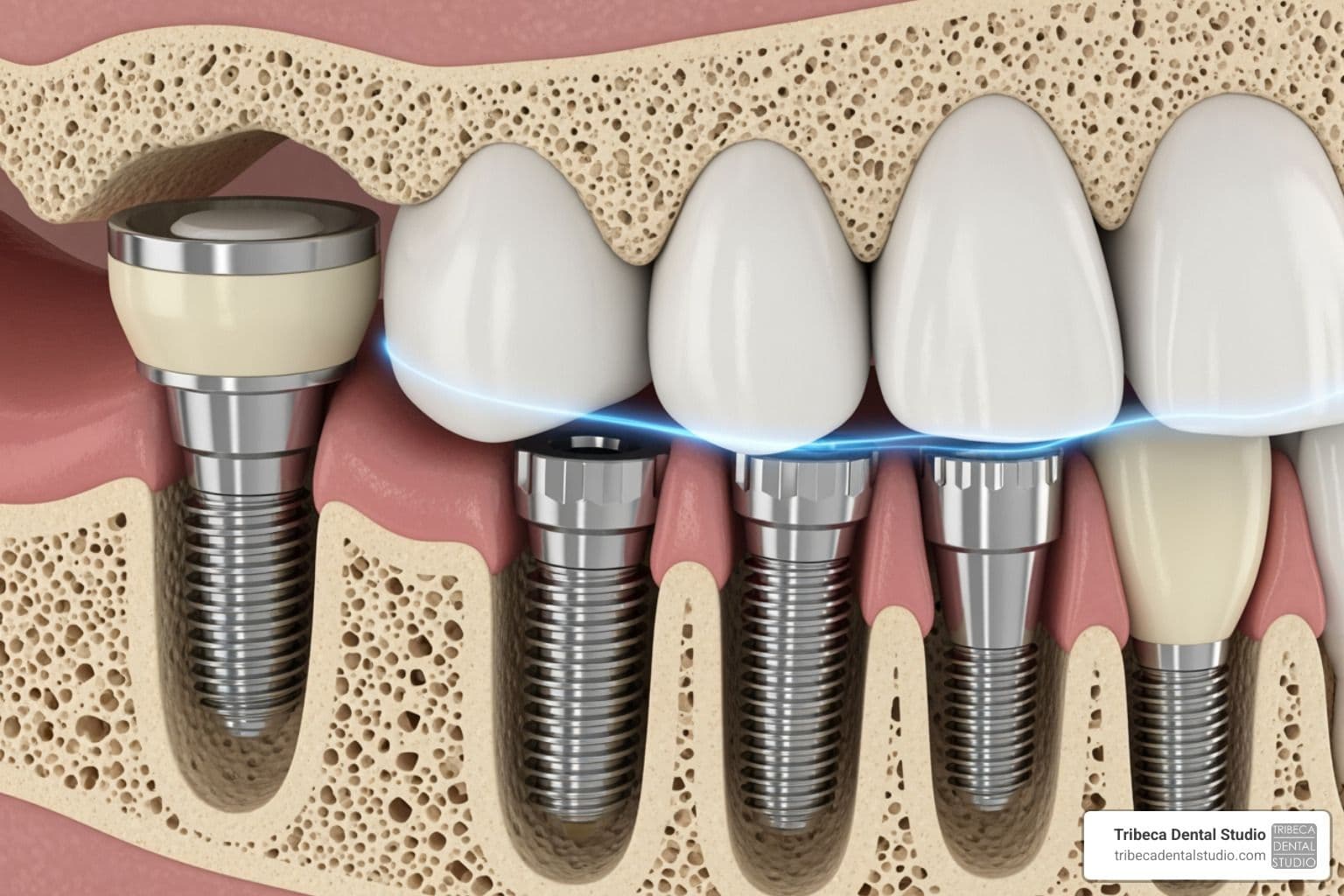
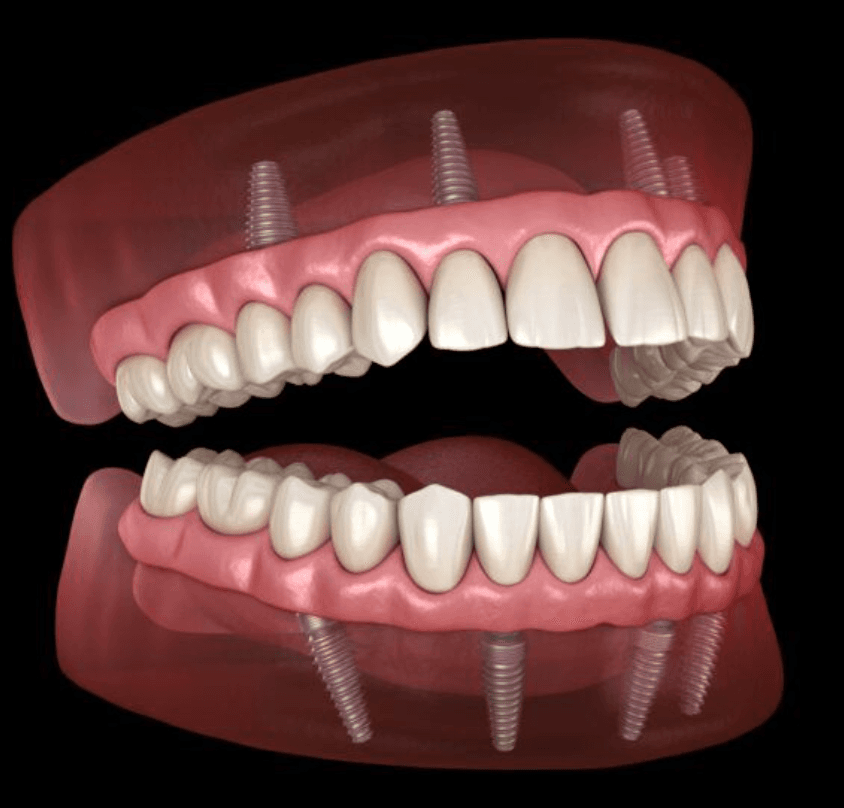
All-on-4 is a full-arch implant approach designed for people who are missing many or all teeth in an upper or lower arch. Rather than replacing every missing tooth with a separate implant, a fixed restoration is supported by a smaller number of strategically positioned implants.
The phrase All-on-4 describes a treatment concept, not a one-size-fits-all recommendation. Bone anatomy, gum health, bite forces, existing teeth, medical history, and restorative goals all affect whether this approach is appropriate.
How the All-on-4 concept works
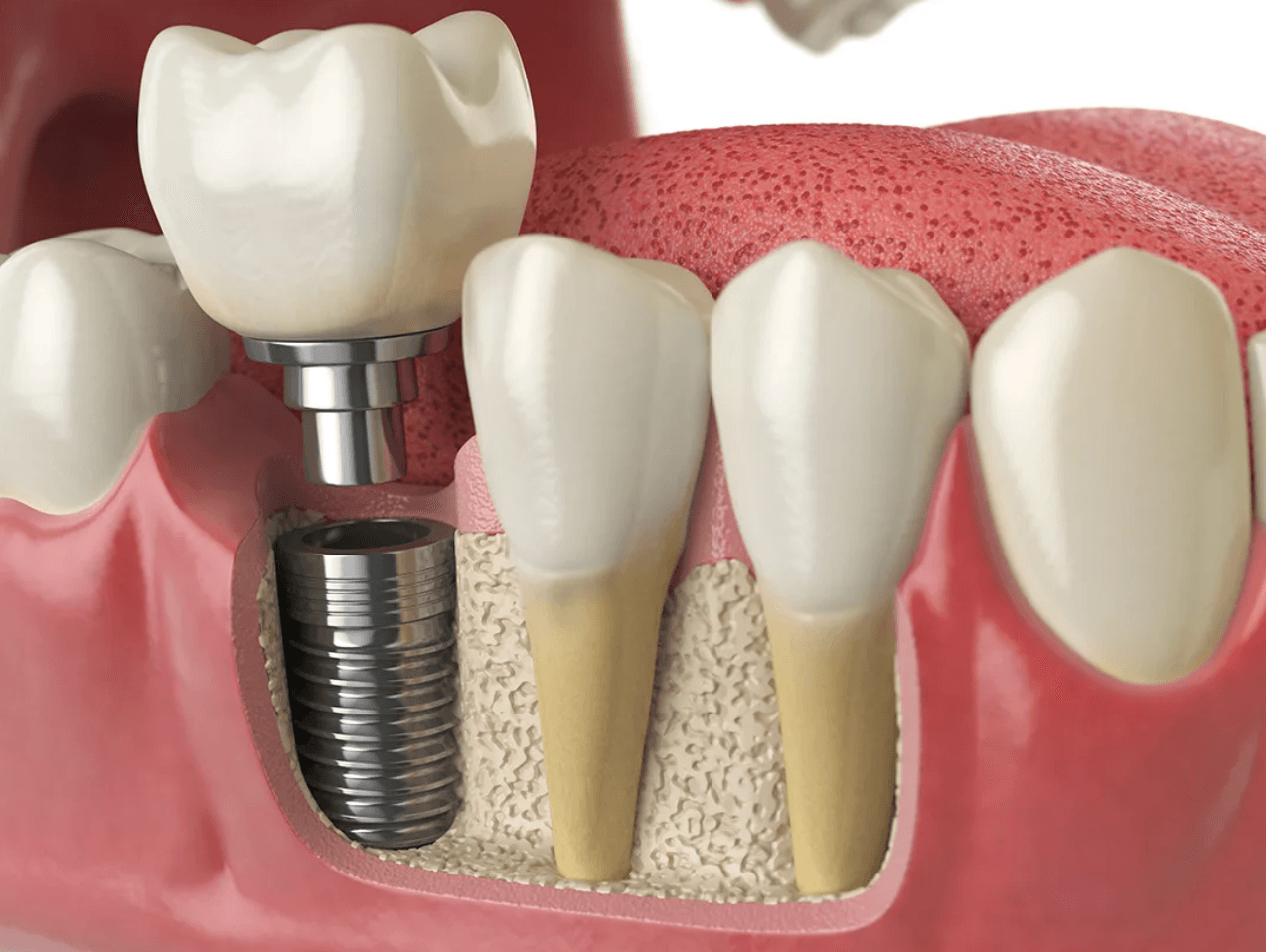
Implants act as anchors in the jawbone. A full-arch prosthesis is then attached to those implants. The exact implant positions and restorative design are planned from imaging, examination, and bite analysis.
In some cases a temporary fixed restoration may be possible during the initial phase, while the final restoration is delivered after healing. The timeline varies, so patients should ask what the provisional and final stages look like for their case.
Who may consider a full-arch implant option
People with extensive tooth loss, failing teeth, or unstable removable dentures may ask about full-arch implant treatment. The decision is based on the condition of the remaining teeth and supporting structures rather than appearance alone.
Some patients require additional planning for bone volume or sinus anatomy, while others may have alternative implant strategies available. A detailed consultation helps compare those possibilities.
Questions to ask during a consultation
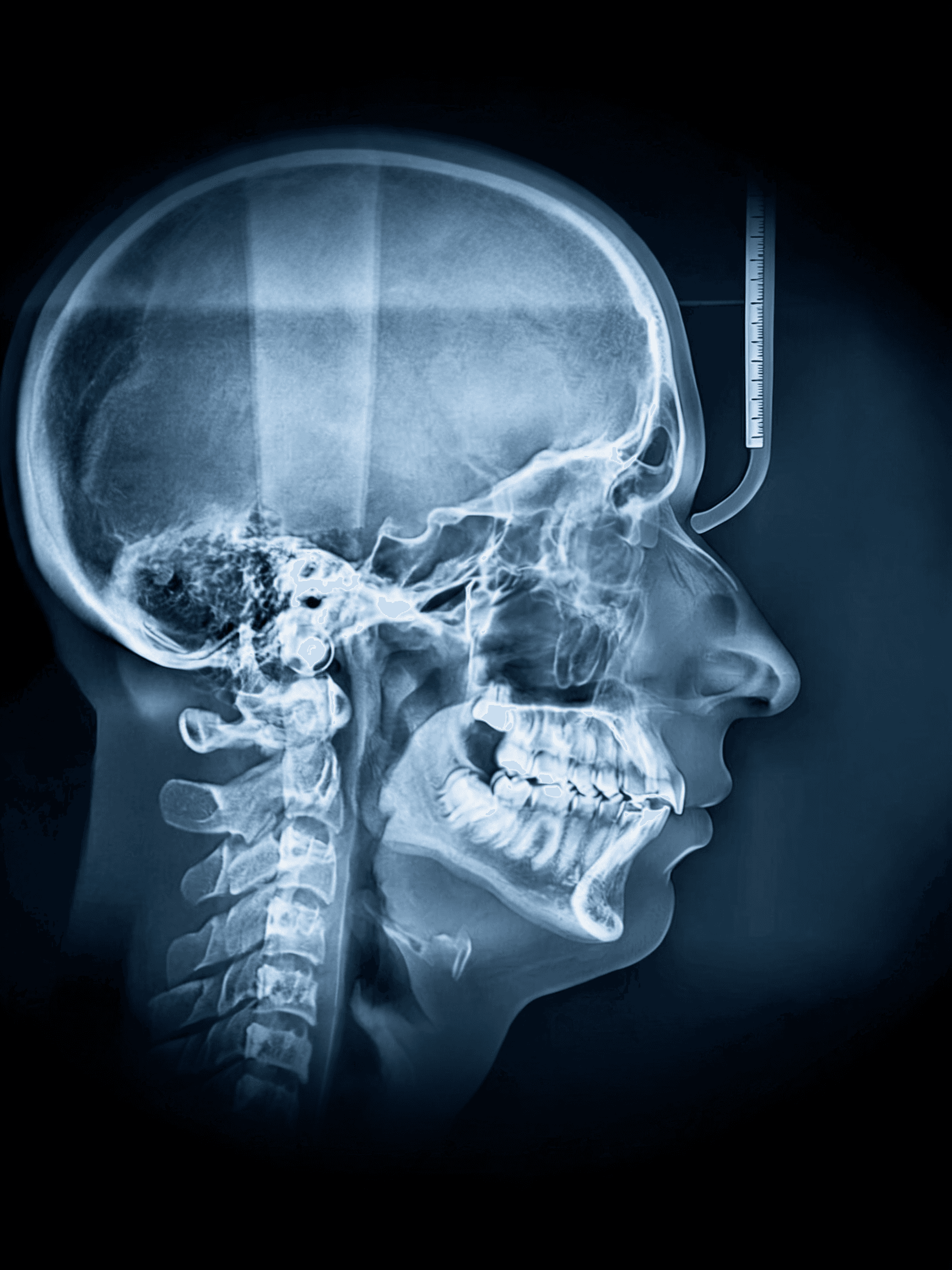
Ask what imaging is needed, whether any teeth must be removed, what type of temporary restoration is planned, how hygiene will work under the prosthesis, and how maintenance visits are scheduled.
It is also reasonable to ask what alternatives exist. Traditional implants, implant-supported overdentures, bridges, or other advanced implant approaches may be relevant depending on the case.
Long-term maintenance matters
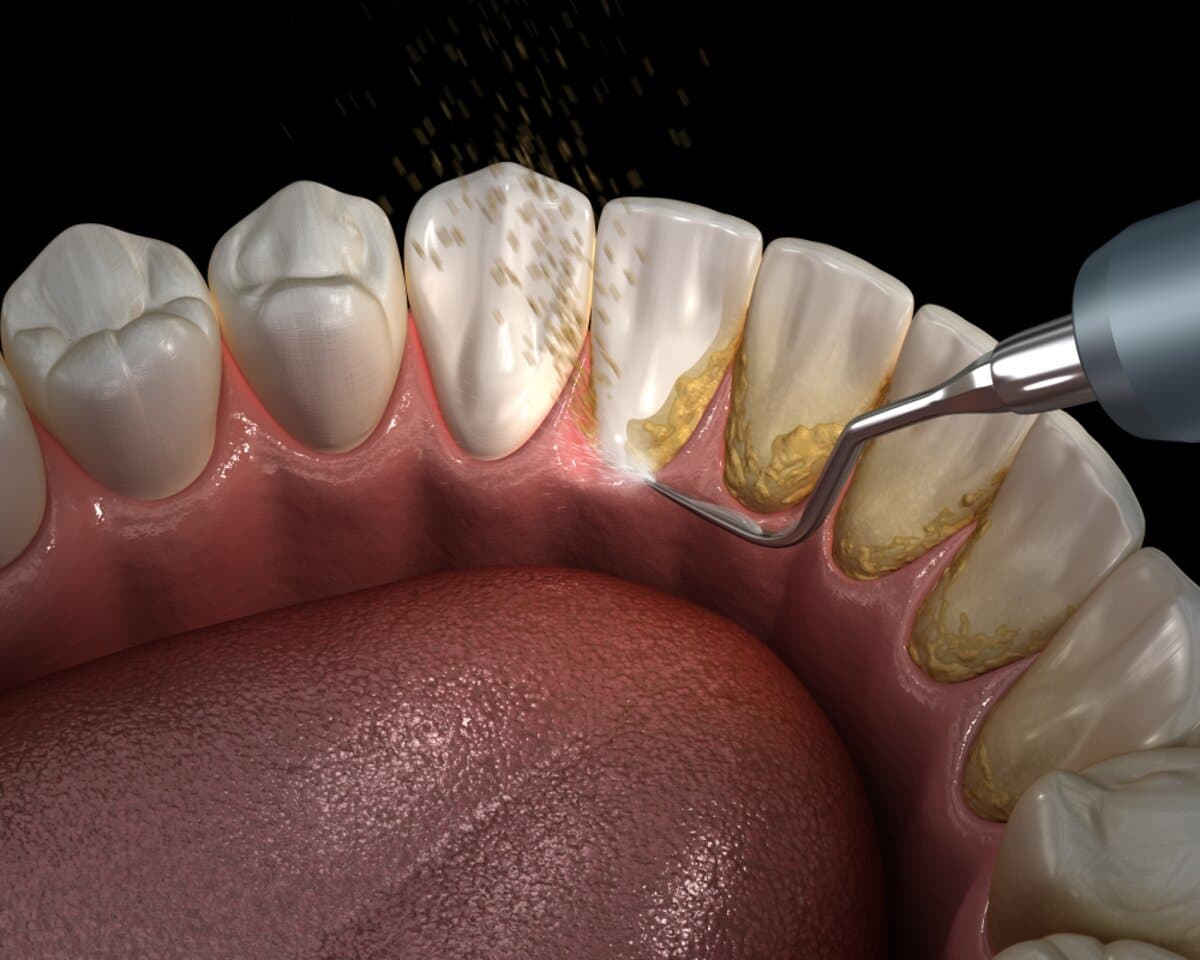
Implants cannot develop cavities, but the tissues around implants still require daily cleaning and professional maintenance. The restoration itself also needs periodic evaluation for wear, bite changes, and component integrity.
A successful plan should include not just placement of implants, but also a realistic home-care routine and follow-up schedule.
Questions and practical points to bring to your visit
- Bring a list of current medications and relevant medical history.
- Ask to see how the temporary and final restorations differ.
- Discuss cleaning tools before treatment, not only after.
- Compare All-on-4 with other full-arch options before deciding.
Related reading from Tribeca Dental Studio
- All-on-4 dental implants
- Dental implant services
- Guide to implant care in NYC
- Zygomatic vs. All-on-6 guide
Next steps
The information above is intended to help you prepare better questions and understand the topic before an appointment. Individual recommendations depend on an examination, dental history, imaging when appropriate, and the specific condition of your teeth, gums, bite, and supporting structures.
For care in Tribeca and Lower Manhattan, explore the related service and educational pages above or contact Tribeca Dental Studio to discuss which type of evaluation fits your concern.