Teeth Cleaning in NYC: What to Expect From a Professional Hygiene Visit
July 15, 2026

A professional dental cleaning is more than a quick polish. A hygiene visit gives the dental team an opportunity to remove deposits that are difficult to manage at home, evaluate gum health, review home-care habits, and identify areas that may need closer attention.
The exact visit depends on your oral health. Someone with healthy gums may need a routine preventive cleaning, while a patient with periodontal disease may need a different type of periodontal treatment or maintenance.
What happens during a routine cleaning
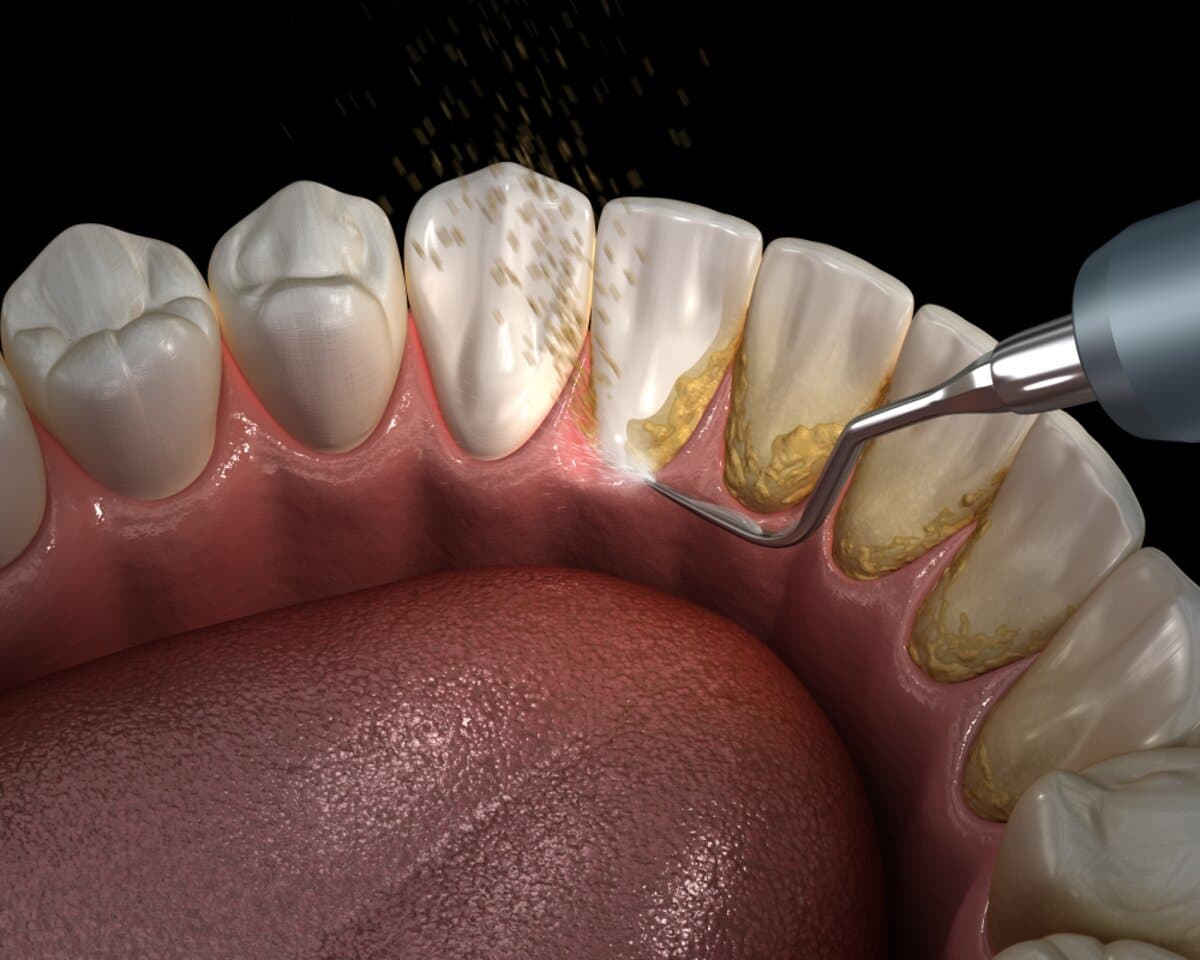
The hygienist typically checks the gums, removes plaque and hardened tartar from tooth surfaces, cleans between teeth, and polishes areas that collect stain. The dental team may also review X-rays or recommend updated imaging when clinically appropriate.
During the visit you can ask about specific areas that bleed, trap food, feel sensitive, or are difficult to floss. These details can help the hygienist tailor home-care suggestions.
Routine cleaning versus deep cleaning
A standard prophylaxis is intended for preventive care when the supporting tissues are generally healthy. Scaling and root planing, often called a deep cleaning, is a periodontal treatment used when disease extends below the gumline.
The distinction should be based on examination findings such as pocket measurements, inflammation, tartar below the gumline, and bone levels on appropriate imaging.
Why home care still matters
Professional cleaning does not replace daily brushing and interdental cleaning. Plaque begins forming again after the appointment, so the long-term benefit depends on what happens between visits.
Use a soft toothbrush, clean along the gumline, and use floss or another interdental tool that you can use consistently. If one technique is uncomfortable or difficult, ask the hygienist to demonstrate alternatives.
How often should you schedule a cleaning?
There is no single schedule that is ideal for every person. The interval depends on gum health, cavity risk, medical factors, past dental history, home care, and whether periodontal maintenance is needed.
Your dental team can recommend an interval based on findings rather than relying only on a generic calendar.
Questions and practical points to bring to your visit
- Tell the hygienist about bleeding, sensitivity, or areas that trap food.
- Ask for your periodontal measurements if gum health is a concern.
- Bring your toothbrush or floss technique questions to the visit.
- Schedule follow-up based on your individual risk, not only habit.
Related reading from Tribeca Dental Studio
- Dental exams & teeth cleanings
- Preventive dentistry
- Keeping teeth clean at home
- How often should you floss?
Next steps
The information above is intended to help you prepare better questions and understand the topic before an appointment. Individual recommendations depend on an examination, dental history, imaging when appropriate, and the specific condition of your teeth, gums, bite, and supporting structures.
For care in Tribeca and Lower Manhattan, explore the related service and educational pages above or contact Tribeca Dental Studio to discuss which type of evaluation fits your concern.