Gum Disease and Alzheimer's: Understanding the Research Without Overstating It
September 16, 2025
Researchers have studied possible relationships between chronic periodontal inflammation and several aspects of systemic health, including cognitive health. Headlines can make these studies sound as if gum disease directly causes Alzheimer's disease, but that conclusion goes beyond what observational research can establish.
The most useful takeaway is simpler: periodontal disease is a real oral-health condition that deserves diagnosis and treatment on its own merits. Good gum care is worthwhile even when broader systemic relationships are still being investigated.
Association is not the same as causation
Two conditions can be statistically associated without one directly causing the other. Age, smoking, diabetes, access to care, inflammation, genetics, medication, and other factors can influence both oral and general health.
Research findings should therefore be interpreted carefully rather than used to promise that treating gums will prevent or treat a neurological disease.
Why researchers study periodontal inflammation
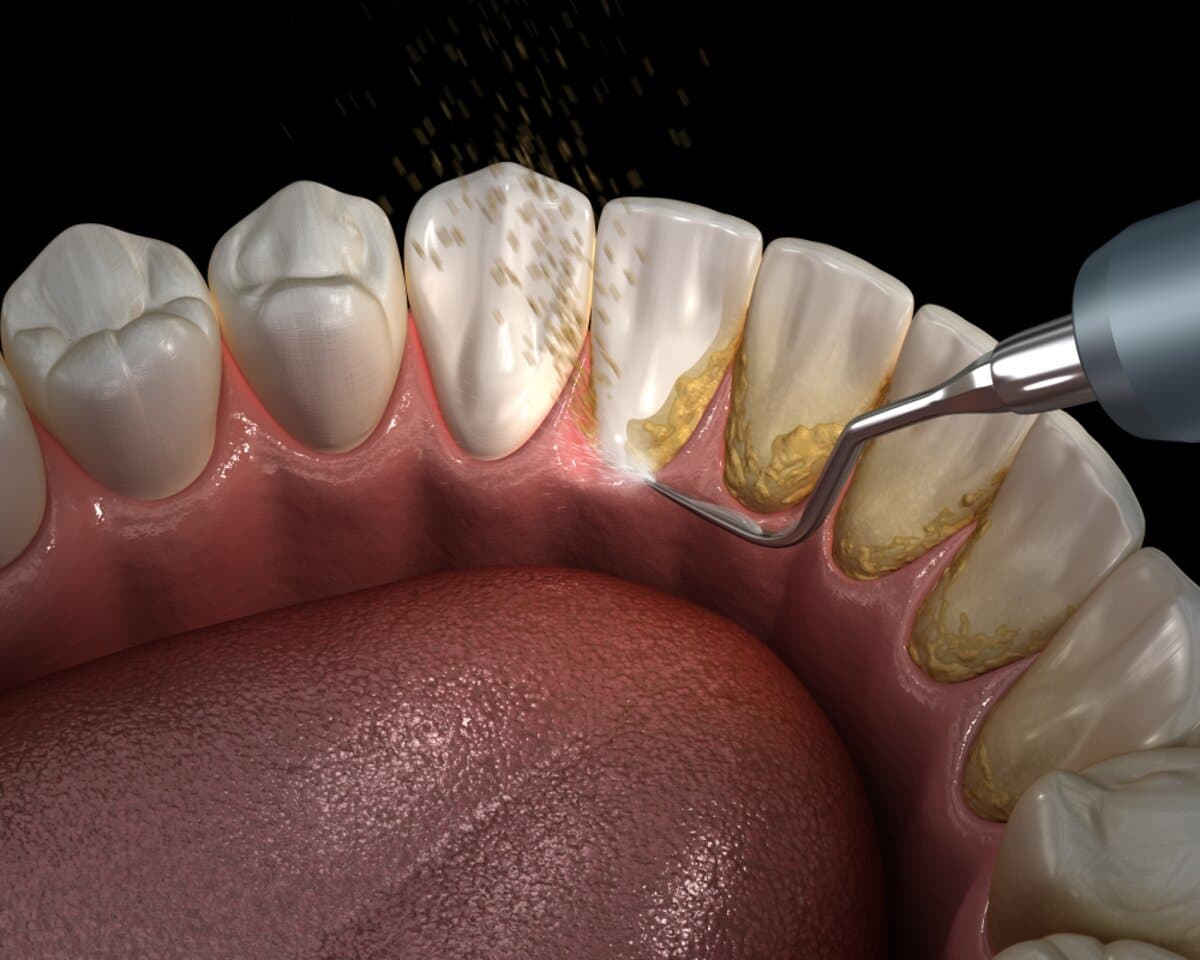
Periodontal disease involves a chronic inflammatory response to bacterial biofilm around the teeth. Scientists study whether inflammatory pathways or oral bacteria may be connected with processes elsewhere in the body.
These questions are important, but they remain research questions and should not replace established medical evaluation for memory or cognitive symptoms.
What is already clear about gum disease
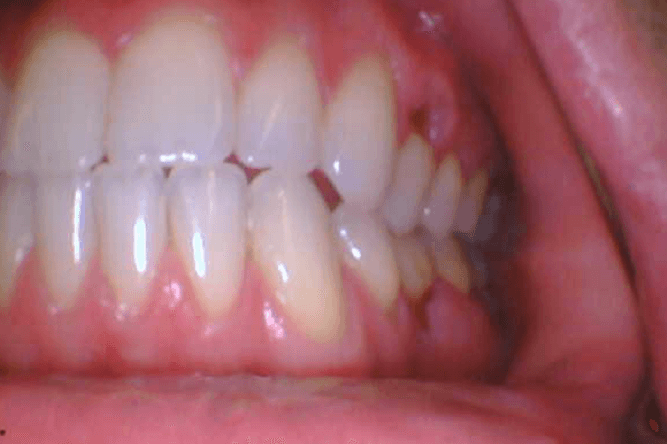
Periodontal disease can damage gum attachment and supporting bone around teeth. It can lead to bleeding, recession, mobility, and tooth loss if it progresses.
Diagnosis is based on periodontal examination and appropriate imaging, not on systemic symptoms.
A practical health approach
Maintain daily plaque control, keep regular dental appointments, and have persistent bleeding, swelling, recession, or mobility evaluated. If you or a family member has cognitive or neurological concerns, discuss them with an appropriate medical professional.
Oral and medical care can complement each other without making unsupported claims about cause and effect.
Questions and practical points to bring to your visit
- Treat gum disease because of its established oral-health effects.
- Be cautious with headlines that turn association into causation.
- Share relevant medical history with your dental team.
- Seek medical evaluation for cognitive symptoms rather than relying on dental treatment.
Related reading from Tribeca Dental Studio
- Periodontal disease treatment
- Improving gum health
- Early gum disease & deep cleaning
- Deep cleaning and periodontal care
Next steps
The information above is intended to help you prepare better questions and understand the topic before an appointment. Individual recommendations depend on an examination, dental history, imaging when appropriate, and the specific condition of your teeth, gums, bite, and supporting structures.
For care in Tribeca and Lower Manhattan, explore the related service and educational pages above or contact Tribeca Dental Studio to discuss which type of evaluation fits your concern.