Laser Gum Treatment in NYC: What Patients Should Know
September 14, 2025
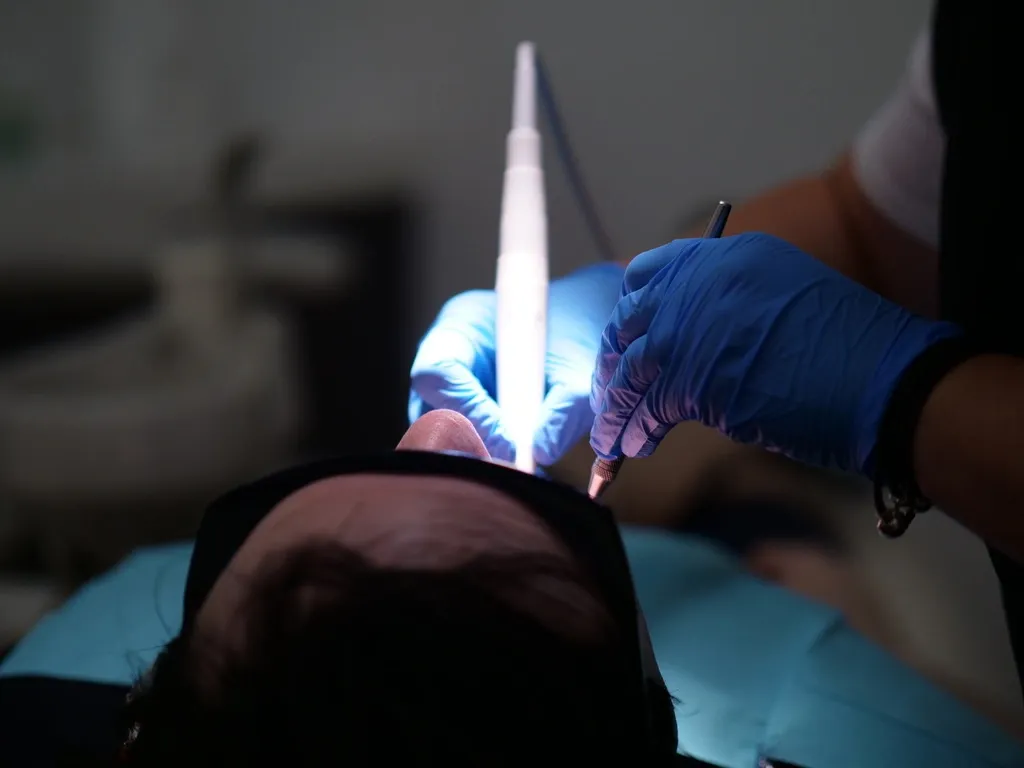
Lasers can be used in selected dental and periodontal procedures, but the term laser gum treatment covers more than one technique. The appropriate use depends on the diagnosis, the condition of the gums and supporting bone, and the goals of treatment.
Technology does not replace diagnosis. Before discussing a laser procedure, the dental team should evaluate periodontal pocket depths, inflammation, tartar, recession, bone levels, and other relevant findings.
Where lasers may fit into periodontal care
Depending on the procedure and system used, a dental laser may be used for soft-tissue management, removal of diseased tissue, bacterial reduction, contouring, or as part of a broader periodontal protocol.
The exact role should be explained in the context of your diagnosis rather than presented as a universal replacement for all conventional periodontal treatment.
Scaling and root planing may still be important
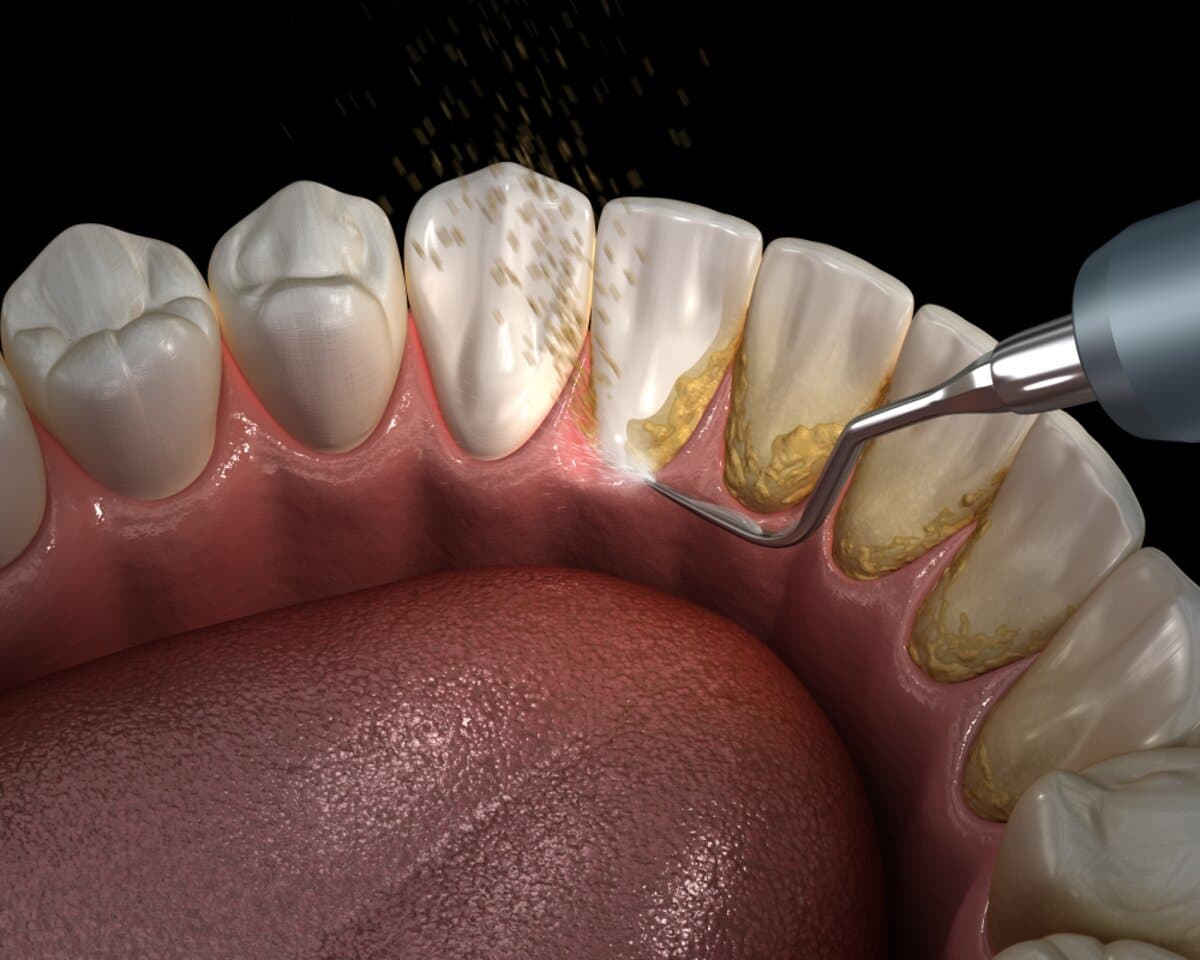
Periodontal disease often involves hardened deposits below the gumline. Mechanical removal of plaque and calculus remains an important part of many treatment plans.
Ask whether the proposed laser treatment is being used instead of, before, after, or together with scaling and root planing.
Questions to ask about the procedure
Ask what problem the laser is intended to treat, what alternative approaches exist, whether anesthesia is used, what recovery may feel like, and what maintenance is needed afterward.
Also ask how the dental team will evaluate whether the tissues are responding after treatment.
Maintenance after periodontal treatment
Periodontal treatment is not a substitute for daily plaque control. Home care and periodontal maintenance appointments remain important because bacterial biofilm can return.
A long-term plan should include reassessment, cleaning intervals, and specific home-care instructions.
Questions and practical points to bring to your visit
- Ask for the periodontal diagnosis before discussing technology.
- Clarify whether scaling and root planing is also part of the plan.
- Ask how treatment success will be measured.
- Plan for ongoing periodontal maintenance after active treatment.
Related reading from Tribeca Dental Studio
- Periodontal disease treatment
- Improving gum health
- Early gum disease & deep cleaning
- Deep cleaning and tartar guide
Next steps
The information above is intended to help you prepare better questions and understand the topic before an appointment. Individual recommendations depend on an examination, dental history, imaging when appropriate, and the specific condition of your teeth, gums, bite, and supporting structures.
For care in Tribeca and Lower Manhattan, explore the related service and educational pages above or contact Tribeca Dental Studio to discuss which type of evaluation fits your concern.