Early Signs of Gum Disease You Should Not Ignore
June 17, 2026

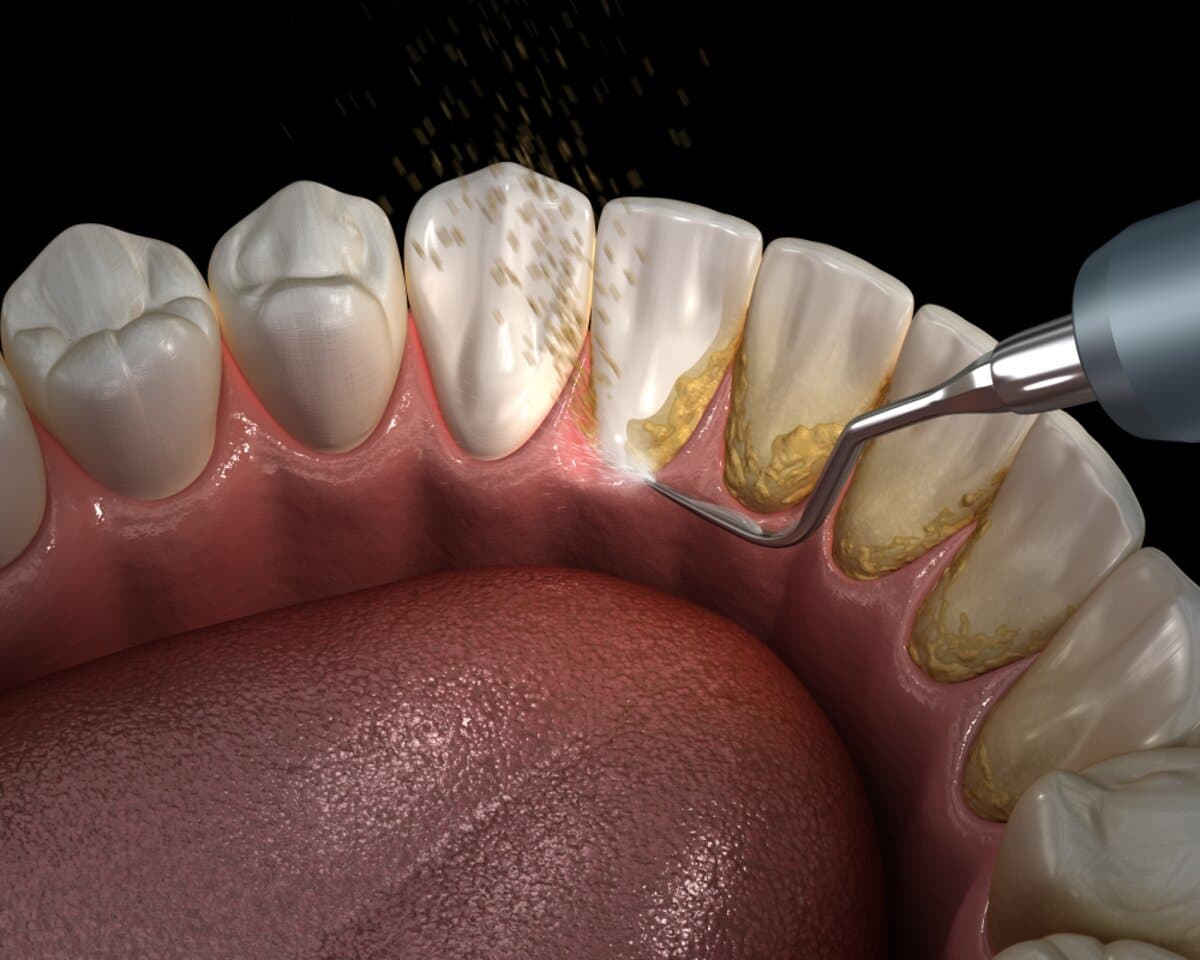
Gum disease can begin with subtle changes that are easy to dismiss. Bleeding during brushing, persistent bad breath, redness, swelling, or changes along the gumline may be signs that the tissues supporting the teeth need attention.
These symptoms do not tell you the exact stage or cause on their own. A periodontal evaluation uses visual examination, pocket measurements, and appropriate imaging to understand what is happening below the gumline.
Bleeding gums
Occasional bleeding can occur after aggressive flossing or irritation, but repeated bleeding during normal brushing or flossing is worth discussing with a dental professional.
Bleeding is commonly associated with inflammation and can help identify areas where plaque is accumulating or periodontal evaluation is needed.
Redness, swelling, or tenderness
Healthy gums are generally firm and fit closely around the teeth. Puffy, tender, or persistently red areas can be a sign of inflammation.
Localized swelling around one tooth may have a different cause than generalized gum inflammation, so examination matters.
Recession and changes in the gumline
Gum recession can make teeth look longer or expose sensitive root surfaces. It may be related to periodontal disease, brushing technique, tooth position, bite forces, or other factors.
Because recession has more than one possible cause, the treatment approach depends on identifying why it is happening.
Persistent bad breath and deep pockets
Bad breath has many possible causes, but periodontal bacteria and plaque buildup can contribute. Deep periodontal pockets are not something a patient can diagnose visually at home.
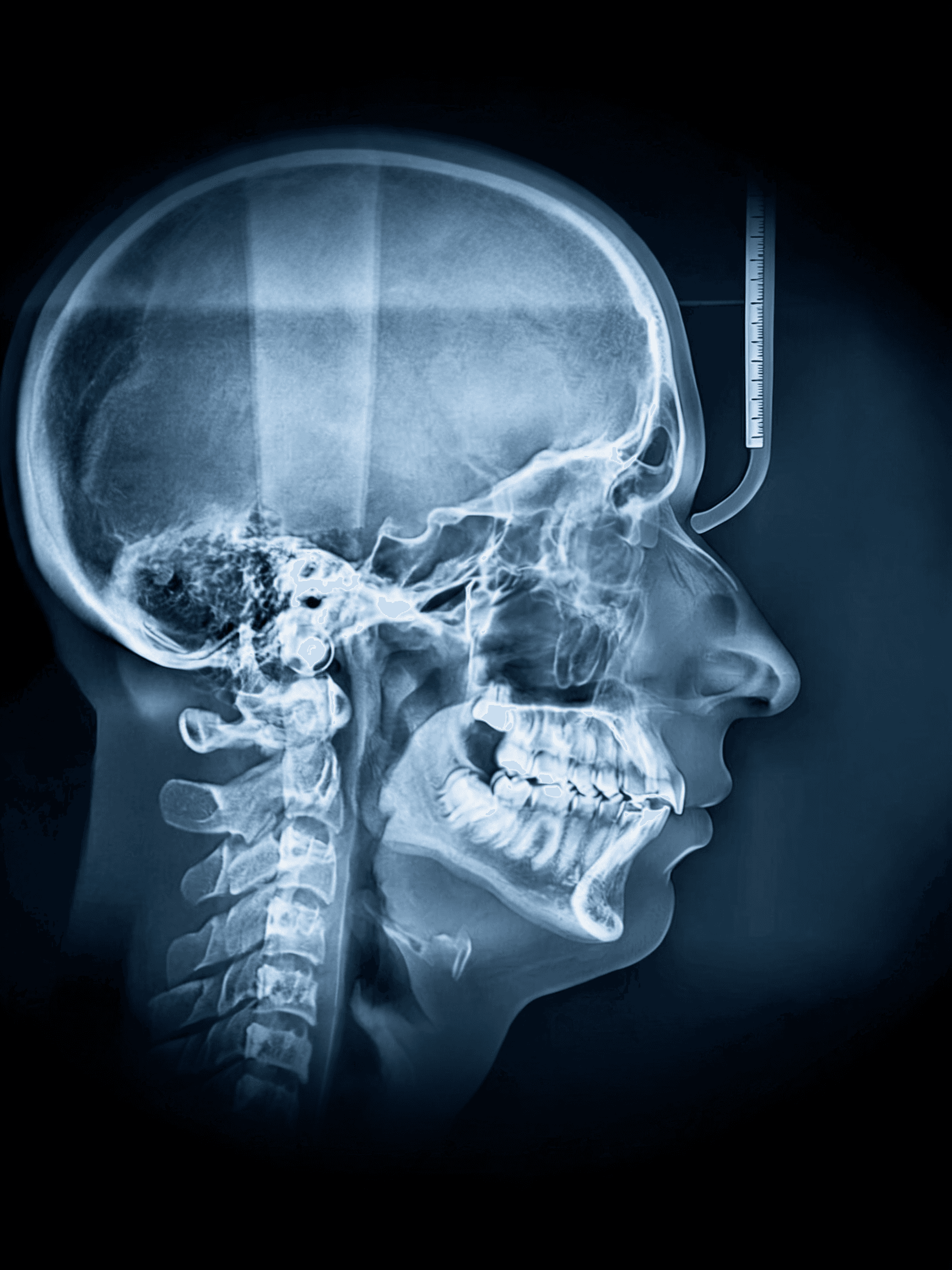
Pocket measurements and X-rays help determine whether inflammation is limited to the gums or has affected deeper supporting tissues.
Questions and practical points to bring to your visit
- Track whether bleeding occurs repeatedly or only after unusual irritation.
- Ask for periodontal pocket measurements if gum disease is a concern.
- Do not assume recession always means aggressive brushing.
- Keep routine hygiene appointments and address persistent changes early.
Related reading from Tribeca Dental Studio
- Periodontal disease treatment
- Early gum disease & deep cleaning
- How to improve gum health
- Guide to deep cleaning and tartar
Next steps
The information above is intended to help you prepare better questions and understand the topic before an appointment. Individual recommendations depend on an examination, dental history, imaging when appropriate, and the specific condition of your teeth, gums, bite, and supporting structures.
For care in Tribeca and Lower Manhattan, explore the related service and educational pages above or contact Tribeca Dental Studio to discuss which type of evaluation fits your concern.