5 Signs Your Child Might Need Braces: A Parent's Guide
September 9, 2026
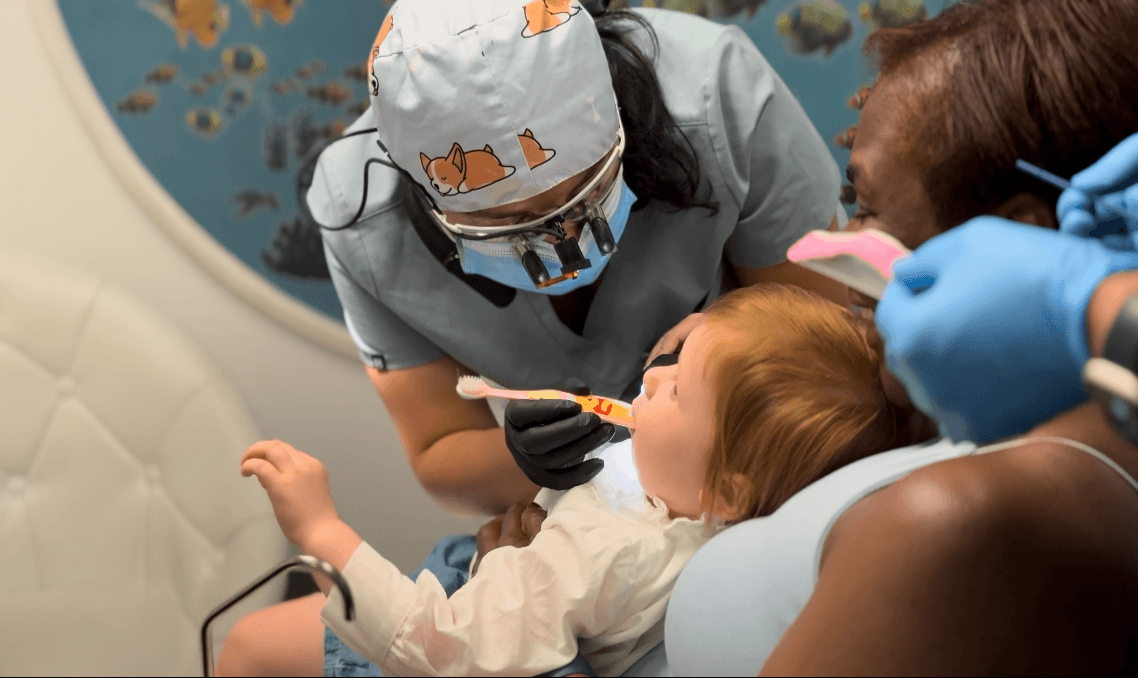
Parents often notice small changes in a child's smile long before they know whether orthodontic treatment is actually needed. Teeth may appear crowded, a bite may look uneven, or permanent teeth may erupt in unexpected positions. Those observations do not automatically mean braces are necessary, but they can be useful reasons to ask for an orthodontic evaluation.
An evaluation looks at more than whether teeth are straight. Dentists and orthodontic providers also consider how the upper and lower teeth meet, available space for permanent teeth, jaw development, oral habits, and how the bite functions during chewing and speaking.
1. Crowding or teeth erupting out of position
When permanent teeth do not have enough room, they may rotate, overlap, or erupt toward the inside or outside of the dental arch. Crowding can be mild and mostly cosmetic, or it can make brushing and flossing more difficult.
Because a child's mouth is still developing, the best next step is usually evaluation rather than assuming a specific treatment. The provider can determine whether monitoring, expansion, aligners, braces, or no treatment at all makes sense.
2. A bite that does not seem to line up
An overbite, underbite, crossbite, or open bite describes the relationship between the upper and lower teeth. Some bite patterns are minor, while others may affect tooth wear, chewing, or jaw comfort.
If you have noticed that your child bites more heavily on one side, the front teeth do not meet, or the lower teeth sit in front of the upper teeth, bring that observation to the dental visit.
3. Unusual spacing or delayed eruption
Large gaps can be part of normal development, especially while baby teeth are being replaced. However, persistent spacing, a tooth that does not appear to be erupting, or a permanent tooth emerging far from its expected position may deserve a closer look.
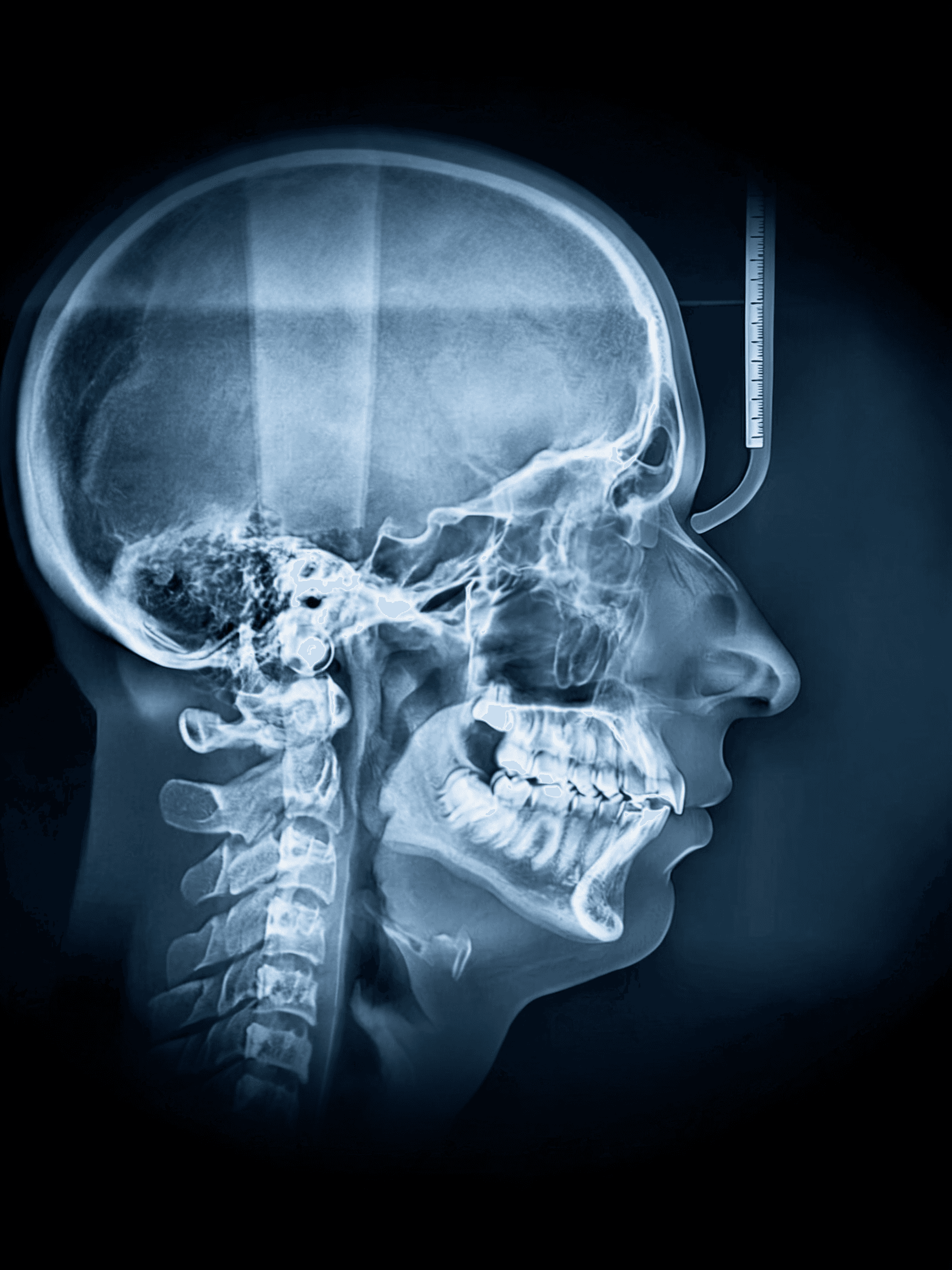
X-rays and a clinical exam can help the dental team understand whether teeth are developing normally beneath the gums and whether there is enough room for them.
4. Mouth breathing, oral habits, or palate concerns
Thumb sucking, tongue posture, mouth breathing, and a narrow palate can sometimes be part of the broader orthodontic picture. These factors do not diagnose a problem by themselves, but they can influence the questions a provider asks during an evaluation.
Parents can help by sharing what they observe at home, including sleep habits, chewing patterns, speech concerns, or long-standing oral habits.
Questions and practical points to bring to your visit
- Take a few clear photos if the bite or tooth position changes between visits.
- Write down when you first noticed crowding, spacing, or bite changes.
- Ask whether the recommendation is to monitor growth or begin treatment now.
- If braces are discussed, ask about goals, expected duration, hygiene, and follow-up.
Related reading from Tribeca Dental Studio
- Airway & orthodontic treatments
- Do braces fix an overbite?
- Tips for braces discomfort
- What is Myobrace?
Next steps
The information above is intended to help you prepare better questions and understand the topic before an appointment. Individual recommendations depend on an examination, dental history, imaging when appropriate, and the specific condition of your teeth, gums, bite, and supporting structures.
For care in Tribeca and Lower Manhattan, explore the related service and educational pages above or contact Tribeca Dental Studio to discuss which type of evaluation fits your concern.